Axios AM

July 15, 2026

🐫 Hello, Wednesday! Smart Brevity™ count: 1,629 words ... 6 mins. Thanks to Noah Bressner for orchestrating. Edited by Andrew Pantazi and Bill Kole.
⚽ Situational awareness: Spain stunned star-studded France 2-0 yesterday to reach the World Cup final.
- England and Argentina play today for the second spot (3 p.m. ET).
1 big thing: Trump's next targets
Intel from Axios' Barak Ravid:
President Trump held a Situation Room meeting yesterday to discuss a massive offensive against Iran far beyond the current strikes around the Strait of Hormuz, three knowledgeable sources said.
- Why it matters: Trump appears willing to bet that escalating the war will force the Iranian regime to open the Strait of Hormuz and accept his nuclear demands.
Trump convened the meeting as the U.S. military conducted strikes around the Strait of Hormuz and along Iran's southern coast for the fourth day in a row.
- U.S. officials said the strikes were meant to gut Iran's ability to attack ships in the Strait of Hormuz.
- Yesterday afternoon, the U.S. naval blockade on Iranian ports took effect, and last week, Trump notified Congress the nation was once again at war with Iran.
👀 Inside the room: Trump was joined in the Situation Room by his national security team, including Vice President JD Vance, Secretary of State Marco Rubio, Defense Secretary Pete Hegseth, Chairman of the Joint Chiefs Gen. Dan Caine, CIA Director John Ratcliffe, White House envoy Steve Witkoff and other senior officials, the sources said.
- The sources said the meeting focused on plans to hit strategic targets in Iran, in addition to the strikes in the Strait of Hormuz.
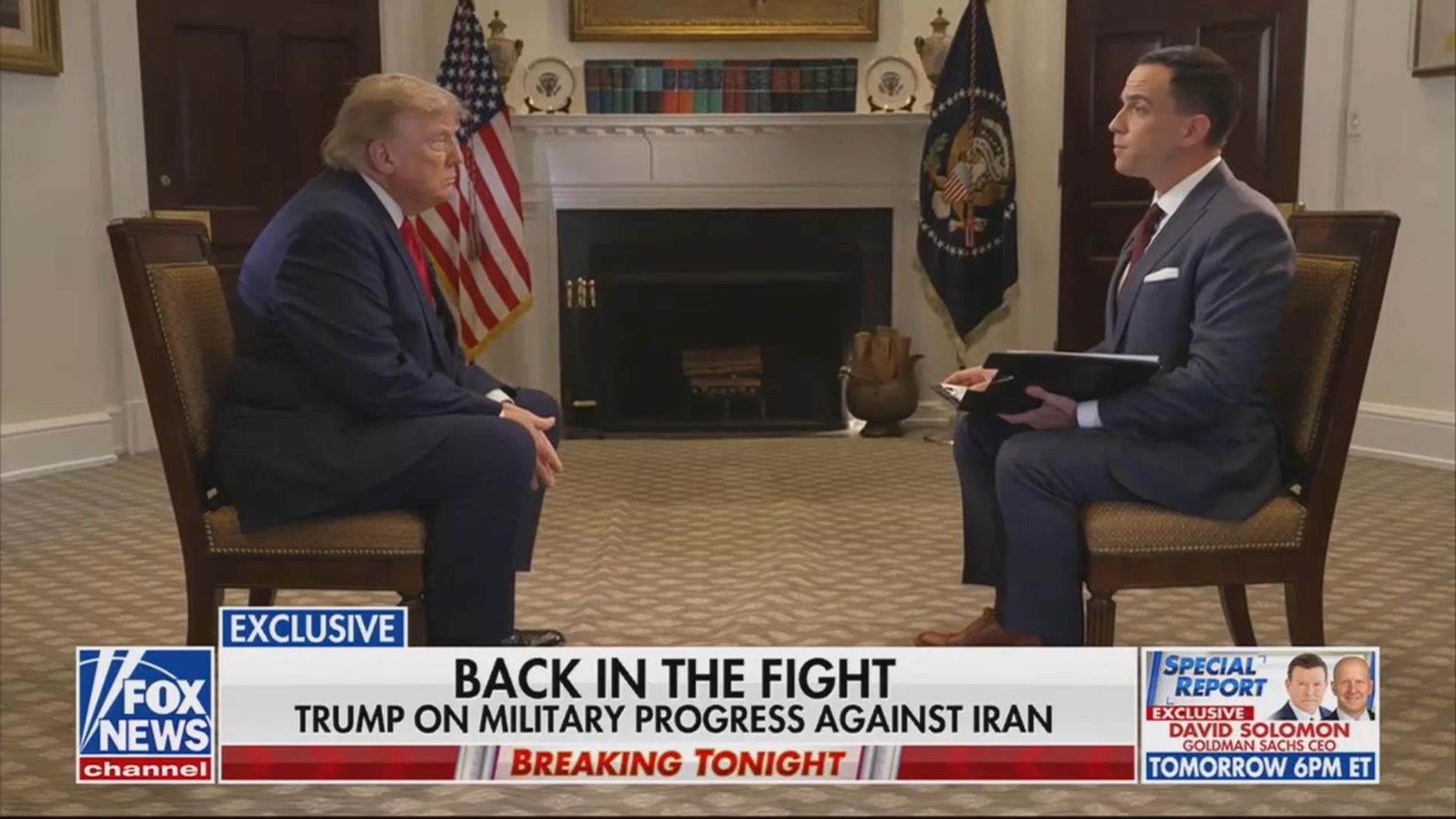
In an interview with Fox News' Trey Yingst before the Situation Room meeting, Trump said the strikes would expand in the coming days.
- The U.S. military is going to hit Iran "hard" over the next three days, he said, before stressing that strikes could significantly escalate after that.
- "Next week, it gets really bad for them because next week comes the power plants," Trump said. "Next week comes the bridges. We're gonna knock out all their power plants. We're gonna knock out all their bridges unless they get to the table and negotiate."
⛰️ What to watch: Trump said the U.S. is monitoring suspicious Iranian activity at Pickaxe Mountain, a site so deep underground that the U.S. and Israel think Iran wants to use it to shelter its nuclear program from airstrikes.
- Trump said the U.S. bunker busters "can go deep" but claimed "nobody knows" if they can reach Pickaxe Mountain.
2. 🛢️ The Gulf repriced overnight
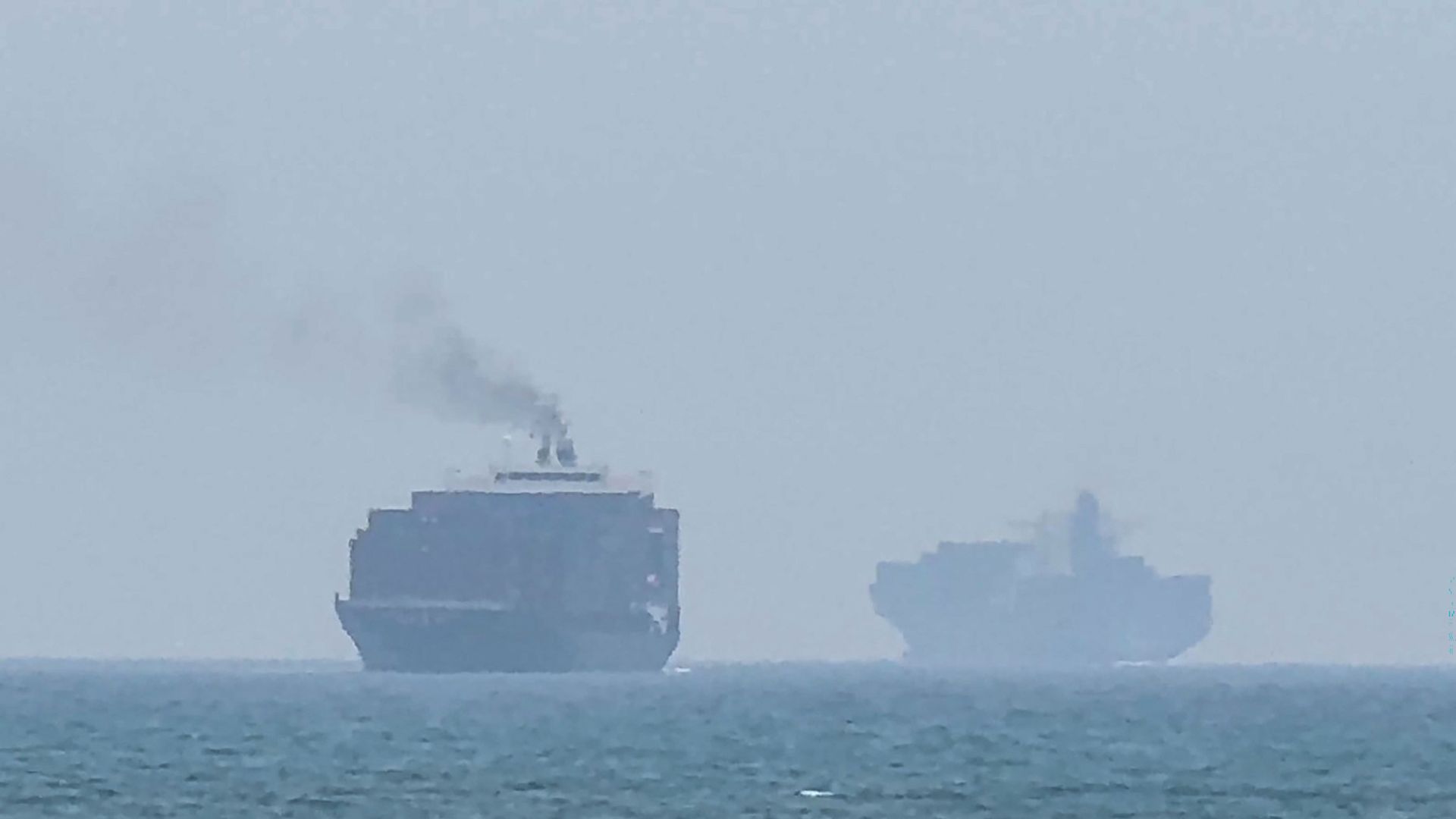
The price of oil popped to a one-month high, with Goldman Sachs warning of a rise back over $100 a barrel, after Iran hit two UAE oil tankers.
- Tehran threatened to halt all Mideast energy exports after the U.S. military reimposed a naval blockade on Iran.
⛽ Gas, which had been ticking down, is back up to a national average of $3.89 for a gallon of regular.
- 🚛 Diesel, vital to keep the economy moving, is pushing back toward $5 a gallon.
Between the lines: Shippers are balking at the Gulf, and refiners don't know if chartered cargo will arrive.
- Iran appears to be targeting the oil market's "lifeline" with its latest strikes.
The bottom line: Fuel, plastics and freight look like they're getting more expensive, with the fallout likely to keep hitting consumers in the months before November's midterms.
3. 🇦🇪 UAE's big bet on AI
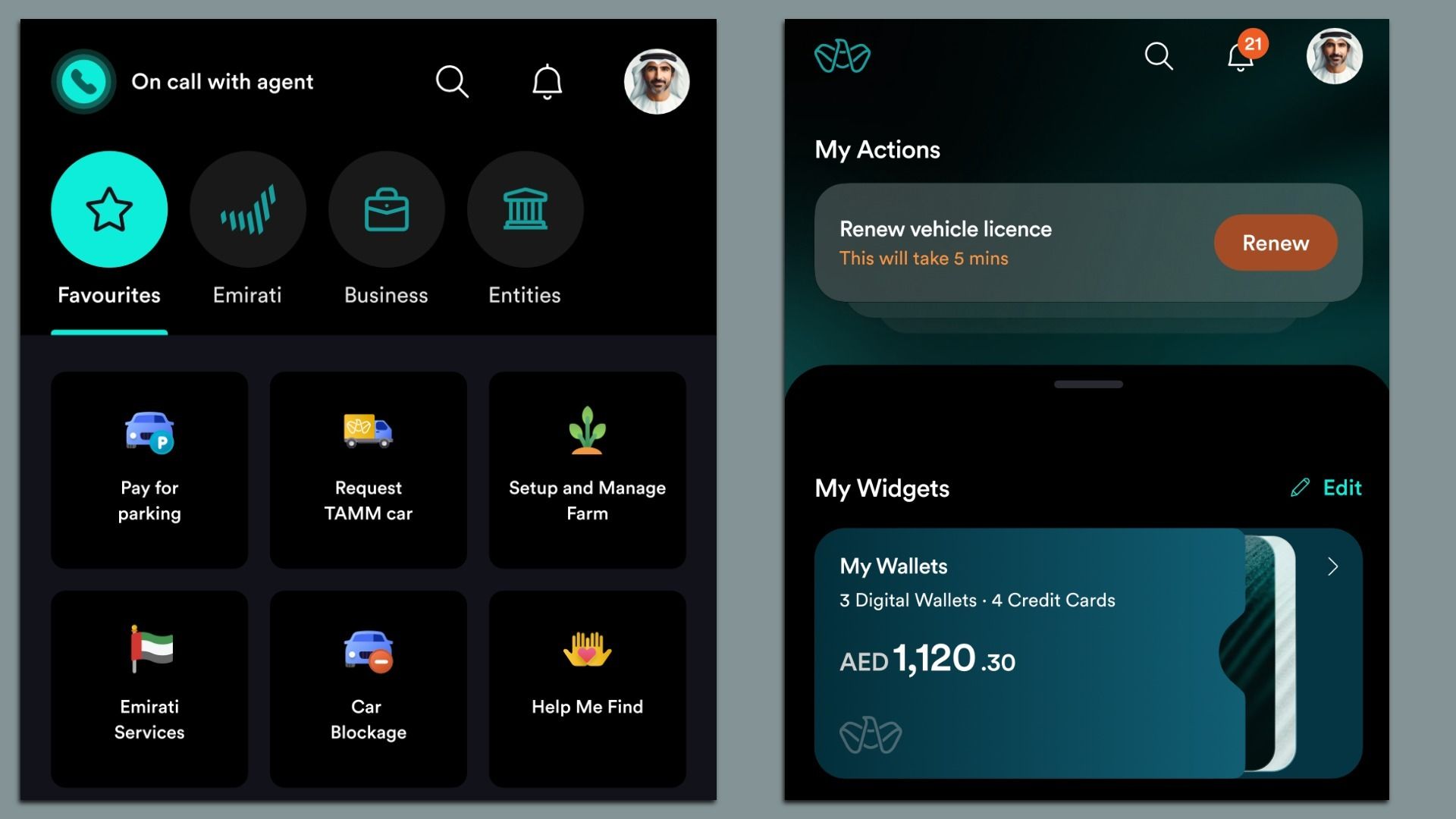
In Abu Dhabi, the largest emirate in the United Arab Emirates, AI is as much a part of daily life as reporting a pothole or making a doctor's appointment or paying a parking ticket — because AI does all that for you.
- The capital of one of the world's wealthiest and most globalized business hubs has near-universal adoption of an app that knows when you need to renew your national ID or health insurance or vehicle registration.
- The app's "AutoGov" feature goes a step further: It handles the paperwork and pays what's owed without being asked.
Why it matters: The UAE made a massive bet on AI, spending billions on infrastructure and research, backed by long-term thinking and alignment from top leaders. Before the war with Iran, the bet was paying off massively. "People make money here and bring money here," a UAE resident told Jim VandeHei and me when we visited just before the war.
- The war rattled the UAE's AI ambitions and stirred fears about visiting, given the constant threat of Iranian attack. UAE leaders tell us they remain all-in on AI: They're willing to work with both the U.S. and China, and see the technology as the key to their future beyond oil.
🖼️ The big picture: Yousef Al Otaiba, the UAE's longtime ambassador to Washington, told me his country "recognized early that data is destiny — and our leaders didn't wait for AI to arrive before preparing for it."
- The UAE appointed an AI minister (said to be the world's first) nearly a decade ago, in 2017. Two years later, it opened what's billed as the world's first graduate-level university dedicated to AI.
The UAE was built on oil. But leaders aggressively diversified into what The New York Times recently called "the ultimate globalized city — a Switzerland on the Persian Gulf."
- Dubai, the UAE's biggest city, is rollicking, wealthy and Western-friendly. It's one of the world's top business hubs and is home to the world's tallest building and the world's busiest international airport.
That prosperity is being tested by war. But business leaders tell us AI investments have kept the UAE powerful amid the danger and disruption plaguing the Persian Gulf.
- Last night, The Wall Street Journal reported that the Trump administration is rewarding the UAE for its help with the Iran war by expanding access to coveted AI chips, capping "a yearslong push by the Gulf state to obtain American technology to diversify its economy."
🥊 Reality check: This is as much opportunism as strategic vision. The UAE has an all-powerful royal family that controls government and business, allowing wholesale societal changes that couldn't be replicated in a democracy.
Zoom in: His Excellency Mohamed Al Askar, director general of TAMM, as the app is called, took me behind the scenes of Abu Dhabi's "AI-native government" in two lengthy interviews. He and the emirate's Department of Government Enablement host a parade of ministers from other governments who dream of replicating TAMM.
- "If you look at the UAE as a whole, this is rooted in our leadership vision," said Al Askar, a leader in digital strategy and technological innovation.
- "This has become part of our DNA," he added. "This is why I believe the UAE can be a haven for any entrepreneur who wants to test and experiment with AI."
4. 📸 Pics du jour
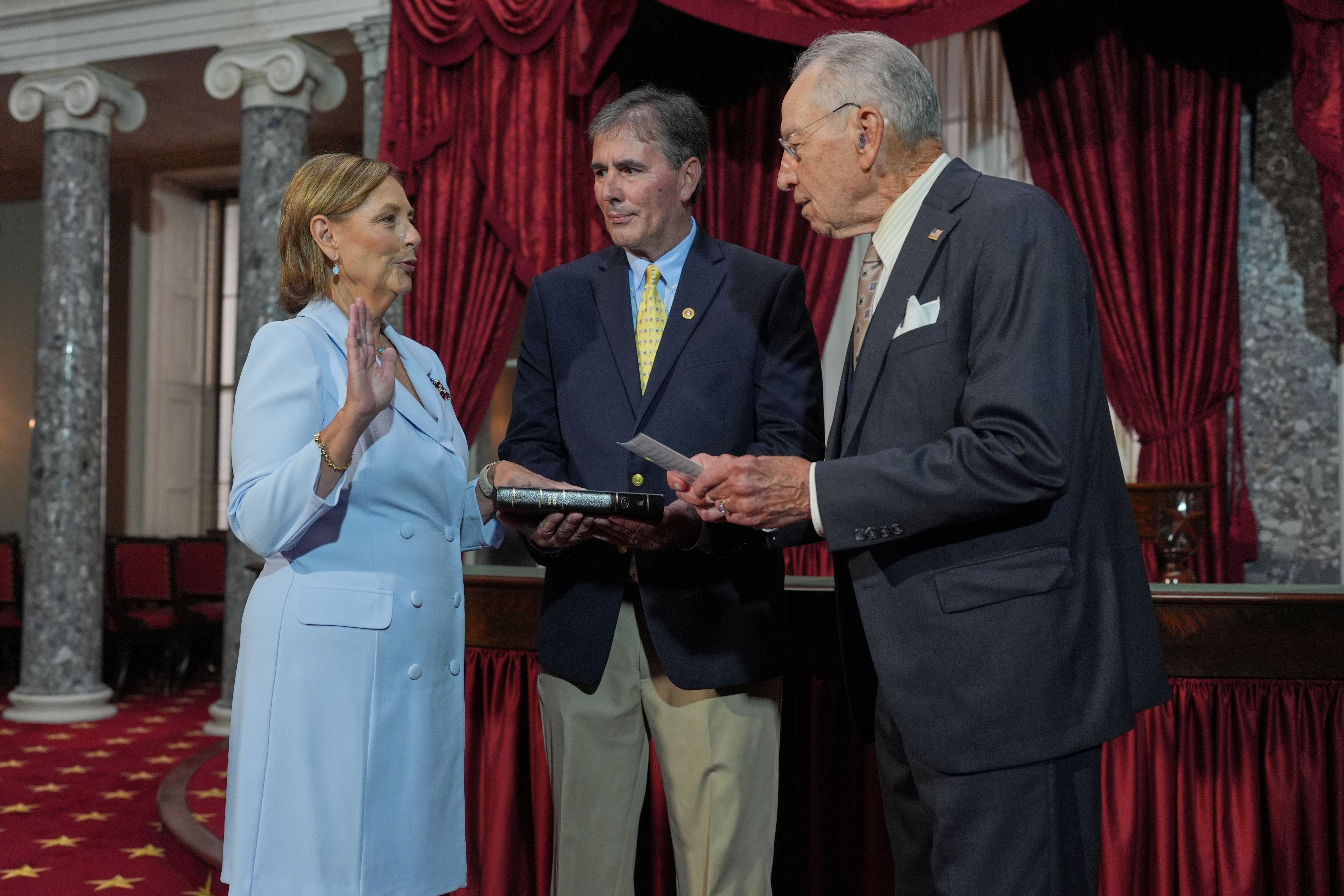
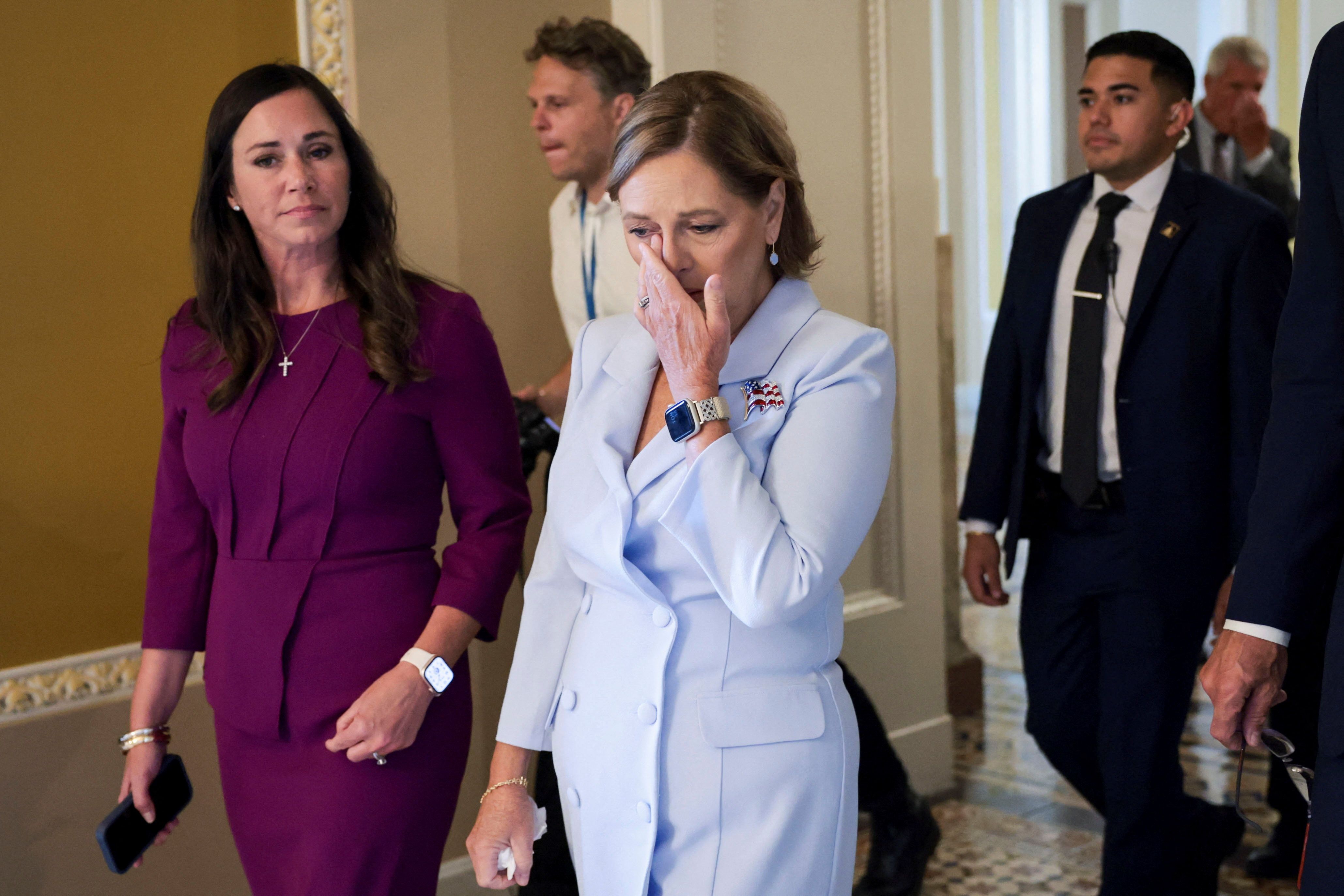
Darline Graham was sworn in to the Senate yesterday afternoon to fill the South Carolina seat of her late brother Lindsey Graham.
- She walked to her brother's desk and stood behind it as dozens of senators from both parties lined up to shake her hand or give her a hug.
5. 🤖 OpenAI's first device

OpenAI's highly anticipated push into consumer devices is expected to begin with a "mobile, screen-free smart speaker designed to be a new type of home computer for the AI era," Bloomberg's Mark Gurman reports.
- The company hopes to unveil it this year, with a 2027 release, though those plans could be delayed by Apple's lawsuit last week alleging OpenAI stole trade secrets to speed up development.
- Apple accused the ChatGPT maker of stealing trade secrets. But OpenAI believes the coming device "veers significantly from anything Apple has on the market today and that it's unlikely that it violates trade secrets belonging to the iPhone maker," Bloomberg reports.
🔎 Zoom in: OpenAI thinks the "product's defining feature will be its personality and ability to connect on a humanlike level with users."
- It will have a built-in camera and sensors so it can see and understand its surroundings.
🍎 The intrigue: Former Apple design chief Jony Ive's studio is helping build the device after OpenAI's $6.5 billion acquisition of his hardware startup last year.
Keep reading (gift link).
6. ⚠️ Anthropic hiring anti-catastrophe team

Anthropic has warned that its technology could end civilization. Check out its latest job listings to understand how.
- Why it matters: Anthropic has 32 very scary job openings for roles designed to prevent people from using AI to build everything from homemade explosives to nuclear weapons, Axios' Madison Mills and Maria Curi write.
Safety analyst roles require being able to think like someone trying to evade detection, the company says. They stress-test the models accordingly, fixing vulnerabilities.
- Anthropic is hiring analysts focused on chemicals and explosives, nuclear weapons, financial scams, cybercrime and more.
- One job description reads: "As an Enforcement Analyst focused on Radiological & Nuclear Harms, you will play a critical role in protecting against the misuse of AI systems for radiological and nuclear harms."
7. ⚡ Data center fight's new blueprint

New York Gov. Kathy Hochul's first-in-the-nation data center moratorium could provide a playbook for Democrats confronting one of the most heated issues of the midterms, Axios' Maria Curi writes.
- Why it matters: Data centers have become a lightning rod across the country, and Hochul is testing how far Democrats can go on it.
🔭 Zoom out: The backlash against data centers — and the political response — isn't limited to blue states.
- Texas Gov. Greg Abbott (R) recently called for a ban on new AI data centers in rural neighborhoods and requiring the industry to shoulder more of its infrastructure costs.
8. 🦖 1 fun thing: T. rex record
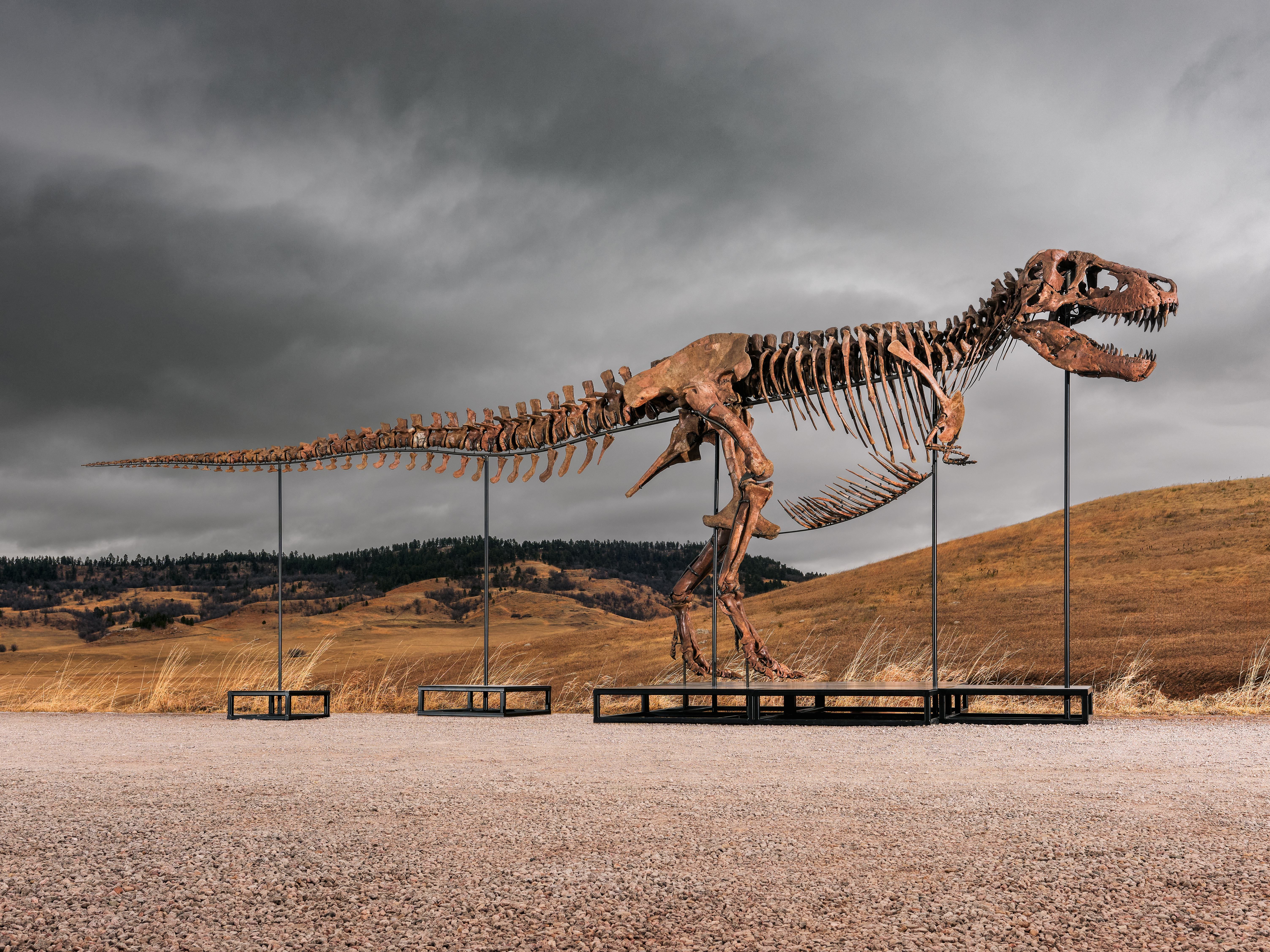
A Tyrannosaurus rex fossil billed as one of the world's largest and most complete specimens was sold for $50.1 million yesterday to a mystery bidder.
- Sotheby's said the 67-million-year-old fossil, nicknamed "Gus," is now the most expensive set of dinosaur bones ever auctioned.
- The specimen — about 61% complete — measures 12½ feet tall and 38 feet long.
📬 Thanks for reading! Please invite your friends to join AM.
Sign up for Axios AM