Axios AM

August 14, 2026

1 big thing — Exclusive: New Bibi, Trump rift
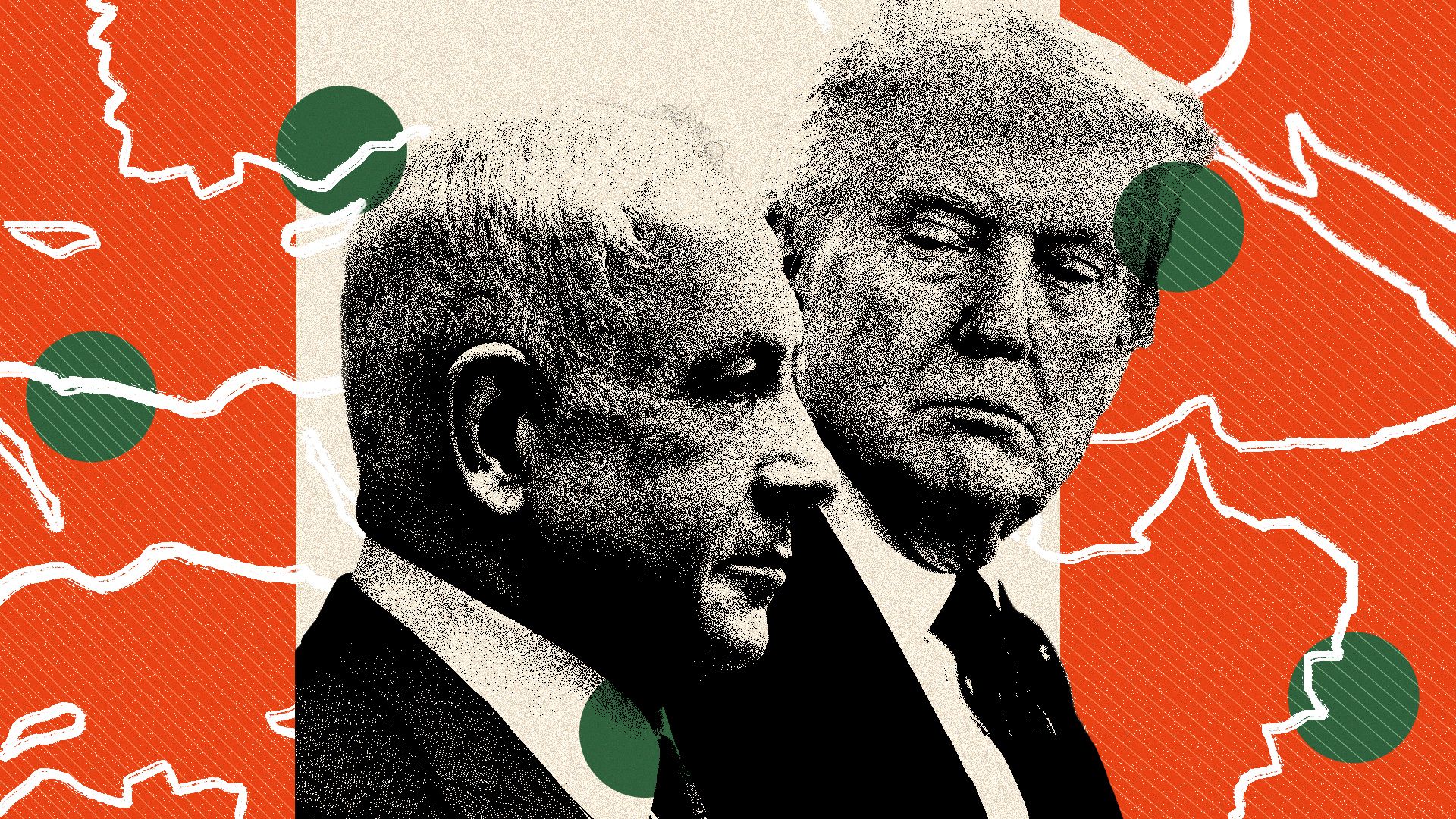
Axios' Barak Ravid, who has closely covered President Trump's relationship with Bibi Netanyahu and Israel going back to the 2016 election, writes:
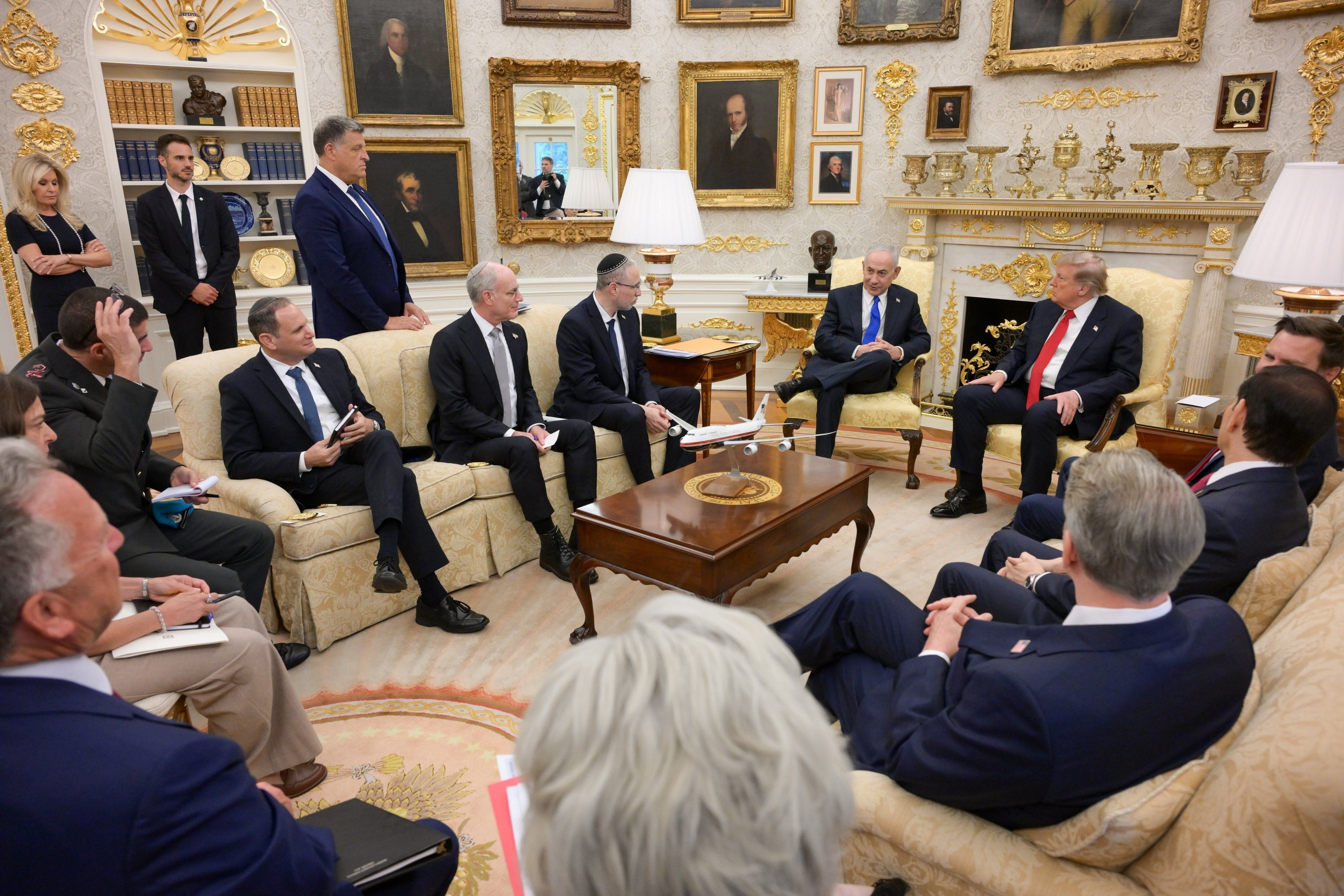
When Benjamin Netanyahu and Donald Trump met in the Oval Office two weeks ago, the president asked the Israeli prime minister how he was doing in the polls ahead of the Oct. 27 election.
- Netanyahu paused. Then one of his advisers piped up: "Mr. President, he is winning," the aide said, according to a U.S. official familiar with the exchange.
Why it matters: Netanyahu isn't winning. And Bibi wants an endorsement from Trump, who so far hasn't given it, despite being asked about it repeatedly by reporters. That White House scene, first reported here, captures the tension.
- The president could still change his mind. But with just 74 days left until Israel's election, time is running short for Netanyahu.
🖼️ The big picture: In the first few weeks of the war in Iran, some of Trump's close advisers were confident he would endorse Netanyahu.
- But as time passed and the war bogged down, the two men's foreign policy goals — and their domestic political interests — started to diverge.
- More and more daylight has opened between them over the last three months — not just on Iran, but on Lebanon and Gaza as well.
Two senior U.S. officials said that while Trump likes Netanyahu on a personal level, he's been frustrated by his decisions and policies.
- "Bibi is his own worst enemy," Trump said, according to two people who spoke to the president about Netanyahu recently.
Behind the scenes: Several Netanyahu political adversaries have expressed concern that Trump will endorse the incumbent leader, two of their aides told Axios.
- According to two sources with knowledge of the outreach, those opposition figures back-channeled messages to Trump and his aides through mutual friends, donors and other political allies, urging the president to remain neutral.
- A former U.S. official briefed on the situation claimed that Netanyahu's weakness in polls has deterred Trump from getting involved.
The intrigue: Trump was asked by reporters four times in recent weeks whether he endorses Netanyahu. Each time, he has stopped short of doing so.
- In several recent interviews, Trump praised Netanyahu for being a "great wartime prime minister," but each time referred to him in the past tense.
👀 What to watch: The Israeli election is crucial for Trump's Middle East agenda for his final two years in office, especially with the Iran crisis in a "no deal, no war" limbo.
- Trump also wants to push forward his Gaza peace plan, make progress in negotiations between Israel and Lebanon, cinch a security agreement between Israel and Syria and, most importantly, broker a historic peace deal between Israel and Saudi Arabia.
2. 🤖 OpenAI sheds execs in pre-IPO refresh

3. 🌾 The new rural America


The U.S. is projected to become majority-minority in 2046, but hundreds of rural pockets have already crossed that demographic threshold, an analysis by Axios' Russell Contreras and Erin Davis finds.
Why it matters: The evolving face of rural America, driven both by immigration and increased mobility, has invigorated communities, increased their diversity — and presented new challenges.
- The shifts are putting unprecedented pressure on rural schools, courts, health departments and election offices, which often are cash-strapped with limited personnel.
🧮 By the numbers: An Axios analysis of federal data finds that 403 U.S. counties — roughly 12.8% of the national total — already are majority-minority.
- That includes 221 "non-metro counties" and 182 counties in urban and suburban metro areas.
State of play: Texas leads the nation with 57 rural majority-minority counties — all Hispanic along the Southwest border and into the oil-rich Panhandle. Mississippi has 25 such counties, followed by New Mexico with 18, Georgia with 17 and Alaska with 15.
4. 🖼️ Rubio's meme gift
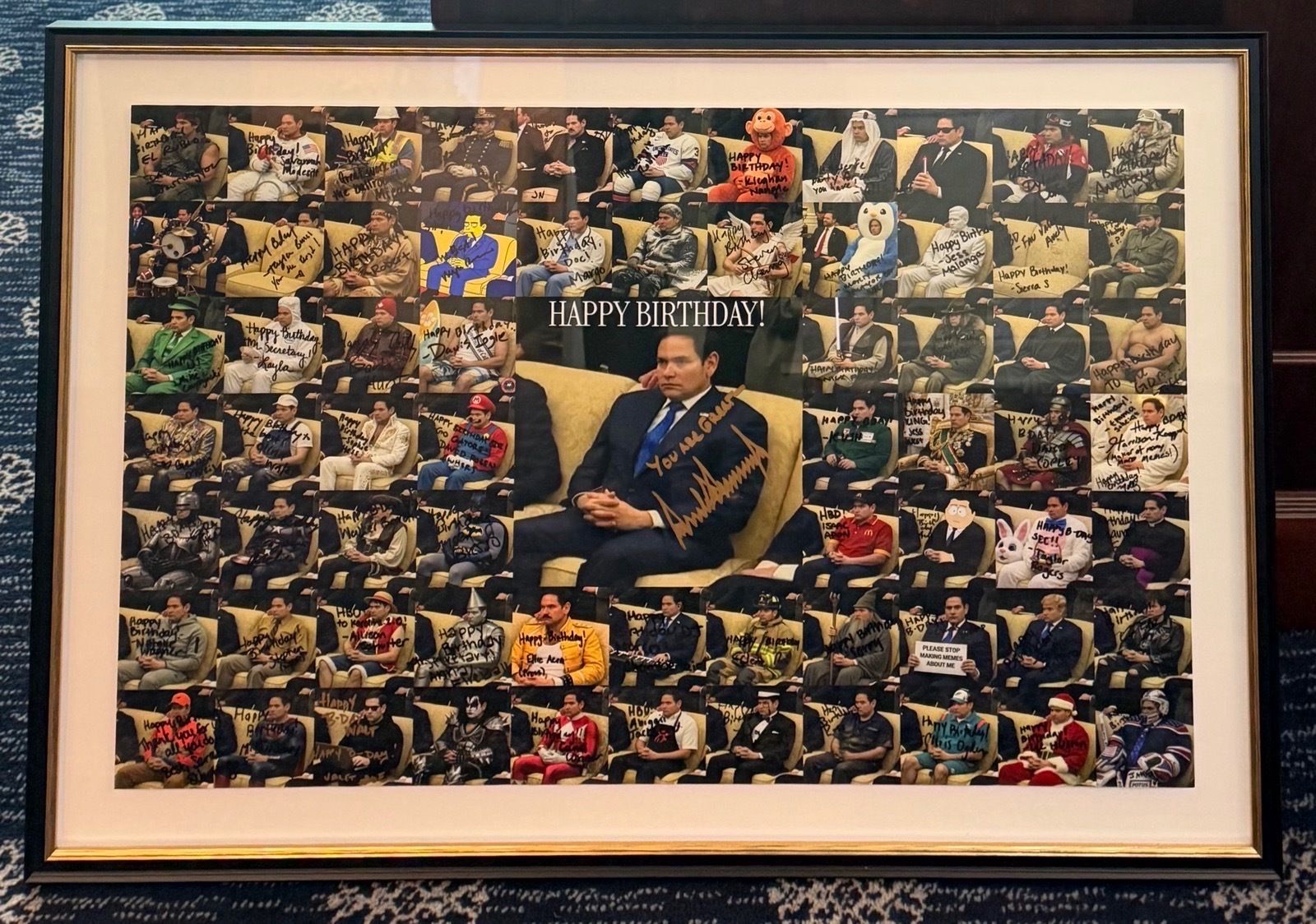
For his 55th birthday earlier this year, White House staffers and President Trump gifted Secretary of State Marco Rubio with a gold-framed collage of their 68 favorite "Rubio Realizing" memes, Axios' Marc Caputo writes.
- The memes are based on a photo from one of the most awkward moments in the Trump White House, when the president and Vice President Vance excoriated Ukrainian President Volodymyr Zelensky over the war with Russia last year.
📸 The backstory: Rubio showed the picture to Marc in early August before an exclusive interview about how he's approaching Cuba policy.
- Rubio had not yet hung it on the wall in his White House office, where it sat on a couch — an unwitting meta reference to the meme's underlying photograph of him sitting on a sofa.
5. 🗳️ AI scrambles political map
6. 🫧 AI perception bubble

7. ⚡ Scoop: Key national security aide leaves White House
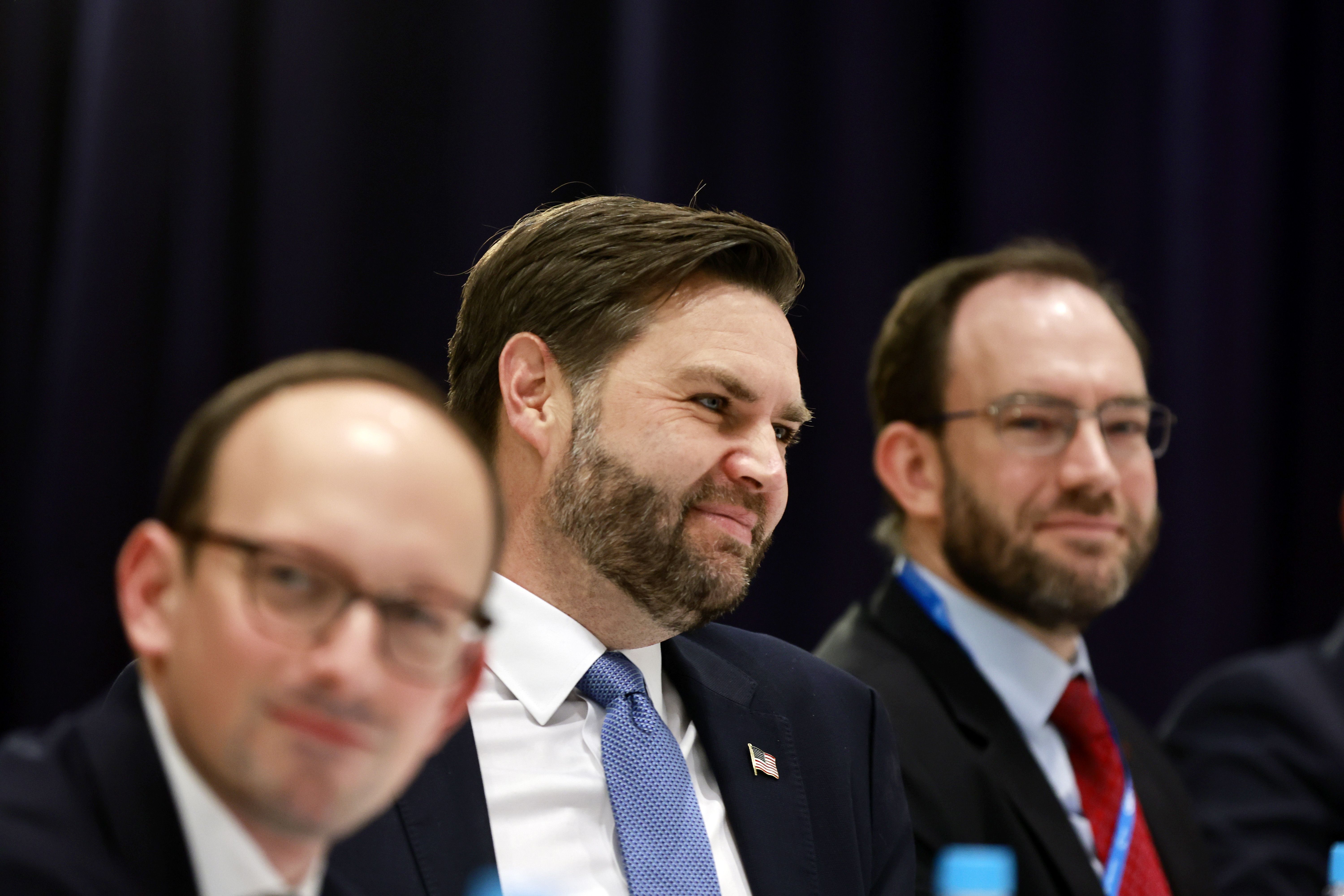
White House deputy national security adviser Andy Baker is leaving the administration in the coming weeks, Axios' Barak Ravid and Marc Caputo report.
- Why it matters: Baker, who also served as national security adviser to Vice President Vance, was among the staffers most central to the administration's foreign policy and national security decision-making over the last 18 months.
Cliff Sims, who succeeded Baker as Vance's national security adviser earlier this summer, will continue in that role. Mike Needham will continue as White House deputy national security adviser.
- Baker is expected to work in the private sector with Robert O'Brien, one of President Trump's national security advisers during his first term.
8. 📝 1 pic to go
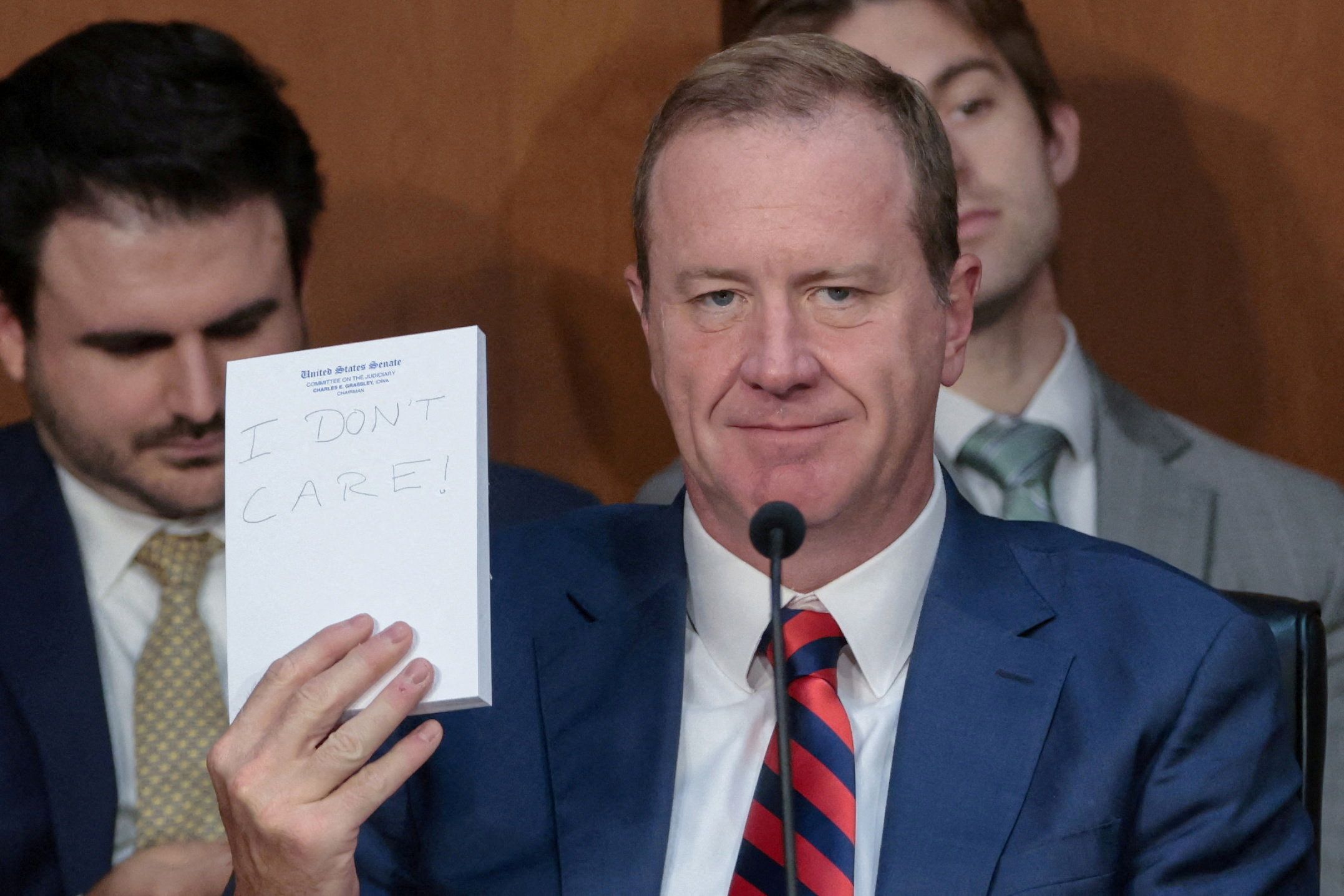
Sen. Eric Schmitt (R-Mo.) holds up a handwritten note — "I DON'T CARE!" — as Sen. Cory Booker (D-N.J.) argues against Attorney General Todd Blanche's nomination before the Senate Judiciary Committee vote earlier this month.
- Watch: What Booker said.
Axios AM