Axios AM

November 21, 2026

1 big thing: Month that changed the market
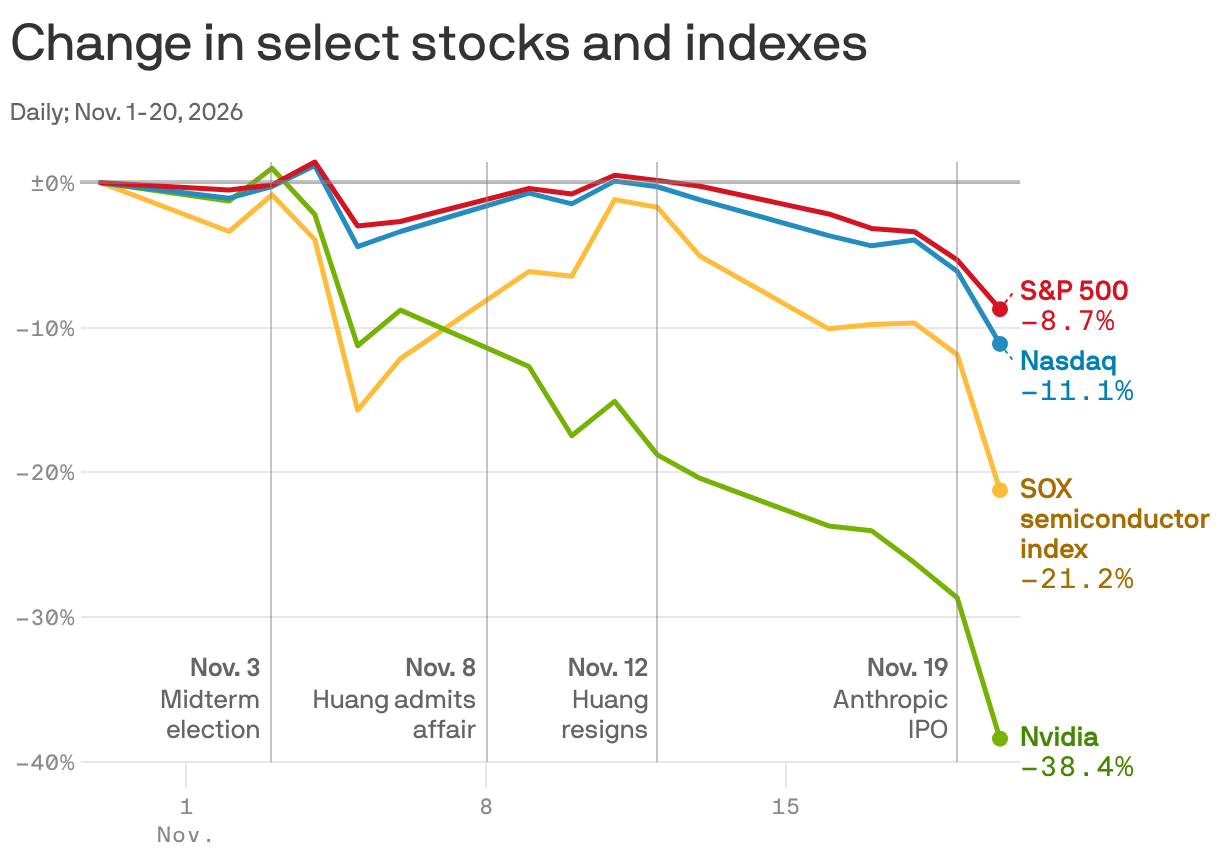
As stocks limp to the end of a terrible, horrible, no good, very bad month, the AI trade is in uncharted and highly uncertain new territory.
- Why it matters: AI exuberance has been driving markets and the economy for the past several years — so it's difficult to overstate the change in the investment environment over just the last few weeks, Axios' Emily Peck and Matt Phillips write.
😨 By the numbers: The tech-heavy Nasdaq is down 11.1% since Nov. 1. Both the Nasdaq and the S&P 500, the benchmark stock index, are now in correction territory — meaning down more than 10% from their most recent highs.
- The closely watched SOX semiconductor index, which tracks many of the high-flying chip stocks that supercharged markets, is down 21.2% over that same period.
- Nvidia, the premier stock of the AI trade, is down a shocking 38.4% this month. The stock closed at $125.53 yesterday. In May, it was trading at more than $220.

Catch up quick: AI fever was already starting to break heading into November, and then three major headwinds appear to have crushed the vibes.
- 🗳️ Americans voted overwhelmingly for AI-skeptical candidates and ballot measures constraining data center construction.
- 👀 Nvidia CEO Jensen Huang, who helped fuel the AI infrastructure boom by extending a range of unorthodox financial lifelines to smaller, heavily indebted AI players, resigned amid scandal.
- 🤖 AI lab Anthropic listed its shares in the biggest offering of all time. The widely watched milestone failed to lift investor sentiment on tech, and shares continued to tumble.
2. 🏛️ Congress gets a huge makeover
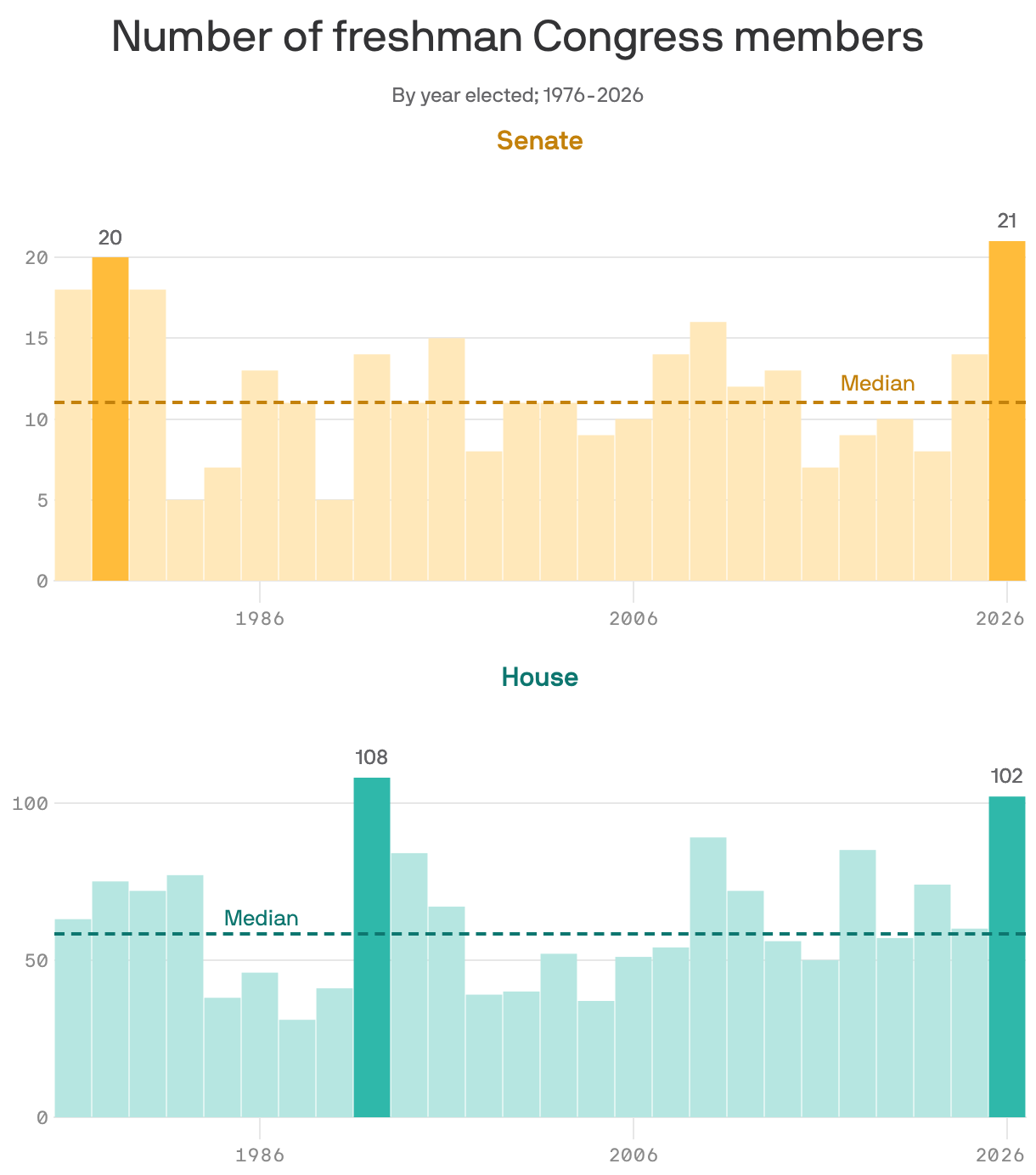
Americans want change, and they're about to get it: A perfect storm of congressional retirements, primary upsets, gerrymandering, flipped seats and lawmakers who died in office has created the biggest freshman class in decades, Axios' Justin Green and Kathleen Hunter write.
- Why it matters: Congress had a 14% approval rating (not a typo) when Gallup polled registered voters in October. That's its lowest pre-midterm number since 1974.
The big picture: The Senate is on track for its biggest freshman class since 1946. In the House, it's shaping up to be the biggest since 1992.
- Congress is saying goodbye to former House Majority Leader Steny Hoyer (D-Md.), Senate Minority Whip Dick Durbin (D-Ill.), former Senate GOP leader Mitch McConnell (R-Ky.) and former Speaker Nancy Pelosi (D-Calif.).
- They've been in Congress since 1981, 1983, 1985 and 1987, respectively.
3. 💡 Optimistic gift for young people

4. 🏎️ Stat du jour: GTA shatters records

Grand Theft Auto VI generated $3.79 billion in preorder and Day 1 sales, marking not just the most lucrative video game debut ever, but likely the biggest launch of any creative work in the history of entertainment, Axios' Sara Fischer reports.
- GTA VI netted more in its debut than the highest-grossing movie ever, "Avengers: Endgame," has earned in its lifetime ($2.9 billion).
5. ⛽ Driving through the pain
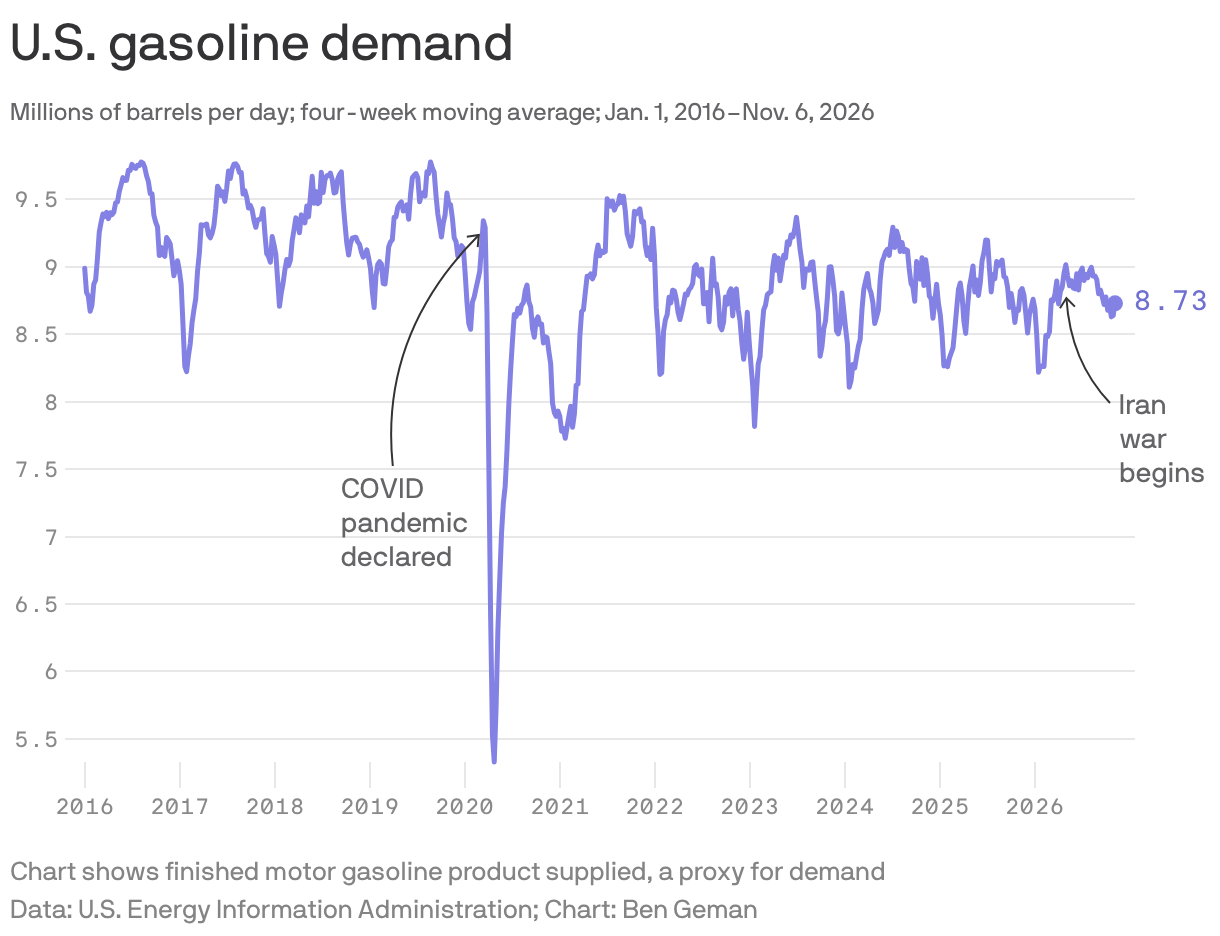
High gas prices swayed voters, but haven't kept Americans off the roads.
- Why it matters: Most driving isn't especially optional. So people are just absorbing the cost, Axios' Ben Geman reports.
By the numbers: The Energy Policy Research Foundation finds that American households spent $300 to $730 more on gas from March through August than during the same period last year.
- But there's "no discernible evidence of a decline in gasoline consumption," UC Berkeley energy economist Lucas Davis writes. "Drivers may talk about cutting back, but studies in the economics literature consistently find that gasoline demand is inelastic in the short run."
6. 🦾 Anthropic savant says he solved math's most famous problem

7. ☎️ Talkin' turkey
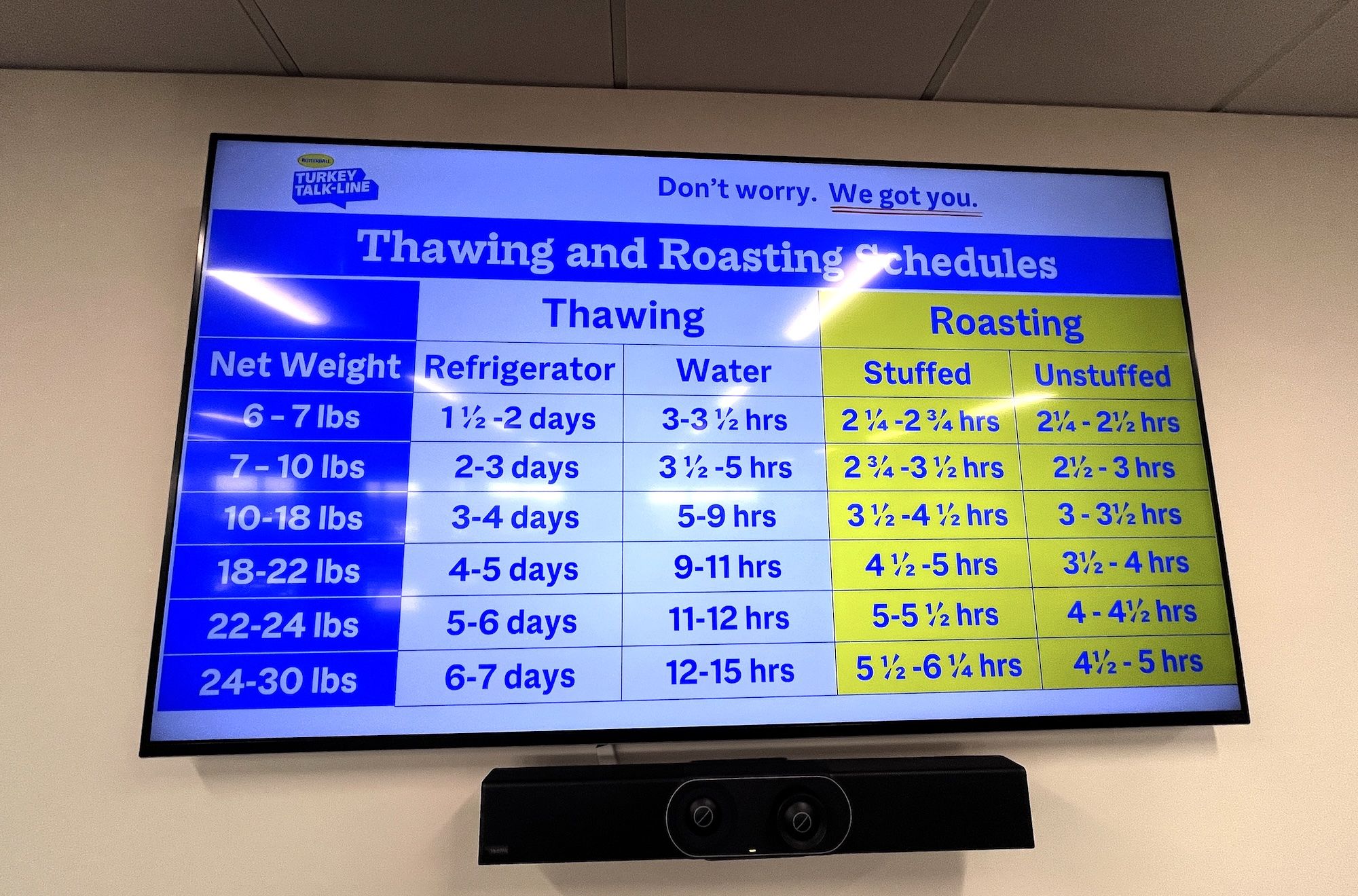
Since 1981, the Butterball Turkey Talk-Line in Naperville, Ill., has answered millions of harried, frustrated and emotional calls (and now texts and chats) with urgent questions about cooking the turkey.
- The talk line opens at the beginning of November and runs through Christmas Eve every year.
🍗 The talk line started with six home economists on phones with Rolodexes of answers. Now it's about 60 people with earpieces and laptops.
- Everyone who works there has some food-related degree or training, including chefs, dietitians, food scientists and food stylists, reports Axios Chicago's Carrie Shepherd, who visited the call center this week.
🧊 The No. 1 query? "Some kind of thawing question," talk line supervisor Jessica Romanowski says.
- Others: "How do I thaw my turkey? ... How long will it take to thaw my turkey? ... Why isn't my turkey thawed yet? ... Oh no, I forgot to start thawing my turkey. How do I do it?"
8. 🍼 1 for the road: Bots name babies

Axios AM