Axios AM

February 28, 2025

1 big thing: Trump's new world order
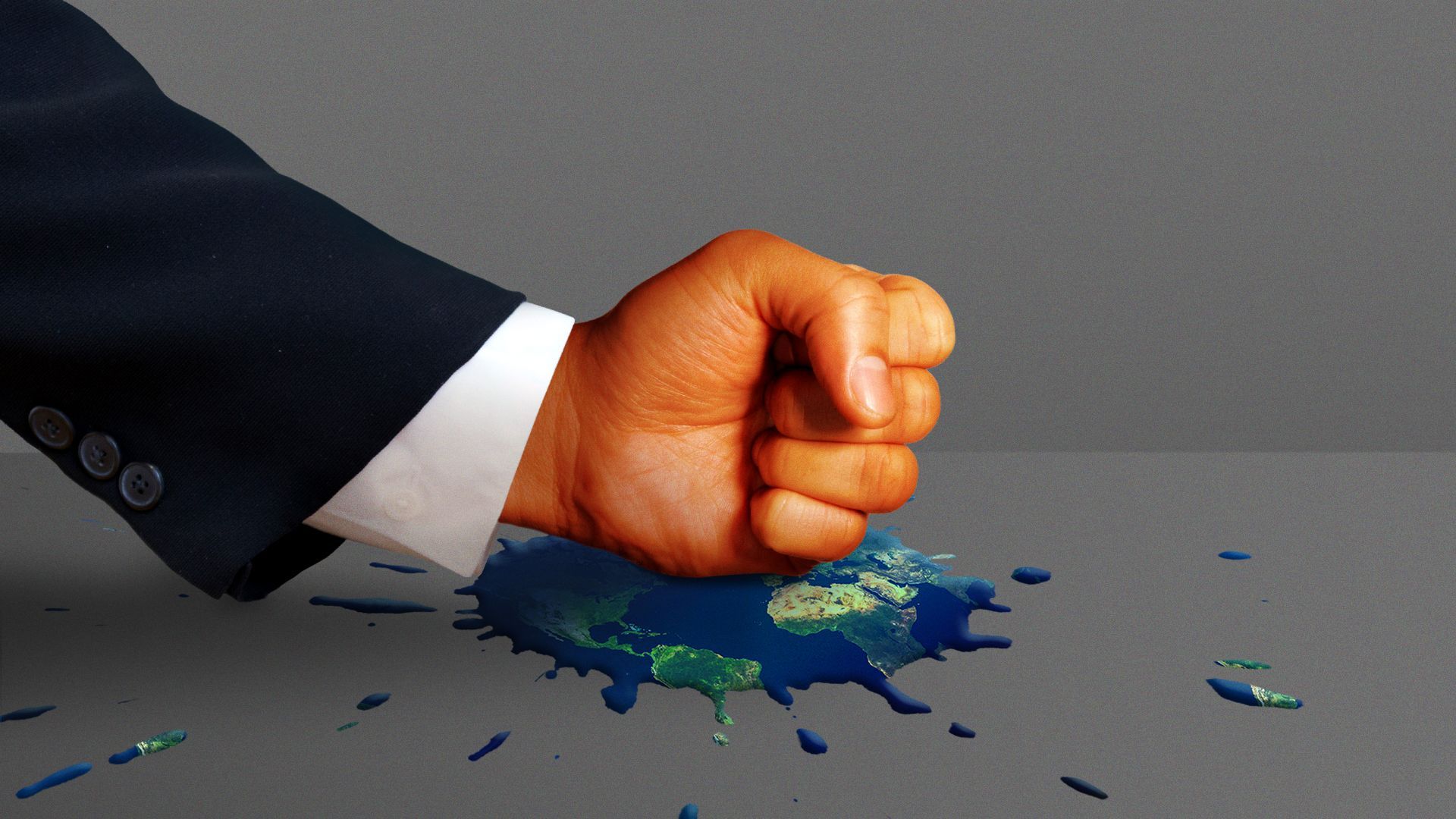
The international order forged after World War II is imploding, squeezed on all sides by the return of strongmen, nationalism and spheres of influence — with President Trump leading the charge, Axios' Zachary Basu writes.
- Why it matters: Trump is openly scornful of international institutions and traditional alliances. Instead, he sees great opportunity in a world dominated by superpowers and dictated through dealmaking.
🖼️ The big picture: Trump's approach is based, according to U.S. officials, in "realism" — and the belief that "shared values," international norms and other squishy concepts can never replace "hard power."
- "The postwar global order is not just obsolete," Secretary of State Marco Rubio declared at his confirmation hearing last month. "It is now a weapon being used against us."
Where the U.S. once helped enforce global norms, such as on trade, Trump is undercutting them.
- Trump's first term posed newfound threats to 20th-century alliances and structures — NATO, the World Trade Organization, even the UN.
- A second Trump term could render them virtually obsolete.
🔬 Zoom in: The frailty of the rules-based order was exposed this week on the preeminent global stage built to support it.
- At the UN General Assembly on Monday, the U.S. voted against a resolution condemning Russia for invading Ukraine on the third anniversary of the war.
- It was the first time since 1945 that the U.S. sided with Russia — and against Europe — on a resolution related to European security, according to the BBC's James Lansdale.
- Nearly all other Western leaders see Russia as a rogue state and an aggressor. Trump sees a potential partner.
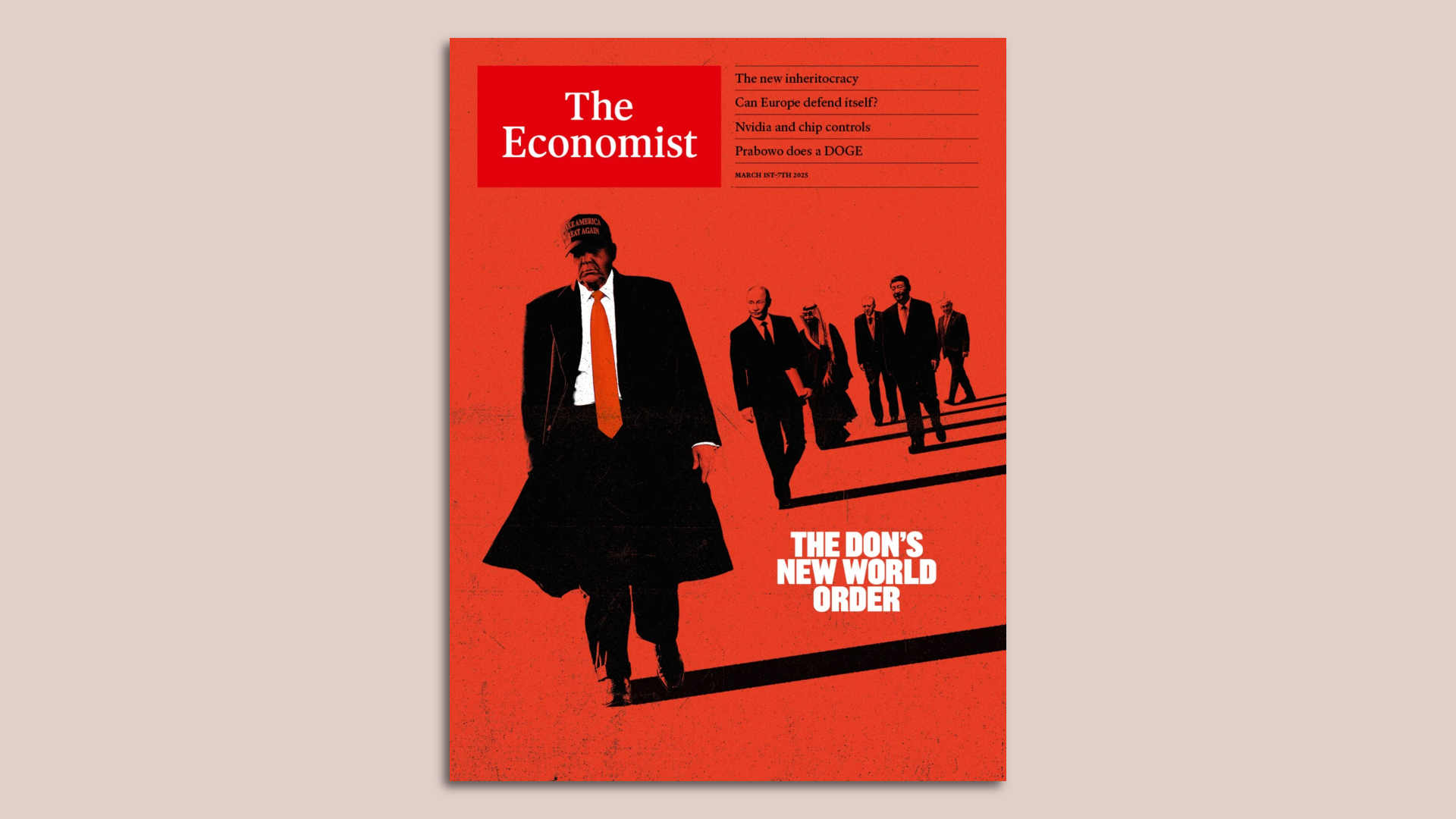
🔭 Zoom out: For Europe, which has relied on the U.S. to guarantee its security for the last eight decades, this isn't just a wakeup call. It's an existential challenge that throws the entire transatlantic alliance into question.
- Germany's conservative leader and chancellor-in-waiting, Friedrich Merz, said after his election victory Sunday that his "absolute priority" is to rapidly strengthen Europe so it can "achieve independence from the USA."
👓 Between the lines: In today's multipolar world, the U.S., Russia and China are all racing to secure their strategic interests and solidify — or expand — their spheres of influence.
- Russian President Vladimir Putin dreams of reconstituting the Soviet bloc and has tried to do so by force — invading Ukraine and meddling in elections across the Western world.
- China, an economic and military superpower under Xi Jinping, is watching Ukraine carefully as it ponders whether to invade Taiwan and cement Xi's legacy through "reunification."
2. 🇺🇦 Trump's softer tone with Zelensky
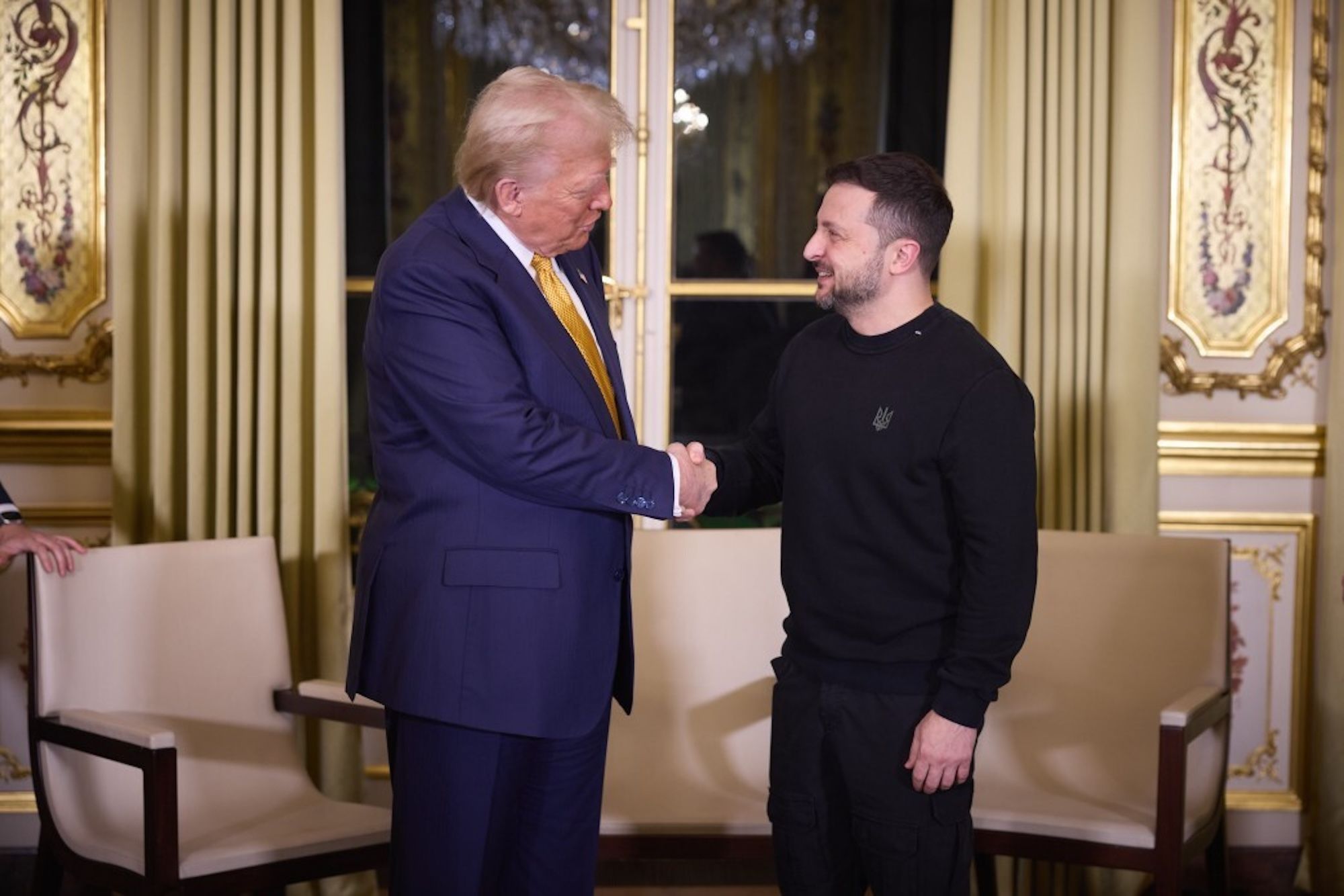
After two weeks of verbal attacks, President Trump softened his tone on Ukrainian President Volodymyr Zelensky ahead of a key meeting between the leaders today, Axios' Barak Ravid writes.
- Why it matters: Zelensky will visit the White House to sign an economic cooperation deal that gives the U.S. access to Ukrainian minerals and other natural resources, such as oil and gas.
🇬🇧 At the top of his meeting with British Prime Minister Keir Starmer yesterday, Trump admitted his relations with Zelensky became "testy" over the last few weeks. But Trump walked back calling him a "dictator without elections" last week.
- "Did I say that? I can't believe I said that. Next question," Trump said.
Trump was later asked the same question during a press conference with Starmer and dodged it.
- "We will have a very good meeting tomorrow morning — I have a lot of respect for him," he said of Zelensky.
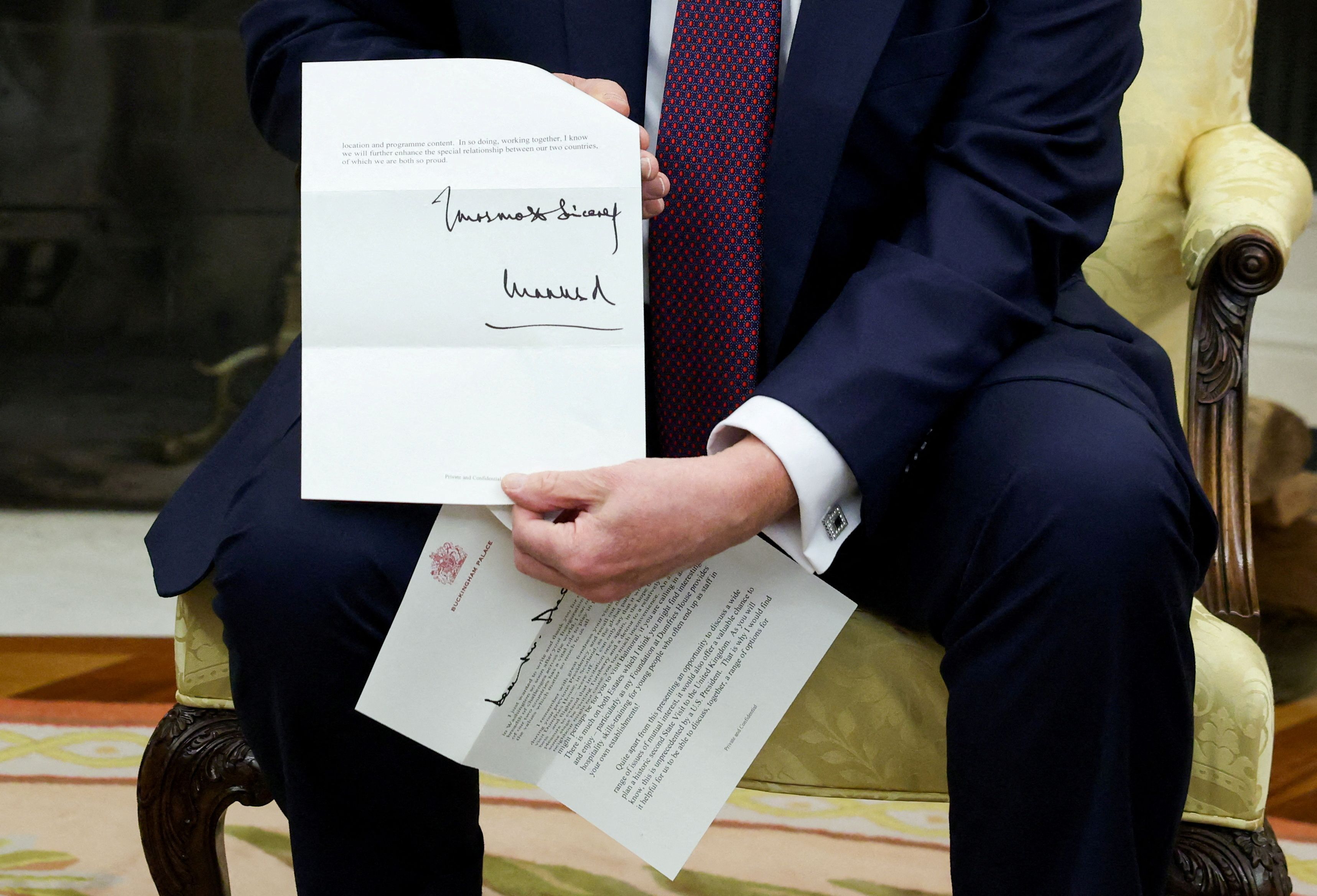
💬 P.S. In an interview yesterday, the EU's top foreign policy official, Kaja Kallas of Estonia, told Barak it's "very uncomfortable to see American leaders repeating the Russian narratives and the Russian speaking points and also giving Russia what they want." (Full interview.)
3. 🤖 OpenAI's era-ending model

4. 📉 Charted: Bitcoin slump


The recent blowout in bitcoin accelerated overnight — and the original cryptocurrency is now down 25% from the all-time highs it set the day President Trump was inaugurated, Axios' Ben Berkowitz writes.
- Why it matters: Trump was supposed to be the crypto president, ushering in a new era of deregulation and national support. Instead, the market has dropped.
🔢 By the numbers: Bitcoin briefly broke below $80,000 overnight, a decline of nearly $30,000 from the highs it set in January.
- Such cycles, where bitcoin loses half its value or more over a period of a few months, are actually pretty common.
Between the lines: In any market, selling sometimes begets selling, and that's especially true with cryptocurrencies, Axios' Pete Gannon and Brady Dale write.
- It's not just bitcoin. Trump's own official meme coin is getting crushed in the market rout — losing 80% of its value since he took office.
Go deeper: The market slump ... Get Axios Crypto.
5. 🎤 Scoop: Vance to headline D.C. tech summit
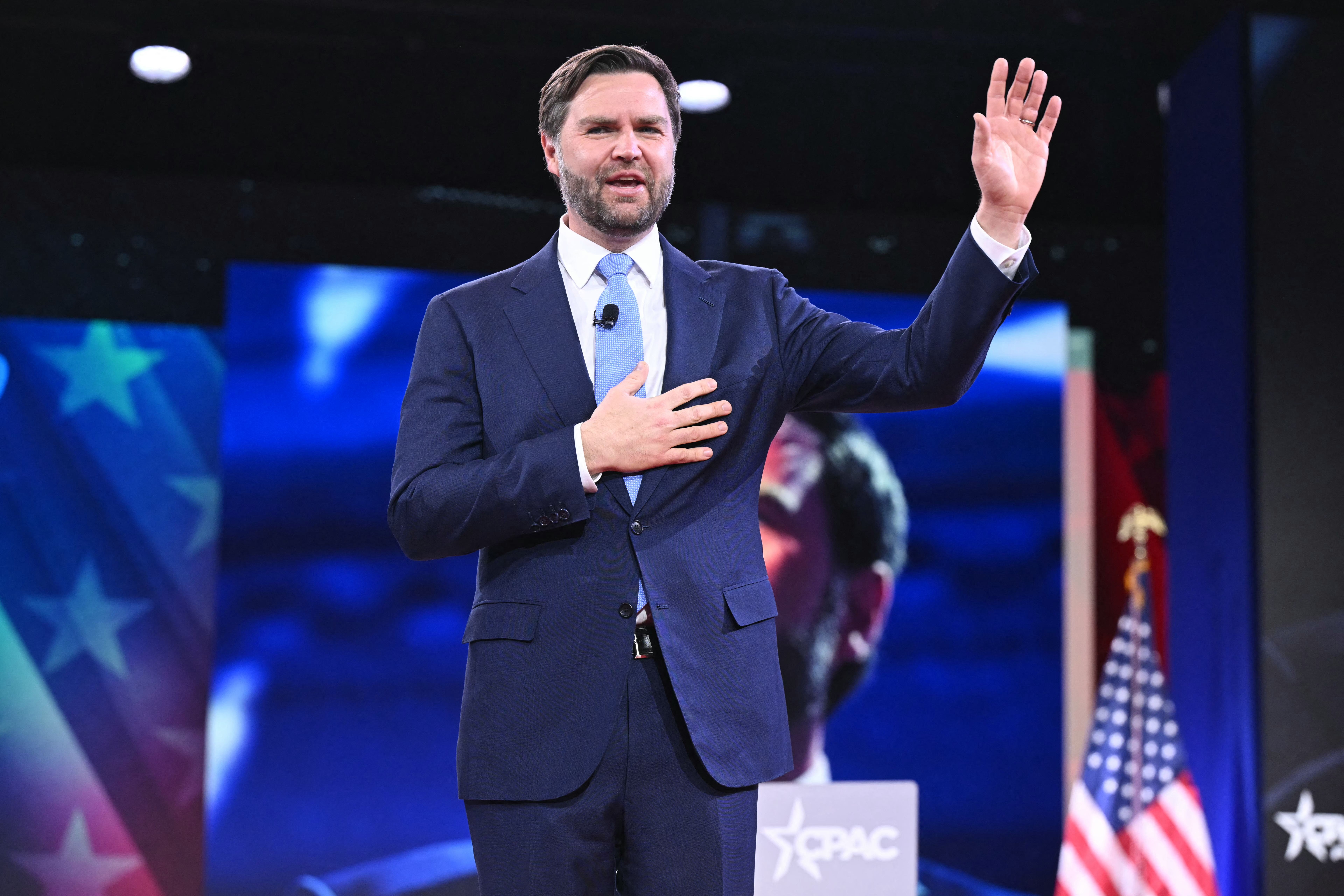
Vice President Vance will give a keynote address at a tech summit in D.C. next month, underscoring the Trump administration's focus on AI and advanced computing, Axios' Marc Caputo writes.
- Why it matters: Tech influence in federal policy now rivals or exceeds Wall Street's.
Vance, a former venture capitalist, has helped draw Silicon Valley closer to the nation's capital than ever before.
- He's a laissez-faire evangelist for American tech dominance. "Excessive regulation of the AI sector could kill a transformative industry," Vance warned Europeans in a speech earlier this month.
- It's a message he'll likely drive home on March 18 at the third annual American Dynamism Summit, organized by the venture capital firm Andreessen Horowitz.
6. 🌡️ Mapped: Where spring's getting warmer

Spring is getting warmer overall and featuring more unusually hot days in most U.S. cities, Axios' Andrew Freedman writes from a new analysis.
- Why it matters: Warmer springs can worsen allergies and cause early snowmelt, which imperils summer water resources and heightens wildfire risks.
🧮 By the numbers: Nonprofit climate research organization Climate Central examined 55 years of U.S. temperature data and found that 97% of the 241 cities analyzed saw a warming trend for the season.
7. 🕶️ Coming from Evan Osnos: Field guide to the ultra-rich

8. 🏛️ 1 fun thing: Rare Pompeii discovery
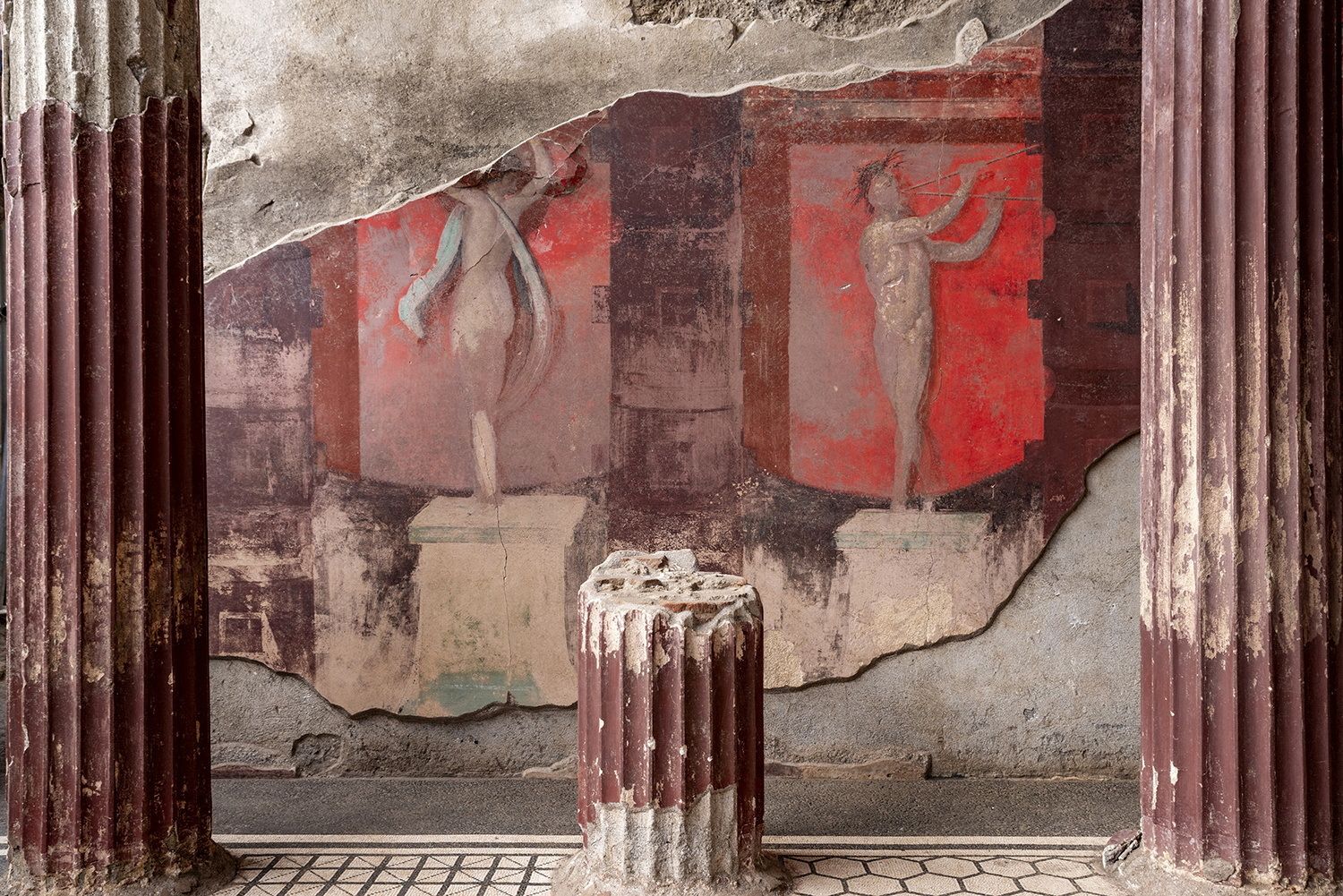
Archaeologists uncovered an almost life-sized frieze in Pompeii that offers "fresh insight into religious practices in the ancient city before it was destroyed by Mount Vesuvius."
- The rare artifact, dating to 40-30 B.C., depicts the procession of Dionysus — the Greek god of wine — with hunters and dancers, Reuters reports.
Axios AM