Axios AM

April 28, 2026

1 big thing: Trump's Cold War

2. 👴 CEOs get older


It's not just Congress. The corner office is graying, too, with the average American CEO now 61, up from around 51 in 2000, Axios' Emily Peck writes.
- Why it matters: A new study finds that older leaders tend to manage businesses that grow more slowly and are less likely to radically innovate. But they also appear to be more sought after in uncertain economic times.
💡 One finding from the database of more than 50,000 leaders: Smaller, privately held companies are more likely to hire older leaders.
- Bigger corporations are more able to promote from within — as Apple just did, replacing 65-year-old Tim Cook with 50-year-old John Ternus, starting Sept. 1.
- Leaders at the biggest companies (S&P 500 CEOs) are a bit younger, 58.5 on average in 2023, Bloomberg notes — up from 56 in 2000.
👀 The intrigue: This trend isn't simply a matter of leaders sticking around longer. The average age of a CEO when they nab the job rose to 55 from around 47.
3. ⚖️ Timeline of the attack
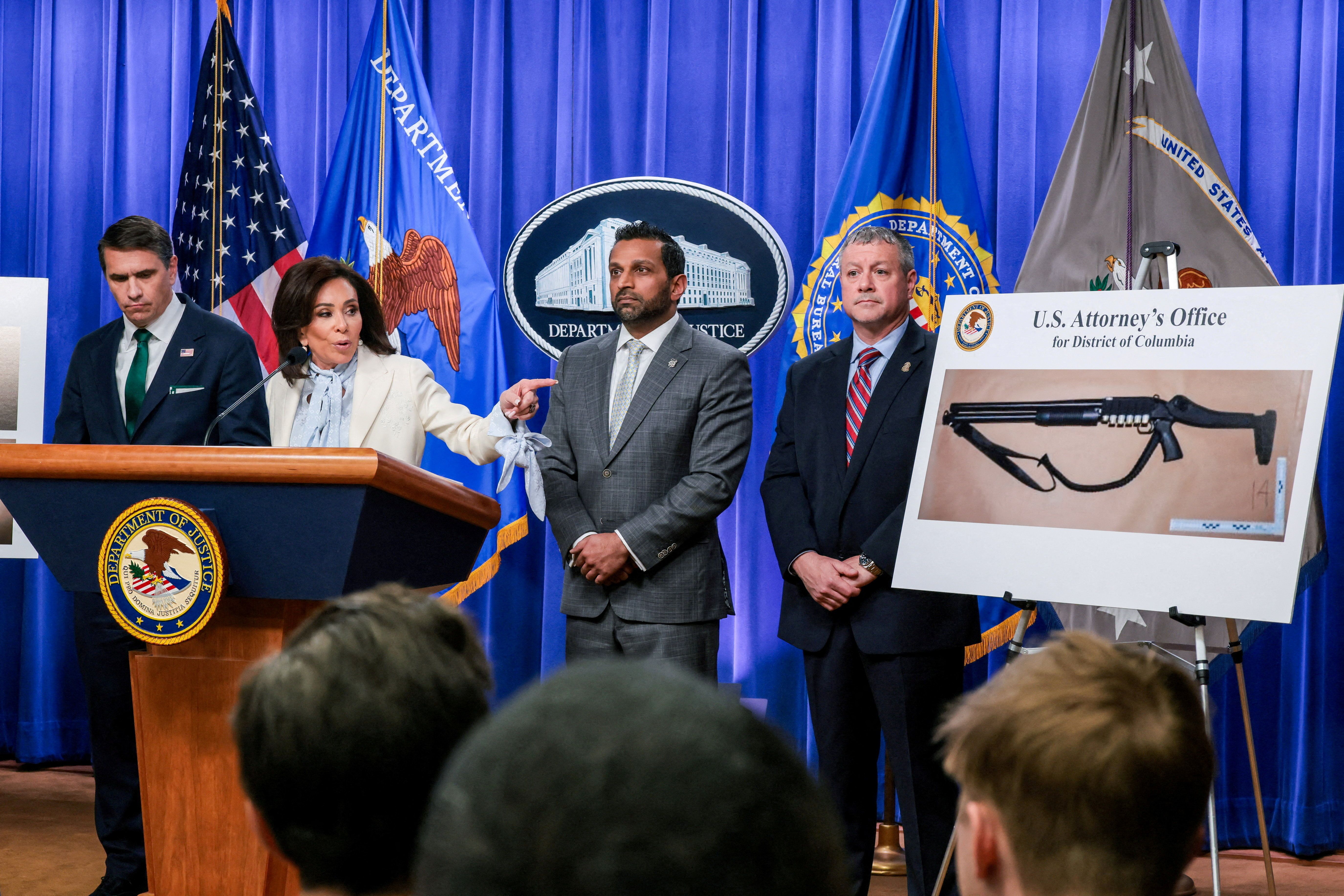
This timeline emerged yesterday from new court filings on Saturday's shooting at the White House correspondents' dinner:
- April 6: Cole Allen, the suspected gunman, reserved a room at the Washington Hilton, the dinner venue.
- April 21-24: He traveled by train from L.A. to Chicago, then Chicago to D.C., checking into the hotel the day before the event with a reservation for the weekend.
- Shortly before the attack: Allen scheduled an email to auto-send to family and a former employer, with an attached "Apology and Explanation." He referred to himself as the "Friendly Federal Assassin."
- Night of the dinner: About 40 minutes after President Trump arrived, Allen "ran through the magnetometer holding a long gun. As he did so, U.S. Secret Service personnel assigned to the checkpoint heard a loud gunshot."
- The response: A Secret Service agent — struck in the chest but protected by a bulletproof vest — returned fire multiple times. Allen "fell to the ground and suffered minor injuries but was not shot."
- The charges: Allen, who appeared in court yesterday, faces three federal counts: attempting to assassinate the president, transporting a firearm across state lines with intent to commit a felony, and discharging a firearm during a crime of violence. He faces up to life in prison if convicted of the assassination count alone.
4. 💵 Charted: Worst this century


Stunning stat via Axios' Emily Peck: Americans feel worse off financially than at any point in the past 25 years, according to Gallup polling out this morning.
- 55% of respondents said their financial situation is getting worse — the highest since 2001, topping levels seen during the pandemic and the 2008 financial crisis.
- This is the fifth consecutive year that more Americans say their finances are worsening rather than improving.
5. 🤖 OpenAI opens Amazon door

6. ⚡ Carbon removal's Trumpy turn

7. 💰 Billionaire tax on track for California ballot
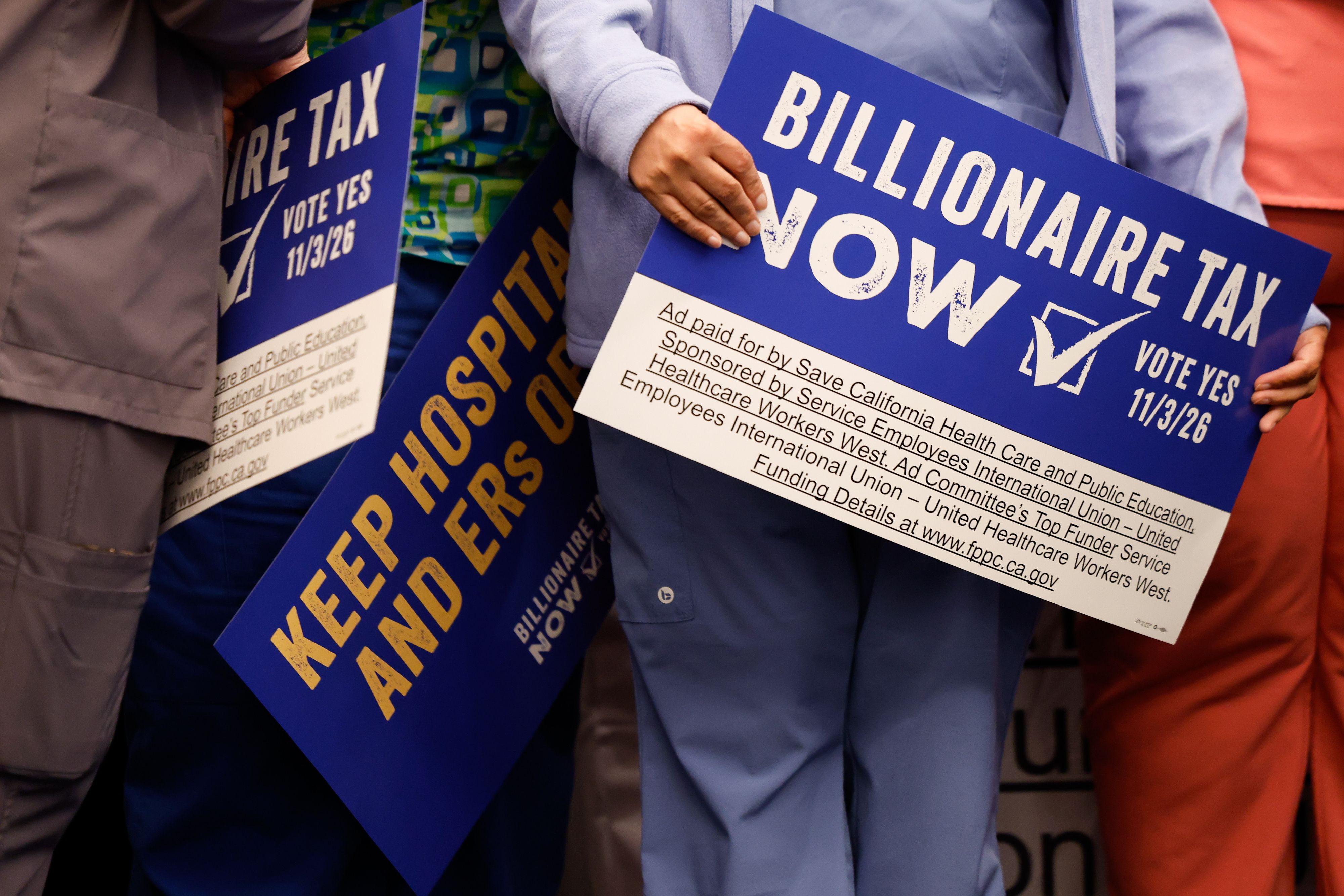
A controversial proposal in California to temporarily increase taxes on billionaires has enough signatures to qualify for the November ballot, a labor union backing the measure says.
- The proposal would impose a one-time, 5% tax on the net worth of individuals worth more than $1 billion living in the state as of Jan. 1, 2026. Real estate, pensions and retirement accounts are excluded.
The goal is to generate $100 billion in revenue, which would largely be used to offset federal funding cuts to healthcare for low-income people.
- Mainstream Democrats, including Gov. Gavin Newsom, oppose the tax because they fear it will drive away the wealthy and hurt the state's economy.
8. 🇬🇧 1 for the road: D.C.'s royal buzz
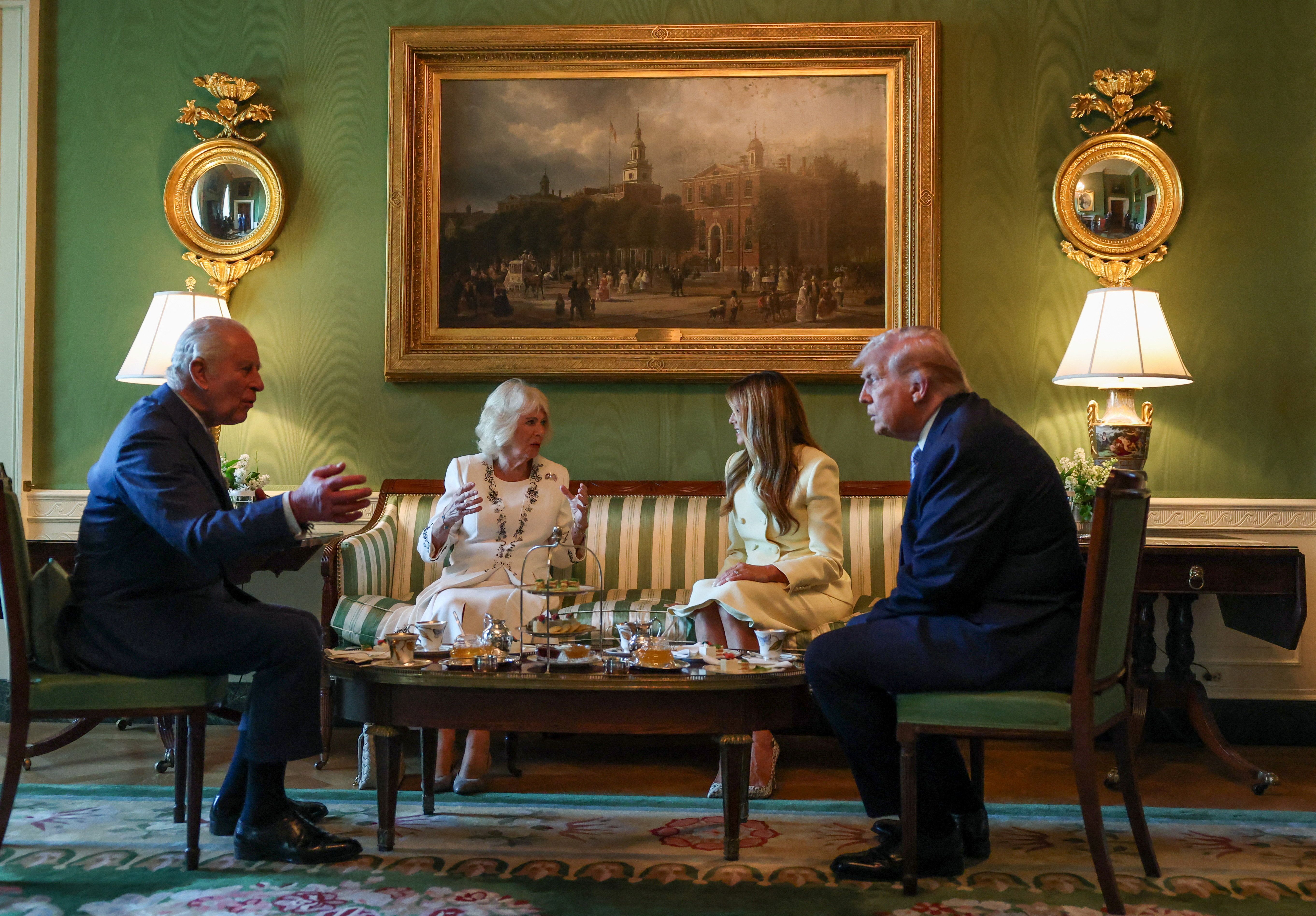
King Charles III landed in D.C. yesterday with Queen Camilla for his first U.S. state visit as monarch, timed to America's 250th birthday, Axios D.C.'s Anna Spiegel writes.
- 🐝 Their majesties had tea in the White House Green Room with President Trump and First Lady Melania Trump before touring the new beehive (pictured below) on the South Lawn.
- 🌷 They also attended a garden party at the British ambassador's residence.
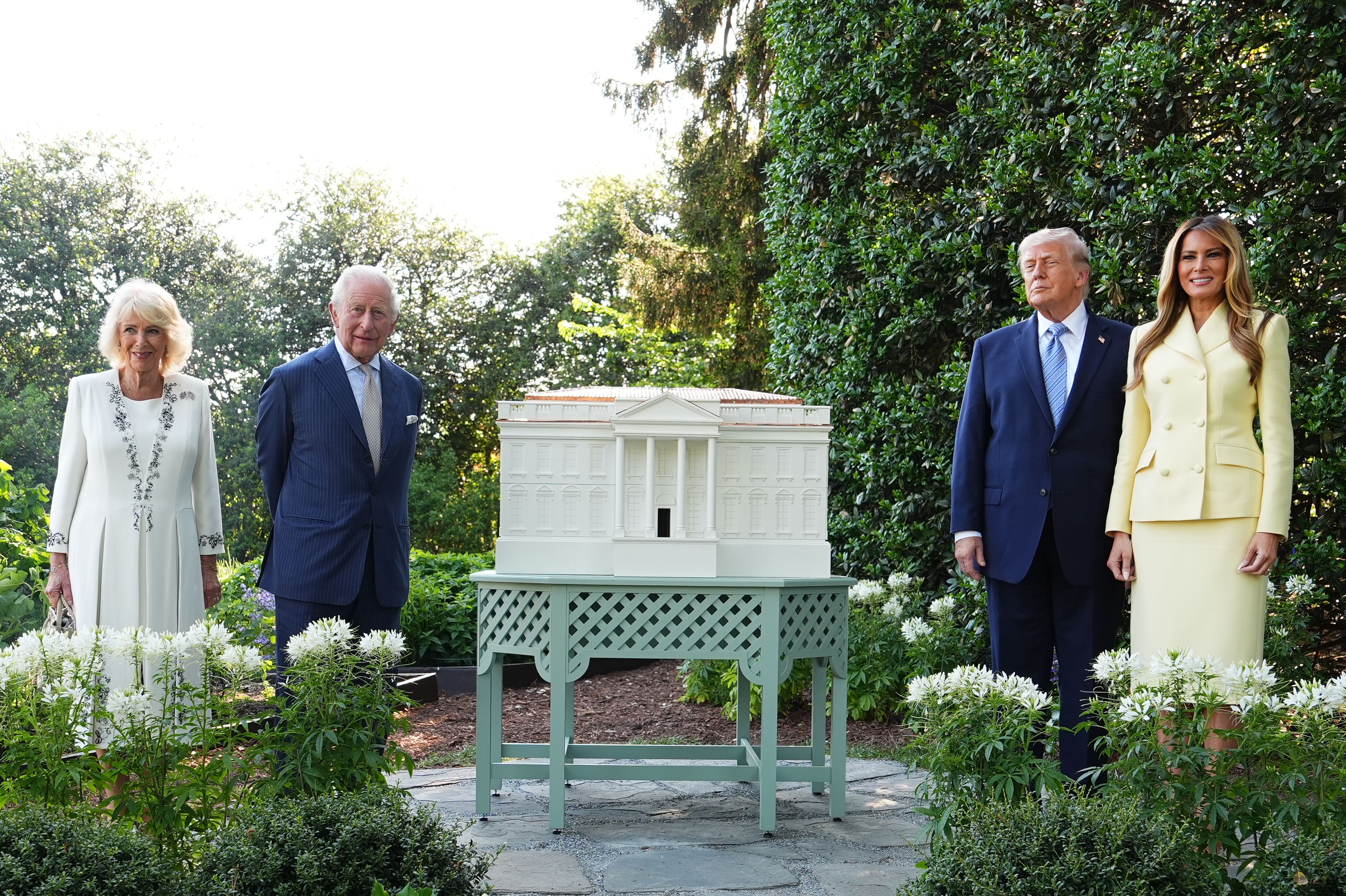
Today's schedule: Trump and King Charles hold a bilateral meeting in the Oval Office.
- 3 p.m. ET: The king addresses a joint session of Congress, stressing "reconciliation and renewal." (Preview)
- 8 p.m.: The day wraps with a White House state dinner in the East Room.
Axios AM