Axios AM

June 23, 2025

1 big thing: Trump's "headfake" secret order
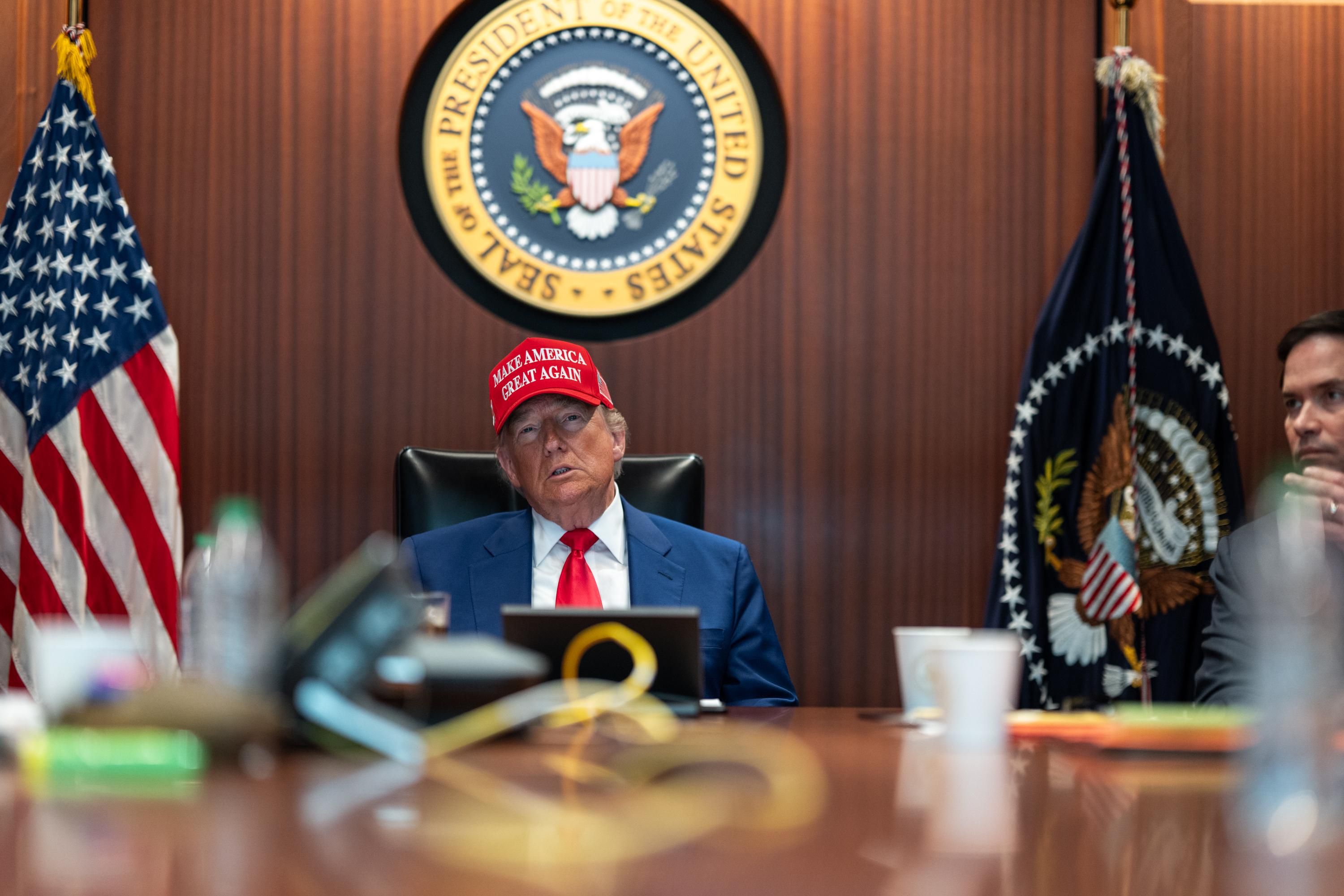
President Trump told the world last Thursday that he would decide "within the next two weeks" whether to strike Iran, Axios' Barak Ravid, Marc Caputo and Zachary Basu write.
- 48 hours later, B-2 stealth bombers were whizzing through Iranian airspace — undetected — on a mission to cripple the Islamic Republic's nuclear program.
Why it matters: Trump remained open to aborting the mission if a diplomatic window emerged. But his public countdown doubled as a smokescreen — concealing a strike plan that was already in motion, according to multiple officials.
- "It was a headfake," a Trump adviser told Axios. "He knew the media couldn't resist amplifying it. He knew the Iranians might think he was bluffing. Well, everyone was wrong."
🖼️ The big picture: The bombing of Iran's nuclear facilities on Saturday marked the most direct and consequential U.S. military action against Iran since the Islamic Republic was founded in 1979.
- Trump, who praised the operation as a "spectacular military success," came to the decision to join Israel's war after months of failed diplomacy — and one last secret effort to meet with Iranian officials last week.
/2025/06/22/1750636045664.gif)
Between the lines: As with many moments of geopolitical drama during Trump's two terms, his aides have gone to great lengths to emphasize an image of total command and decisive leadership.
- "This wasn't a Pentagon operation. This was a Donald Trump operation," a senior administration official told Axios. "He came up with the PR. He chose the plans. He chose the day."
- "He's no Jimmy Carter," the official said, referencing the last time the U.S. tried direct military action in Iran: Operation Eagle Claw in 1980, a humiliating and failed hostage rescue mission.
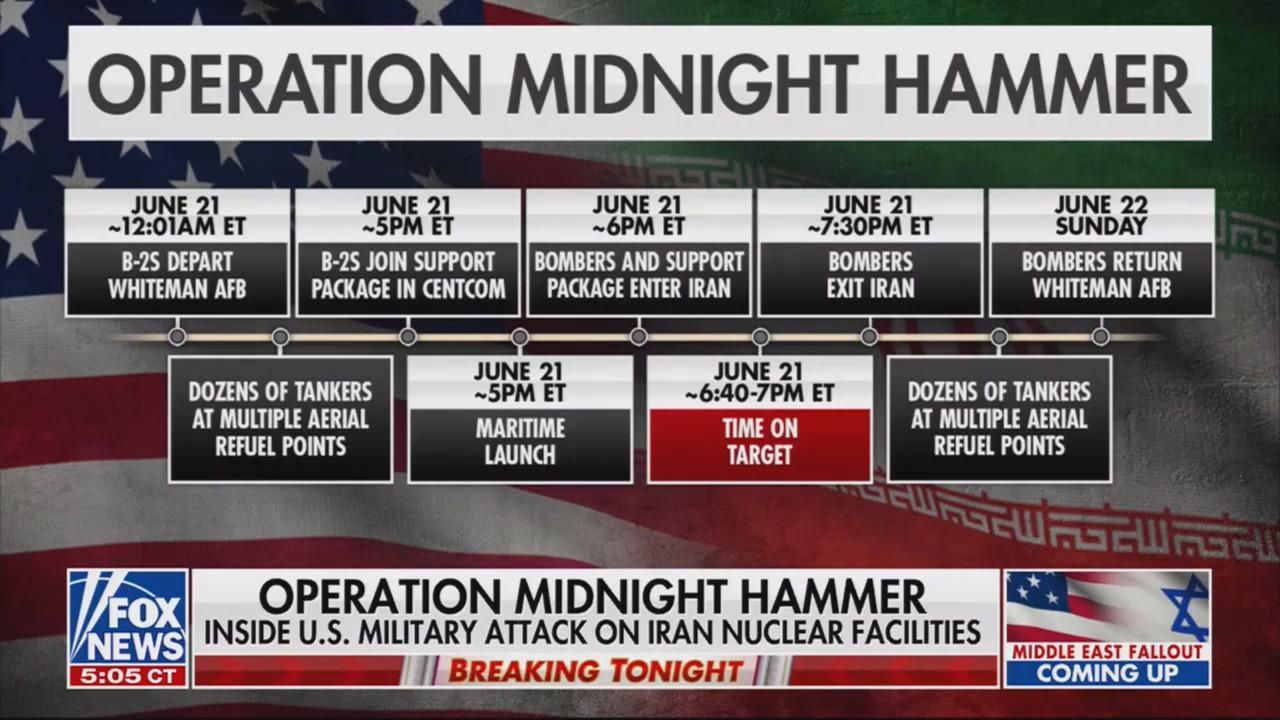
- The complexity of Operation Midnight Hammer — which amounted to the largest ever B-2 strike — required meticulous planning from the Pentagon that likely stretched back years.
Behind the scenes: In the first days after Israel launched its unprecedented attack on Iran, Trump hoped a swift nuclear deal could end the war before it escalated further.
- From the sidelines of the G7 summit in Canada earlier this month, he began coordinating with Turkish President Recep Tayyip Erdoğan to arrange a high-level meeting between U.S. and Iranian officials in Istanbul.
- Trump was prepared to send Vice President Vance and White House envoy Steve Witkoff — or even travel himself to meet Iran's president, if that's what it would take to reach a deal.
Vance and Witkoff had even started packing their bags, but it became clear last Monday afternoon that the meeting was not going to happen, a senior U.S. official said.
- Iran's Supreme Leader Ali Khamenei, who was in hiding over fears of assassination, couldn't be reached to authorize the talks — and constant Israeli airstrikes made it too dangerous for Iranian officials to leave the country.
On Friday afternoon, a day after suggesting the attack could be delayed, Trump gave Defense Secretary Pete Hegseth the green light to launch the B-2 bombers.
- Several hours later, the stealth bombers departed their base in Missouri. Some flew west as decoys. The real strike group headed east toward Iran, according to Joint Chiefs of Staff Chairman Gen. Dan Caine.
- On Saturday afternoon, while still at his golf club in Bedminster, New Jersey, Trump was told the bombers were about to reach the point of no return — the moment they would go into full radio silence.
The president gave the final go-ahead.
- Shortly after, Trump boarded Air Force One and flew back to Washington to be in the Situation Room as the first bombs hit their targets.
- "In the end, it was everything. The timing was right. The Ayatollah gave Trump and the U.S. the middle finger. And that came with a price," said a Trump confidant who spoke with the president in recent days.
The bottom line: Trump still wants a deal with Iran — and wanted one before the bombers took off, an adviser to the president told Axios.
- "Once the B-2s were radio silent, it was too late," the source said. "But the phones are open now."
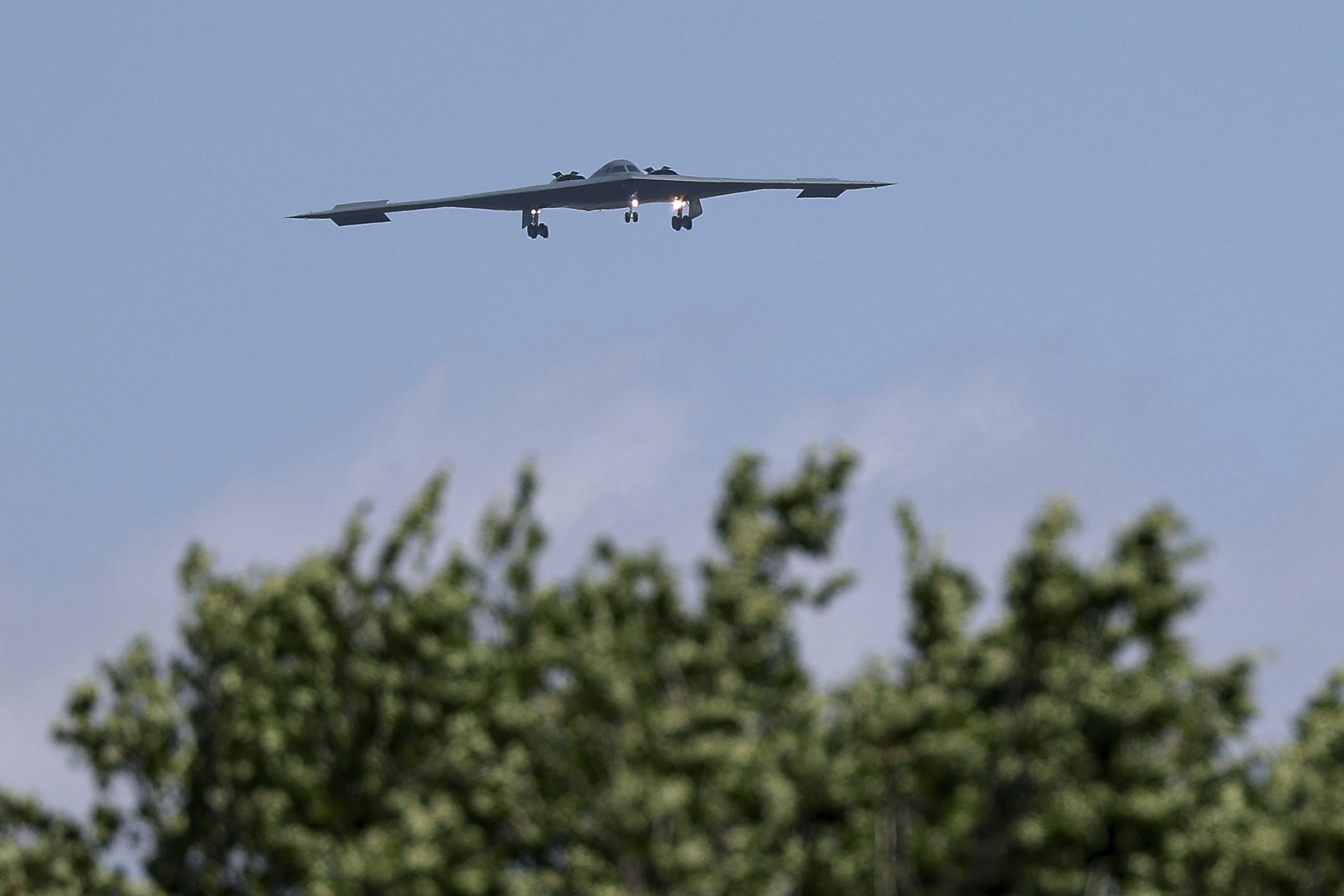
Read the full story ... More photos of the returning bombers.
2. 🚨 Trump floats regime change
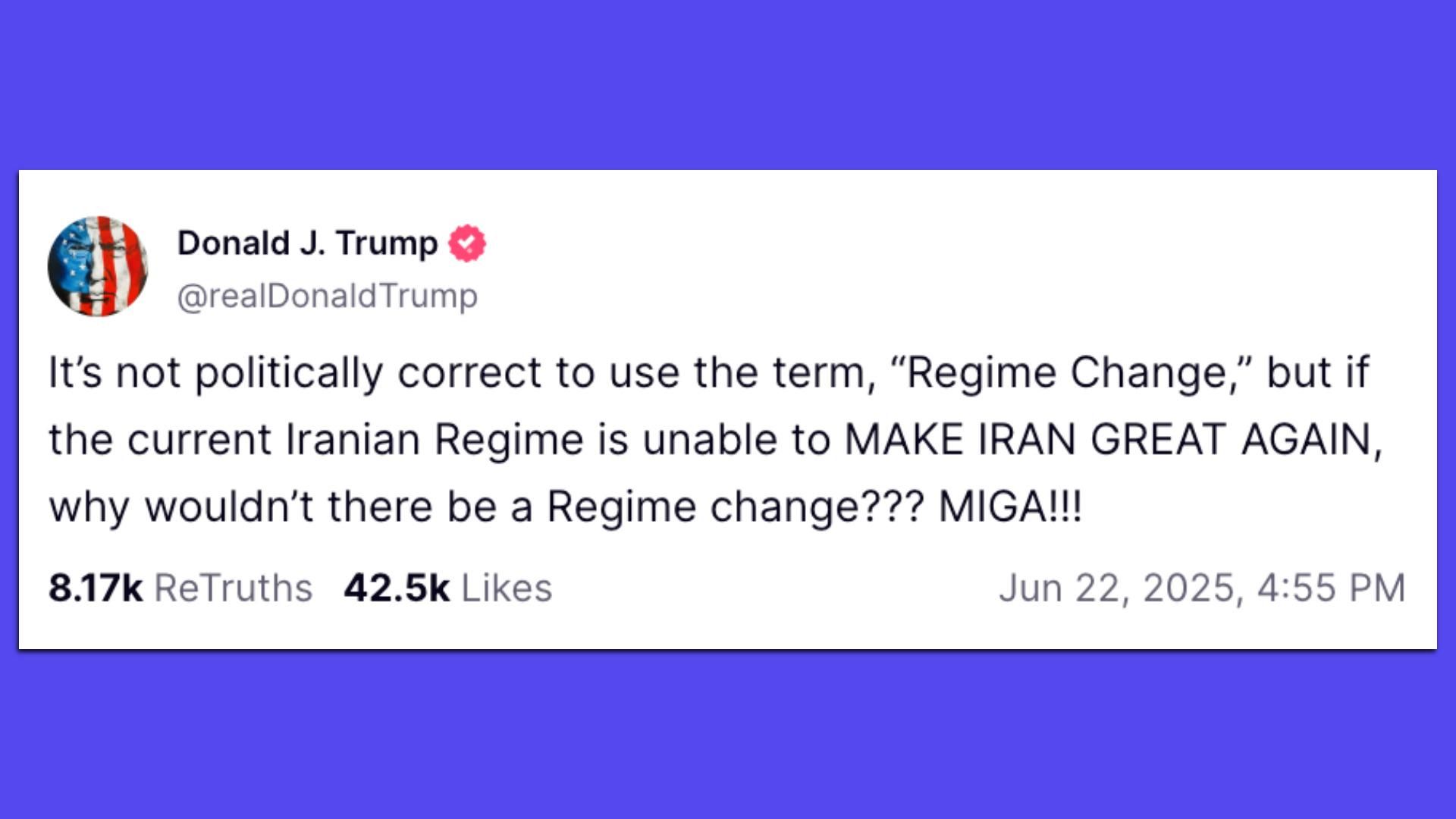
President Trump floated the possibility of "regime change" in Iran yesterday in a post to his Truth Social account, Axios' Barak Ravid writes.
- "It's not politically correct to use the term, 'Regime Change' but if the current Iranian Regime is unable to MAKE IRAN GREAT AGAIN, why wouldn't there be a Regime change??? MIGA!!" the president wrote.
Why it matters: This is the first time Trump has raised the possibility of regime change in Iran since Israel launched its war 10 days ago — and the U.S. joined with airstrikes targeting Iran's nuclear sites on Saturday.
- Trump has criticized the neo-conservative faction of the Republican Party for years over their support for regime changes in Iraq, Iran and other places around the world.
🔎 Zoom in: The president's post is a departure from the rest of his administration, which has stressed multiple times over the last several days that its goal is to prevent Iran from obtaining nuclear weapons and that the U.S. is not pushing for regime change in Iran.
- Vice President Vance said on NBC's "Meet The Press" yesterday that the administration's view "has been very clear that we don't want a regime change."
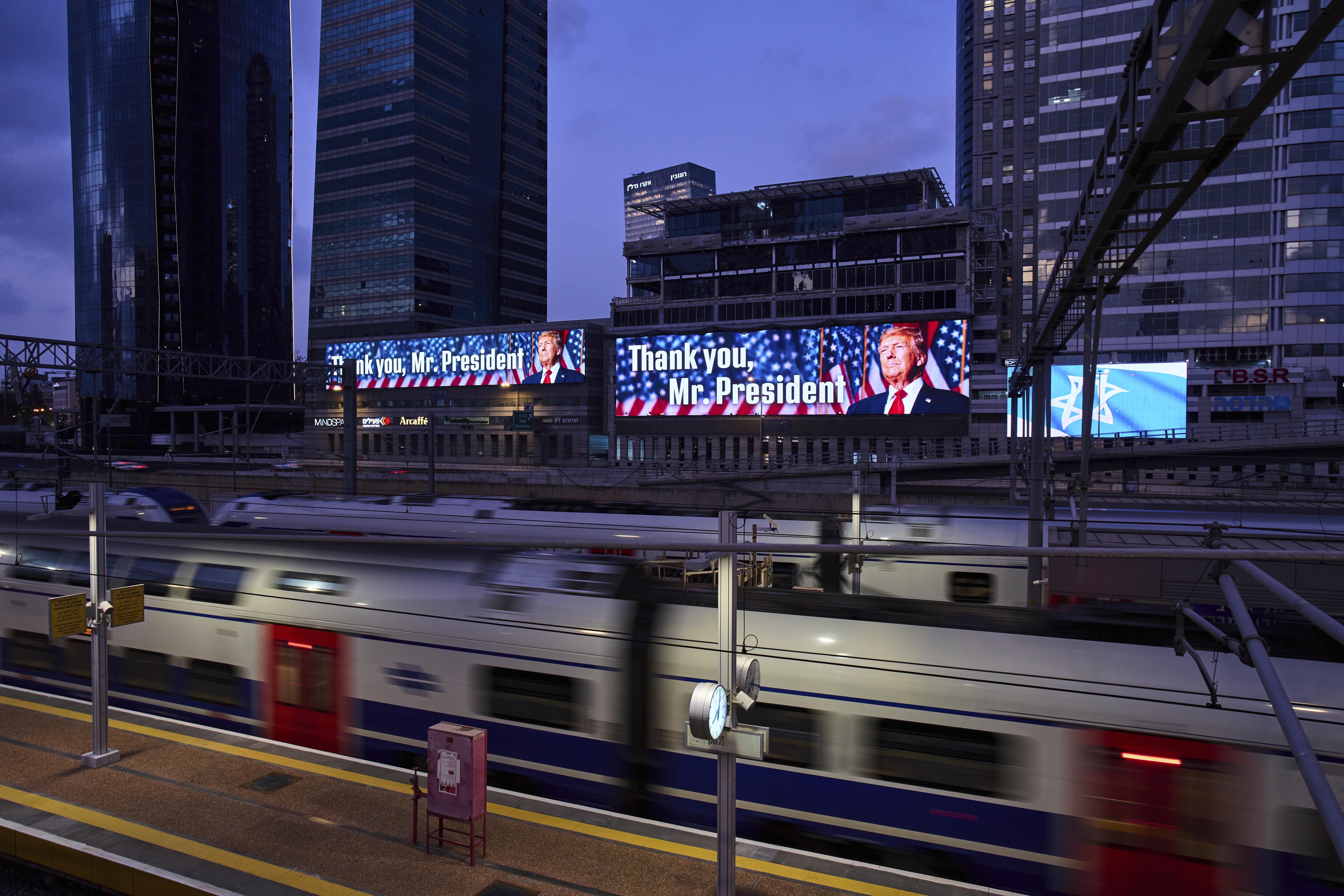
3. ☢️ Iran's bargaining chip
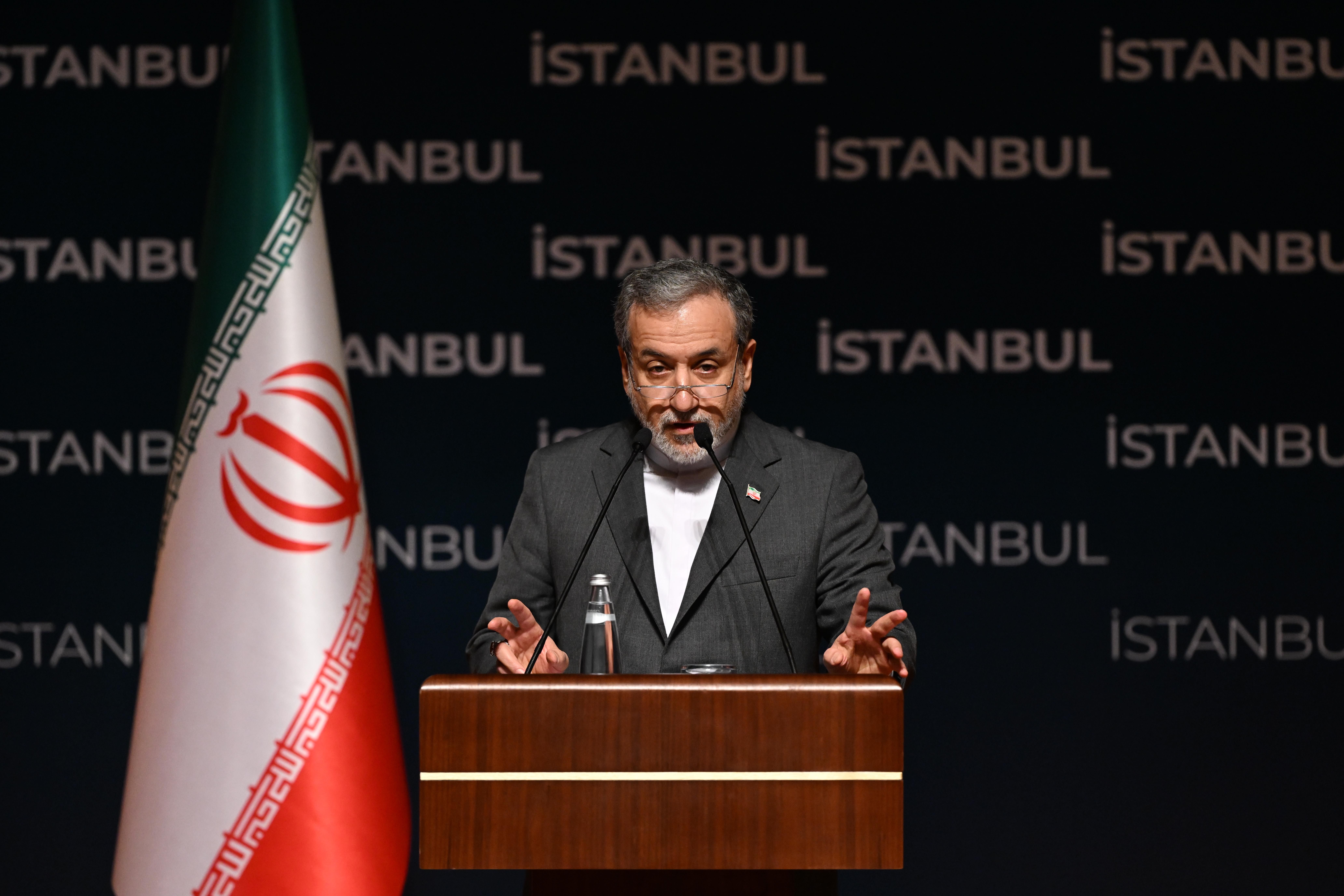
Senior Trump administration officials are conceding that "they did not know the fate of Iran's stockpile of near-bomb-grade uranium," The New York Times' David E. Sanger writes.
- Why it matters: "That stockpile of fuel is now one of the few nuclear bargaining chips in Iranian hands."
There's growing evidence, Sanger writes, that "the Iranians, attuned to Mr. Trump's repeated threats to take military action, had removed 400 kilograms, or roughly 880 pounds, of uranium enriched to 60 percent purity."
- "That is just below the 90 percent that is usually used in nuclear weapons."
Keep reading (gift link).
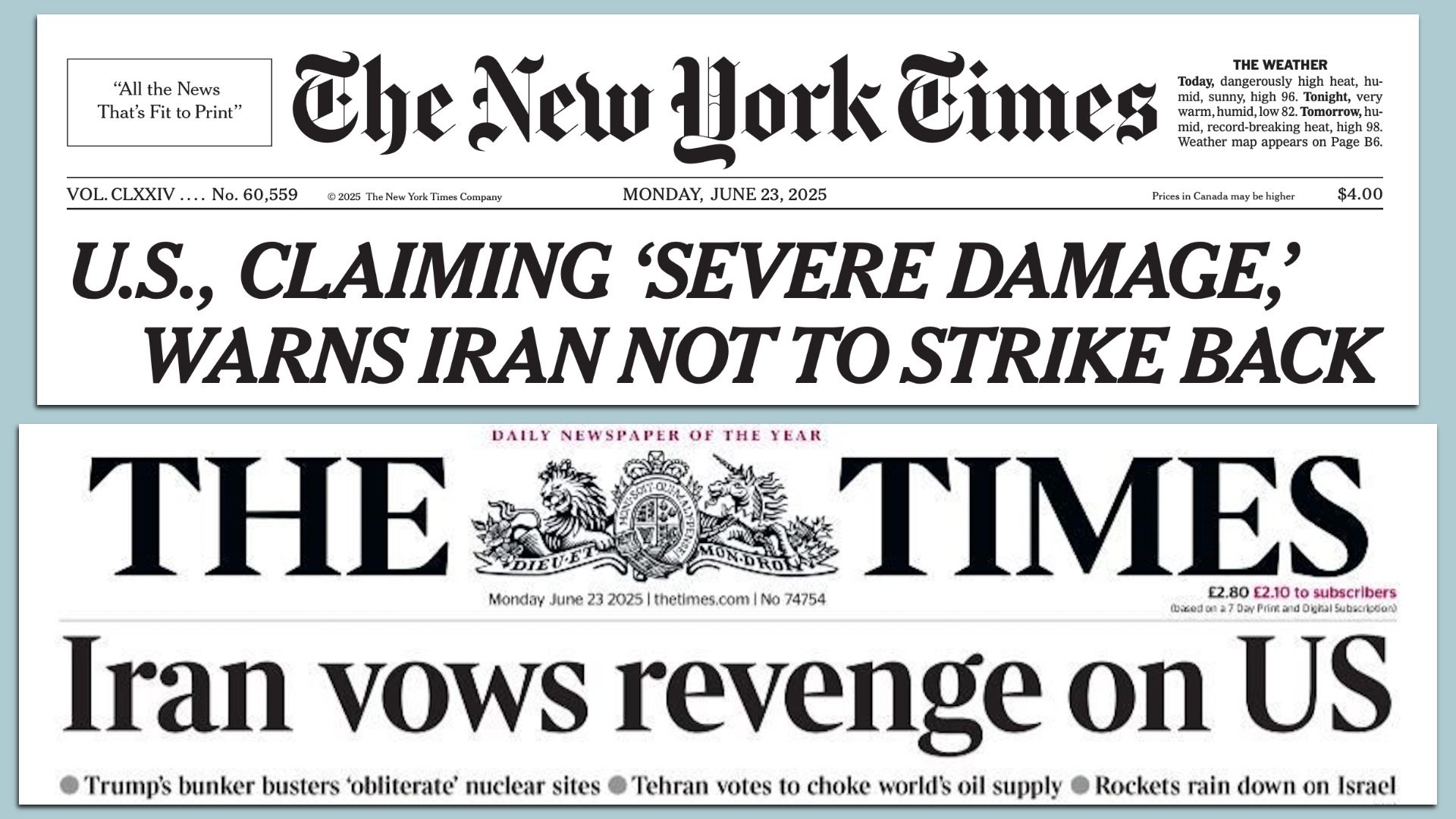
4. ⚠️ Charted: Strait of Hormuz chokepoint
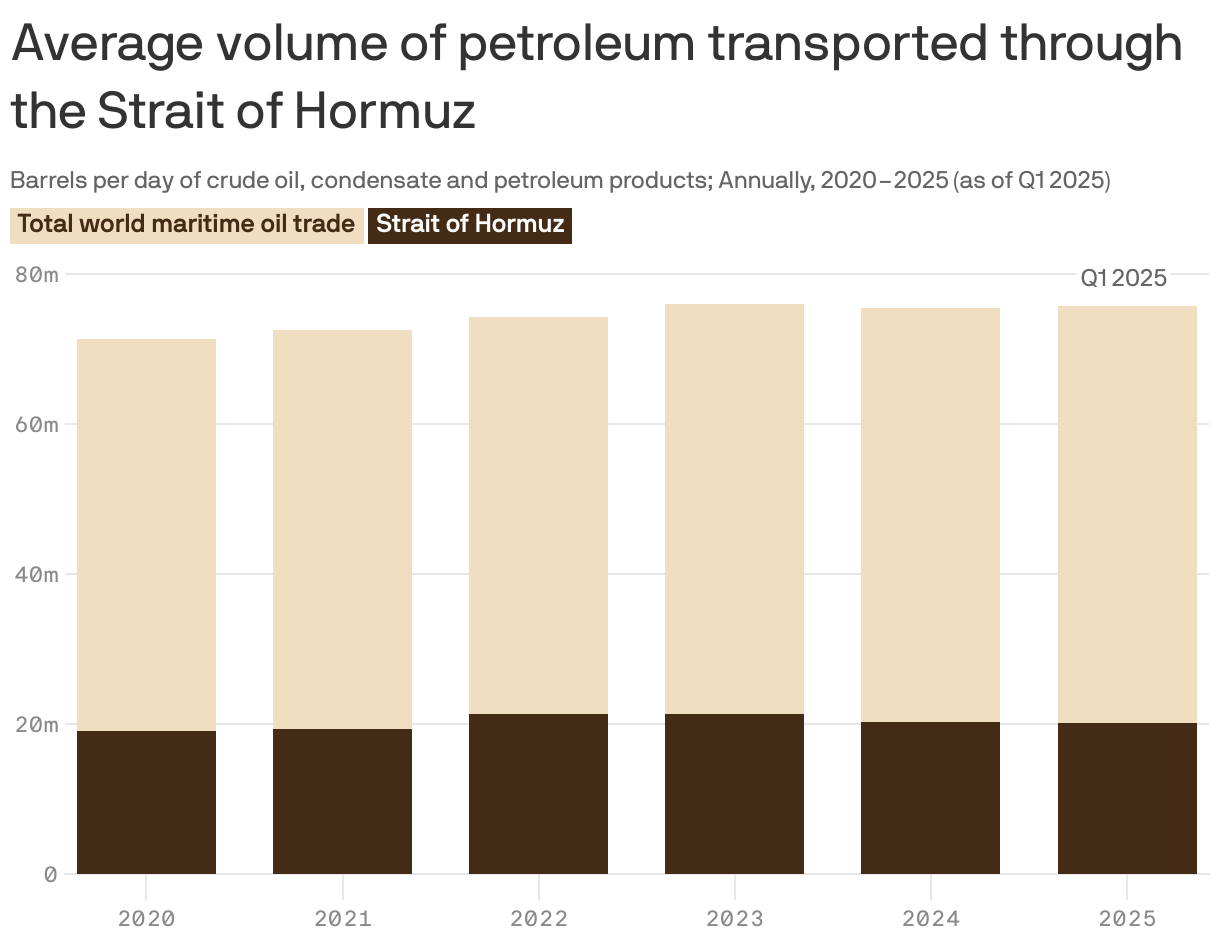
This chart shows why fears of Iran impeding oil flows through the Strait of Hormuz are such a massive threat to supplies, Axios Generate author Ben Geman writes.
- Why it matters: The narrow channel between Iran and Oman is the chokepoint for a quarter of the world's seaborne oil trade — and around one-fifth of all oil movements.
Crude oil prices jumped — but didn't head for the stratosphere — as trading markets opened for the first time last night since the U.S. attack on Iranian nuclear facilities.
5. 🍎 Apple under pressure to deliver hit iPhone

6. 🚘 Tesla's robotaxi (slowly) launches in Texas
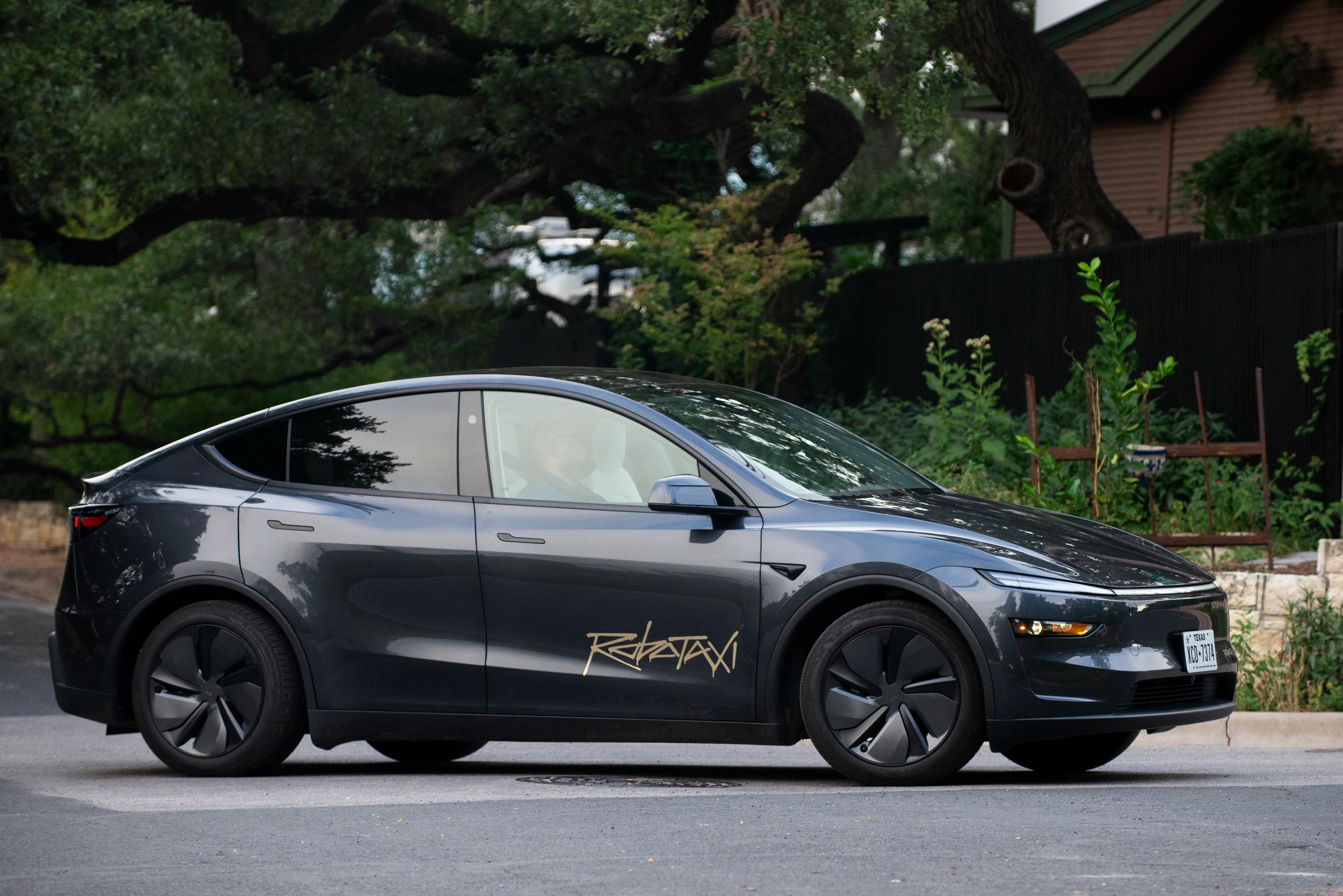
Tesla rolled out a limited version of its long-awaited robotaxi service in Austin yesterday, culminating what CEO Elon Musk described as "a decade of hard work," Axios Future of Mobility author Joann Muller writes.
- Why it matters: Autonomous vehicles represent a critical growth area for Tesla, whose electric vehicle sales have declined, in part due to blowback from Musk's political activity.
🔎 Zoom in: A handful of social media influencers and Tesla investors were the first to ride without a driver in Tesla's taxi service, paying a flat $4.20 fee.
- A Tesla employee rode along in the front passenger seat as a precaution, although it was unclear whether the safety monitor could control the car from there.
- The service only operates between 6 a.m. and midnight, within certain "geofenced" areas in Austin. It also doesn't operate in the rain.
Reality check: Tesla is still far behind Waymo, which launched its first driverless robotaxi rides to the public in 2020.
7. 🪫 $15 billion clean energy pullback
8. 🏀 1 fun thing: New NBA champs
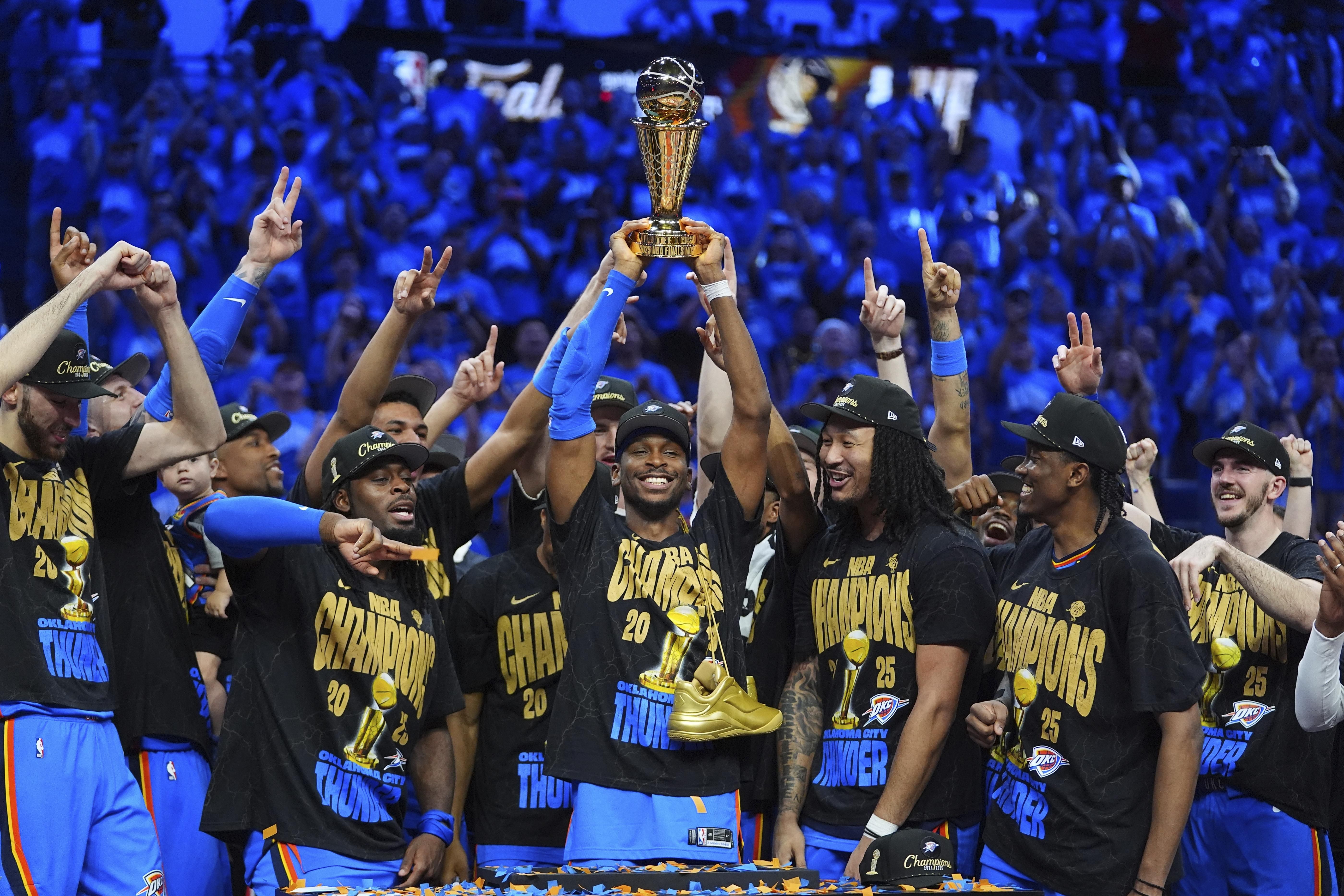
The Oklahoma City Thunder won the NBA championship last night with a Game 7 victory over the Indiana Pacers, completing one of the most dominant seasons in the league's history.
- Why it matters: It's the team's first title of the OKC era. (The franchise won a championship as the Seattle SuperSonics in 1979.)
Zoom in: Thunder star Shai Gilgeous-Alexander became the first player in 25 years to win a scoring title (most points per game), regular-season MVP and finals MVP in the same season.
- Oklahoma City won 84 games between the regular season and the playoffs, tying the 1996-97 Chicago Bulls for third-most in any season.
- Only the Golden State Warriors (88 in 2016-17) and the Bulls (87 in 1995-95) won more.
Axios AM