Axios AM

April 04, 2025

1 big thing: You gotta believe
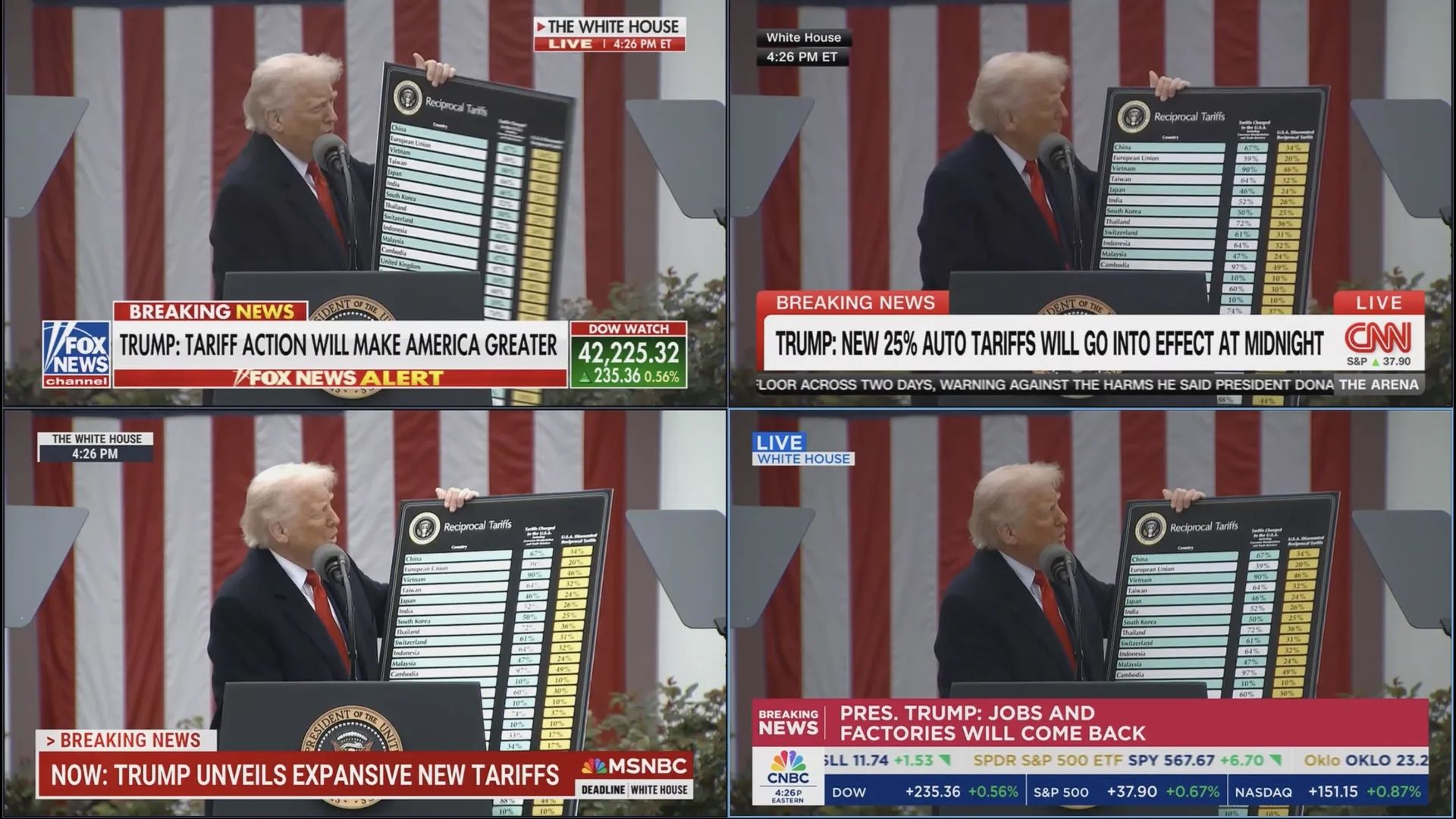
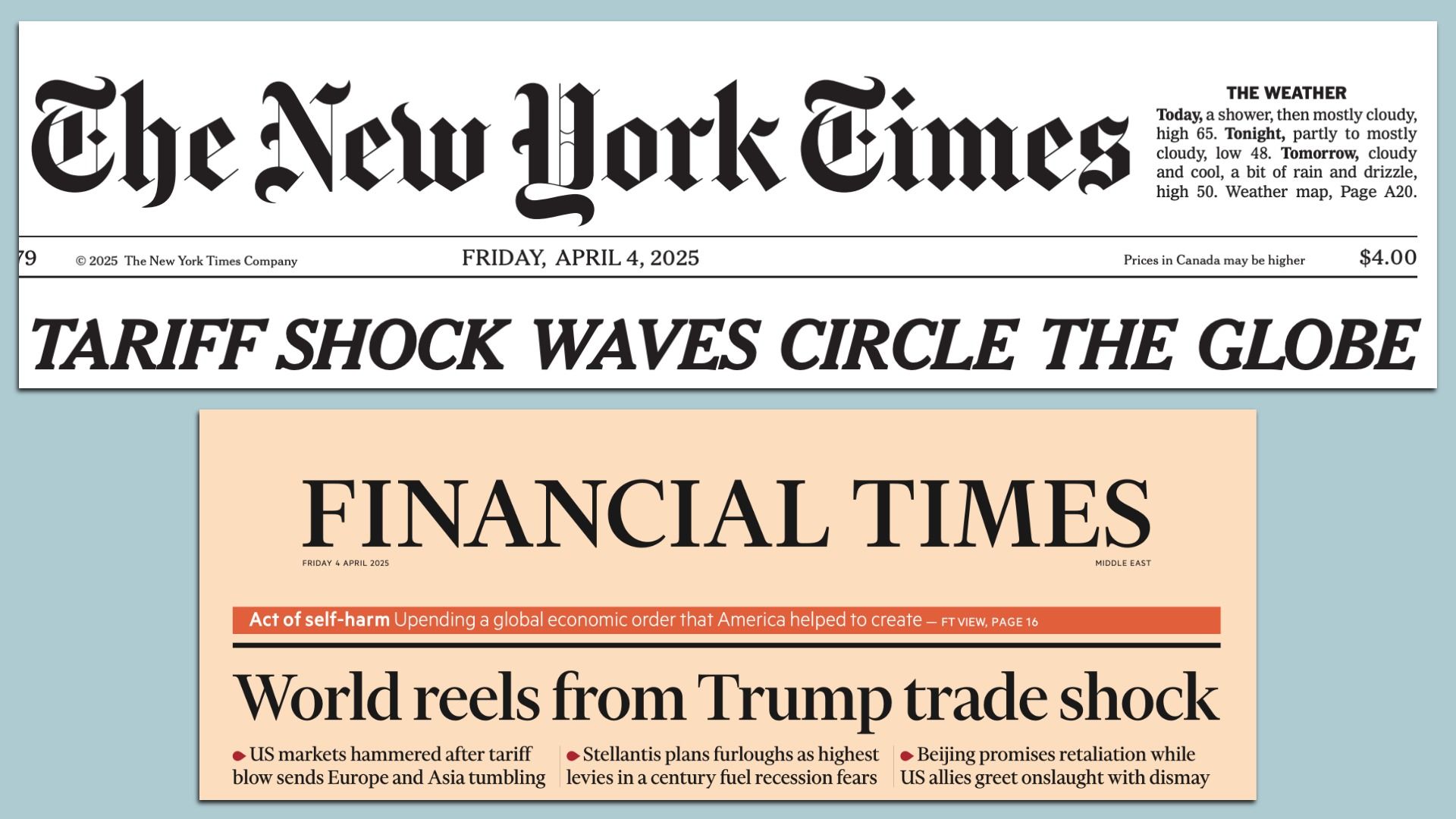
President Trump is betting his presidency on the biggest instant, unilateral, by-choice-not-necessity economic mandate in U.S. history, Jim VandeHei and Mike Allen write in a "Behind the Curtain" column.
Why it matters: He's gambling that generations of politicians, economists, CEOs, small-business owners, academics and even some of his own staffers are wrong — and that he's right.
- And he's doing it with an issue that hits every American.
For Trump to be right, you gotta believe...
- That Trump's instincts are better than the past half-century of his party's judgment, as well as the judgment of the economists who've studied the topic extensively, both historically and contemporaneously.
- That Sen. Mitch McConnell (R-Ky.) — the former majority leader, reflecting what the vast majority of Senate Republicans say privately — was wrong when he tweeted: "As I have always warned, tariffs are bad policy, and trade wars with our partners hurt working people most. Tariffs drive up the cost of goods and services. They are a tax on everyday working Americans."
- That a minimum 10% increase in taxes on all imports — and much higher taxes on goods that come from China, Vietnam and other leading trade partners — won't meaningfully increase prices for most Americans.
- That U.S. companies will be able to make the same products just as cheaply — and right away.
- That allies and adversaries hit with big tariffs will just suck it up rather than retaliate, or that they'll move en masse to negotiate new trade deals favorable to the U.S.
- That American influence and power overseas won't diminish when those same allies start doing more business with each other — or China.
- That Canadian Prime Minister Mark Carney was wrong when he said: "Our old relationship of steadily deepening integration with the United States is over. The 80-year period when the United States embraced the mantle of global economic leadership ... is over. While this is a tragedy, it is also the new reality."
- That the U.S. stock market and economic growth will rise again amid a global trade war of choice.
- That recession forecasts by major financial institutions are wrong. And that the Dow, S&P and NASDAQ (U.S. stocks off $3 trillion yesterday — the biggest one-day drop since March 2020) are all wrong — or wildly overreacting.
The big picture: Trump feels wholly confident he'll be vindicated — if not instantly, then soon. Officials tell us he's never felt more confident and happy than in pushing maximal tariffs, a lifelong aspiration.
- Hell, he was so sanguine after the announcement that he took an Oval Office meeting with Laura Loomer, a notorious conspiracy theorist, to hear her pleas to fire national security officials she deemed disloyal.
The president feels like a real estate mogul with a full inventory of mansions under his sole control, insiders tell us.
- Despite public comments, Trump sees this as maximal leverage to work the phones for weeks or months — cutting deals to force better terms for the U.S.
But what if he's wrong? This is the first issue he has tackled that literally hits every American, especially his working-class base. It comes right after this week's three special elections showed the first tangible signs of unease with his governing.
- Trump's done listening to critics.
- Everyone around him — from top staff to top Republicans in Congress — fear disagreeing with him. Even if they had the stones to confront him, they seem convinced it'd be futile. They're as all-in on Trump as Trump is on tariffs.
So for this to work, you gotta believe he's right.
2. 🙀 Sticker shock


American companies lost about $3 trillion in value from yesterday's stock-market rout, as the S&P 500 fell 4.8%, Dow dropped 4% and NASDAQ lost 6%.
- The selloff cost the world's 500 richest people a total of $208 billion, per Bloomberg's "Billionaires Index" — the biggest single-day loss since the onset of the pandemic.
Investors are hurting today, and consumers aren't far behind.
- 🥑 Food prices are expected to rise by about 2.8% overall due to the tariffs, Axios' Emily Peck reports. Some staples — including coffee, chocolate, vanilla, bananas, fruits and vegetables — will get even more expensive than that.
- 🛍️ Clothing could get a lot more expensive. The U.S. imports about 97% of the clothes we buy, and more than half comes from China and Vietnam — two countries subject to especially high tariffs. Nike, Lululemon and other major apparel companies saw double-digit drops in their stock prices yesterday.
- 📱 Apple built its empire on a foundation of open trade, Axios' Scott Rosenberg notes, and though it has diversified away from China, it can't realistically give up on overseas labor. An iPhone manufactured in the U.S. could cost $3,500.
- 🖥️ All consumer tech relies heavily on imports. Tech stocks plunged yesterday, as did retail giant Best Buy.
Go deeper: Who's most at risk.
3. 🦾 Coming soon: Jim & Mike go inside AI
4. 🪙 Crypto's quiet workhorse goes mainstream
5. 📝 Trump's tariff math


The Trump administration used a surprisingly simplistic approach to calculate its much-hyped reciprocal tariffs, Axios' Neil Irwin explains.
- This wasn't a finely tuned set of import taxes calibrated to exert pressure on trading partners to adjust specific policies with which the U.S. has grievances.
- Rather, it was some simple arithmetic, based on overall trade data.
💡 Why it matters: It implies fewer off-ramps for countries that seek tariff relief, and thus less potential for de-escalation.
- If tariffs are applied without regard to the details of each country's economic policies and circumstances, what is there to negotiate?
The logic implies that any country with which the U.S. experiences a trade deficit, regardless of the reason, is in some way a bad actor and requires tariffs as payback.
6. 🎂 Microsoft @ 50
7. 🎬 What we're watching: "Can't Look Away"
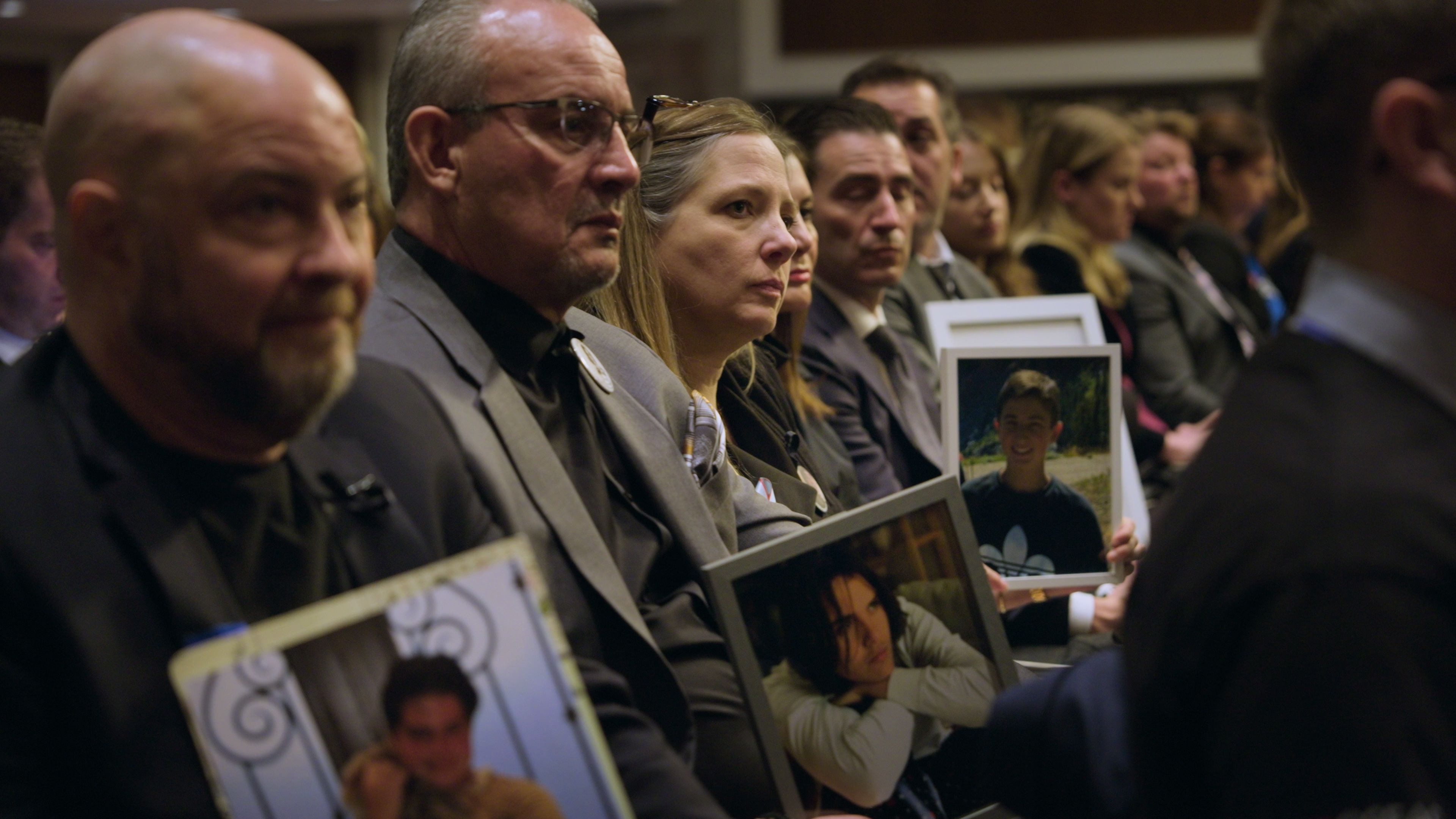
Premiering today: "Can't Look Away," directed by the Emmy Award-winning film team Matthew O'Neill and Perri Peltz (the brilliant documentarians behind "Axios on HBO"!), and based on investigative reporting of award-winning Bloomberg News' Olivia Carville.
- Why it matters: The film "follows a team of lawyers battling several tech companies, fighting for families whose children suffered devastating harm," the announcement says. "As families seek justice, 'Can't Look Away' serves as a wake-up call about the dangers of social media and the urgent need to protect its youngest users."
Perri Peltz, who holds a doctorate in public health from Columbia, said: "This isn't just a tech problem — it's a full-blown public health disaster, and we're only beginning to grasp the consequences.
- Matt O'Neill said: "We all have a sense that social media is vaguely bad for kids — we thought so too. But making this film has revealed the full extent."
🎞️ Where to watch: "Can't Look Away" is available to watch on the Jolt.film service globally, and for a theatrical run at DCTV's Firehouse Cinema in Manhattan. The film will release across Bloomberg Media platforms in July.
8. ⚾️ 1 fun thing: "Torpedo bats" are all the rage

The "torpedo bat" is the hottest thing in baseball — and manufacturers can barely keep up with demand.
- It's been less than a week since the Yankees hit nine home runs in one game using torpedo bats, and that performance has sent demand through the roof.
🧢 How it works: The new design shifts some weight away from the end of the bat and toward the middle. Players can swing faster, and the impact can be greater when the bat hits a ball.
- The end is shaped a little like a bowling pin.
Victus — MLB's official bat maker — produced its first torpedo bats last year, at the Yankees' request. It made about a dozen, and then another dozen this spring.
- In the past week, it's pumped out hundreds of them.
Axios AM