Axios AM

November 26, 2021
☕ Happy shopping! Smart Brevity™ count: 985 words ... 4 minutes. Edited by Justin Green.
1 big thing: Manchin’s next blow to liberals
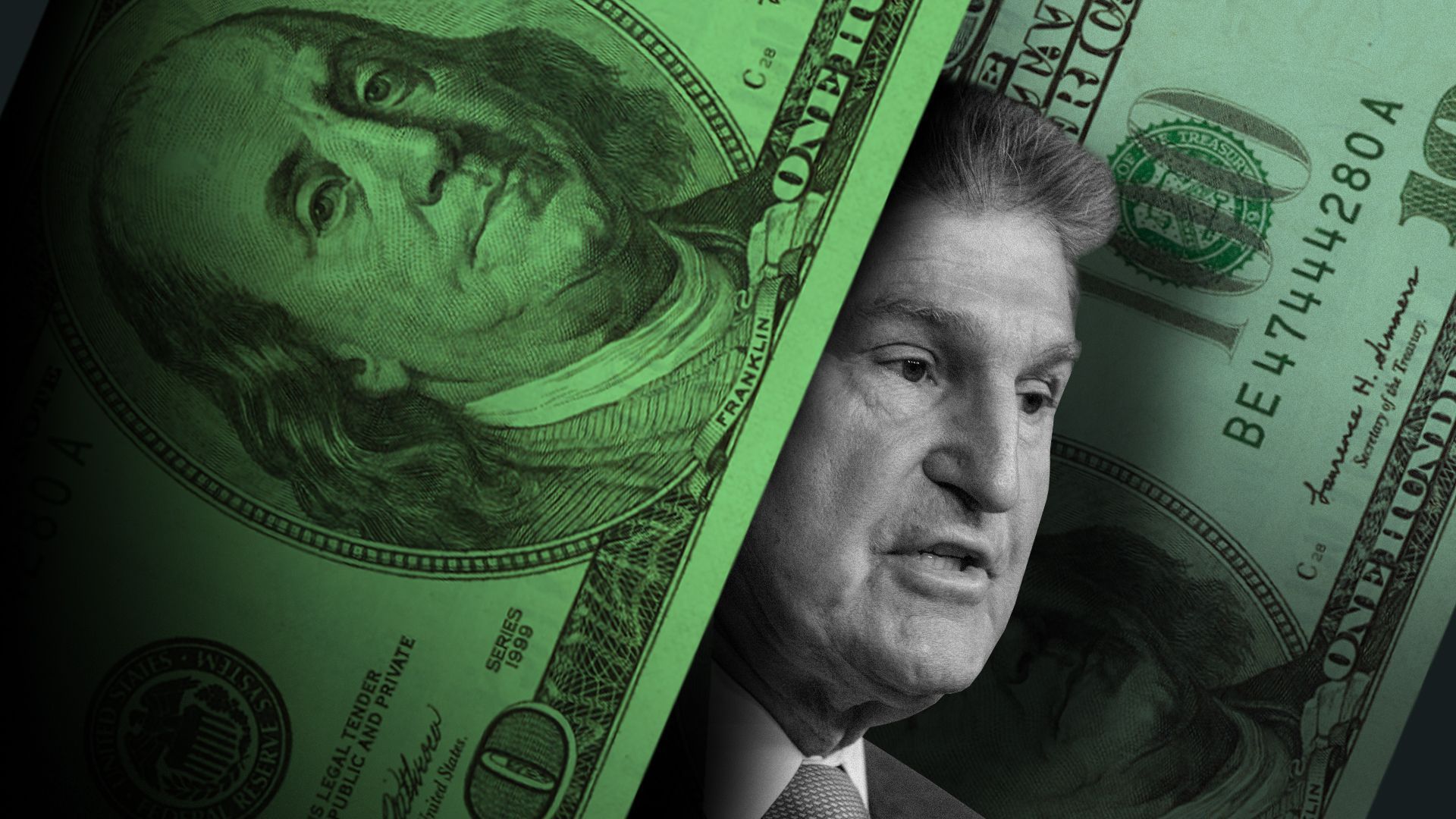
Photo illustration: Annelise Capossela/Axios. Photo: Kent Nishimura/L.A. Times via Getty Images
Senate Energy Committee Chair Joe Manchin (D-W.Va.) has a practical streak from six years as governor that spells trouble for President’s Biden’s $2 trillion social-spending plan, Axios' Hans Nichols reports.
- Given the number of differences Manchin has with the version of Build Back Better that passed the House, he sees 2022 as a more likely timeframe for Senate passage than the December rush, people familiar with his thinking say.
- Manchin may end up supporting a package in the $1.75 trillion range this year, Axios is told. But he’s more inclined to wait and watch how inflation plays out at home and across the country.
Why it matters: Manchin's survival instincts, honed in a culturally conservative state, put him at odds with the major buckets of the Build Back Better plan — which, in a 50-50 Senate, can't pass without him.
- And Manchin has been saying since September that he wanted the bill taken up next year.
During six years as governor, Manchin developed a three-part test he took to Washington: Are the proposed programs paid for? Do they have bipartisan support? And do they solve a specific problem for his constituents?
- That focus on the bottom line — coupled with political reality in a state President Trump won by 39 points — all but guarantee Manchin will force further cuts to the House version, the sources tell Axios.
State of play: Manchin, 74, has told colleagues that extending the expanded child tax credit is too expensive. He also questions whether middle-class families need it.
- For a new entitlement program like paid family leave, he strongly prefers a compromise that could get Republican support.
- On $550 billion in clean-energy tax incentives, the coal-state politician is unconvinced they'll accelerate changes in the fossil-fuel industry that are already happening.
Between the lines: Manchin's acid statement Monday on Biden’s decision to tap the strategic petroleum reserve was filled with long-simmering frustrations, and indicates he's far from a final deal.
Zoom out: Manchin, like Sen. Kyrsten Sinema (D-Ariz.), has earned the enmity of Democratic activists.
- They've kayaked to his luxury houseboat ("Almost Heaven") and surrounded his Maserati Levante to demand he adopt more progressive positions, especially on climate change.
- But those fights help him in West Virginia.
2. ⚡ Breaking: New variant spurs border closures
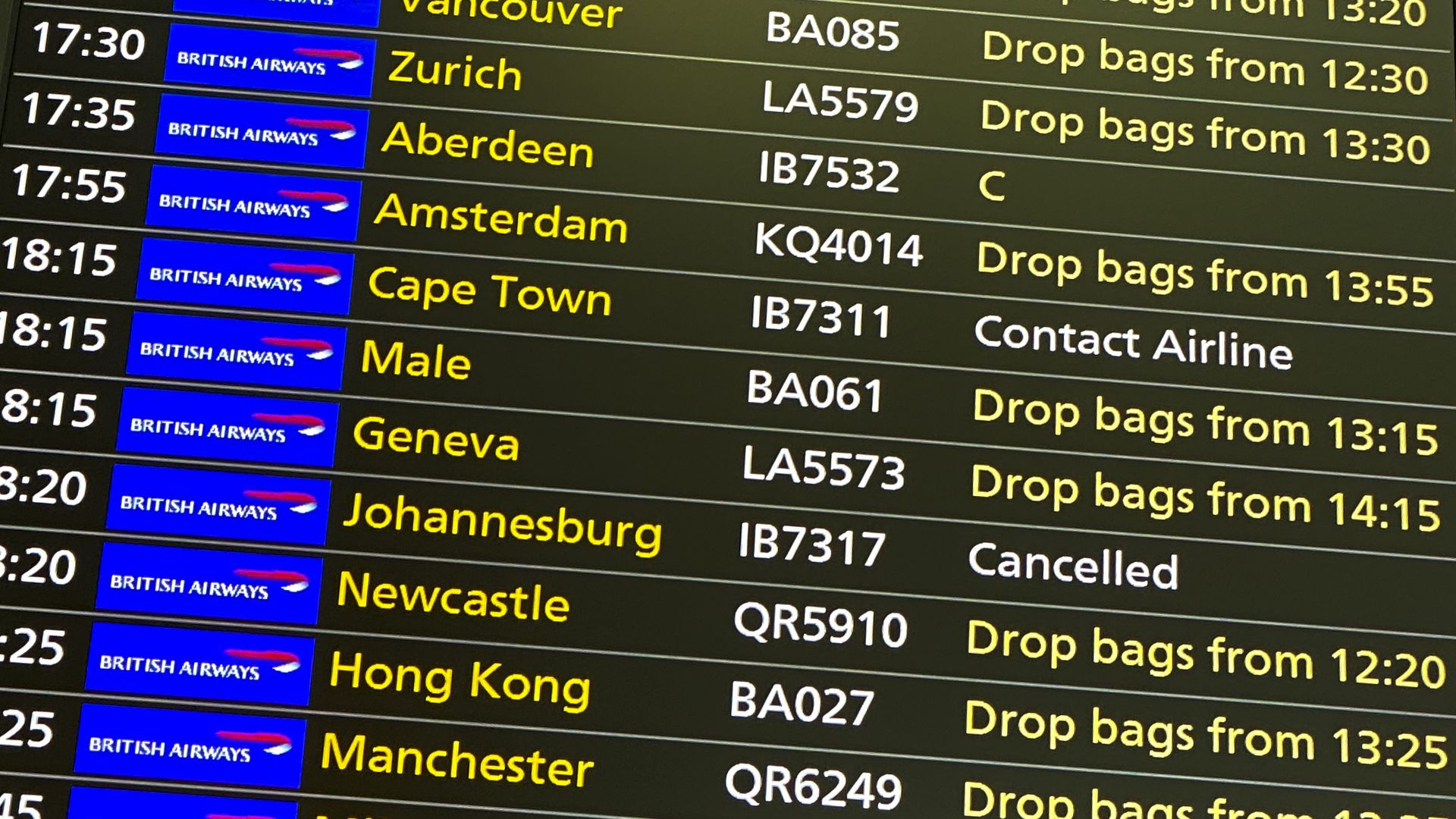
Departures screen at London's Heathrow Airport today shows disruptions for South Africa travel. Photo: Alberto Pezzali/AP
Markets tumbled around the world and countries rushed to impose travel restrictions in response to a new COVID variant in South Africa.
Why it matters: The new variant is the “most worrying” yet, a top U.K. health official told BBC.
- "On the ACE2 receptor — the protein that helps to create an entry point for the coronavirus to infect human cells — the new variant has 10 mutations. In comparison, the Beta variant has three and the Delta variant two," The New York Times reports (subscription).
The big picture: Israel, Japan, the U.K., France, Germany, Italy and Singapore are moving to restrict entry, AP reports.
- The U.K. ban targets "South Africa, Botswana, Eswatini, Lesotho, Namibia and Zimbabwe," per the N.Y. Times.
Go deeper: Explainer on the new variant.
3. 🛍️ First time in 5 years: More stores open than close
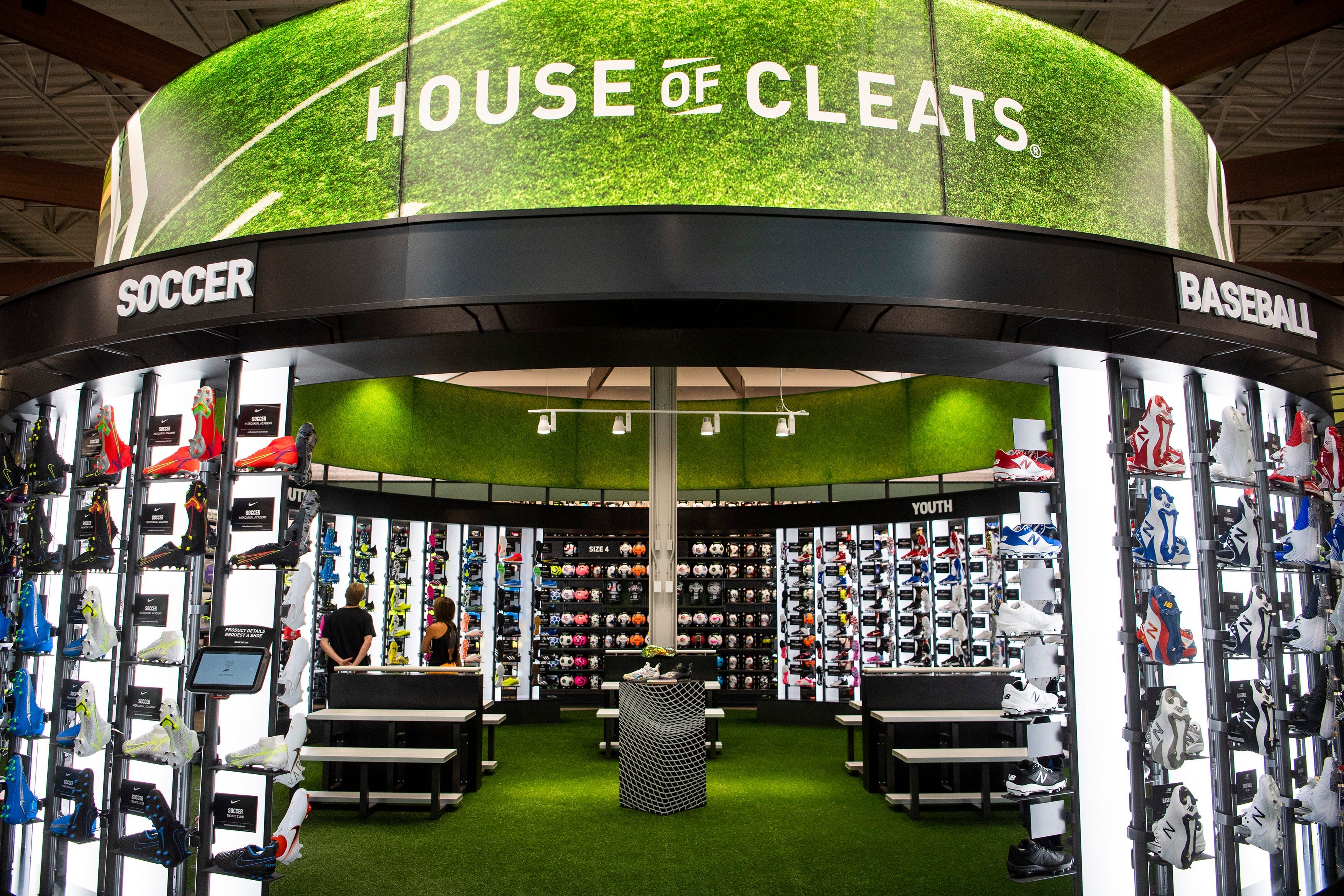
Retailers will open more stores this year than they close — for the first time since 2017, The Wall Street Journal reports from an analysis of 900+ chains by research company IHL Group.
- Why it matters: "Stores have become integral in fulfilling e-commerce orders. They serve as distribution hubs and convenient places for shoppers to pick up and return online purchases," per The Journal.
What's happening: "As the cost of acquiring customers online has skyrocketed, stores ... are a less expensive way to attract new shoppers," The Journal writes (subscription).
4. Pic du jour: America's normal-ish Thanksgiving
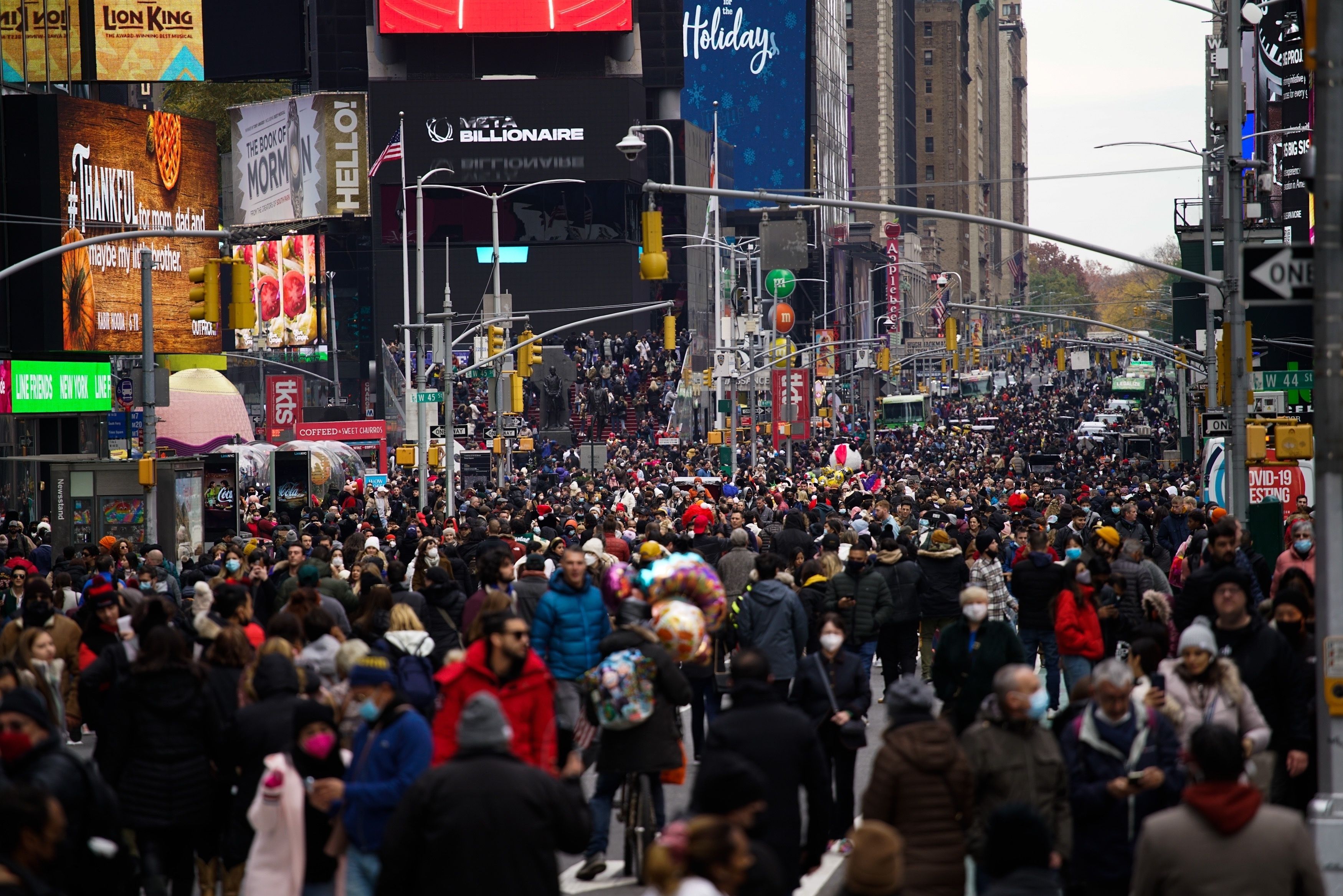
Times Square after the Macy's Thanksgiving Day Parade.
5. The Netflix effect: True-crime shows change real world
Illustration: Shoshana Gordon/Axios
True-crime documentaries, podcasts and social media campaigns are spurring action on real-world cases, Axios' Sara Fischer and Neal Rothschild report.
Why it matters: New-media platforms can instantly put a national spotlight on cases that had been forgotten or buried under red tape.
- Two men convicted of killing civil rights activist Malcolm X were exonerated last week, shortly after a docu-series titled "Who Killed Malcolm X?" aired on Netflix.
- Britney Spears was freed from her conservatorship after 13 years, following a massive #FreeBritney social-media movement inspired by a New York Times documentary, "Framing Britney Spears," on Hulu.
- Julius Jones was granted clemency last week, just hours before he was set to be executed for the 1999 murder of Paul Howell. The decision followed weeks of intense pressure from Kim Kardashian and other celebrities.
Reality check: These public projects don't always change the legal outcome.
- The "Serial" podcast series led millions of listeners to question whether Adnan Syed had been wrongly convicted of murder, but the courts ultimately denied him a new trial.
Flashback: Documentary films have long helped to shape criminal cases. Errol Morris' film "The Thin Blue Line" helped to exonerate its main subject.
🎞️ Go deeper: On Monday, a 61-year-old man was exonerated for the 1981 rape of Alice Sebold, author of "Lucky" and "The Lovely Bones," after the executive producer of a planned film adaptation of her raw memoir became skeptical of the conviction, quit the project and hired a P.I.
6. 1 for the road: Tree season


Axios Local asked readers across the country to weigh in on a polarizing question: How early is too early to put up your tree?
The verdict: Now's the time. Go nuts.
- 55% of 1,834 readers (this was a fun thing, not a scientific poll) said the appropriate time to put up a tree is in November, after Thanksgiving.
- Only 20% said it was OK pre-turkey.
The Grinch must have voted a couple of times: 2% of readers said a tree is only acceptable after Dec. 20.
- Sign up for your city's Axios Local newsletter. We have 14 and are hiring for 11 more.
📬 Was this email forwarded to you? Sign up here for your own copy of Axios AM and Axios PM.
Sign up for Axios AM

Catch up with the most important news of the day