Axios AM

October 15, 2026

1 big thing: Chuck's final fight
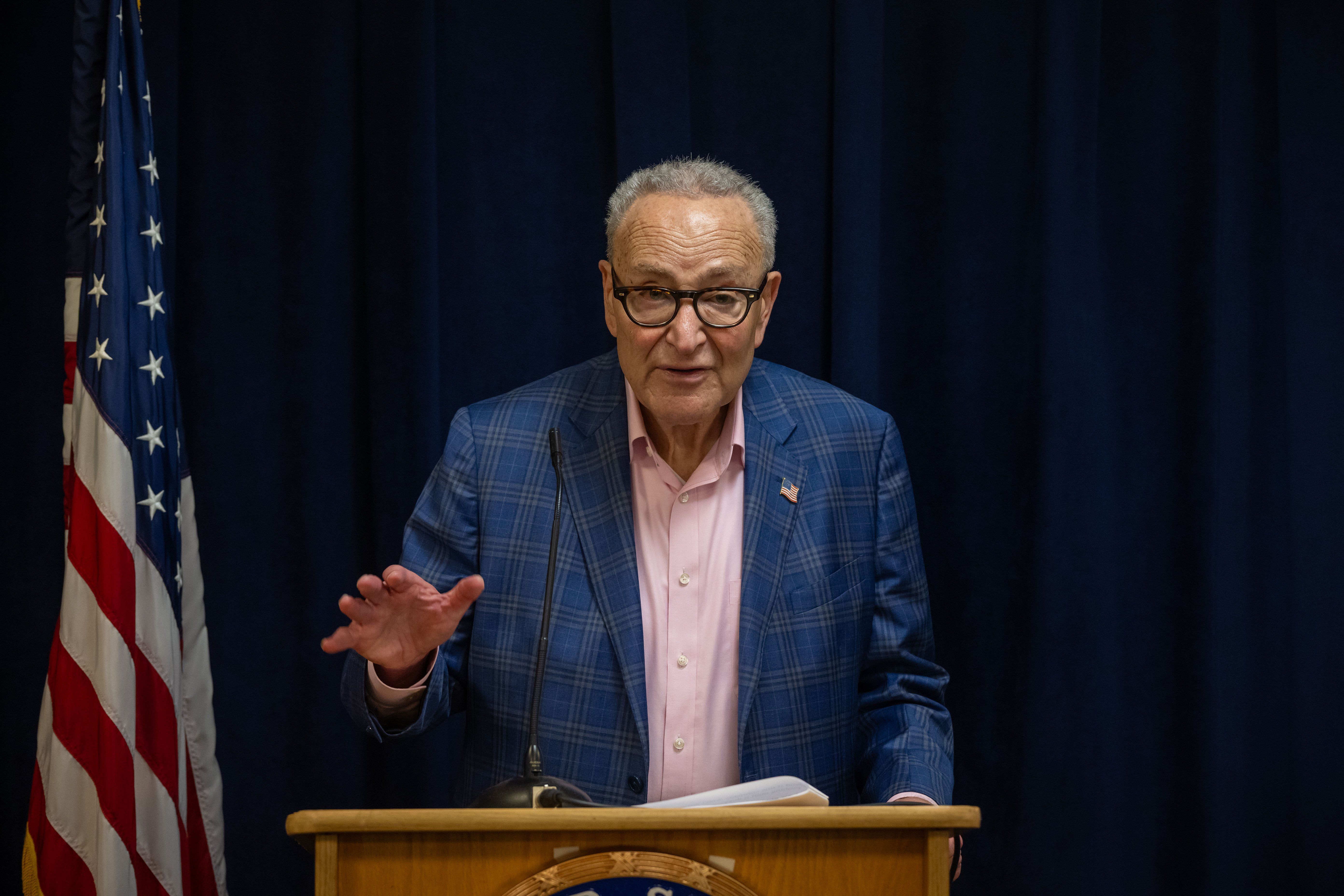
Senate Minority Leader Chuck Schumer (D-N.Y.) is on the cusp of leading his party to midterm victory and reclaiming his title as Senate majority leader.
- Winning the majority isn't a done deal. But this son of Brooklyn, who has been in public life for 52 years, is more than favored to win a secret ballot to remain Democratic leader, Axios' Hans Nichols writes.
Why it matters: At age 75 (76 by the time the new Congress convenes in January), Charles Ellis Schumer, an old-school pol who visits all 62 of New York's counties every year, looks poised to do what very few people do in life — go out on top.
🏛️ Behind the scenes: For starters, Democratic senators aren't quietly maneuvering — or publicly positioning themselves — to take the top job, according to senior aides. You can't beat someone with no one.
- A handful of Democratic Senate candidates, including Abdul El-Sayed in Michigan and Troy Jackson in Maine, haven't committed to supporting Schumer for leader. But they likely don't have the votes to stage a coup. And Schumer's super PAC is spending heavily to get them across the line.
That calculus could change if Republicans overperform expectations with a massive win, potentially triggering a serious leadership challenge.
- Otherwise, the job is Schumer's for the asking — and he's asking. "I am running for re-election for leader. Period," he said two weeks ago.
🗽 The intrigue: The bigger question surrounding Schumer involves 2028 and whether he'd retire at the top of his game or risk an embarrassing primary loss to, perhaps, Rep. Alexandria Ocasio-Cortez, who was born in the Bronx and represents parts of the Bronx and Queens.
- If Schumer decided to retire, he could spend his final two years in leadership, freed from the political pressures that have defined his career.
That would give Senate Republicans and President Trump an entirely new political animal to contend with: YOLO Chuck.
- Republican YOLO senators (with nothing left to lose, since You Only Live Once) have been playing hardball with President Trump. But it's unclear how a YOLO Chuck would act as majority leader.
💡 Between the lines: Schumer finds himself in a position remarkably similar to that of the man he'd replace: Senate Majority Leader John Thune.
- Both are distrusted by their parties' most vocal activists. The insults hurled at them — weak, coward, sellout — are almost interchangeable.
- But most of the criticism comes from outside the chamber. Behind closed doors, their caucuses are expected to close ranks.
The bottom line: If Schumer announces early in the next Congress that he won't seek another term as leader in 2028, Washington could find itself in an unusual position — with a term-limited president negotiating with a Senate majority leader who has nothing left to lose.
2. Musk's rescue mission
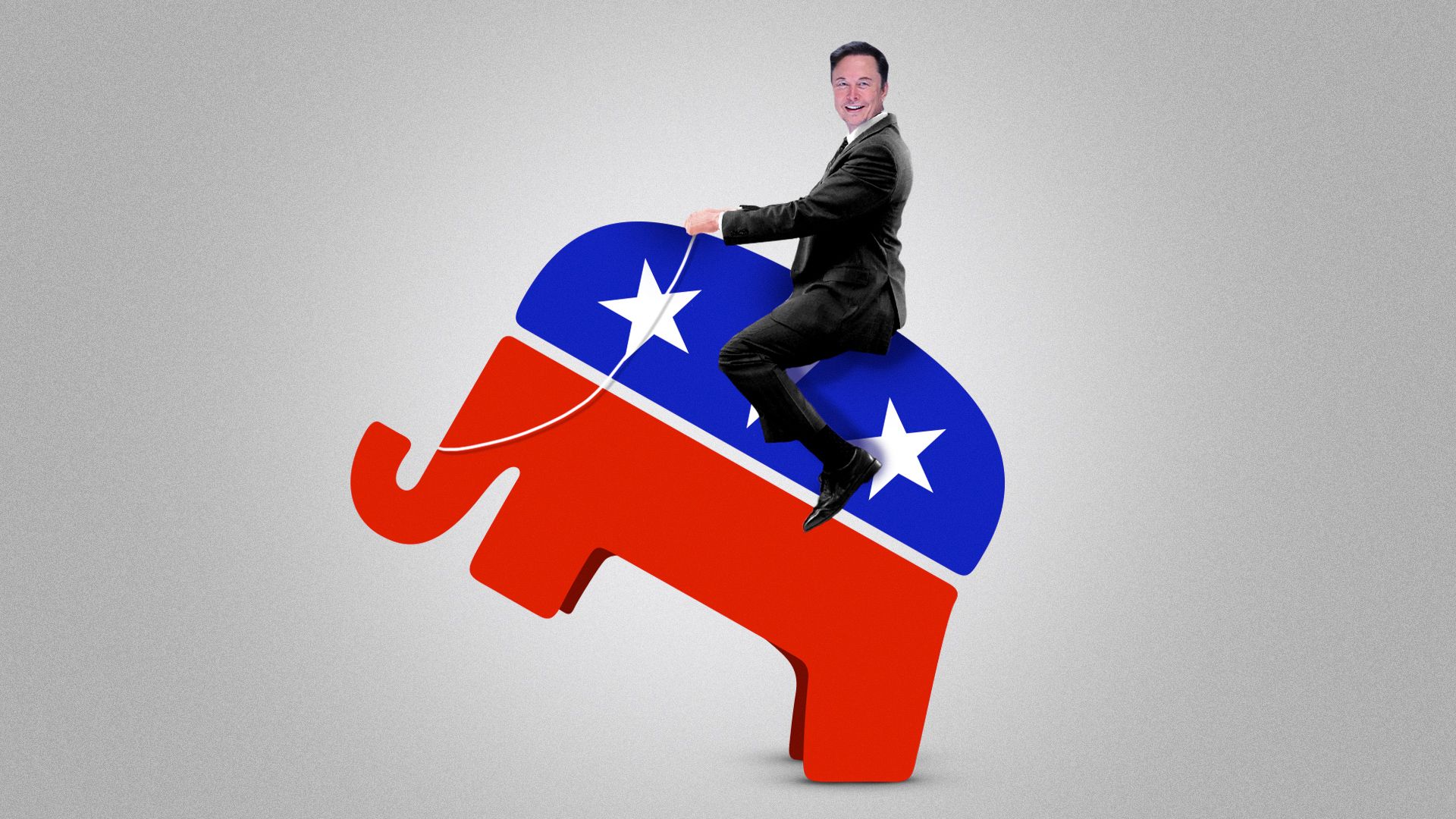
Elon Musk, by far the biggest known midterm donor, is single-handedly keeping the Republican Party afloat in some of its most vital races.
- Musk's team reached out to Republicans in late August to discuss a train wreck they all saw coming: Unless the GOP poured more money into Texas immediately, the state's Senate race could be lost in a matter of weeks, Axios' Alex Isenstadt reports.
Why it matters: That chat set in motion a massive rescue operation for Republican Ken Paxton funded substantially by Musk, the party's largest donor, who gave $158 million in September alone.
Musk's rescue gave Paxton's sleepy campaign new life and showed why the world's richest person is the X factor in the push to prevent a midterm debacle for President Trump's party.
- It also helped Republicans avoid a death-spiral scenario: that propping up Paxton in Texas would force them to drain badly needed resources from other Senate battlegrounds.
- Instead, Musk's money allowed Republicans to flood Texas' expensive TV markets and free up cash to shore up unexpectedly competitive races in Kansas and South Carolina.
🧮 By the numbers: Musk, the world's richest person, accounted for nearly 60% of the $273 million raised in Q3 by the Senate Leadership Fund, the main super PAC backing Senate Republicans.
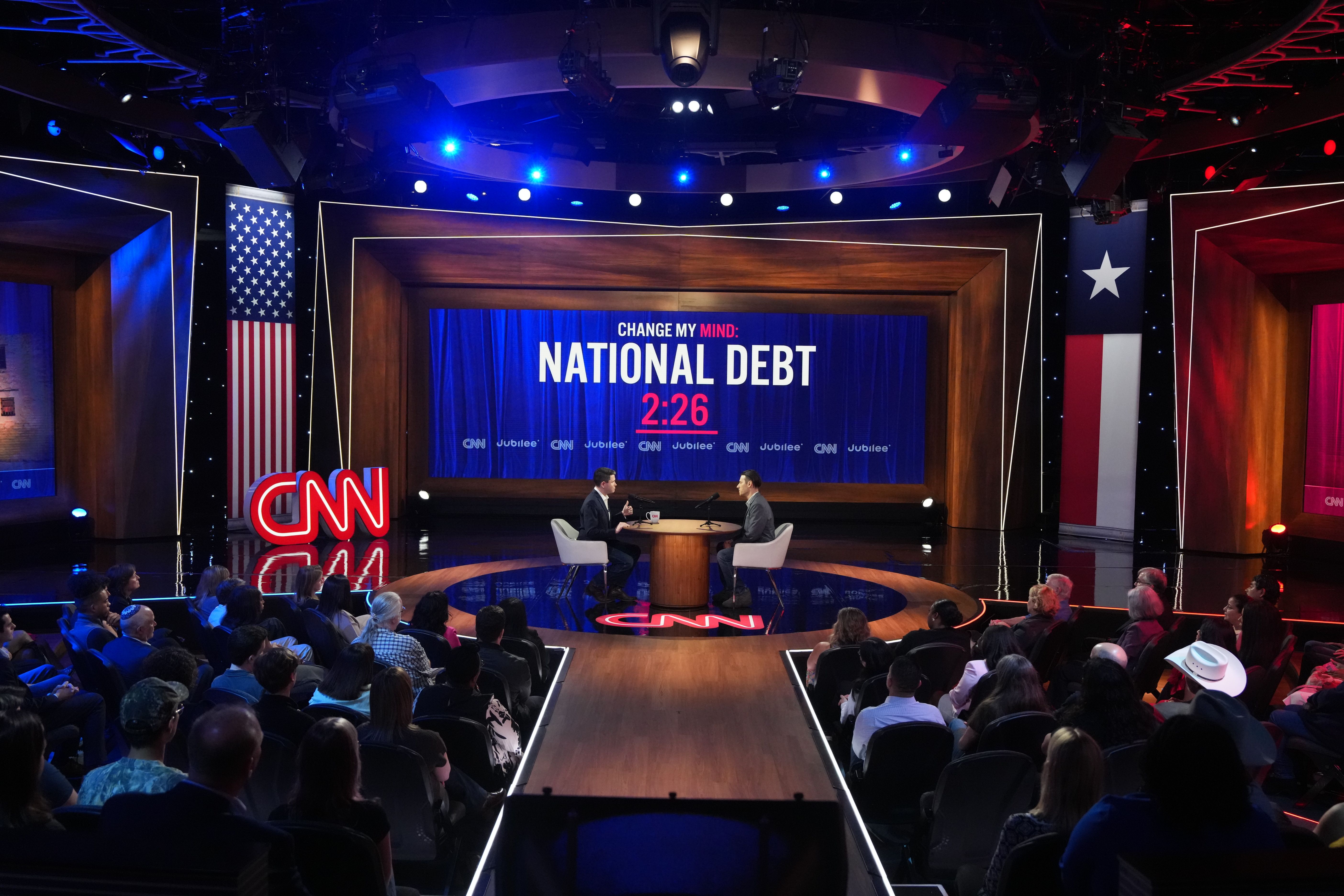
📺 At the end of a 90-minute CNN/Jubilee town hall in Fort Worth last night, James Talarico, Texas Democratic candidate for U.S. Senate, pointed out how civil and issue-oriented the conversation had been:
- "You may have noticed that I haven't talked about my opponent at all tonight ... I don't want people to vote just against Ken Paxton. I want them to vote for me. I want them to know my values and my vision."
- Talarico, 37, then hammered Paxton, 63, as "the most corrupt politician in Texas."
Moderator Erin Burnett said Paxton, the state attorney general, hadn't responded to an invitation for his own town hall.
3. 🤖 Anthropic gives Wall Street an AI bull case
4. 📉 Charted: CEO mood sours
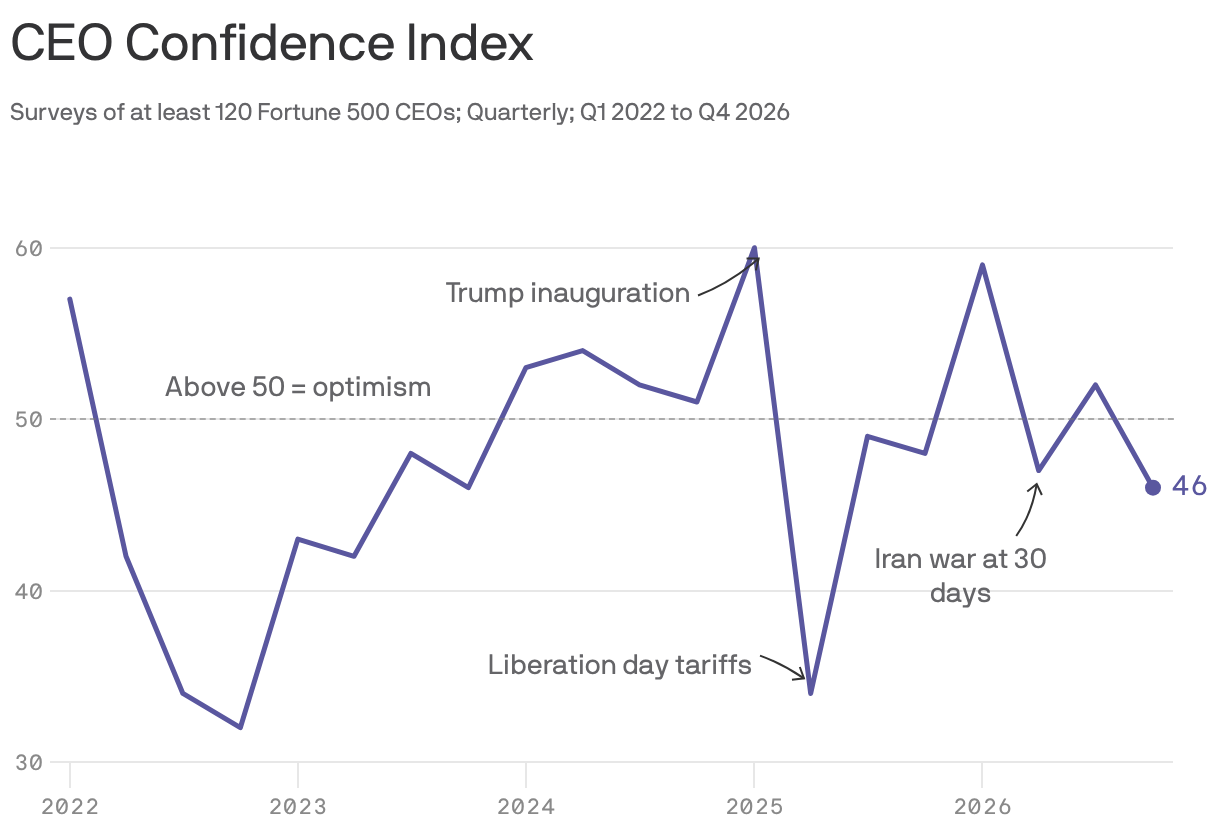
CEO confidence in the U.S. economy sank into negative territory earlier this month, Axios' Emily Peck writes from a Conference Board survey out this morning.
- The CEO Confidence Index — a survey of 131 Fortune 500 CEOs — fell to 46, down from 52 just three months ago. Any number below 50 signals negative sentiment.
⚠️ Threat level: 41% of CEOs expected economic conditions to worsen — up from 19% in the previous quarter.
- Executives' concerns over cybersecurity, AI and geopolitics rose significantly from three months ago.
5. ⚡ Scoop: "OG" Bill Gates returns for AI fight

6. 🪖 America's not ready for space war

7. 🐴 NYC reins in carriages

New York City lawmakers plan to ban horse-drawn carriages from Central Park, ending their more than 150-year run as an iconic, old-timey tourist attraction.
- Mayor Zohran Mamdani's office said he had reached a deal with the City Council speaker on the legislation that would end the rides by 2028.
The deal comes after decades of opposition from animal welfare activists and the death of a teenage tourist last spring.
8. 🖼️ 1 for the road: Apple's new era
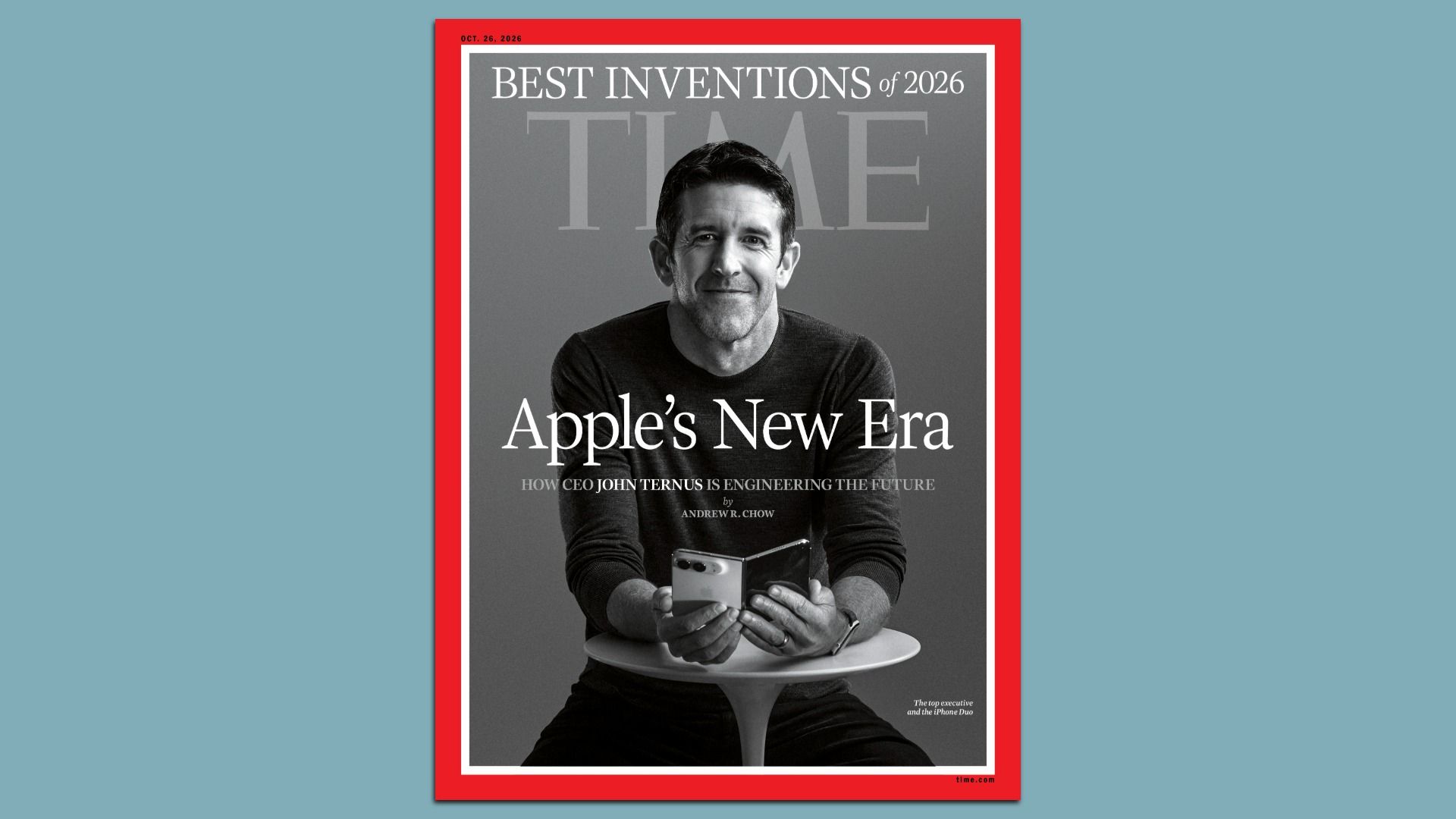
Apple CEO John Ternus — who took over for Tim Cook last month — is on the cover of TIME's annual "Best Inventions" issue with an iPhone Duo.
- The $1,999-and-up phone unfolds to the size of an open passport and will be released to the public a week from tomorrow.
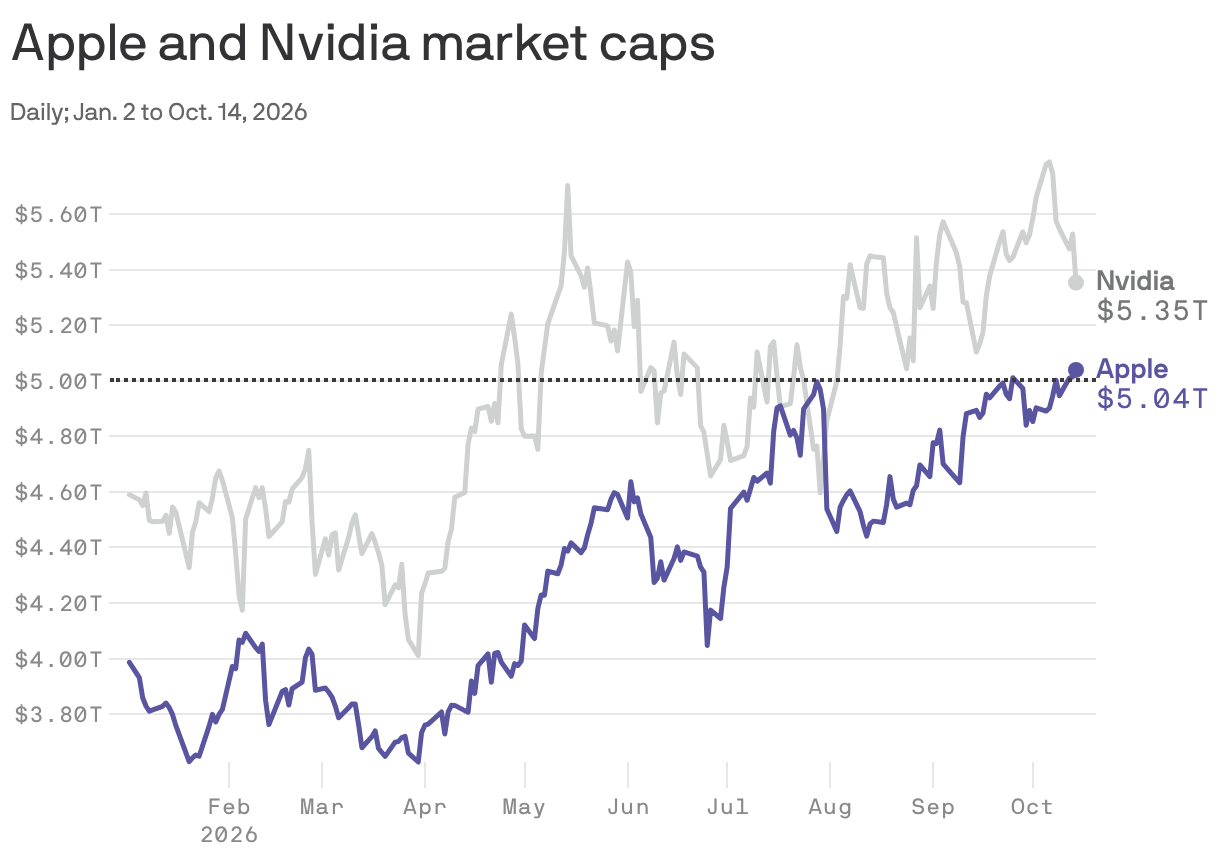
📈 Charted above: Apple's market cap closed above $5 trillion for the first time, making it the second company to reach the milestone after Nvidia.
Axios AM