Axios AM

June 19, 2025

1 big thing: Trump's gut-check

2. Part 2: "Constant pressure" to ease off

Some GOP lawmakers and activists believe the debate over immigration enforcement is far from over, Jim and Mike write.
- These sources note that Trump has already changed his mind twice, and that we haven't yet seen the true economic impact from waves of immigrant arrests.
🎙️ Steve Bannon — the powerful MAGA podcaster, and top aide in Trump's first term — believes the president once again could be swayed to go easy on such economically crucial industries.
- "There's constant pressure. There are constantly people coming to him," Bannon said yesterday at a press breakfast hosted by the Christian Science Monitor. "He's someone that takes the business community's interests in mind," Bannon added, referencing Trump's career in hotels and construction.
- Bannon also said that within the right-wing populist movement, Trump is actually a "moderate."
🔎 Behind the scenes: Axios reporters are hearing about low morale within ICE. The agency is being stressed by the demands by Miller and Noem that agents arrest 3,000 immigrants a day nationwide — a quota that many within ICE don't believe is achievable.
- Some agents are stressed by the tactics some of their colleagues are using in making arrests. Others are disheartened by the response that masked, heavily armed agents have received in several communities.
- We've also heard that some ICE agents are afraid of being fired for not meeting arrest quotas — the agency still hasn't hit the 3,000-per-day goal.
🏛️ What we're watching: Senate Agriculture Committee chair John Boozman (R-Ark.) told Axios he plans to meet with Agriculture Secretary Brooke Rollins again soon to discuss the worksite raids issue. In the meantime, he's been fielding complaints from farmers across the country.
- "A lot of their workforce have questionable papers, and so they're concerned," Boozman said. "When you get mixed signals, it breeds uncertainty. So it's hard for businesses to plan," he added, echoing the concerns many businesses have expressed about Trump's tariff policies.
Axios' Brittany Gibson, Stef W. Kight and Hans Nichols contributed reporting.
3. ⚡ Trump's big strike question
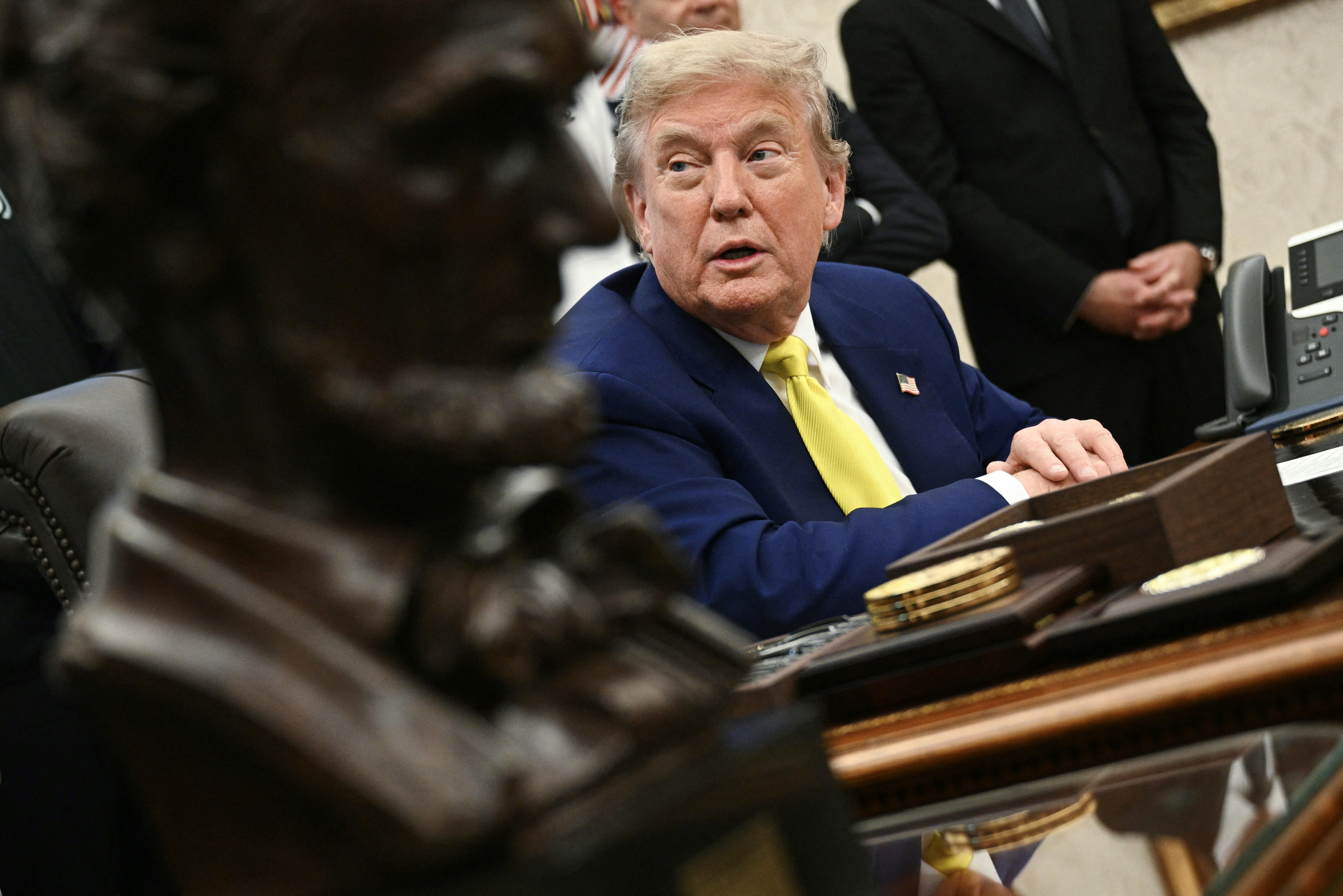
A key question that's on President Trump's mind these days, according to his advisers: If the U.S. joins Israel's war and drops its massive bunker busters, will they actually destroy Iran's most heavily fortified nuclear facility?
- Why it matters: Trump's doubts yesterday about the certainty of success are one reason he was still questioning whether to move forward with a strike, Axios' Barak Ravid and Marc Caputo write.
Trump wants to make sure such an attack is really needed, wouldn't drag the U.S. into a prolonged war in the Middle East — and most of all, would actually achieve the objective of destroying Iran's nuclear program, U.S. officials say.
🔎 Zoom in: If Trump enters the war, it almost certainly would be to destroy the Fordow uranium enrichment site, which is built into a mountain south of Tehran.
- It's at the top of Israel's target list. But Israel lacks the 30,000-pound bunker-buster bombs needed to destroy it from the air, along with the B-2 bomber aircraft to carry them. The U.S. has both within flying range of Iran.
- Israeli officials fear that if Fordow survives the war, Iran's nuclear program will, too.
Behind the scenes: Trump has specifically asked his military advisers whether the Massive Ordnance Penetrator (MOP) would destroy Fordow, a U.S. official said.
- Pentagon officials told Trump they're confident it would, according to the official. But it's not clear Trump was totally convinced.
- MOPs have never been used on the battlefield, though they went through several tests during development, current and former U.S. officials say.
👀 The other side: Israeli officials believe Trump will decide in favor of a U.S. strike, but contend they could cause significant damage to the Fordow facility even if forced to go it alone.
- Prime Minister Benjamin Netanyahu and Ambassador to Washington Yechiel Leiter hinted in recent interviews that the Israel Defense Forces have options beyond just airstrikes.
- One could be a risky commando raid. Israeli special forces conducted such an operation last September, albeit on a smaller scale, when they destroyed an underground missile factory in Syria by planting and detonating explosives.
Now that Israel has full control of Iran's air space and has dealt a heavy blow to Iran's military, that option appears less extreme than it otherwise would.
- A U.S. official said the Israelis told the Trump administration that while they may not be able to reach deep enough into the mountain with bombs, they may "do it with humans."
4. 💣 Axios Explains: The 30,000-pound bomb


The 30,000-pound bomb might be the most important weapon for Israel's war with Iran — and it's in the U.S. military's hands, Axios' Jason Lalljee writes.
- Why it matters: The U.S. alone possesses the world's most powerful non-nuclear bomb — and it's uniquely capable of targeting key Iranian facilities that Israel can't hit with its own weapons.
The bomb in question is the GBU-57 Massive Ordnance Penetrator, also known as the "MOP."
- It's also known as the "bunker buster." And bunker-busting is exactly what Israel's aim is.
- Iran's Fordow facility is built into a mountain and hundreds of feet underground — the kind of fortress the MOP is designed to penetrate.
Between the lines: Even the MOP would likely take two bombs hitting the exact same spot to destroy the facility, Robert Pape, a U.S. military historian, told the Financial Times.
5. ☣️ OpenAI's bioweapon warning

6. 🌡️ Mapped: First summer heat wave


Summer will make a dramatic entrance in the U.S. this week with a heat dome that will bring stifling temperatures and uncomfortable humidity to millions. (AP)
- The big picture: The high temperatures will be particularly worrisome this weekend across wide stretches of Nebraska, Illinois, Wisconsin and Iowa.
The heat will be widespread into next week:
- Denver could reach 100°F tomorrow, according to the National Weather Service.
- Chicago temperatures could reach 96°F on Sunday.
- On Tuesday, D.C. could see a high of 99°F. New York's Central Park could reach 96°F.
7. 🌳 Mapping Black family trees
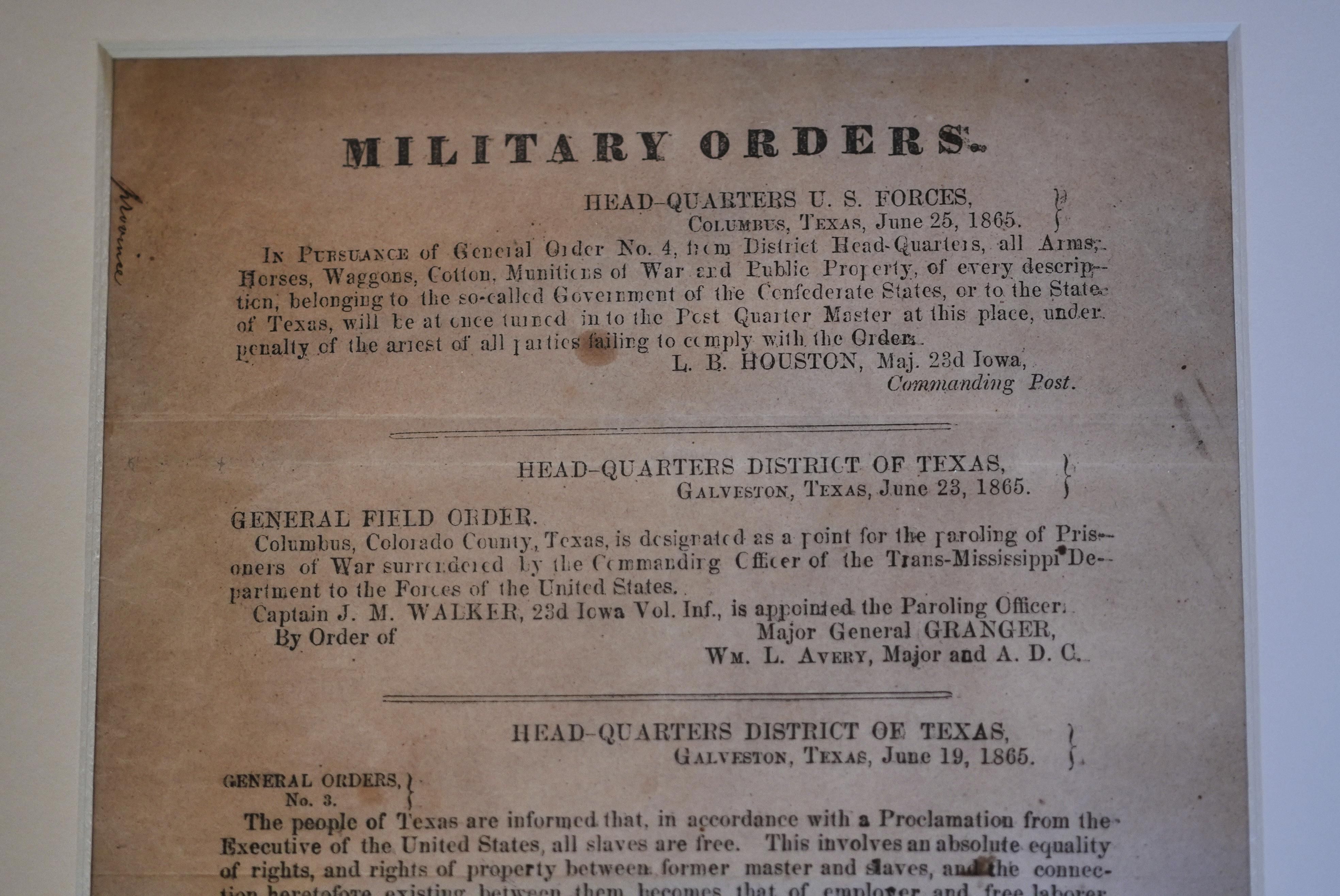
Two genealogy sites are adding troves of historical materials about enslaved people in the U.S. to databases, which could give many of their descendants a fuller picture of their families' histories, Axios' Russell Contreras writes.
- The moves — by Ancestry.com and a site run by Michigan State — come as the nation celebrates Juneteenth, the annual celebration of the end of slavery.
Why it matters: In recent years, descendants of enslaved people have gained unprecedented access to collections of long-lost family records online — made possible by advances in technology, AI, and DNA testing.
8. 💰 1 for the road: Lakers sale smashes records


The long-time owners of the Los Angeles Lakers — the Buss family — have agreed to sell the controlling stake of the franchise in a deal that values the franchise at $10 billion, ESPN's Shams Charania first reported.
- Why it matters: This would be the most ever paid for a pro sports team, topping the recent Boston Celtics sale agreement, Axios Pro Rata author Dan Primack notes.
Between the lines: The number probably could have been even higher had the Buss family launched a full-fledged sale process.
- Instead, the Buss family is said to have negotiated exclusively with Mark Walter, who bought a minority stake in 2021 in a deal that included a right of first refusal on any control sale.
- Walter is the CEO of TWG Global, which also owns the controlling interest in the Los Angeles Dodgers and Premier League club Chelsea.
Axios AM