Axios AM

July 06, 2026

1 big thing: Vance's hot summer
2. ⚽ Inside Trump's FIFA call
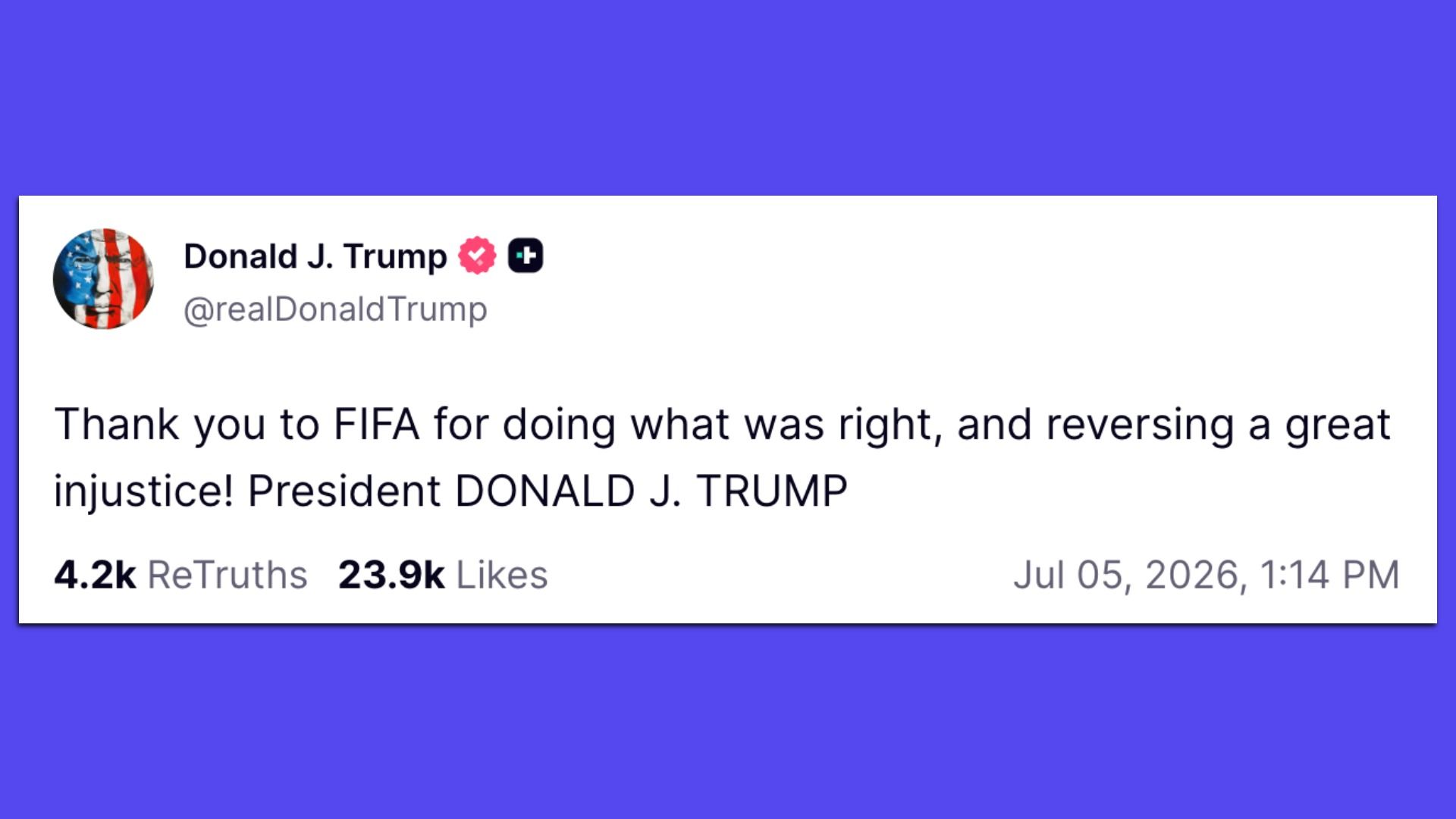
President Trump called FIFA President Gianni Infantino about U.S. striker Folarin Balogun's suspension before soccer's governing body lifted it, clearing him to play Belgium tonight, U.S. officials tell Axios' Marc Caputo and Rebecca Falconer.
- Why it matters: The reversal — and the White House's role in it — has become the biggest twist of this year's World Cup.
Balogun drew a red card in Team USA's 2–0 win over Bosnia-Herzegovina.
- The reversal appears to be the first time since 1962 that a red card during a World Cup didn't result in a suspension.
- FIFA cited Article 27 of its rules, which lets its disciplinary committee "fully or partially suspend the implementation of a disciplinary measure" and place a player on probation instead.
🔎 Zoom in: Trump called Infantino to understand why a red card was given to Balogun and why the one-game suspension was imposed, according to a source familiar with the call.
- Infantino explained the rules, noted the U.S. had already filed a challenge, and said an independent FIFA body was reviewing the matter. "There's nothing I can do," Infantino said, per the source.
- "He wanted to understand what the red card meant and what the process is," a source familiar with the call said, adding that Trump "just knew the guy was 'suspended'" and isn't "a soccer guy."
👀 Behind the scenes: The effort to challenge the red card started before Trump's call.
- Commerce Secretary Howard Lutnick, who led the U.S. delegation to the Bosnia game, read through FIFA's rules on the flight home and began mapping out how the U.S. might contest the call.
- Andrew Giuliani, executive director of the White House Task Force on the World Cup, then took up the effort, pulling in Trump-aligned lawyers and supporters to pressure FIFA.
A Trump adviser downplayed the idea that the president shaped the outcome, noting he hadn't asked Infantino for specific action: "If Trump had put his thumb on the scale and achieved this result, he would have a field day bragging about it."
- 📺 What's next: The U.S. men's national team faces Belgium tonight at 8 ET in Seattle in the Round of 16 (Fox). Oddsmakers call it a coin flip as the U.S. tries to make the quarterfinals for the first time in 24 years. Match Day preview.
3. 📱 Memory chip squeeze


Memory chip makers are raking in record profits with no end in sight. You'll see it in the price of your next phone or laptop, Axios Markets co-author Matt Phillips writes.
- Why it matters: Shares of Micron Technology, Sandisk and the like have helped carry the market over the last year, as seemingly inexhaustible demand from the AI boom pushed profitability to unprecedented levels.
🔬 Zoom in: Prices for DRAM memory chips used in PCs and servers were up roughly 660% in the year through June, according to data from Bernstein Research.
- Benchmark prices for broadly used NAND flash memory — which allows devices to retain data when powered off — are also up 660% over the last year.
- Apple has blamed surging memory costs for its recent price increases.
🇨🇳 Between the lines: Bernstein's Mark Newman warned that desperate buyers may push the government to loosen restrictions on cheaper Chinese memory chips — some from companies currently blacklisted by the Pentagon.
- Get Axios Business Suite: 3 daily newsletters.
4. 📸 1,000 words
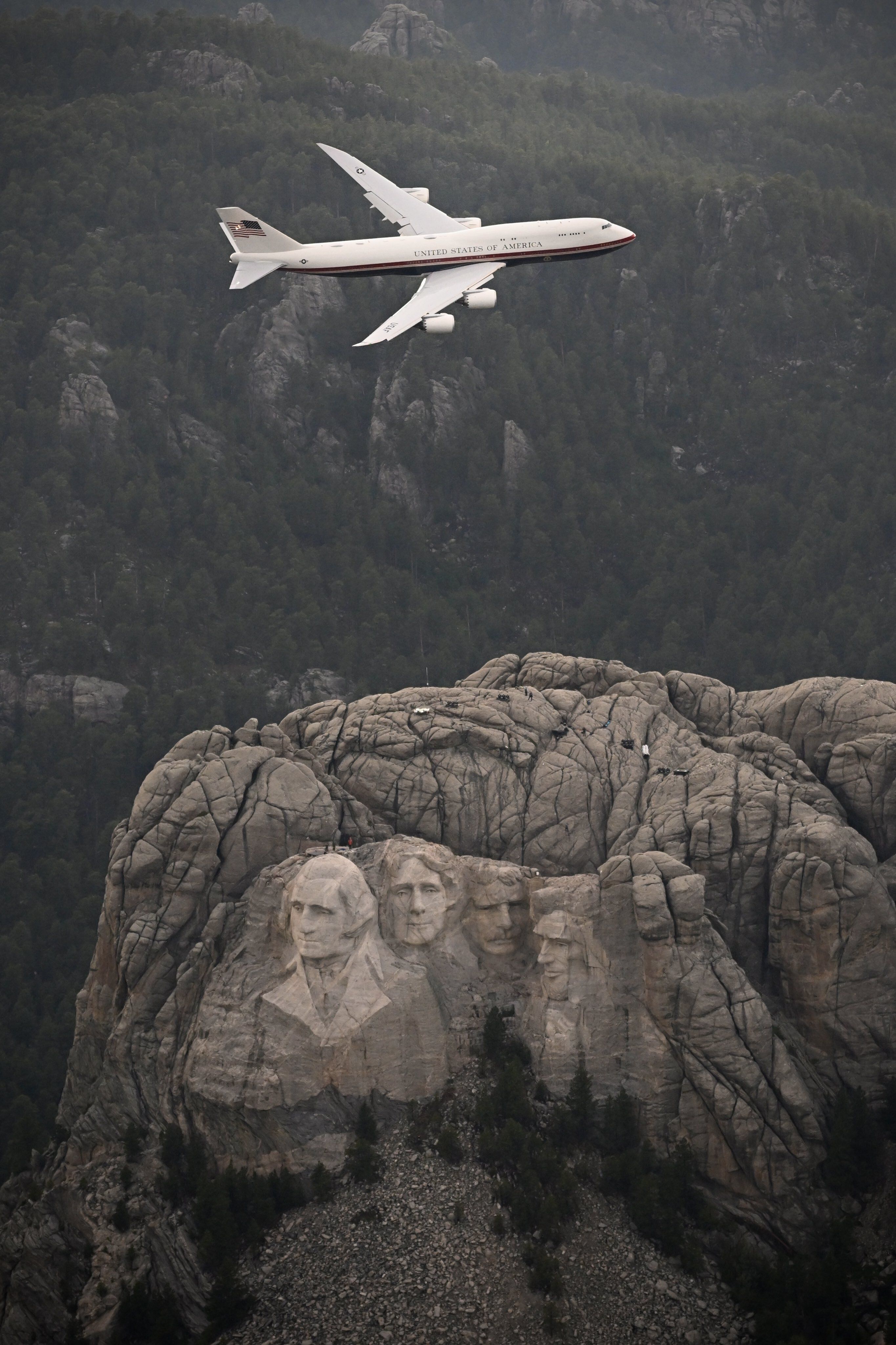
President Trump flies over Mount Rushmore aboard the new Air Force One on Friday. Chief White House photographer Daniel Torok tells the story behind the image:
"In 2001, the iconic Air Force One was photographed flying over Mount Rushmore. Twenty-five years later, hanging out of a South Dakota Air National Guard Black Hawk with Isaac Apon, we photographed its successor — the new Air Force One (VC-25B) — flying once again over one of America's most iconic monuments."
5. 🩺 Medicare for All gets new life
6. 🪫 Trump's clean-energy toll


The GOP budget law President Trump signed a year ago has darkened the outlook for some clean-energy sources, but stopped far short of strangling low-carbon tech, Axios' Ben Geman writes.
- 🚘 EVs fell to 5.9% of new U.S. car sales in the second quarter of 2026, per Cox Automotive — about two points below a year earlier (charted above).
- 🪁 On wind, BloombergNEF's now projects 42% less power-generating capacity than it did before the law. It also pared back solar forecasts.
- 🏭 On manufacturing, the U.S. has seen billions of dollars in project cancellations spanning batteries, EVs and industrial decarbonization equipment, per joint tracking from MIT and Rhodium Group researchers.
The other side: Rising power demand, including Big Tech's voracious energy needs for AI, is offsetting some of the headwinds the 2025 law created.
7. 🤖 Trading AI compute like oil
8. 🎆 1 for the road: D.C.'s July 4th hangover
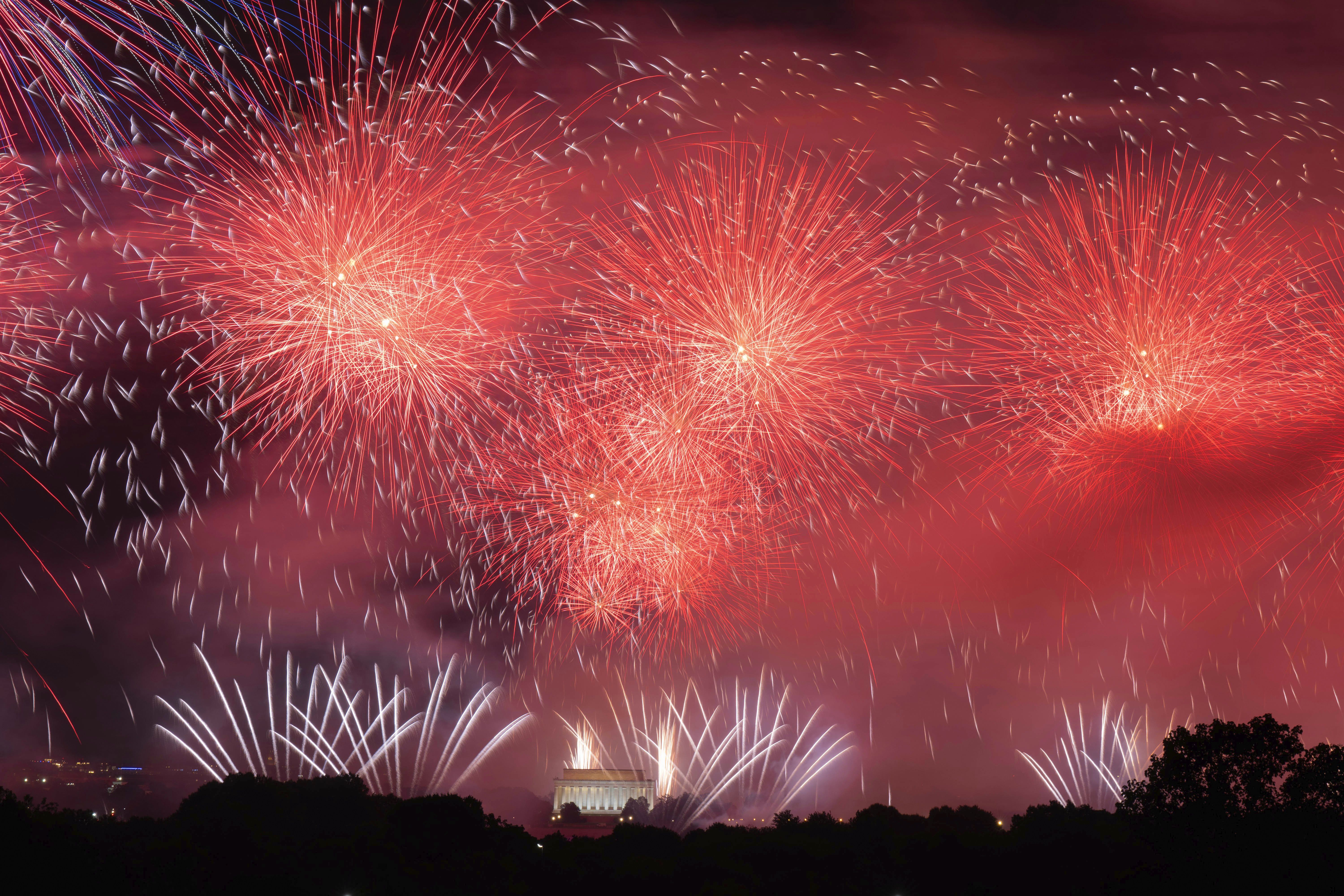
Washington is recovering from all the ingredients of an epic July 4th hangover: a late night, too much sun and a heaping dose of secondhand smoke, Axios D.C.'s Mimi Montgomery and Cuneyt Dil write.
- Why it matters: The lead-up to the 250th extravaganza — a swath of road, airspace and river closures; hordes of tourists and traffic — has already put locals on edge.
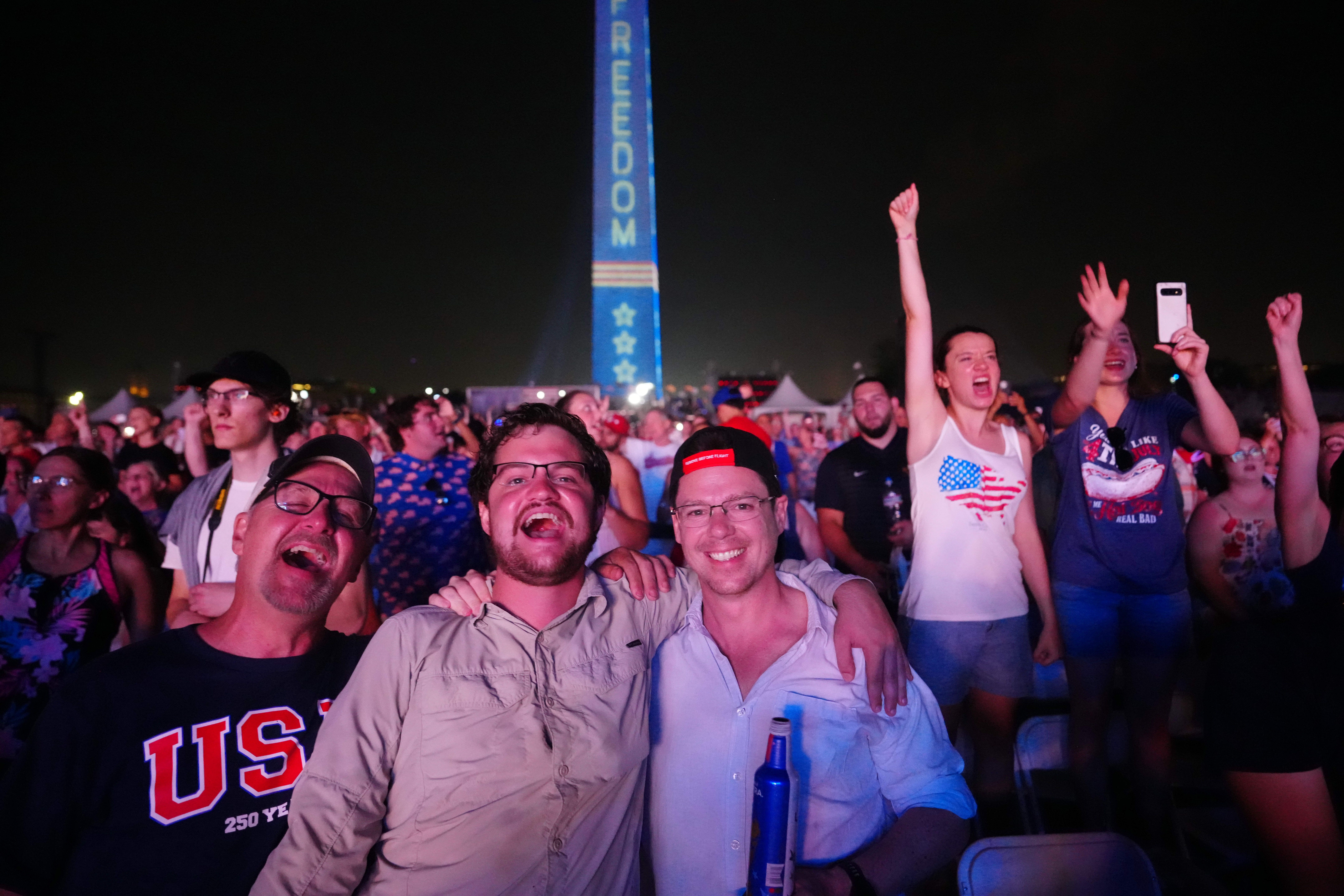
Then came the event itself: Severe storms prompted National Mall evacuations. Extreme heat left attendees baking in long lines. And a world-record fireworks attempt produced so much smoke that some spectators couldn't see the finale.
- But as the N.Y. Times puts it on today's front page: "No Ruining This Birthday Party."
Axios AM