Axios AM

July 22, 2026

1 big thing — Exclusive: Jensen defends Chinese AI
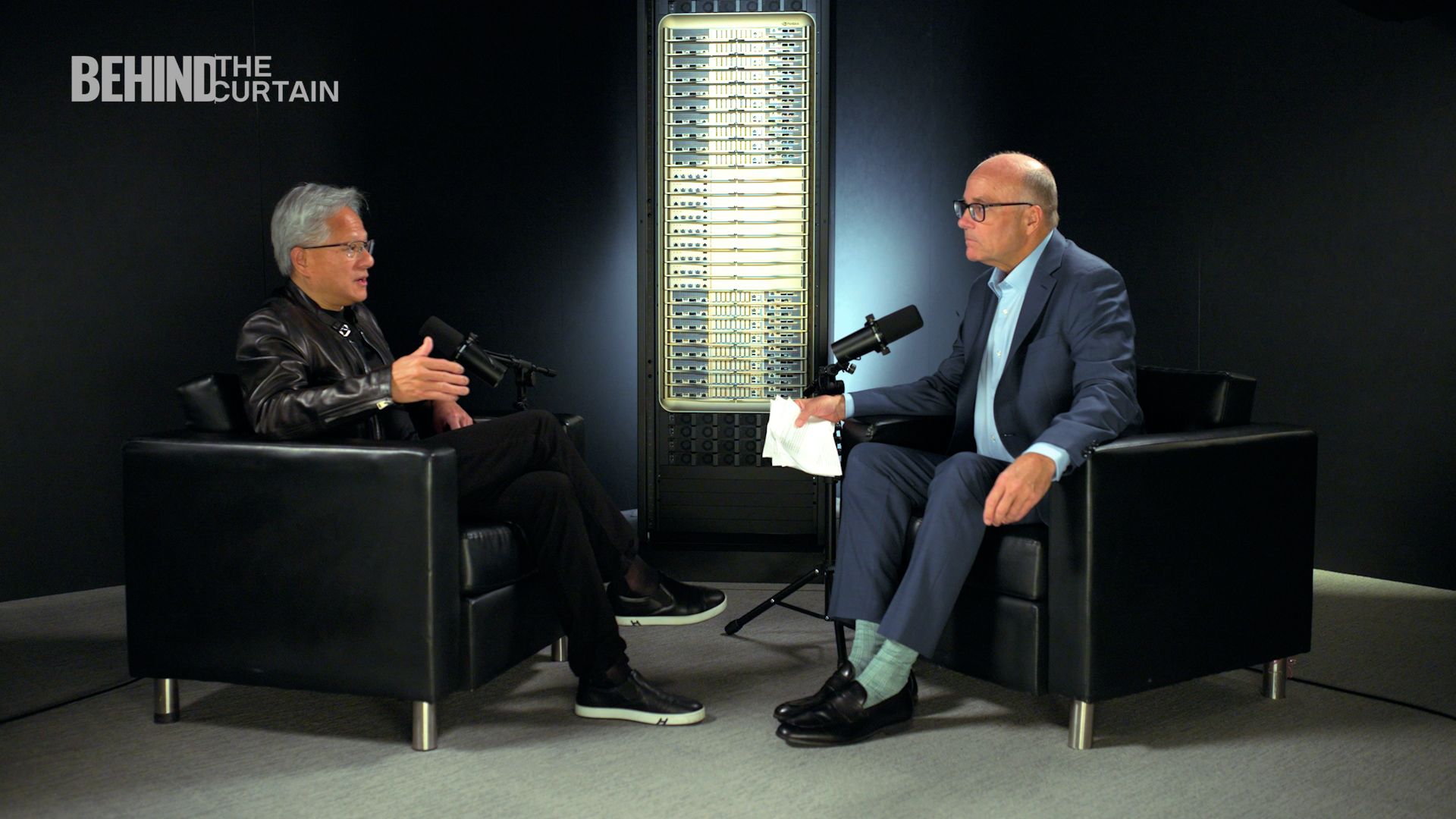
Nvidia CEO Jensen Huang believes America has nothing to fear from China's open-source AI models — and everything to fear from the growing campaign to ban them.
- "These Chinese models are excellent," Huang told me yesterday in an exclusive interview for our "Behind the Curtain" video series. "Open-source models that are excellent should be used."
Why it matters: The world's top AI chipmaker says American companies should "absolutely" be allowed to use Chinese models — a direct challenge to Trump officials and the U.S. labs lobbying Washington to shut them out.
Among them are Nvidia's own customers, OpenAI and Anthropic, which have accused Chinese rivals of siphoning capabilities from their models and warned that Beijing's open-source surge threatens America's AI lead.
- Huang rejected the idea that OpenAI and Anthropic should fear open models, arguing they expand the market by giving more people a first taste of AI, while many users will still pay for the convenience, reliability and stronger performance of closed services.
- "There's no scenario where China runs U.S. companies off the road," he told us. "Zero possibility."
- Huang sat down with me in Fort Worth, Texas, at the opening of a new phase of an advanced manufacturing plant where Taiwan-based Wistron makes AI infrastructure for Nvidia, showing the U.S. is capable of some of the world's most sophisticated manufacturing.
🖼️ The big picture: The release of Kimi K3 by Beijing-based Moonshot AI has triggered the most intense bout of AI panic since DeepSeek rattled financial markets in January 2025.
- Kimi combines three qualities rarely seen together: near-frontier performance, dramatically lower prices and open weights that developers will soon be able to download and customize.
- That combination helped fuel a sell-off of Nvidia and other chip stocks, reviving fears that cheaper, more efficient models could undercut the case for the industry's massive AI infrastructure buildout.
Zoom in: Huang says Wall Street and Washington have the Kimi shock exactly backward.
- "The market misunderstood the impact of DeepSeek the first time," he told Axios, adding that Wall Street has "misunderstood the impact of Kimi again this time."
- His argument is simple: Cheaper, open models will bring AI to more people and businesses, increasing demand for the chips, data centers and computing power Nvidia sells.
- "Free AI should be great for hardware," Huang said. "Free AI should be great for chips. Free AI should be great for data centers."
🔭 Zoom out: When it comes to policy, Huang believes restricting open models in the name of national security could leave America more vulnerable.
- He rejected the "misconception" that downloaded Chinese models create a "backdoor" to Beijing, arguing that companies can customize them and control their access inside secure "sandboxes."
- Huang suggested openness makes AI more secure, not less, because outside researchers can inspect the models, expose weaknesses and build defenses.
- "If everything just becomes one single model, one single point of attack, one single source of failure, I think the world is much, much more vulnerable," he said.
Huang applied the same logic to American models, and called on Anthropic to make its restricted cyber model, Claude Mythos, available to "everyone" rather than limiting access.
- Huang argued that companies should harden powerful models through testing and rapid fixes rather than restricting access from the outset. "Mythos should be available as a service," he said. "Remember: Just because Mythos is not available, open models are available anyhow. So I think: Let Anthropic run."
- "Holding Anthropic back is not in the benefit of the United States," he said.
🔬 Between the lines: Huang sees the AI race itself very differently from Washington, where some Trump advisers have cast China's gains as a five-alarm threat to U.S. dominance.
- He dismissed the notion that it's "a race with an endpoint": "We're going to continue to use AI forever. The United States is going to be here for a long time. China's going to be here for a long time."
2. 💪 AI giants flex in Washington

3. ⚖️ Trump doesn't plan to block Tate extradition
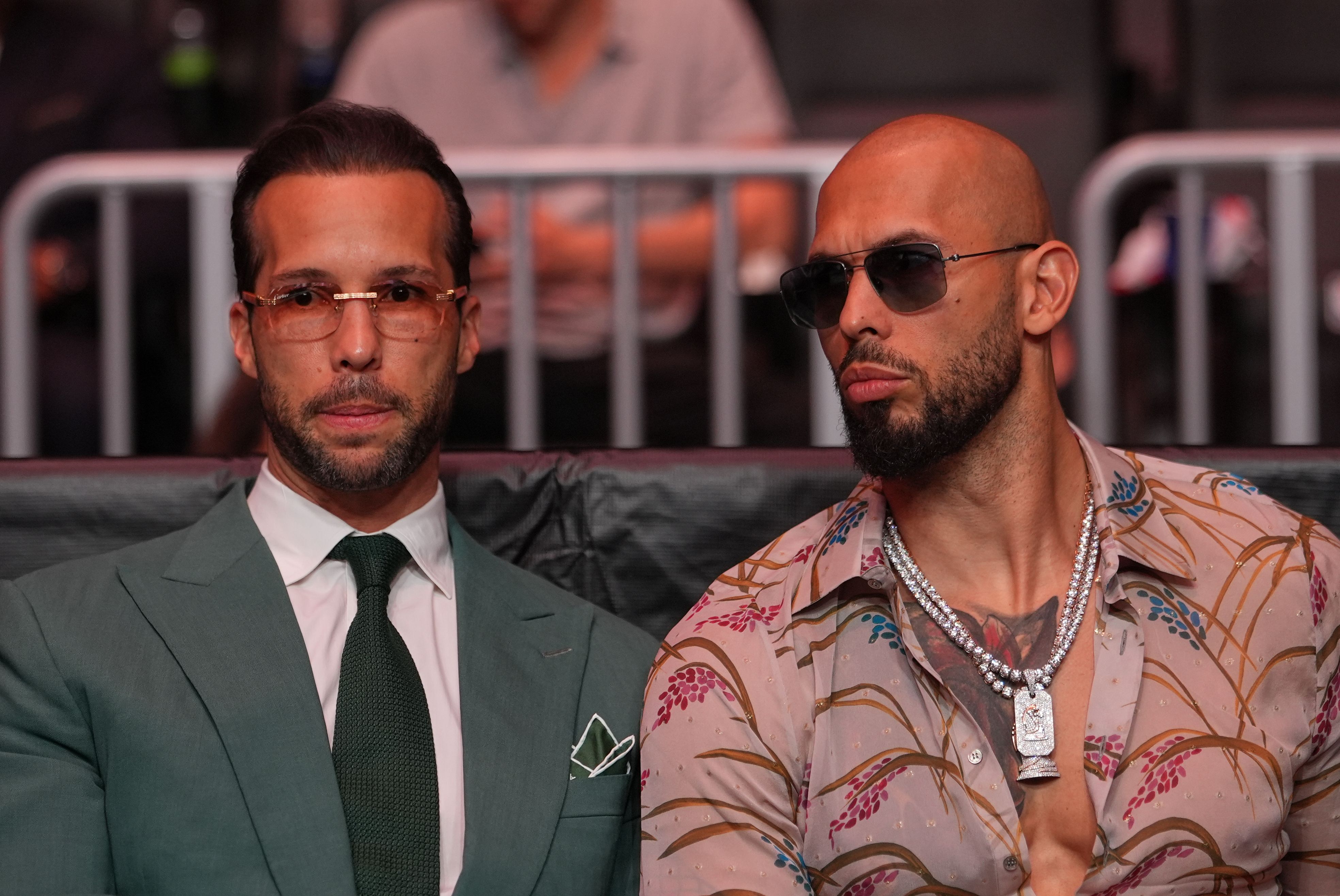
President Trump and Secretary of State Marco Rubio aren't planning to block the extradition to the U.K. of the Tate brothers, the notorious "manosphere" influencers accused of rape and human trafficking, Axios' Marc Caputo writes.
- Why it matters: Andrew and Tristan Tate were part of the coalition of hyper-masculine social media voices advocating for Trump when he was reelected in 2024. The brothers have reported connections to two of Trump's sons and have had support from top Trump advisers.
Officially and publicly, Trump and his administration have kept the Tates at arm's length because of their sordid reputations.
- "The U.S. has an extradition treaty with the U.K. and the administration intends to honor it in this case," a senior administration official told Axios.
- U.S. marshals arrested the Tates in Miami on Saturday after British authorities issued 38 new sex-crime charges against the brothers, bringing the total combined counts against them to 59.
🔎 Behind the scenes: Those who know Rubio's thinking say the secretary, a conservative Catholic who fought as a U.S. senator for stronger human trafficking laws and protections for victims, isn't inclined to help the Tates.
- "Marco thinks these guys are scum," said one source. "Now if the president overrules him, which I don't think is likely, he's got a problem."
- A source familiar with Trump's thinking said the president wants nothing to do with the brothers.
- "The Tates want to pretend they were responsible for the president's victory [in 2024], but they weren't part of our strategy and the president doesn't know them," a former Trump campaign adviser said.
4. 🏛️ Charted: Trump's exit rate


Senior Trump administration officials are leaving office in record numbers 18 months after Inauguration Day — outpacing even the churn from President Trump's first term, according to data from the Partnership for Public Service.
- 27 Senate-confirmed officials within the Cabinet departments have left their positions, nearly 2 1/2 times the number from Trump 1.0.
With departures piling up, Trump has been slow to nominate replacements.
- He has made fewer Senate-confirmed nominations than any president since Reagan, shifting more posts to acting officials who skip Senate confirmation.
5. 💰 Trump's new tariff playbook
6. 🌵 Trump allies win big in Arizona
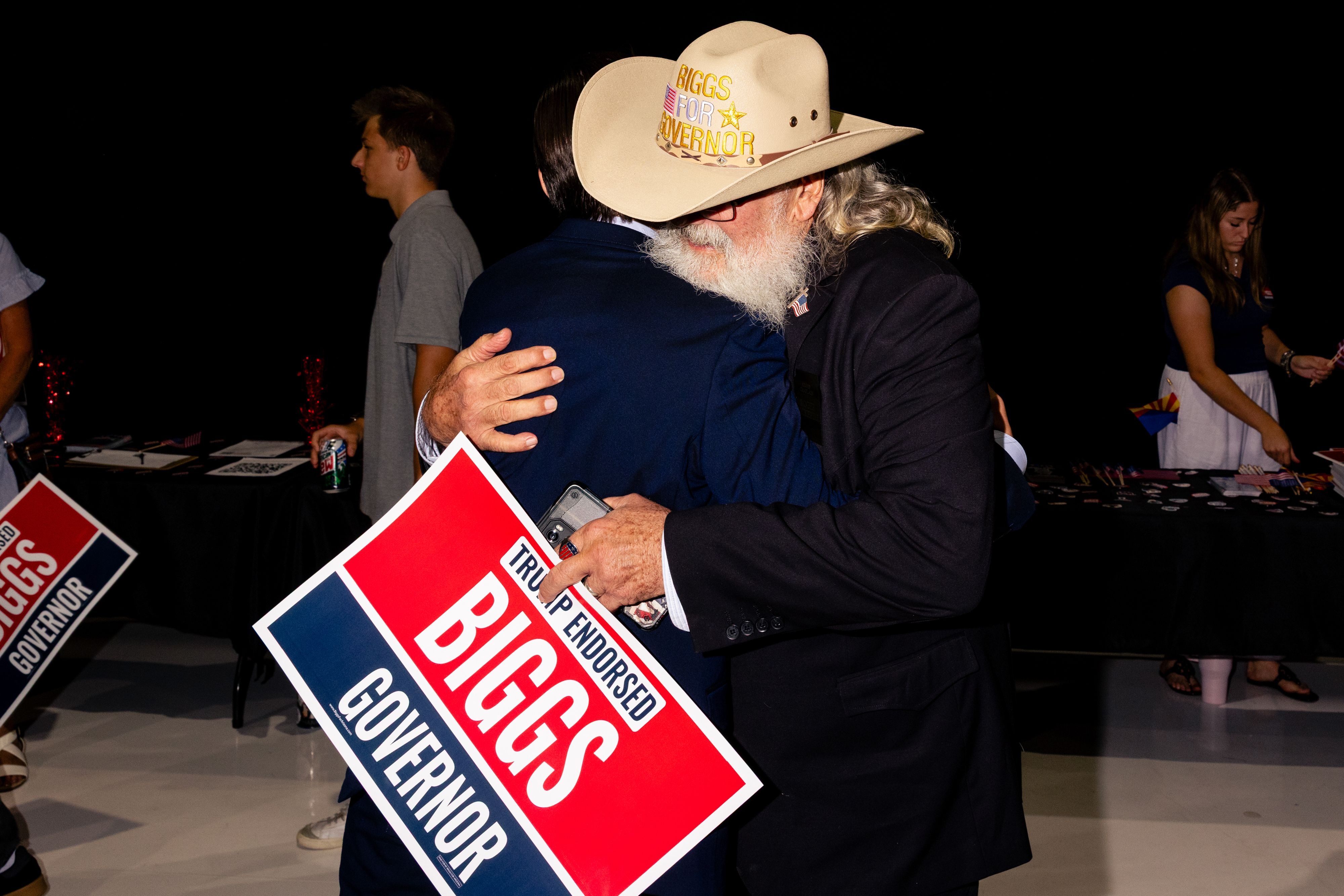
President Trump's candidates cruised in two of Arizona's marquee primaries yesterday:
- Rep. Andy Biggs, a former House Freedom Caucus chair and fierce Trump ally, won the GOP's nomination for governor by 58 points (73% to 15%) over the more scandal-prone Rep. David Schweikert and will face Democratic Gov. Katie Hobbs.
- Former NFL kicker Jay Feely, also backed by Trump, beat back a more right-wing challenger for the competitive 1st Congressional District. Physician and former state Rep. Amish Shah leads the Democratic primary so far.
State Senate President Warren Petersen will now face one of the more vigorous Democratic attorneys general who has been challenging the Trump administration in court: Kris Mayes, who won her 2022 race by just 280 votes.
7. ⚽ World Cup ratings record


Sunday's World Cup final drew more than 62.8 million viewers in the U.S., making it the most-watched World Cup final and soccer telecast in American history, Axios' Kerry Flynn and Sara Fischer write.
- Nearly 39 million U.S. viewers watched the game on Fox, which had exclusive English-language broadcast rights in the U.S. Those figures are up 132% from the 2022 final, the company said.
- Nearly 24 million U.S. viewers tuned into the broadcast on Telemundo, which had exclusive Spanish-language broadcast rights in the U.S. Those figures are up 166% from the 2022 final on Telemundo.
8. 🦄 Scoop for the road: "Regime Change" passes 500,000
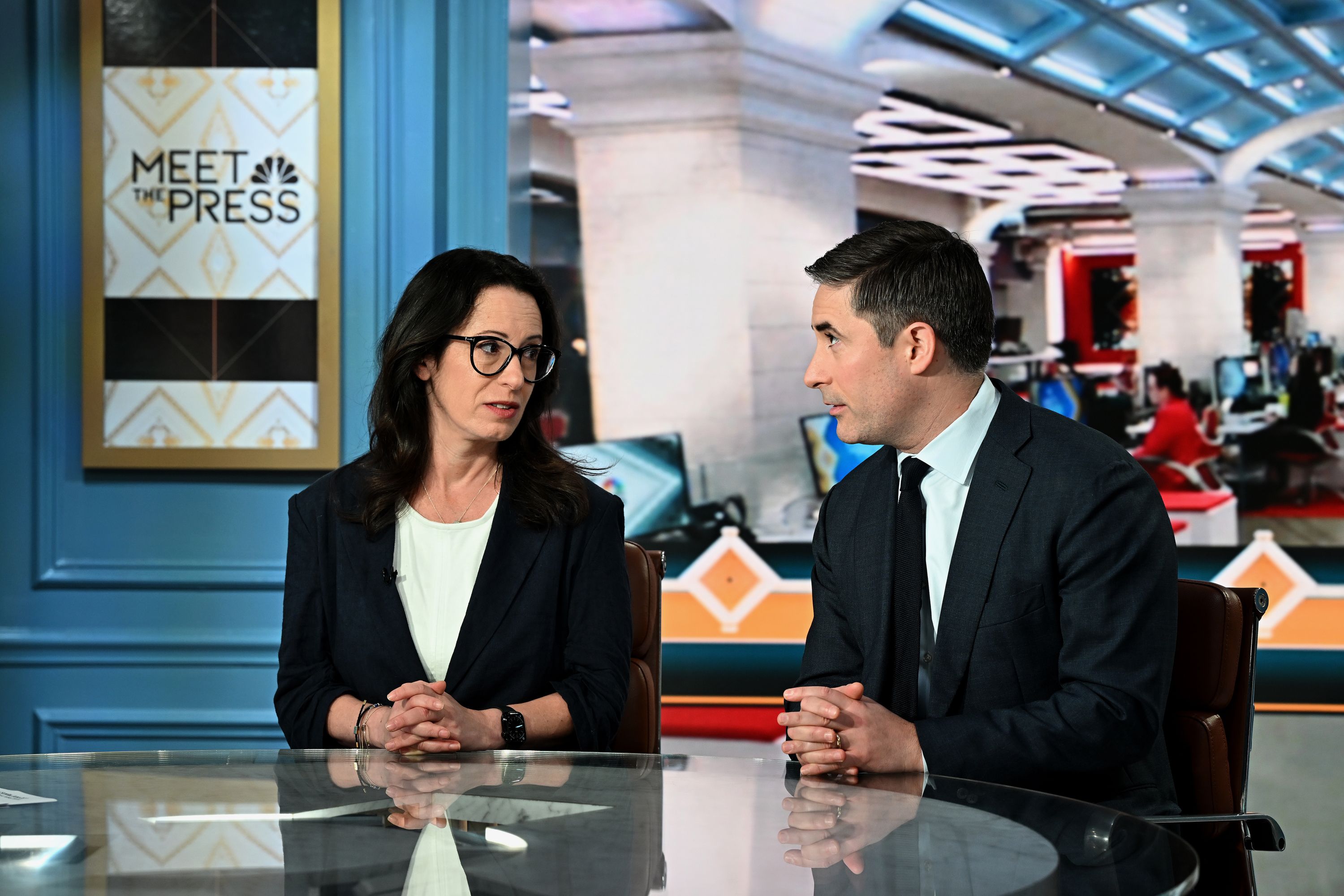
"Regime Change," the juicy exposé on President Trump's second term by Maggie Haberman and Jonathan Swan, has passed the publishing milestone of 500,000 units sold (hardcover, audio, e-book) in just one month.
- Publishing sources tell me the blockbuster is on track to be the bestselling nonfiction book of 2026. Simon & Schuster has ordered a seventh printing, bringing the total hardcovers in print to 460,000.
- "Reports of the death of the nonfiction book have been greatly exaggerated," said Matt Latimer of the Javelin agency, which represents Haberman.
📚 But this is a rare feat. "This doesn't necessarily mean that Trump books are back," said Keith Urbahn, Latimer's co-founder at Javelin. "It's still uphill sledding for political books."
- "This book is different," he added. "Maggie and Swan pierced the veil of a White House that has been pretty locked down on scoops and scenes. 'Regime Change' is a unicorn of publishing. It goes well beyond political circles to people who are hungry for a narrative and frame to make sense of Trump 2.0. Even Trump and his team aren't disputing the facts."
👓 Zoom in: The book has been No. 1 on The New York Times nonfiction bestseller list for three weeks running.
- "Regime Change" has also been No. 1 in Canada, Australia and the Netherlands, and No. 2 in the UK.
The big picture: Just two months ago, a Wall Street Journal article declared that "Dad Books" — including books about politics and current affairs, as well as biographies and histories — "are a dying breed."
- The proximate causes: audiobooks, Substack newsletters, Netflix documentaries, YouTube videos and podcasts.
Axios AM