Axios AM

August 24, 2026

1 big thing: Why violent crime cratered
2. 💰 Bessent: "Economic D-Day" against Iran
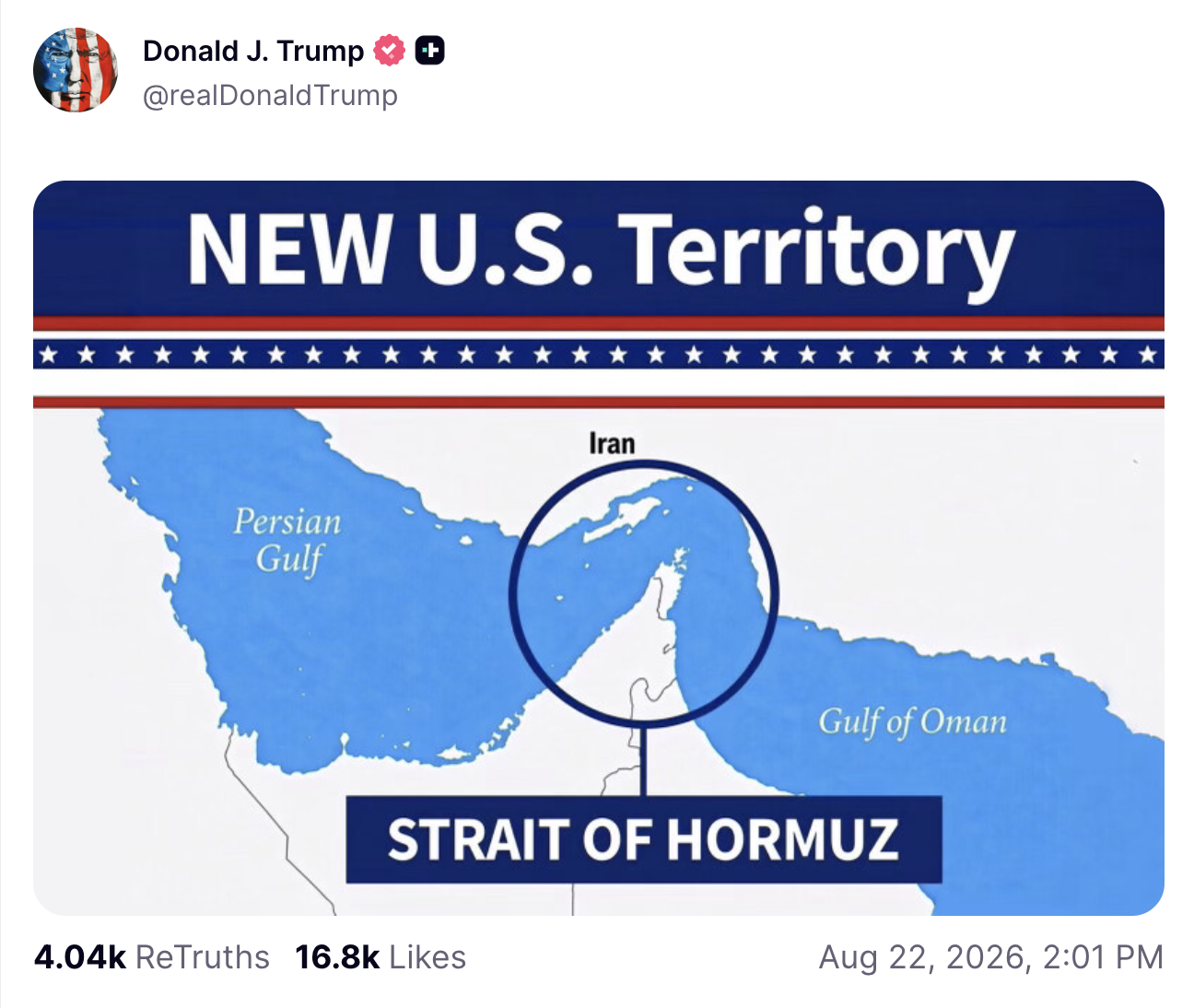
Treasury Secretary Scott Bessent, who'll hold a news conference today to detail even stronger U.S. sanctions against Iran, writes in a Financial Times op-ed posted yesterday: "At dawn begins an economic D-Day — the single greatest financial offensive ever marshaled against an adversary."
- Bessent, who taught economic history at Yale, compared the "full weight of American resolve" against Iran to decisions by FDR, Churchill and the Allied powers during World War II. He warned other countries against "appeasement of the regime."
The Treasury secretary argues that U.S. sanctions are working: "Inflation has rarely been higher." Reuters reported last week: "Offers of Iranian crude to Chinese buyers have declined and prices have jumped … as the U.S. blockade has cut Tehran's shipments."
- Full op-ed (gift link).
3. 👀 Scoop: Anthropic's blunt interview question
4. 💉 GLP-1 black market
5. 👢 Texas turns on data centers
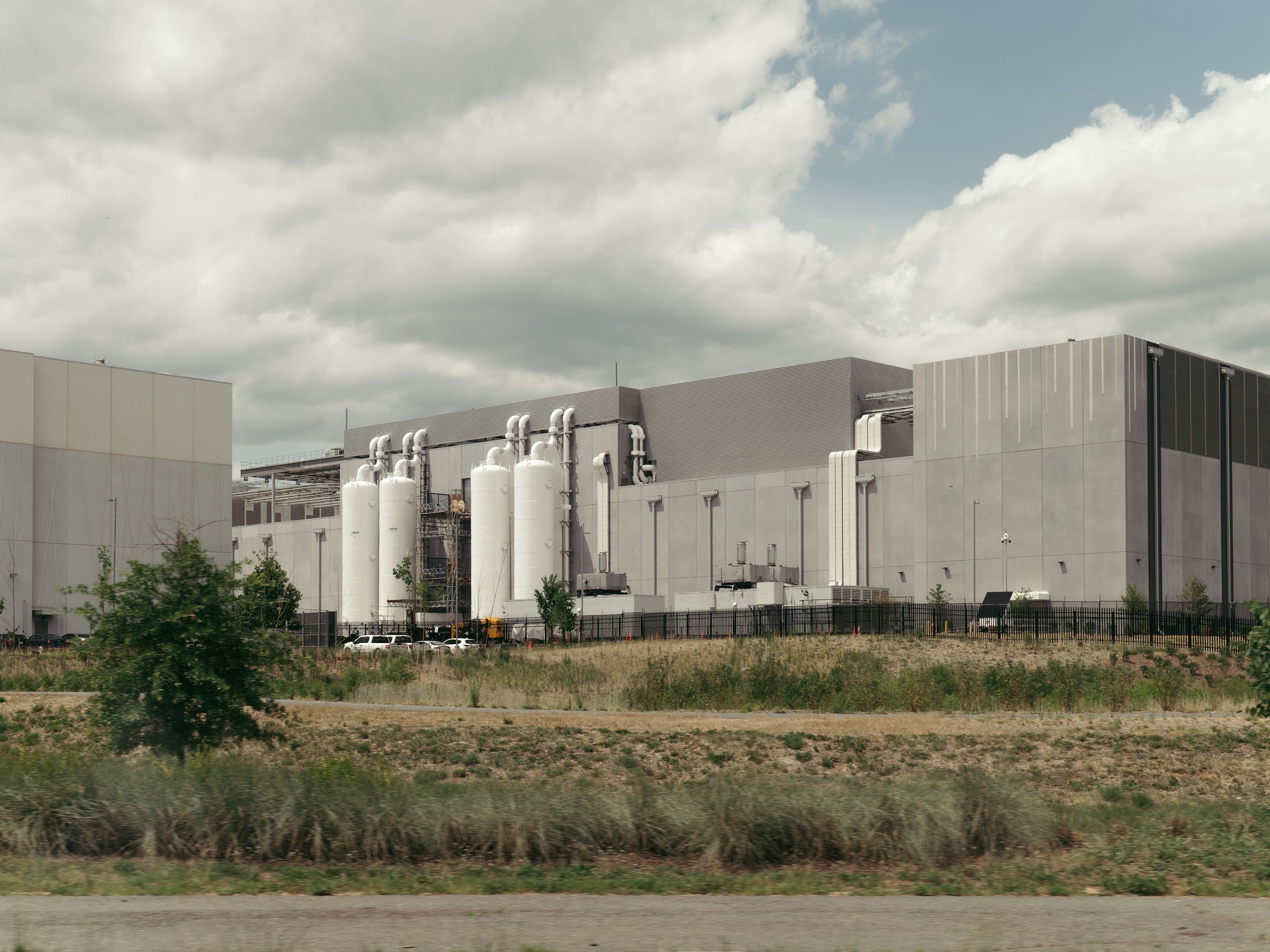
Texas Gov. Greg Abbott delivered one of the starkest warnings yet from a Republican to the AI industry, saying data center companies deserve the backlash they're facing, Axios' Andrew Pantazi and Ben Geman report.
- Why it matters: Abbott is the latest governor to sharply change course on the AI data center boom he once enthusiastically courted, as local opposition becomes a potent political force.
🤠 Zoom out: Texas is among the hottest data center markets, with developers initially attracted by a pro-business state that has ample amounts of natural gas and renewables, energy infrastructure, and land.
- Abbott told ABC's Jonathan Karl on "This Week" that the backlash stems from the rapid buildout and developers' failure to win community support. "They basically dug their own grave for the problem that's been caused for them," Abbott said. "And that's why they got the backlash they deserve."
📻 President Trump defended data centers during an interview with his former fixer, Michael Cohen, aired yesterday on 77 WABC in New York.
- Trump told Cohen that the U.S. was leading China in AI "by a lot" and that data centers were not taking power from the grid.
- "They're making their own power plants. They're building the most beautiful, you've never seen power plants like this," Trump said. "Communities that don't take a data center, they're making a mistake" because data centers create "tremendous amounts of jobs and money," he added.
- Read on.
6. 🗳️ Stat du jour: Record number of Black gubernatorial candidates
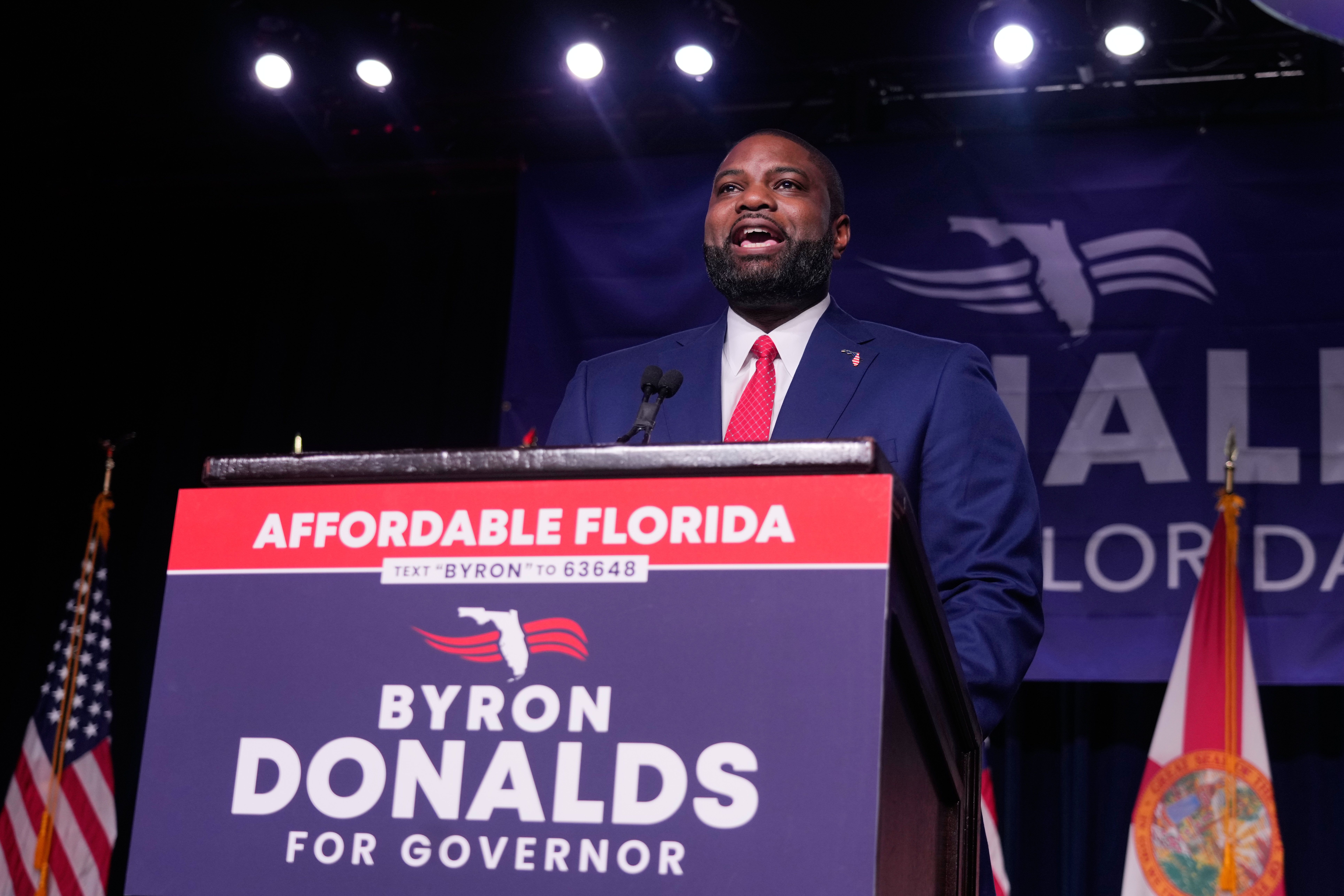
Only three of America's elected governors out of thousands have been Black — all Democrats and all men: current Maryland Gov. Wes Moore, former Virginia Gov. L. Douglas Wilder and former Massachusetts Gov. Deval Patrick.
- November ballots will have eight Black major-party gubernatorial nominees, AP reports.
The eight (three Rs and five Ds): Republicans Byron Donalds in Florida, Lisa Demuth in Minnesota and John James in Michigan … plus Democrats Aaron Ford in Nevada, Keisha Lance Bottoms in Georgia, Jermaine Johnson in South Carolina, David Crowley in Wisconsin and Wes Moore, up for reelection in Maryland.
7. 🎙️ Trump forgives former fixer
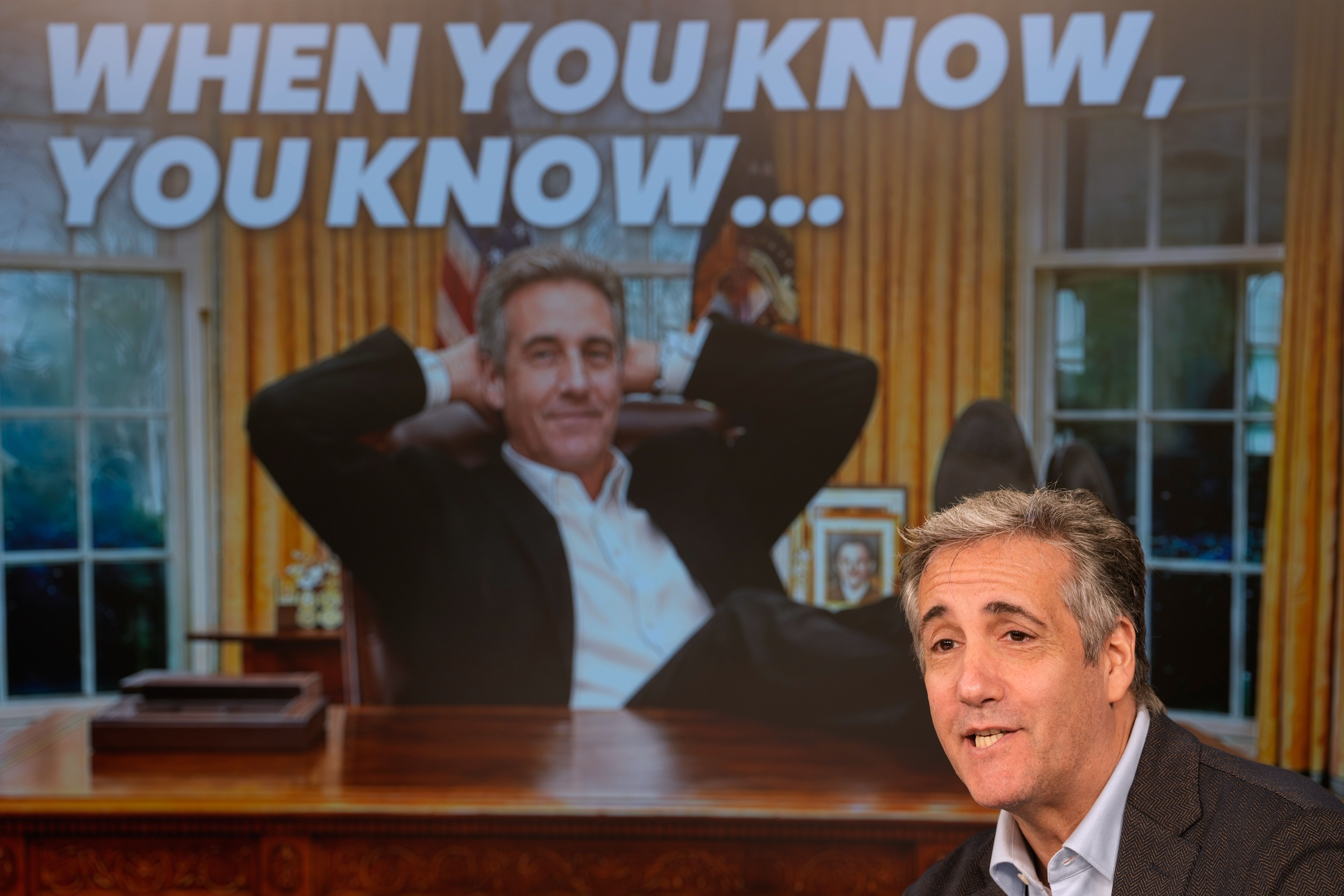
President Trump signaled that he's welcomed his former fixer, Michael Cohen, back into the fold in a friendly interview that aired in full yesterday.
- The interview was taped for Cohen's new radio show, "When You Know, You Know," on 77 WABC in New York. It's the first time Trump and Cohen have spoken publicly since Cohen was a key witness in the hush money trial that led to Trump's conviction on 34 felony counts of falsifying business records, Axios' Josephine Walker and Avery Lotz report.
👀 Trump and Cohen have repeatedly traded barbs over each other's alleged wrongdoing. Cohen previously called Trump a "conman" and a "predator," while the president said Cohen was a "rat."
- In the interview, they buried the hatchet. Trump blamed New York Attorney General Letitia James and Manhattan District Attorney Alvin Bragg for Cohen's role in the hush money trial: "They threatened you with everything if you didn't go against Trump, and you took it back. I wouldn't even be talking to you right now if you didn't."
8. 🏁 1 for the road: D.C. Prix
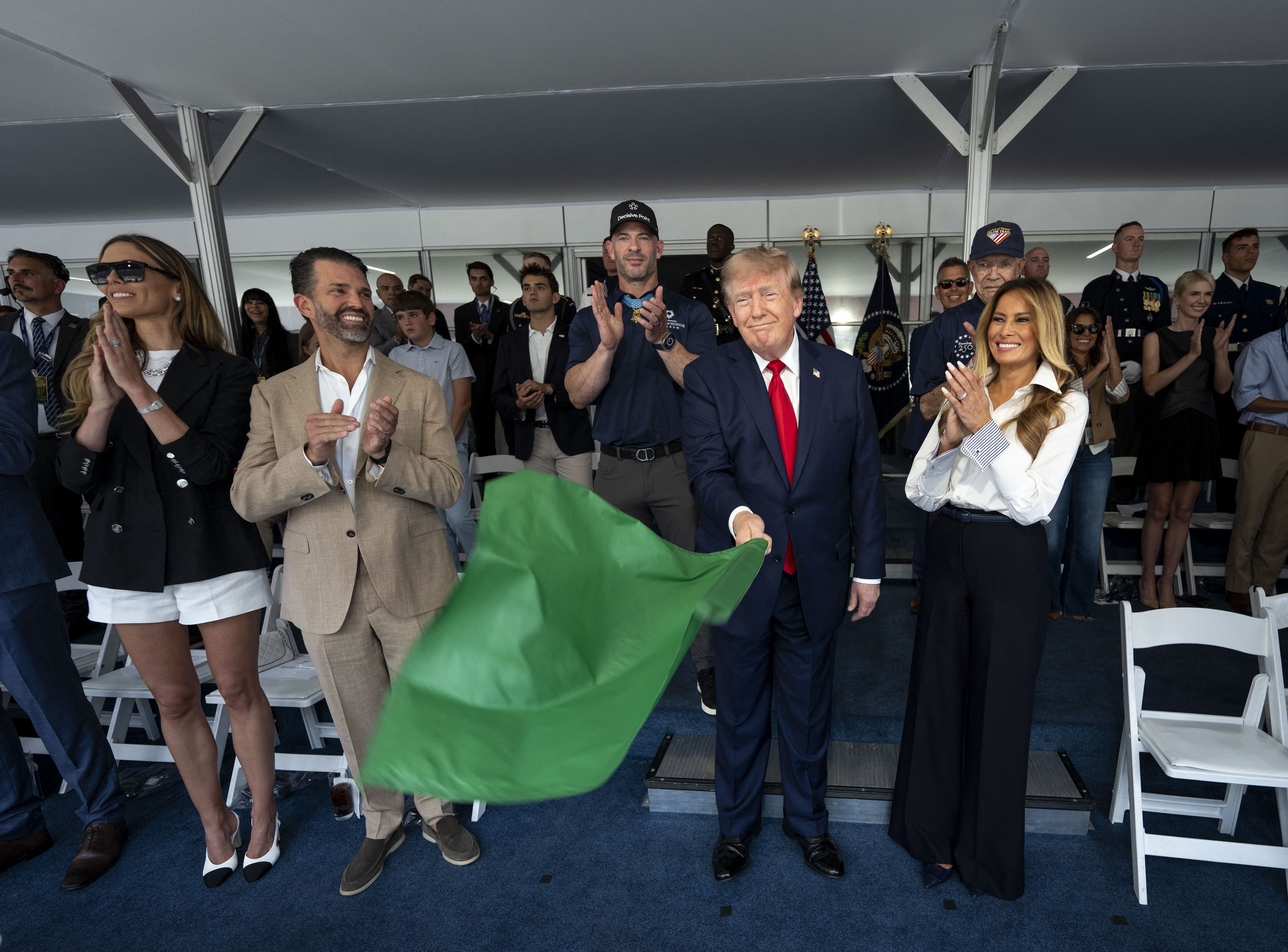
Axios D.C.'s Gabe Hiatt reports from D.C.'s first IndyCar race:
Military flyovers buzzed above the National Mall. Race cars roared past the Capitol at 180 mph. President Trump waved the green flag.
- The race marking America's 250th birthday got an American winner. Florida driver Kyle Kirkwood celebrated alongside a bald eagle.

The National Mall felt like a giant national picnic. Fans sprawled across the grass and packed shaded tents between games of cornhole and ladder golf.
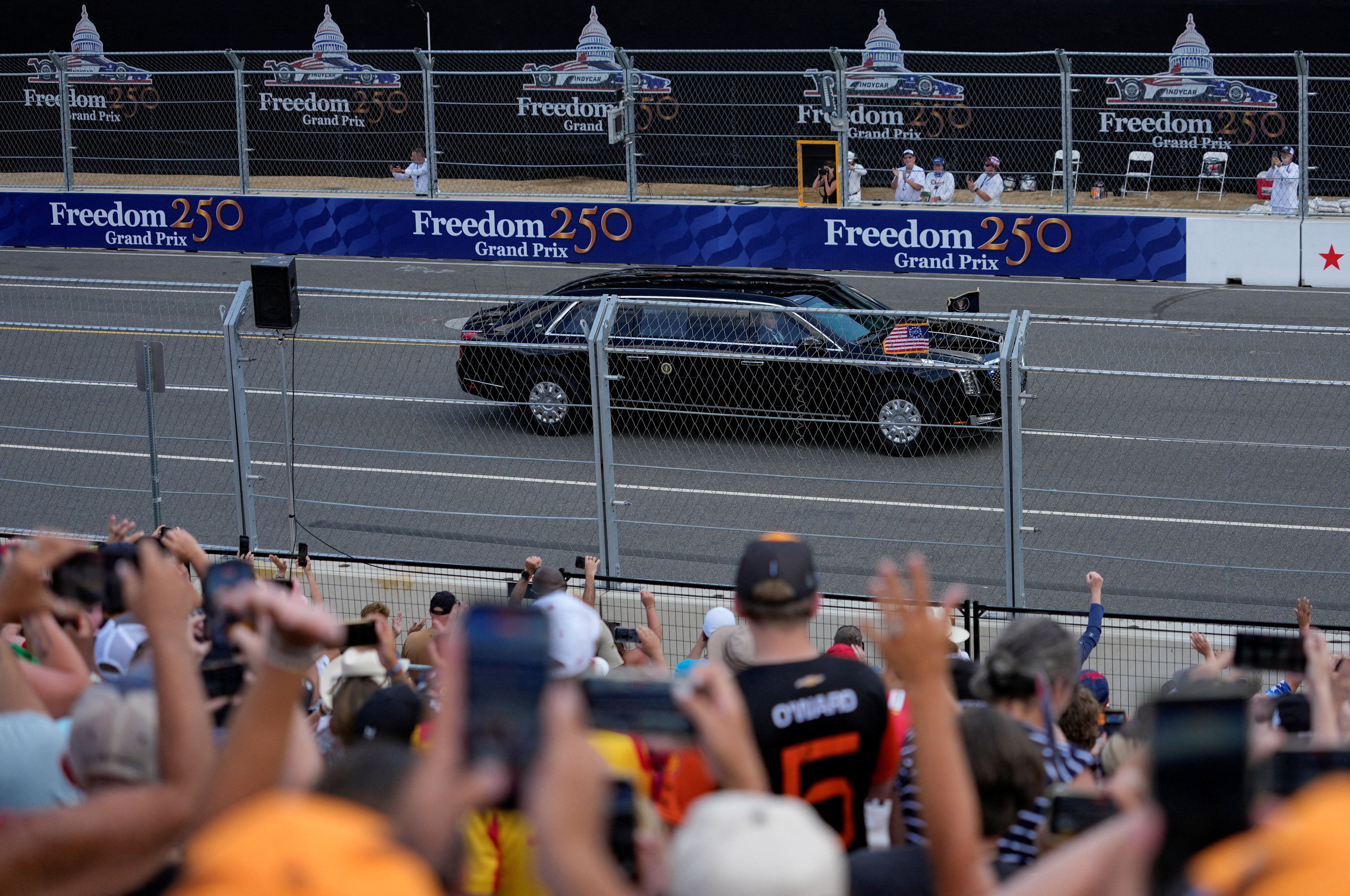
Trump took a ceremonial lap around the track in the presidential limousine, known as "The Beast."
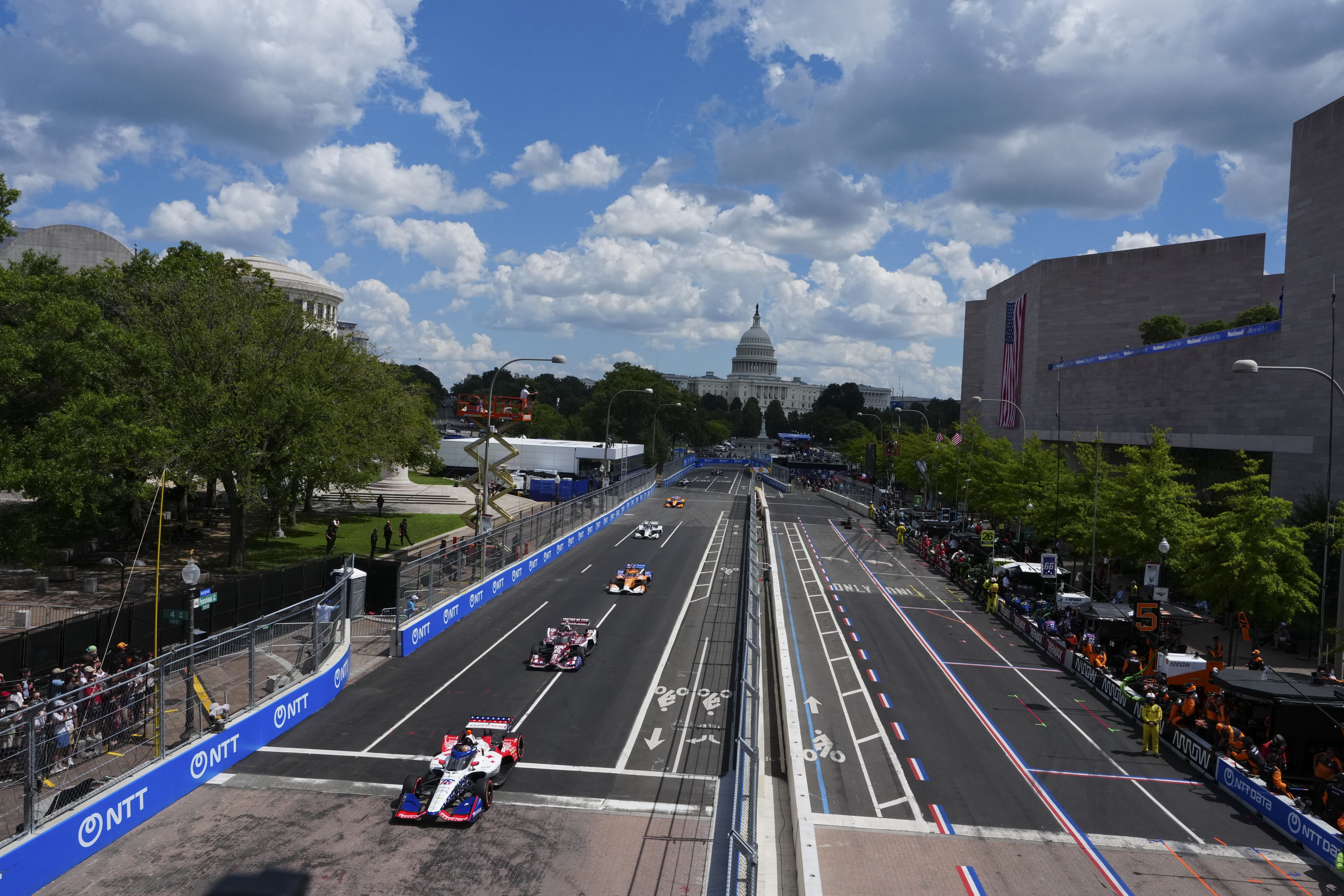
Seven flyovers thundered overhead, including a low-flying Air Force One — shaking the ground.
Axios AM