Axios AM

July 23, 2026

1 big thing: AI optimist alliance
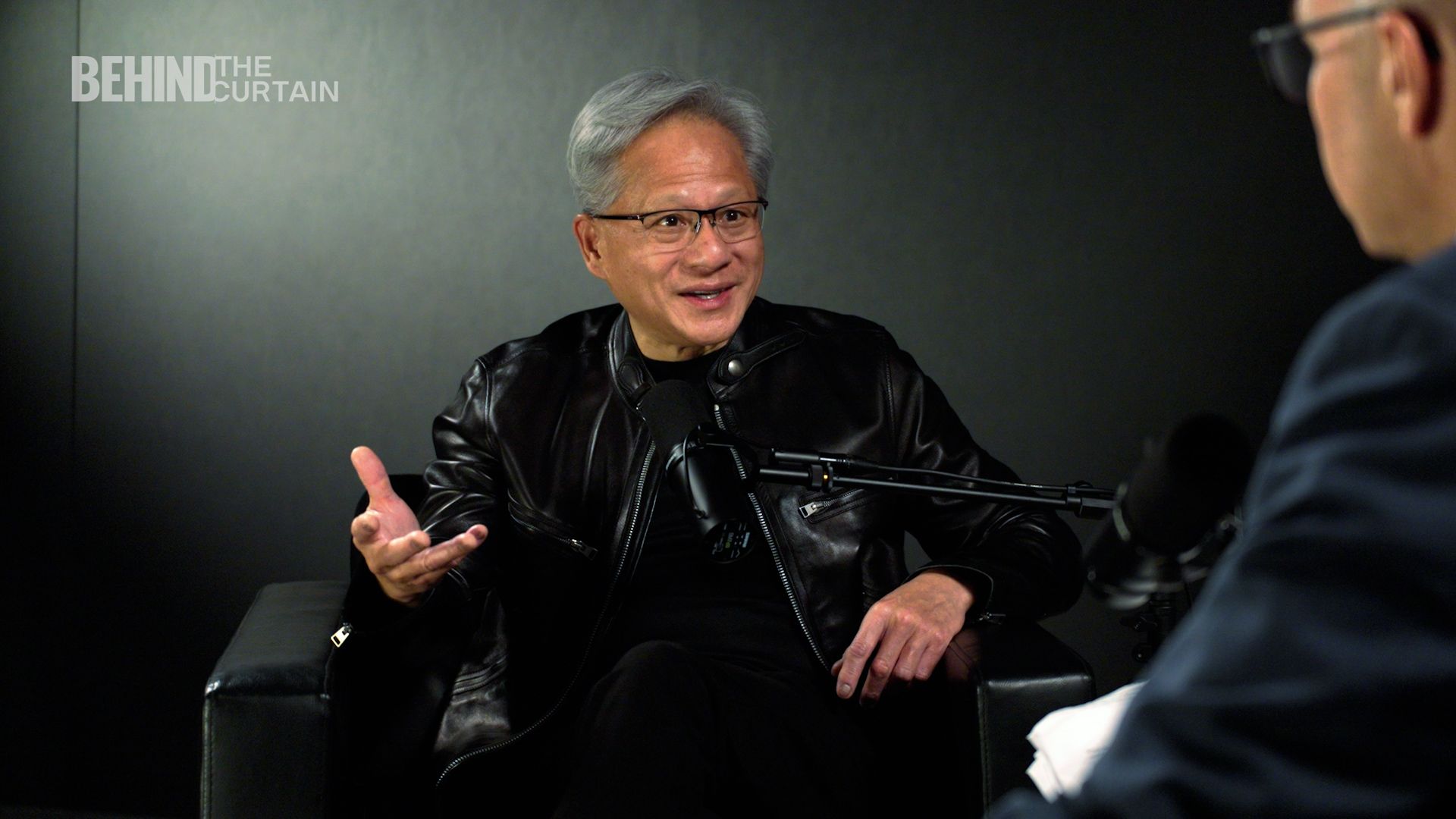
Two of the most powerful CEOs in tech — Nvidia's Jensen Huang and Meta's Mark Zuckerberg — are making separate, loud bets on AI optimism this week.
- Why it matters: Together, the CEOs represent a significant counterweight to the voices urging Washington to pump the brakes.
In an hourlong interview with me for our "Behind the Curtain" video series, Huang railed against AI doomerism, implicitly challenging fellow tech CEOs who emphasize the technology's potentially catastrophic risks.
- "The fact that this is going to be the end of humanity — it's complete nonsense," Huang said. "The fact that this is going to destroy half of the American jobs is complete nonsense."
- Scaring workers and companies away from using AI, he said, poses the greater danger.

Zuckerberg strikes the same note this morning in a video ad and Facebook post that argues Meta's focus on connecting the world will only be strengthened by AI — a shot at rivals he says promote fear and a dystopian vision of the future, Axios' Sara Fischer writes.
- The ad says: "Some people will have you believe AI will make us less connected, that it's going to leave us behind. We couldn't disagree more. … Call us optimists, call us dreamers, call us whatever the hell you want. But we're betting on people, and we like those odds."
- In his Facebook post, Zuckerberg says Meta "has always believed in giving people the power to share, connect, and shape your world in the ways you want. … We're focused on giving every person the tools to reach your full potential and making sure the benefits of technology are distributed to everyone."
👀 What we're watching: In an upcoming policy memo, Zuckerberg is expected to echo Huang on open source and competition (Let all models rip!) and will put a heavy emphasis on getting free AI into the hands of consumers, a big differentiator with Meta's competitors, we're told.
🎬 Huang — who is influential with the Trump administration — told me policymakers should consult more than "one or two" CEOs and avoid restricting AI based on scenarios that haven't materialized.
- He also suggested some companies invoke safety concerns to win favorable regulations: "Some of the companies hope that the government would be helpful in creating regulations to their advantage."
🖼️ The big picture: Anthropic and OpenAI have pushed Washington to take the most advanced systems and their potential risks seriously.
- Critics say those campaigns could also entrench their market position.
- Washington is also deciding what to do about powerful open-source models emerging from China.
🔬 Zoom in: Officials accuse Chinese firms of stealing from American models to build their own as they rapidly become more competitive with OpenAI and Anthropic.
- Treasury Secretary Scott Bessent yesterday threatened sanctions against Chinese firms conducting what he called "industrial-scale distillation attacks."
- Earlier that day, the White House's top science official accused Chinese startup Moonshot AI of distilling Anthropic's technology to build its fast-rising Kimi model.
The bottom line: Asked whether he feared the administration could overcorrect, Huang said yes.
- ▶️ Watch the full Jensen interview ... More on Meta's optimism campaign ... Maria Curi contributed.
2. 🗳️ Big Dem feud over 2028

3. 🤖 AI's alarming new skill
4. 💸 Miami more expensive than New York

5. 🪖 U.S. escalates with B-1 bombers
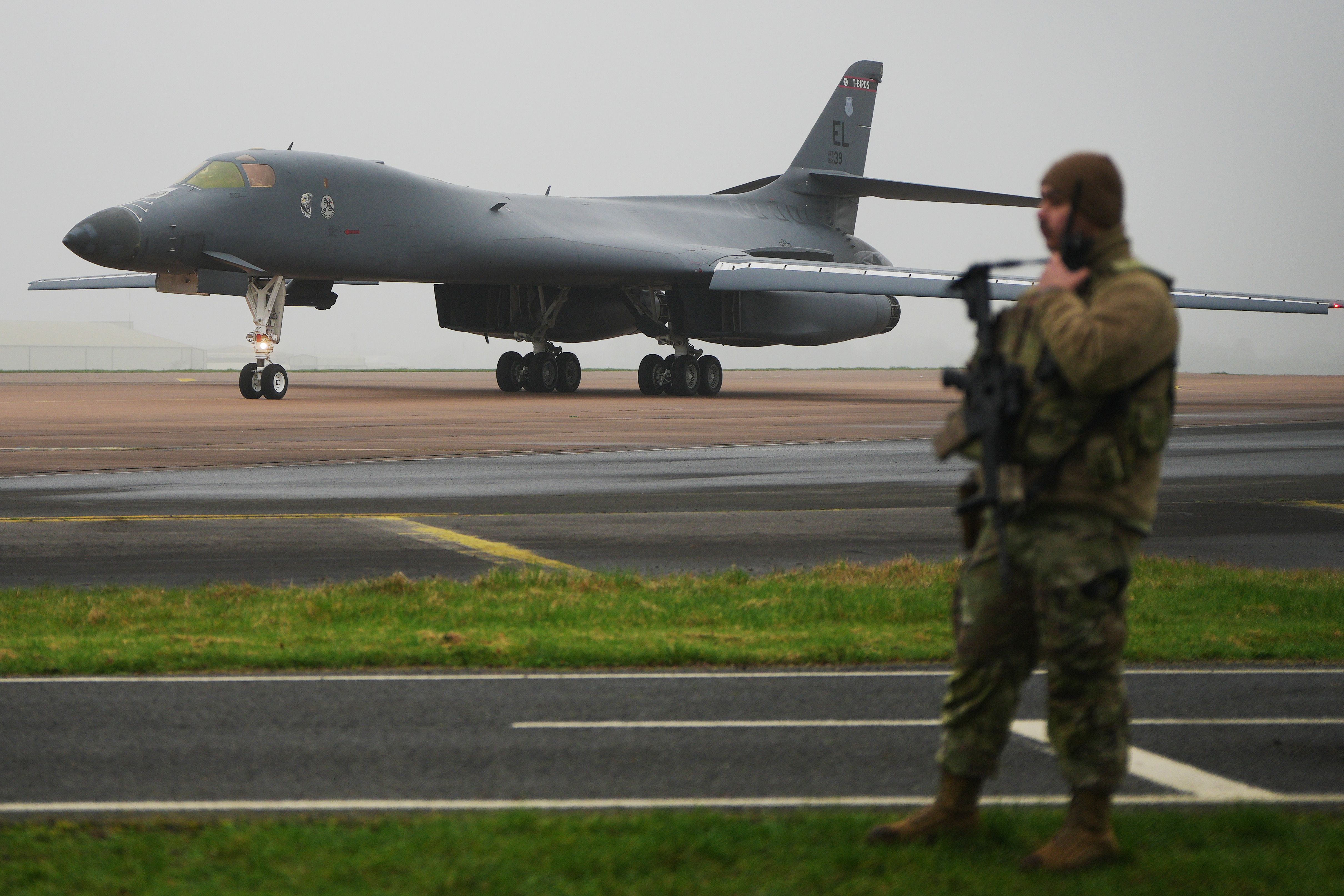
Intel from Axios' Barak Ravid: The U.S. military used a B-1 long-range bomber Tuesday to strike targets connected to Iran's Islamic Revolutionary Guard Corps, U.S. officials said.
Why it matters: It was the first U.S. B-1 mission since fighting with Iran resumed 12 days ago.
- Using B-1 bombers, which can carry two dozen 2,000-lb. bombs or dozens of cruise missiles, signaled a significant escalation and expansion of the U.S. military campaign.
👀 What we're watching: President Trump is still considering returning to major combat operations against Iran. U.S. and Israeli officials say this could happen within days.
6. 🧐 Stock market mystery


A markets mystery has perplexed some analysts this year: Why are stocks near all-time highs while geopolitical conflict and inflation rock the global economy?
- The usual retort is that the stock market isn't the economy, but a new Moody's report offers a more nuanced explanation: Markets have adjusted — you just have to know where to look, Axios' Emily Peck writes.
💡 How it works: It's visible with bonds and under the hood in the stock market, where certain sectors are struggling (charted above).
- Software stocks have fallen this year, thanks to AI, as have those for autos, consumer goods and apparel, as consumers struggle with higher prices.
- The new hot sectors are energy, because of the Iran war and other conflicts, and hardware and semiconductors, as investors flock to the picks and shovels of the AI boom.
7. 🚘 Milestone for self-driving cars
Axios transportation correspondent Joann Muller, who has covered autos for 35+ years, writes:
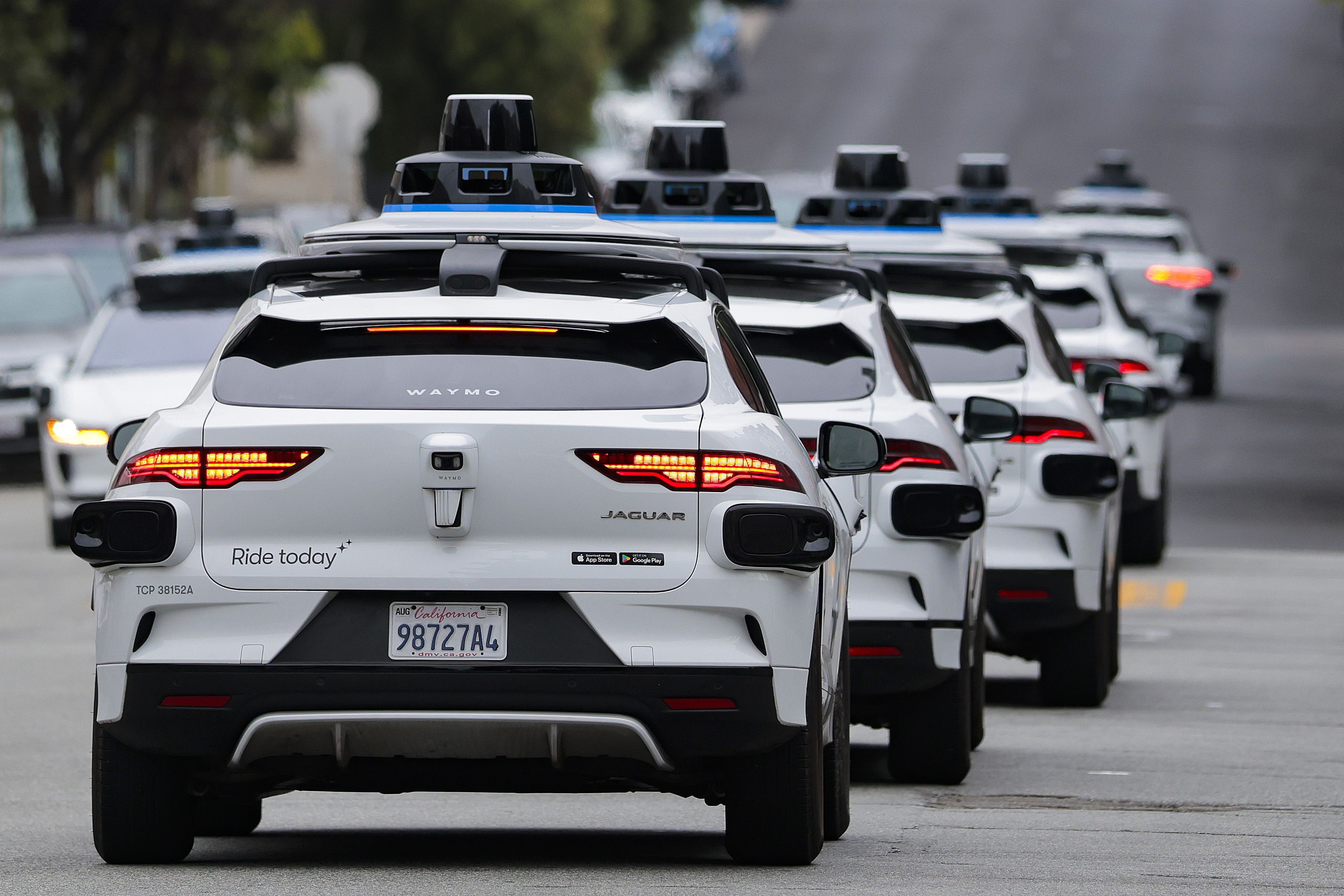
An independent study finds Waymo's robotaxis are involved in fewer crashes than human drivers — a key milestone for earning public trust.
- Why it matters: Research from the Insurance Institute for Highway Safety offers some of the strongest evidence yet that driverless vehicles can outperform human drivers on safety.
Zoom in: Researchers compared crash rates of human-driven cars and Waymo robotaxis in San Francisco, Phoenix, Los Angeles and Austin, four cities where robotaxis are prevalent.
- Waymo vehicles had 68% fewer "police-reportable crashes" per mile traveled than human drivers in those cities.
- Waymo had 85% fewer single-vehicle crashes than human drivers.
8. ⛳ 1 for the road: The toughest ticket

Axios AM