Axios AI+
February 10, 2026


Ads are coming for ChatGPT, and the AI CEOs are fighting. More on both below.
Today's AI+ is 1,039 words, a 4-minute read.
1 big thing: AI infighting hits a boiling point
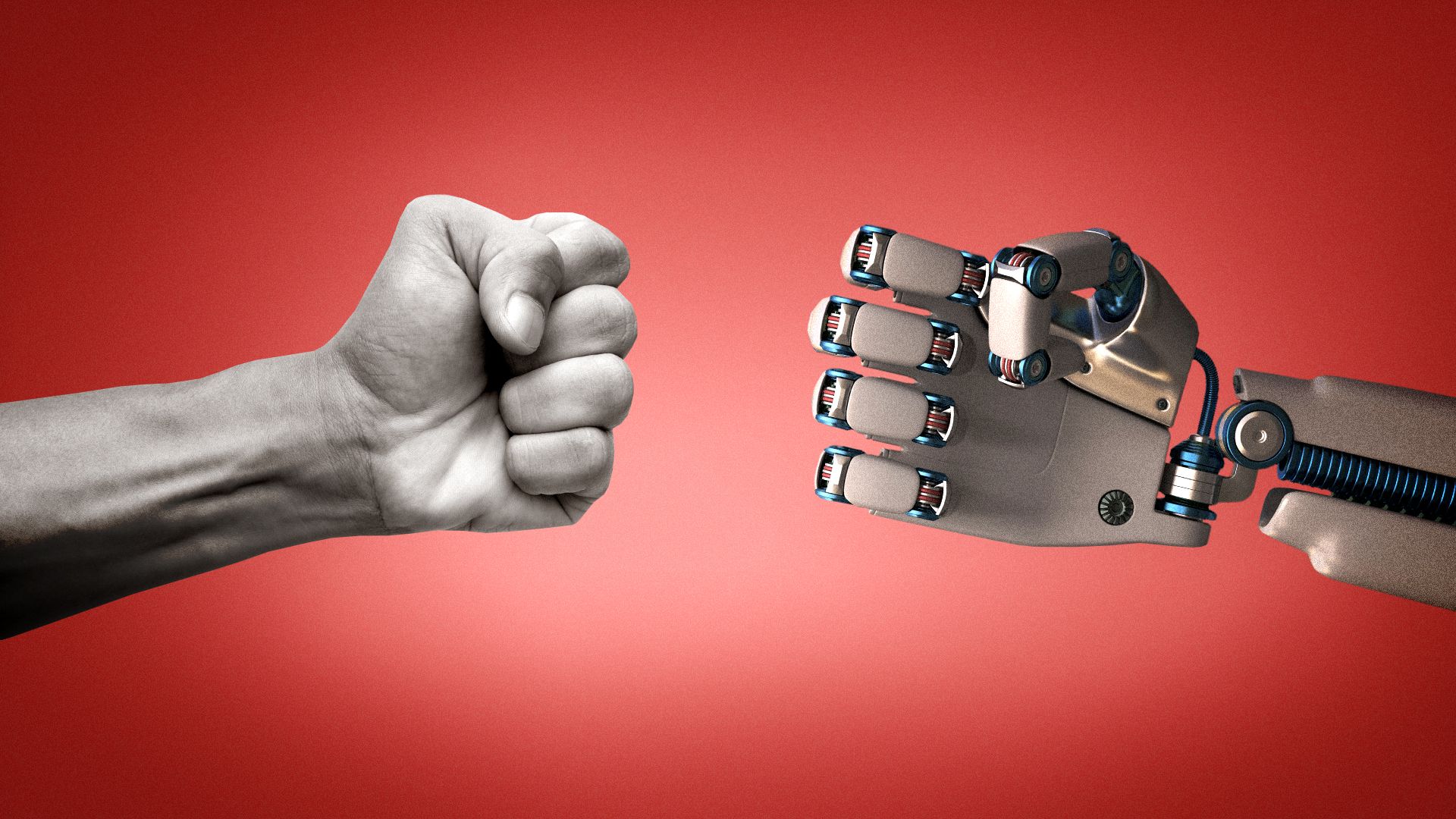
AI CEOs are openly trash talking each other, sniping over advertising and their philosophical approaches to the future.
Why it matters: The squabbling is intensifying as the cost of staying competitive in AI soars — and pressure is mounting for the technology to deliver real returns.
Driving the news: The fighting ramped up around the Super Bowl.
- Anthropic pledged to keep its large language model, Claude, ad-free, alongside a commercial poking at OpenAI, which is testing ads in ChatGPT (more on that later).
- OpenAI CEO Sam Altman fired back with a lengthy post on X, calling the ad "dishonest."
- Altman was already fending off rumors about OpenAI's relationship with Nvidia, after the Wall Street Journal reported the chipmaker was pulling back from a proposed $100 billion investment. Reuters' sources said OpenAI has been exploring alternatives to Nvidia's chips.
Between the lines: "What a huge coincidence that after Nvidia hurt OpenAI's feelings, OpenAI hurt Nvidia's feelings back ... high-school level behavior," Gil Luria of D.A. Davidson told Axios.
- Altman also has beef with Elon Musk, the xAI founder behind the Grok chatbot and a co-founder of OpenAI.
- Musk is currently pursuing two separate lawsuits against Altman — for abandoning OpenAI's original nonprofit business model and for monopolizing markets.
- The two openly jab at each other online and in interviews.
The big picture: AI CEOs can be roughly divided into two groups: the researchers and the entrepreneurs.
- The researchers tend to view AI as a fragile, long-term project that demands collaboration, caution and governance.
- The entrepreneurs want to move fast and break things.
Zoom in: Google DeepMind is seen as a research-first AI lab, earning early notoriety for AlphaFold, which transformed how scientists understand the building blocks encoded by DNA.
- Altman and Musk come from startup and engineering worlds, emphasizing speed and scale rather than scientific consensus. (Musk argues AI deployment should slow down unless, of course, he's the one in charge.)
Yes, but: Free market enthusiasts say this kind of trash talking is healthy for the economy.
- "The reason we've done so well as a society for almost 250 years is competition," Luria said.
What we're watching: Ultimately, the outcome of the AI race might be less dependent on the CEO and more dependent on the AI itself.
- Both Altman and Google CEO Sundar Pichai have said that AI will eventually be able to do a better job leading companies than they do.
- AI is already pretty good at trash talking humans — as Moltbook showed.
The bottom line: The AI buildout is not just a capitalism contest among its CEOs.
- It's a clash of belief systems — with markets, technology and far more riding on the outcome.
2. Former GitHub CEO launches AI coding startup
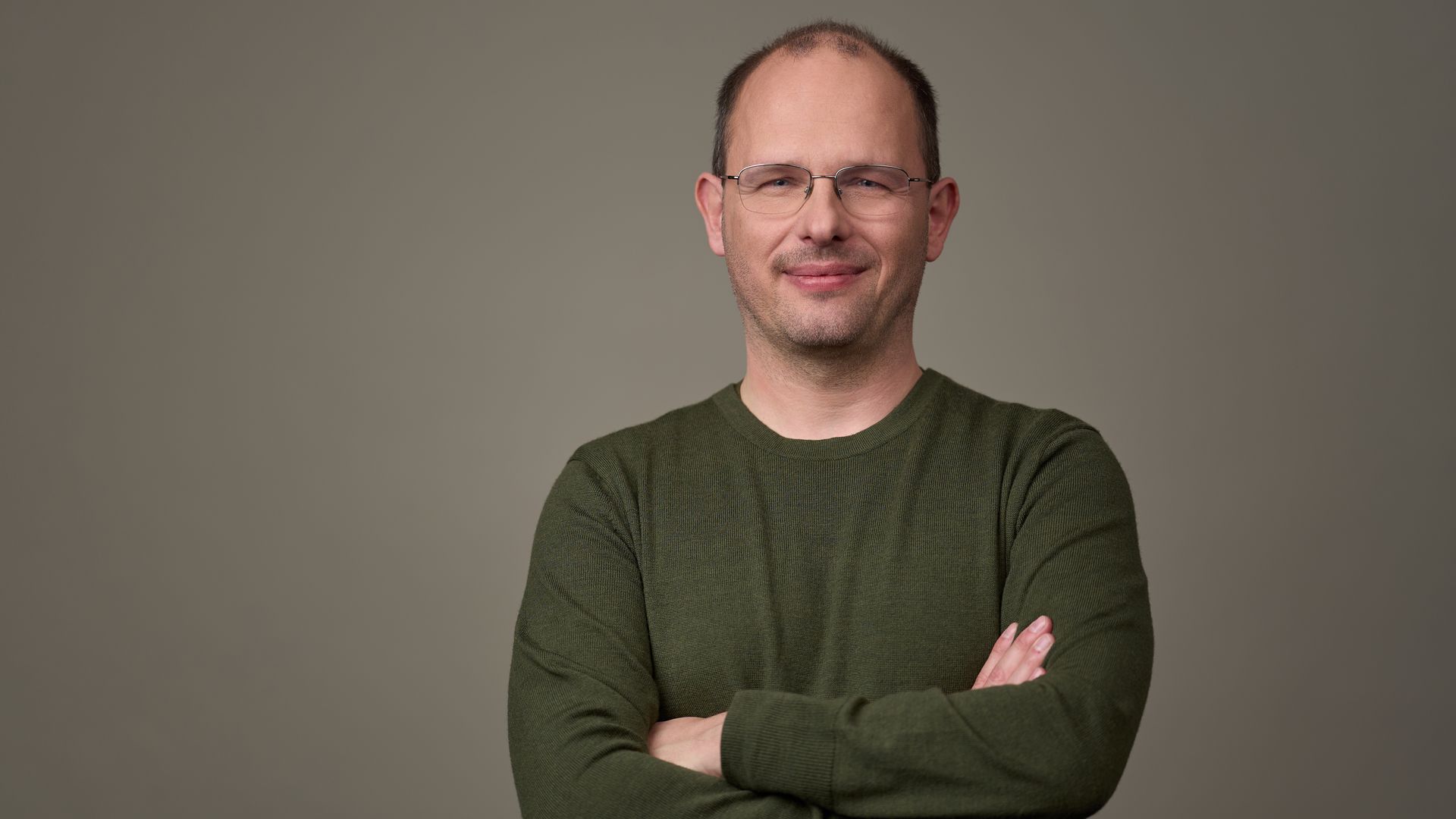
Former GitHub CEO Thomas Dohmke today announced he is leading a new startup for developers geared toward the reality where most coding is done by AI agents.
Why it matters: Automated coding has been one of generative AI's earliest success stories, but it's also an increasingly crowded market with a flood of startups alongside big players like OpenAI, Anthropic, Google and Microsoft.
Driving the news: The new company, Entire, has raised $60 million in a seed round that values it at $300 million.
- The round was led by Felicis, with Madrona, Microsoft's M12 and Basis Set also taking part.
- Individual investors include Gergely Orosz, former Yahoo CEO Jerry Yang and Y Combinator's Garry Tan.
- Entire is also releasing its first product, Checkpoints, a developer tool that captures the context behind AI-written code, including the prompts, reasoning and decisions made by agents.
What they're saying: "Entire is a new platform for developers in this era where agents write most of the code," Dohmke told Axios. "We are not training models or building agents, we are integrating with them."
- Dohmke, who is CEO of Entire, stepped down from Microsoft-owned GitHub in August, saying he wanted to pursue entrepreneurial endeavors.
Between the lines: Dohmke said his new venture isn't trying to compete directly with services like Claude Code, Curser or Codex.
- "Our platform will be open-source, independent, and scalable for every developer and agent to host their code and agent context," he said. "If you build with Claude Code, Cursor, Codex, you name it — you will have a home with us."
- Dohmke says that while AI has changed the way software is coded, the tools that manage the process are still geared toward human-led operations.
- "Soon, developers won't look at the code anymore, as agents will write way more than humans can review," Dohmke told Axios. "... We have to rethink the entire system of software production from the ground up. We need to create an agent assembly line for software development."
3. OpenAI tests ads in ChatGPT
ChatGPT is testing ads for some U.S. users on both the free and Go subscription tiers, its most affordable offerings.
Why it matters: It could be the beginning of the end of ad-free ChatGPT.
What they're saying: "Our goal is for ads to support broader access to more powerful ChatGPT features while maintaining the trust people place in ChatGPT for important and personal tasks," an OpenAI spokesperson told Axios.
- The company says ads will not influence ChatGPT's answers, which it says will remain focused on what is "most helpful."
- If a user asks about recipe ideas, the answer may be followed by a grocery delivery service ad, for example.
- Ads won't be shown to those who are predicted to be under 18, and are not eligible to appear near "sensitive or regulated topics like health, mental health or politics."
4. Training data
- Another cofounder of Elon Musk’s xAI resigned. (The Information.)
- The so-called SaaS-pocalypse has come for all kinds of software companies, as AI upends the "software as a service " industry. (Axios)
- According to new research, AI doesn't reduce work, but intensifies it. (Harvard Business Review)
- AI medical tools are more prone to giving incorrect advice when the misinformation appears to come from authoritative sources, per a new study. (Reuters)
5. + This

Ina got her first chance to check out U.S. women's hockey yesterday, as they defeated Switzerland 5-0.
Thanks to Mackenzie Weinger and Megan Morrone for editing this newsletter and Matt Piper for copy editing.
Sign up for Axios AI+
