Axios AI+

June 12, 2024

I was so tired I almost forgot to include an intro. Luckily, I woke up at midnight. Thanks for reading! I'm going back to bed.
Today's AI+ is 1,103 words, a 4-minute read.
1 big thing: FTC's new war on false AI claims

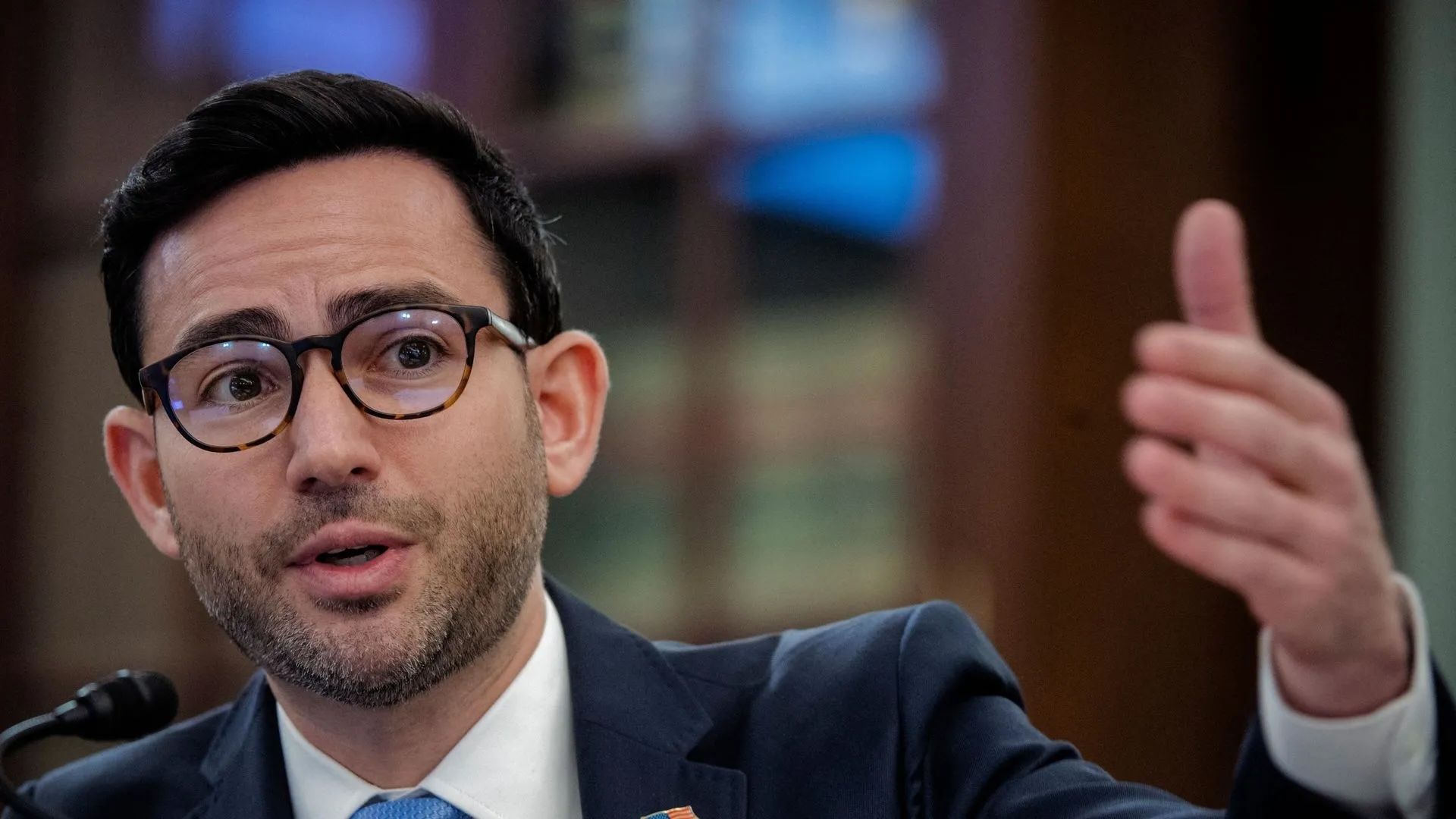
The FTC is closely watching what companies say they can do with AI and is ready to hold them accountable for phony promises, its top consumer protection official tells Axios.
The big picture: Samuel Levine, director of the agency's Bureau of Consumer Protection, said all companies — those that specialize in AI and those just starting to use AI processes — need to follow the same set of rules, and firms that make unsubstantiated claims will face regulatory action.
- "If companies are making claims about their use of AI, or the capabilities of their AI, those claims have to be truthful and substantiated, or we are prepared to bring action," Levine says. "Those are not just empty words."
State of play: A whole new regulatory agency, like a "Bureau of AI," may not be needed, Levine says, because companies across the economy are making assertions about their use of AI.
- That gives the FTC a unique window into how AI can reshape markets nationwide, from tech to pharmaceuticals to retail, he says.
"We expect companies to be truthful, and we have the track record to show that we're prepared to go to court to hold them accountable," he said.
- "The law hasn't changed, and obligations of companies using these tools have not changed" because of AI, Levine says, adding that the FTC is especially concerned about ways the technology can "turbocharge" fraud.
Friction point: Levine says the FTC Act, which established the agency more than a century ago, is a "viable tool" to protect the public from AI harms, allowing the agency to go after false advertising, discrimination and other conduct.
- But the FTC needs more resources and more authority to refund consumers for fraud, he says, noting the Supreme Court curtailed the agency's ability to obtain monetary remedies in 2021.
- "Congress giving us back that tool to get money back to people who get scammed, and making sure we have the resources to take on what we fear will be a real scourge of AI-related fraud, is essential to us doing our job," he says.
The bottom line: Levine has a message for the private sector: "I think some tech companies might be hoping for a repeat of the FTC's approach to Web 2.0 in the early 2000s, where it said, 'Self-regulation seems to be working.'"
- "That's not the position of this FTC. We are not just closing our eyes and hoping self-regulation is going to protect the public," he says.
- "We're not standing back and saying we're not going to enforce the law because the technology is really new," Levine says. "We think if AI is going to be deployed successfully ... we need to be active."
A version of this story was published first on Axios Pro. Unlock more news like this by talking to our sales team.
2. RIP: Lynn Conway, a true pioneer
Former IBM and Xerox PARC engineer Lynn Conway, who helped shape the way chips are designed, died last weekend at age 86, according to multiple reports.
The big picture: Conway broke ground both for her contributions to the tech industry and for her gender transition at a time when such a move was rare among professionals.
- In the 1970s, Conway helped author "Introduction to VLSI Systems," a seminal book in the field of chip design that became the standard textbook for a generation of aspiring semiconductor workers.
- The VLSI approach to semiconductors — the acronym stands for Very Large Scale Integration — paved the way for the modern "systems-on-a-chip" that power smartphones, laptops and other devices.
Catch up quick: Conway began her career at IBM Research in 1964; she was fired in 1968 after announcing her plans to transition.
- In 2020, IBM formally apologized and held a public event in her honor.
- After IBM, she joined Xerox's famed Palo Alto Research Center (PARC). After leaving Xerox PARC, Conway went on to work at DARPA and then taught electrical engineering and computer science from 1985 until her retirement in 1998.
What they're saying: Conway's death brought an outpouring of online appreciation both from technologists, such as former Microsoft Windows boss Steven Sinofsky, and from numerous transgender people in and out of the tech industry for whom Conway was a friend, mentor and inspiration.
- "During a truly impressive life, Lynn Conway broke down barriers for the trans community and pushed the limits of technology through revolutionary work that is still impacting our lives to this day," IBM chief human resources officer Nickle LaMoreaux said in a statement to Axios.
Conway told me in 2020 that IBM's apology "brought closure" to a dark period in her life.
- "Even better, as I've made friend after friend among today's IBMers, it's felt like I was coming home, home to an IBM that's also come very far since 1998."
The bottom line: Conway's legacy is one of progress for both technology and humanity.
- As I wrote at the time of IBM's apology, "All of us — particularly those leading businesses — can ask what injustices are happening under our noses that we can stop right now, rather than waiting decades to make amends."
Go deeper with this bio and obituary from the University of Michigan.
3. Musk drops suit against OpenAI and its CEO

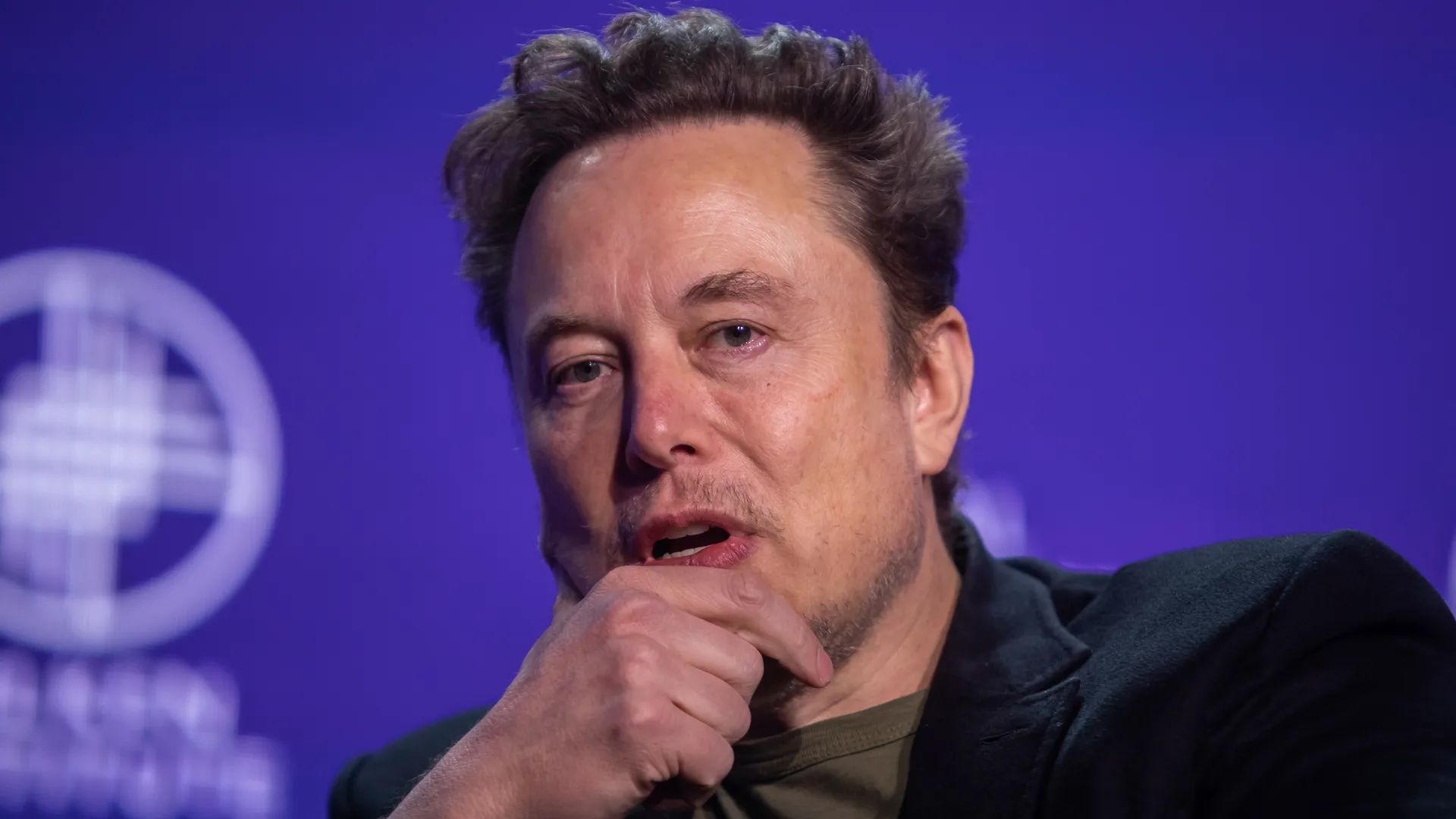
Elon Musk moved to dismiss his breach of contract lawsuit against OpenAI and its CEO Sam Altman after accusing them of abandoning the company's founding agreement to pursue AI research for the good of humanity rather than profit.
Why it matters: The withdrawal ends a months-long legal battle between Musk and the company that he co-founded in 2015 but left after a disagreement over control of it.
The latest: Musk's withdrawal of the suit comes a day after he criticized an announced partnership between Apple and OpenAI in string of tweets.
What's inside: In a filing Tuesday, Musk's attorneys did not give a reason for dropping the lawsuit, according to Reuters.
- A San Francisco Superior Court judge had been set to hear OpenAI's attempt to dismiss the lawsuit at a hearing today.
The big picture: The legal feud saw the release of a series of Musk's emails that showed him agreeing with the company's plan to raise more money and move away from open-source releases of its products.
4. Training data
- LinkedIn is testing a new AI assistant for its paid Premium users. (Axios)
- French AI startup Mistral raised about $640 million, valuing the company at more than $6 billion. (The New York Times)
- Oracle announced new cloud deals with OpenAI and Google as it reported earnings. (CNBC)
5. + This
A Golden State Warriors fan proposed to his girlfriend with a replica of the NBA team's championship ring. Hopefully she's a fan. Or at least a good sport.
Thanks to Megan Morrone and Scott Rosenberg for editing this newsletter and to Caitlin Wolper for copy editing it.
Sign up for Axios AI+
