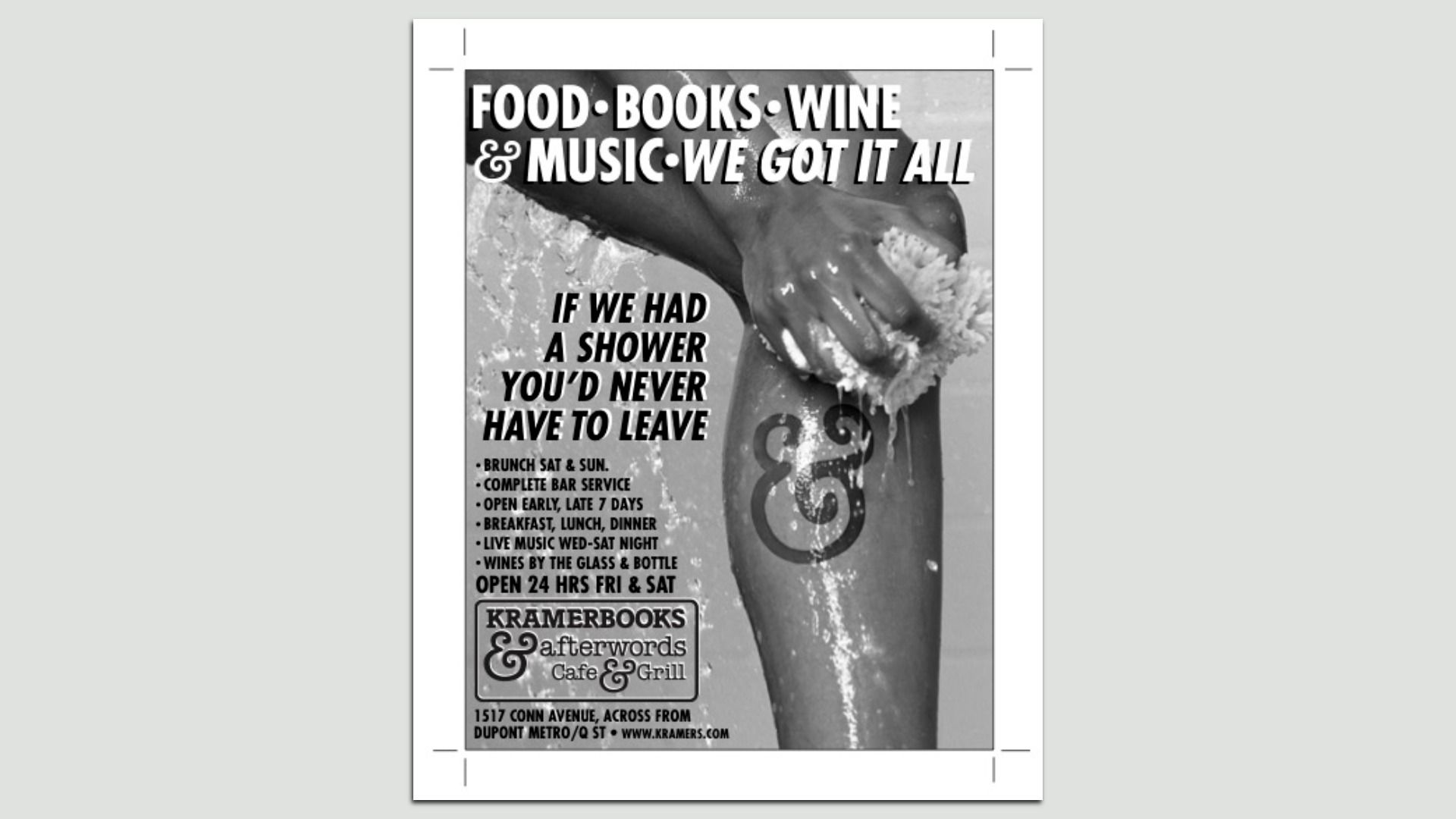
Kramers celebrates 50 years as a beloved D.C. institution

Add Axios as your preferred source to
see more of our stories on Google.
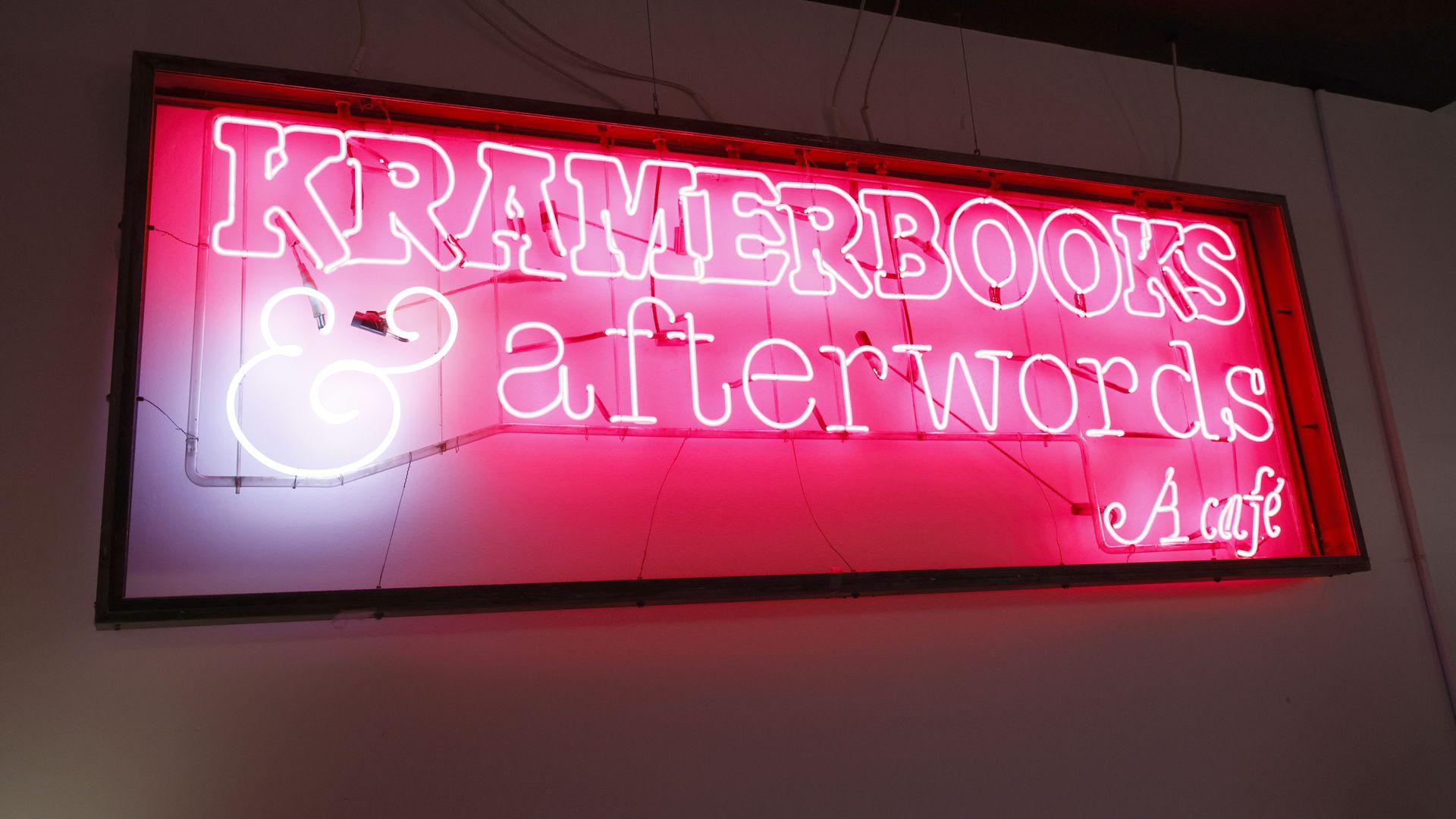
Photo: Paul Morigi/Getty Images for Kramers
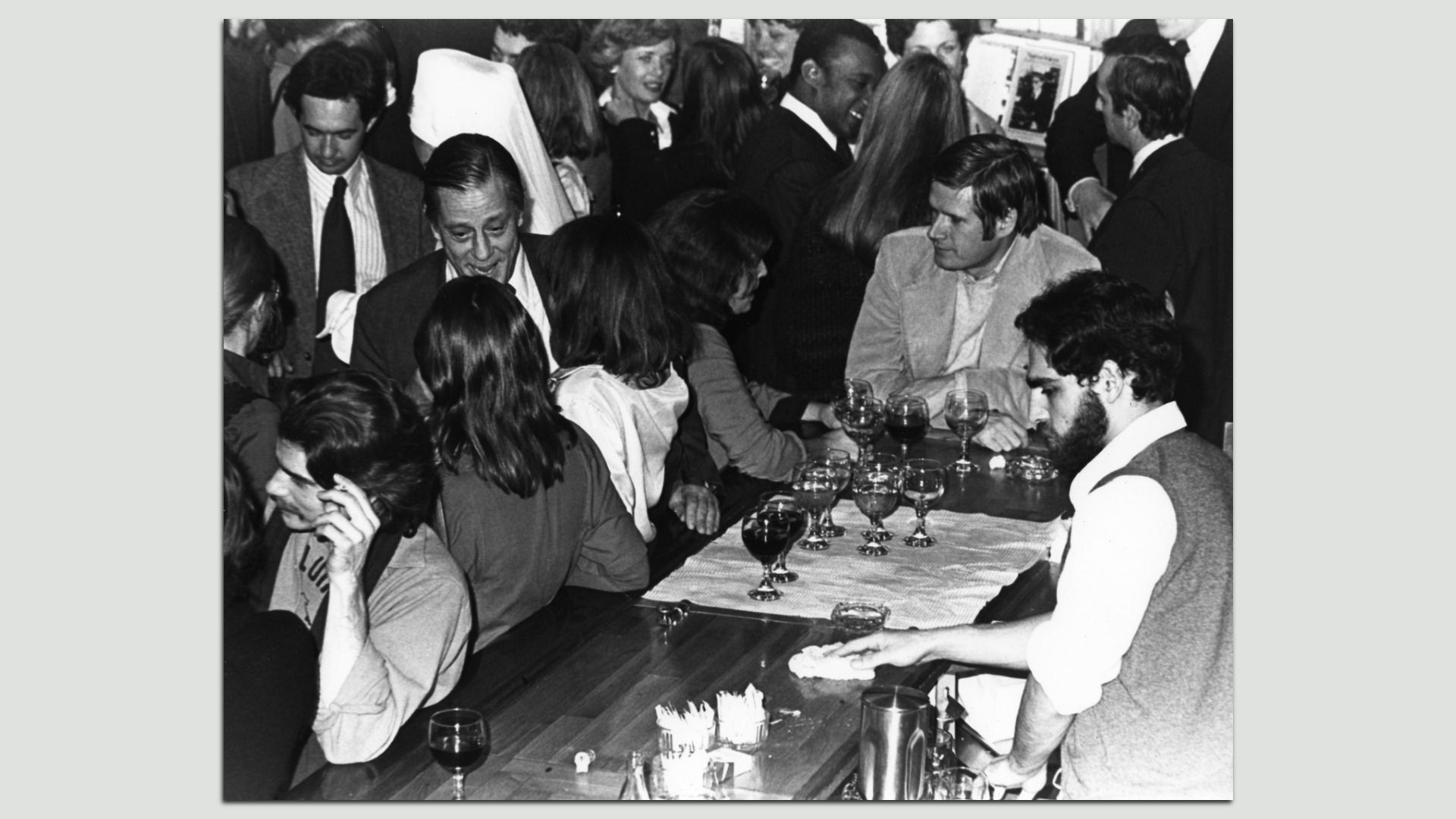
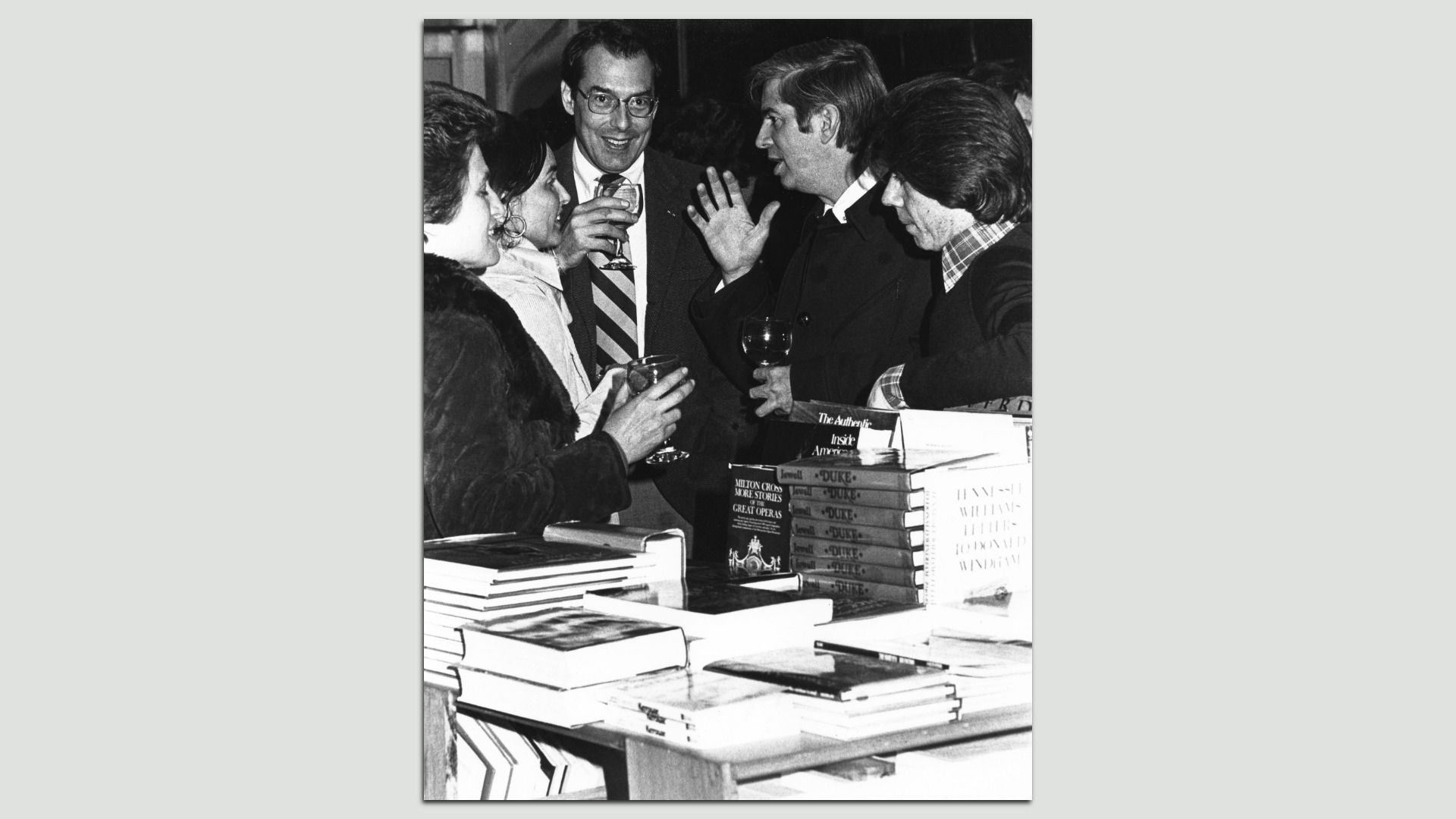
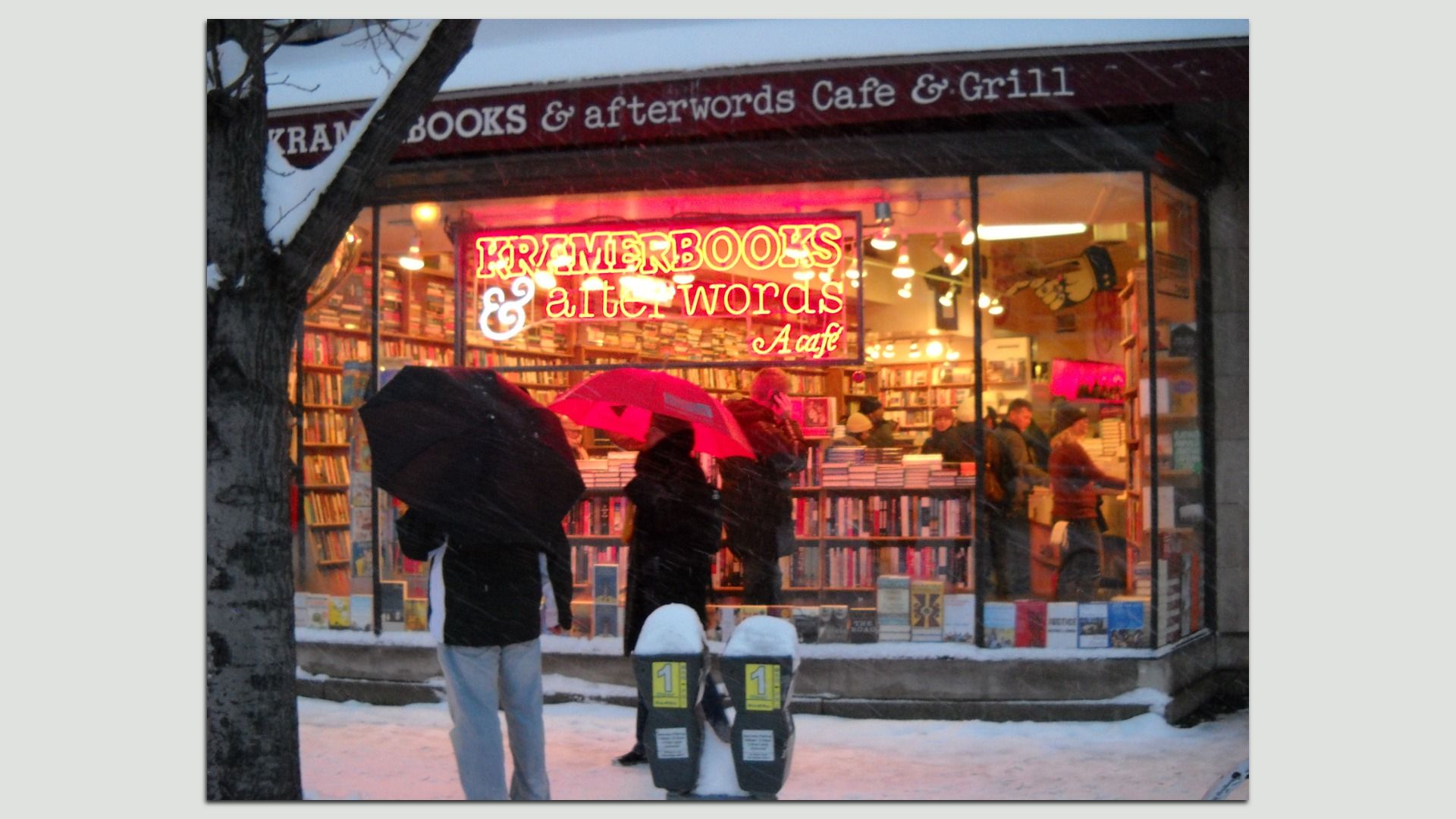
Kramers bookstore — a Dupont Circle institution — is celebrating 50 years.
Why it matters: Many of D.C.'s beloved local businesses have shuttered over the years, but Kramers has been there through nine different presidents, the birth of the Metro, financial crises, a pandemic and countless headlines.
Driving the news: Kramers — originally known as Kramerbooks when it opened in 1976 — has been marking its anniversary this month with parties and special merch.
- Mayor Muriel Bowser even decreed Oct. 22 as "Kramer's Day."
What they're saying: Kramers has stood the test of time because of its historical heft and significance as a cultural hub, says restaurant and real estate magnate Steve Salis, who bought the business from its founders 10 years ago.
- "It's the smallest business I own as far as size," says Salis, who's also behind spots like Ted's Bulletin and Federalist Pig, "but it's arguably the most important thing we own."
Flashback: Kramers has no shortage of only-in-D.C. stories — fitting for a place that was once open around the clock.
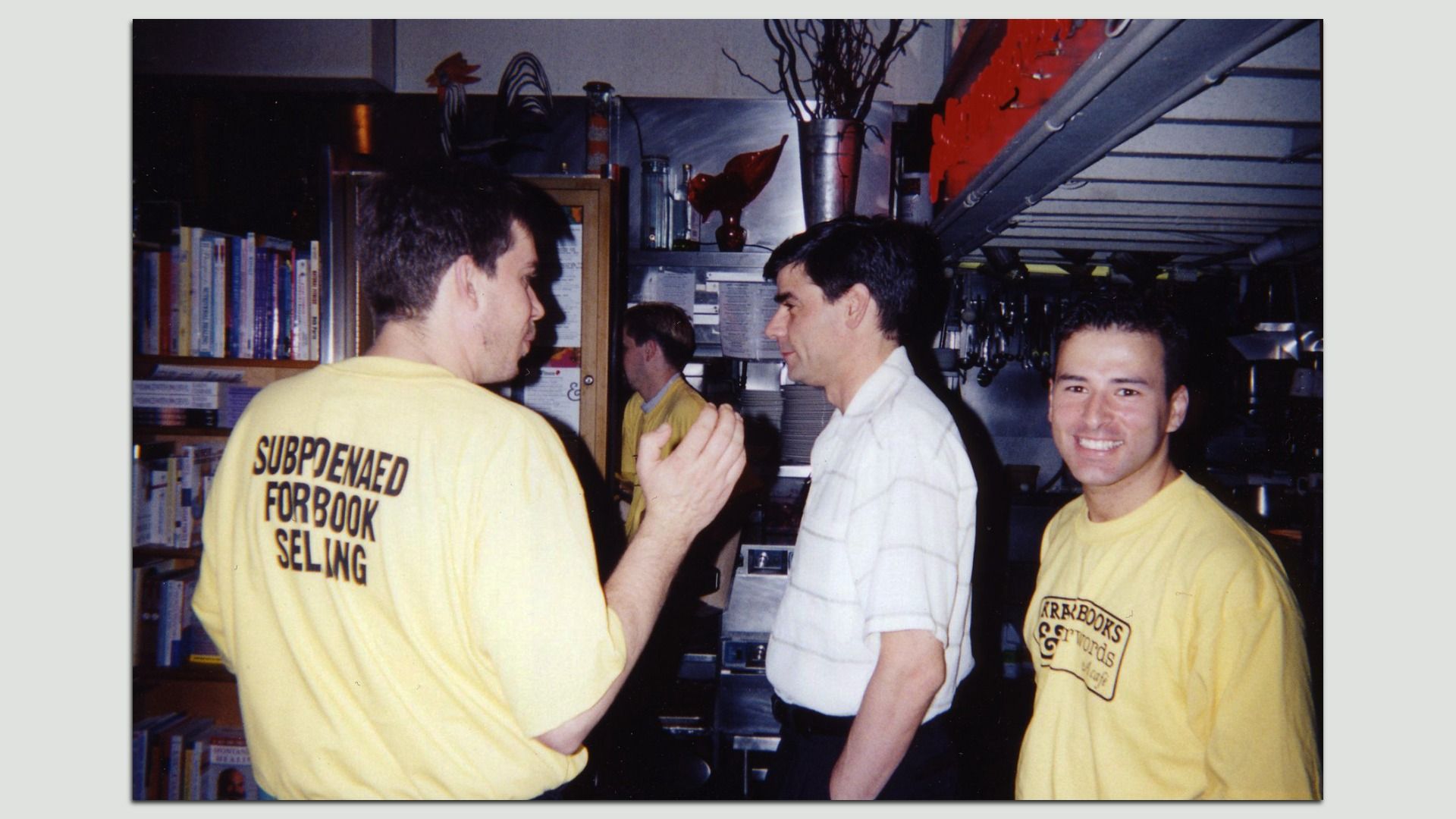
- In 1998, independent counsel Kenneth Starr subpoenaed records of Monica Lewinsky's book purchases during his investigation into President Clinton.
- That sparked a First Amendment firestorm, with librarians protesting outside the store and Kramers clerks wearing T-shirts reading "Subpoenaed for Book Selling."
- And who can forget the time Washingtonians descended upon the store at midnight in 2018 to grab Michael Wolff's Trump tell-all, "Fire and Fury"?
- Its famous visitors include President Obama (who stopped by with Sasha and Malia to buy "Diary of a Wimpy Kid"), Andy Warhol, Toni Morrison and Maya Angelou.
The intrigue: The city went into mourning in 2020 when word got out that the store might move out of Dupont. It ultimately stayed put.
- Salis says he'd like the store to remain there "for as long as humanly possible" — but that he also pays $1.2 million annually in rent, a number he calls "exorbitant."
The bottom line: "We don't take anything for granted," Salis says of making a successful venture out of what he calls two of the riskiest industries: retail and food and beverage. "We have to earn it every day."