New Smithsonian exhibit embraces complex American stories

Add Axios as your preferred source to
see more of our stories on Google.
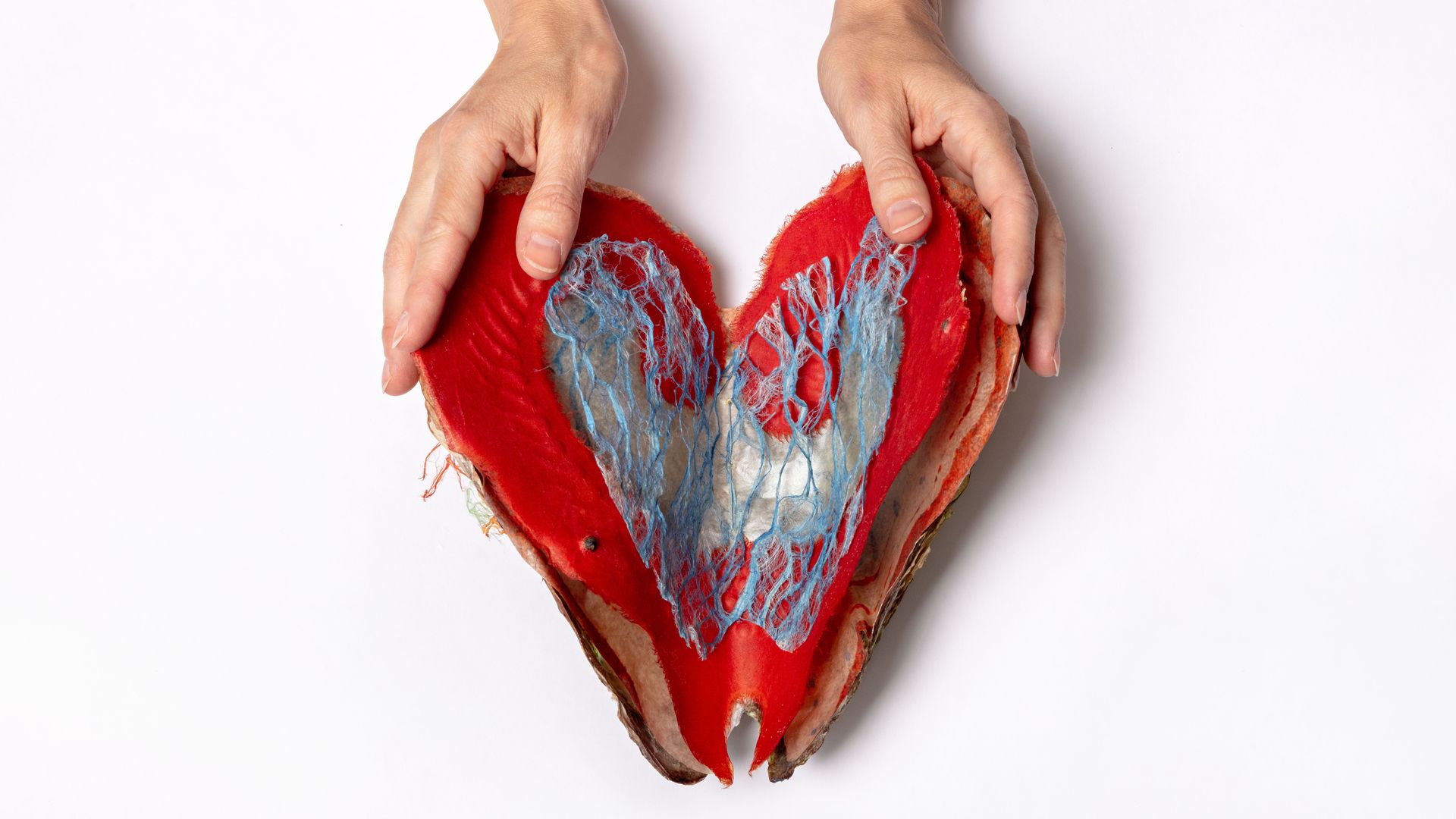
"The Mollusk" by Amy Richard. Photo: Courtesy of the Smithsonian Institution
A new Smithsonian exhibit is exploring complex American stories as the institution faces a new White House challenge to how it tells the nation's history.
The big picture: The Trump administration is preparing to plant signs outside the National Museum of American History and other Smithsonian museums, accusing the institution of presenting a biased view of American history.
- Inside the museum, "American Stories," opening Thursday, seems to offer a quieter counterpoint.
State of play: The exhibit showcases more than 50 American "artists' books" — artworks that riff on bookish forms and materials — drawn from Smithsonian Libraries and Archives.
- They include works by major artists like Sol LeWitt and Ed Ruscha, whose 1963 "Twentysix Gasoline Stations" helped popularize the form in the U.S.
The intrigue: The Smithsonian's 20 libraries hold millions of books and materials, but their collections don't get nearly the exposure of museum objects.
- Artists' books are especially tricky to show: They're often fragile, light-sensitive and designed to be touched. Some works in "American Stories" will require page rotations during the exhibition's run.
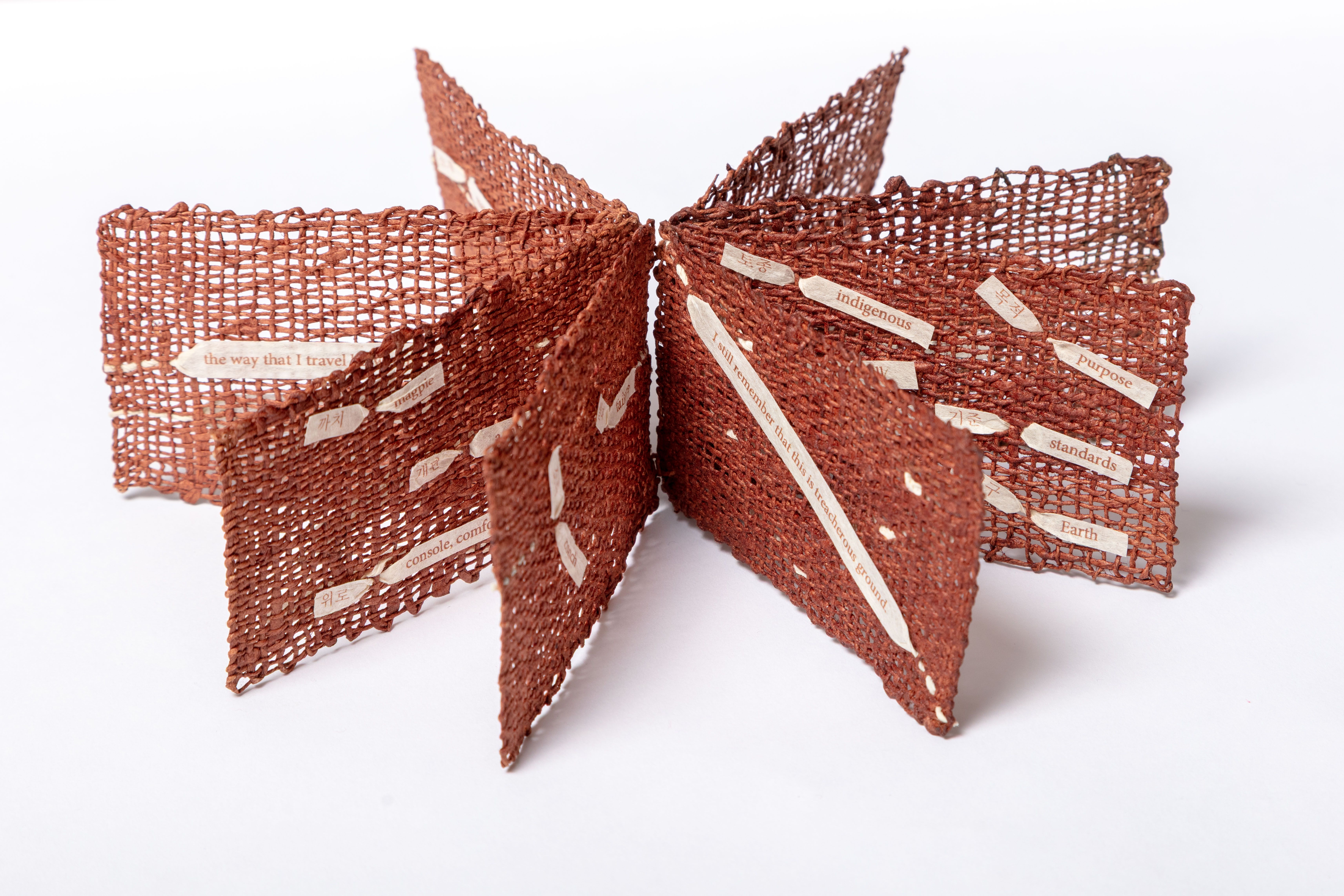
Zoom in: The works tackle identity and family alongside homelessness, gentrification, income inequality and overlooked chapters of American history.
- "Our audiences don't want to just see a, for better or worse, whitewashed perfect vision of our history," curator Anne Evenhaugen tells Axios.
One work, "Final Determinations: Cherokee by Blood," uses hand-dyed silk to examine a government process that rejected thousands of Native Americans' claims tied to forced removal.
- "These stories are interesting," Evenhaugen says, "in part because they're challenging."
If you go: "American Stories" opens Thursday in the museum's first-floor Smithsonian Libraries and Archives Gallery and runs through early 2028.