Why apple picking is scarce around D.C. this fall

Add Axios as your preferred source to
see more of our stories on Google.
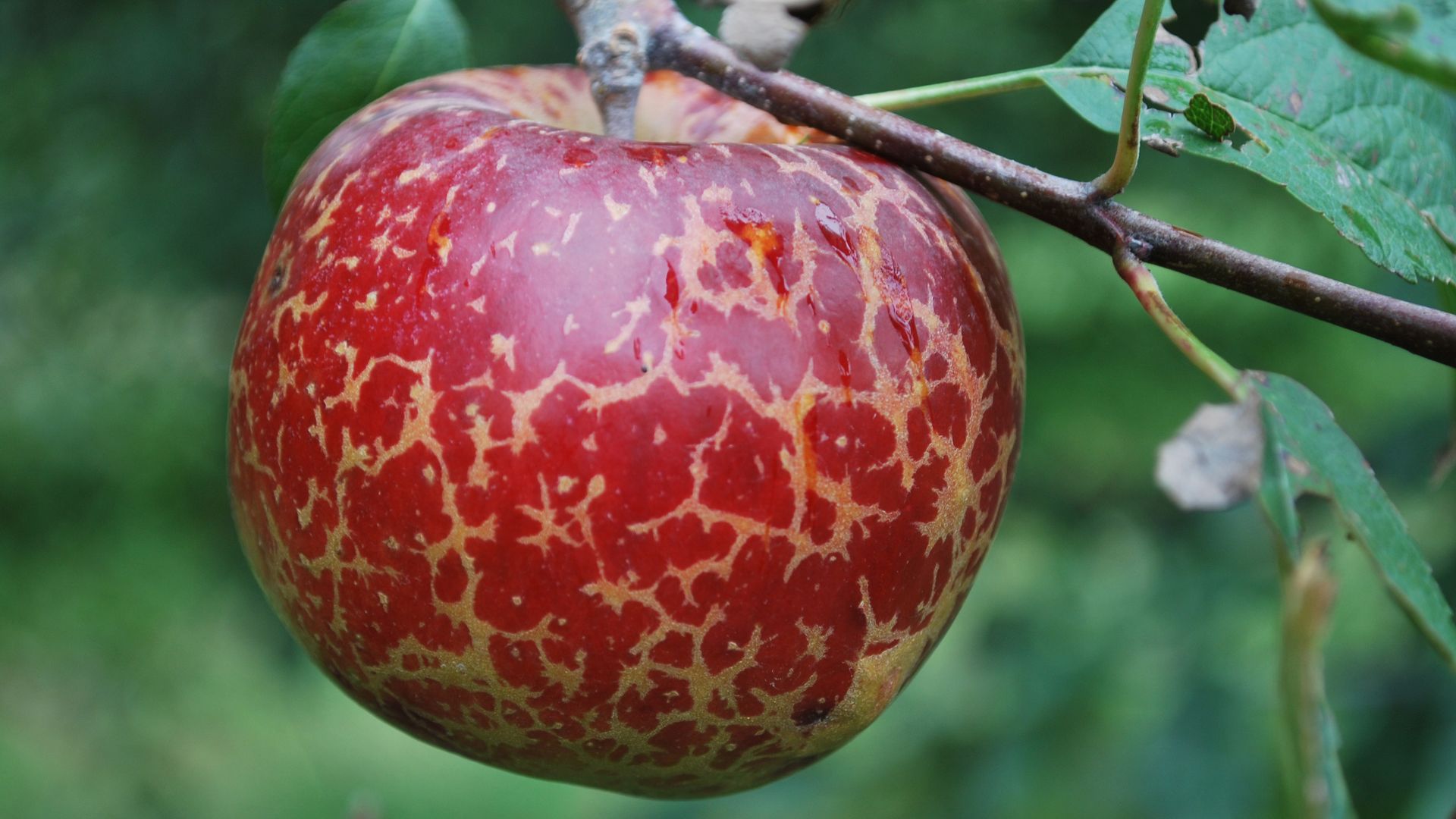
Apple orchards in the Mid-Atlantic are suffering major crop losses after a devastating freeze in the spring. Photo: Getty Images
Apple-picking season is here — but one of fall's favorite pastimes will be shorter, sparser or canceled altogether at some D.C.-area orchards after last spring's devastating frost.
Why it matters: Picking — and eating — local apples is an autumn ritual in the DMV. This year, farms and markets are getting creative to keep apples available and traditions alive.
- Still, local apple lovers may find higher prices and fewer varieties.
Driving the news: Butler's Orchard, a hugely popular pick-your-own destination in Montgomery County, kicks off apple season Saturday — but warns that may be the only day visitors get to pluck their own.
- An unusually severe overnight freeze in late April devastated the farm's crop.
- Farmer Tyler Butler recently shared an Instagram video showing just three Fuji apples on trees that would normally be loaded with fruit.
What they're saying: "It was a devastating night for a lot of farmers in the Mid-Atlantic region," Butler says.
- He tells Axios this year's pick-your-own season "is going to be very quick."
Yes, but: Not every apple was wiped out. Of the roughly 15 varieties Butler grows, Crimson Crisp was the only one to survive — and the season will end when those apples are picked out.
- Like other farms around the region, Butler's is supplementing its farmstand with apples sourced from other regional growers.
- So yes, there will still be cider, doughnuts and pies aplenty. The apples inside them just might not be quite as local.
The big picture: Apples are only part of the damage. Mid-Atlantic fruit growers have reported major crop and revenue losses since April — everything from peaches, plums and cherries to grapes that feed Virginia's wine industry.
- In Pennsylvania — a bread basket for D.C.-area farmers markets — some growers lost as much as 90% of their apple crop after similarly brutal impacts on stone fruit.
- Governments are stepping in, too. Pennsylvania created a $10 million freeze-relief fund in July, while USDA disaster declarations have opened federal assistance to growers across Maryland and Virginia.
Zoom in: Butler tells Axios he's looking at five-figure losses at the orchard, and another six-figure loss at sister Doc Waters Cidery, a farm-to-glass operation that's now sourcing as far as New York.
- He says customers will feel the costs, too, for local apples and products. Butler estimates the sweet cider alone with jump $3 — up to $9 a gallon.
The intrigue: The apple shortage is forcing the region's largest farmers-market network to bend a cardinal rule: Farmers can sell fruit they didn't grow.
- FreshFarm created a temporary reselling policy allowing affected growers to sell produce from trusted partner farms.
- That's normally a no-go: FreshFarm's producer-only markets require farmers to sell what they grow themselves.
- The policy is transparent and closely monitored, and farms are upfront about their new policies. Popular apple purveyor Black Rock Orchard, for example, says it is sourcing apples from growers farther north this season.
Between the lines: The frost hit orchards unevenly — typically the higher the elevation, the better off — so check before planning a picking trip. Popular spots, including Stribling Orchard, Mackintosh Fruit Farm and Catoctin Mountain Orchard, are warning of limited apple picking this season.
- Maryland's Larriland Farm is charging $3 field admission to help manage crowds and offset frost-related losses.
- Meanwhile, Great Country Farms in Bluemont, Virginia, is advertising apple picking as usual.
Thankfully, Butler says apples are among the last major crop impacted by the frost — so pumpkin-picking season is safe.
The bottom line: It may still feel like summer, but don't procrastinate on your fall bucket list — you may want to get a start on apple picking before autumn officially arrives.