Pay what you can at these D.C. Michelin-starred restaurants

Add Axios as your preferred source to
see more of our stories on Google.
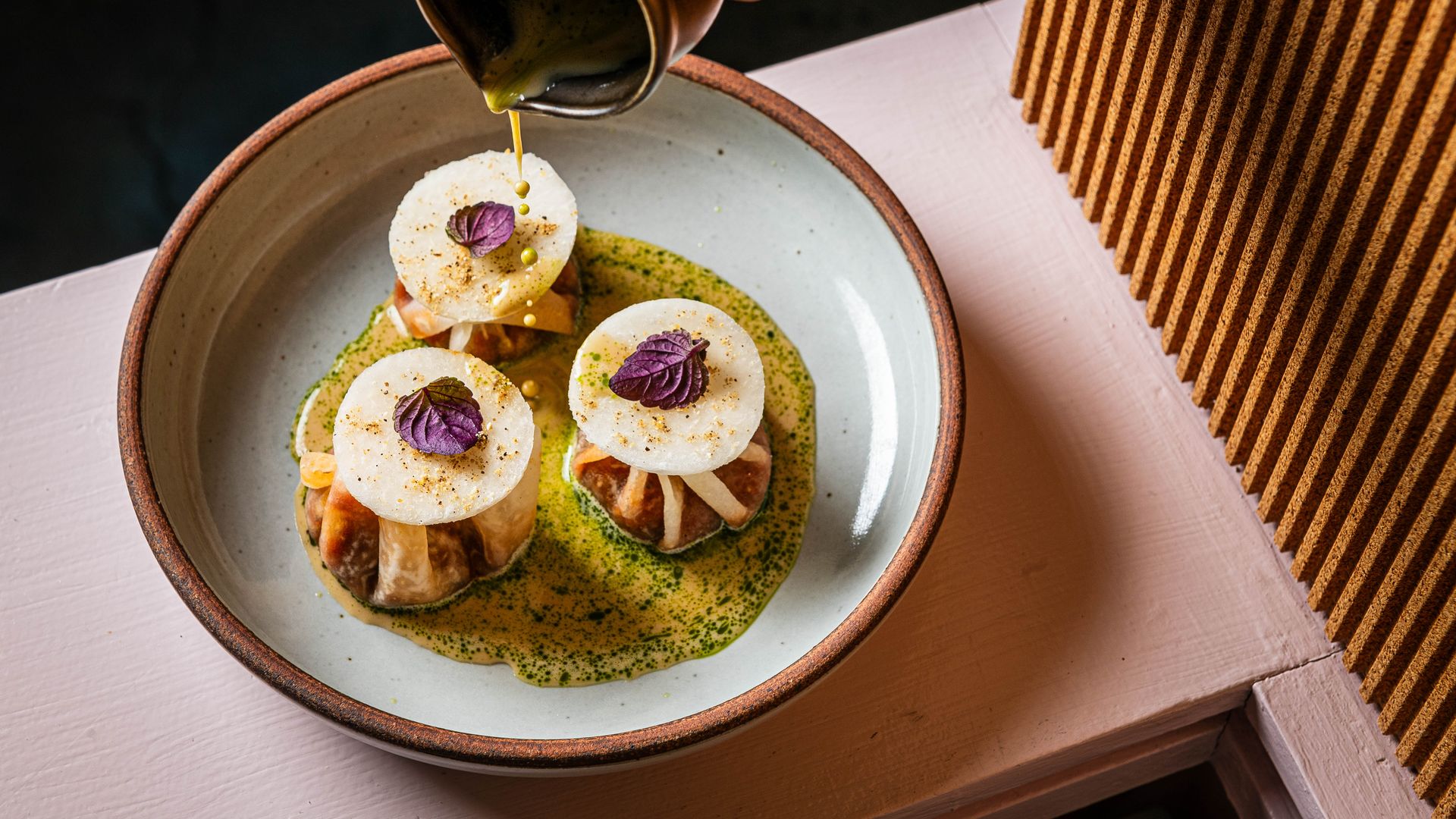
Pay what you can for Oyster Oyster's vegetable-centric tasting menu on Aug. 26. Photo: Rey Lopez for the Washington Post via Getty Images)
Can you spend $20 or $200 on a Michelin-starred meal? On Aug. 26, it doesn’t matter — some of the world’s best restaurants will let diners pay what they can.
Why it matters: What began as a community-minded experiment among Mexico City chefs is going global this year — and two of D.C.’s best restaurants, Albi and Oyster Oyster, are joining in.
State of play: The Paga Lo Que Puedas / Pay What You Can campaign comes from Norma Listman and Saqib Keval, the duo behind acclaimed Mexico City restaurant Masala y Maíz.
- The idea: Let more people experience acclaimed restaurants, without the usual price barrier.
- This year, more than 100 restaurants across 13+ countries are taking part, from Austin to Istanbul.
How it works: Instead of a check, diners get a blank envelope and decide what they can pay for their meal. Drinks are priced as usual.
- Everything else stays the same: Restaurants serve their regular food with their regular hospitality, whether a diner leaves $5 or $500.
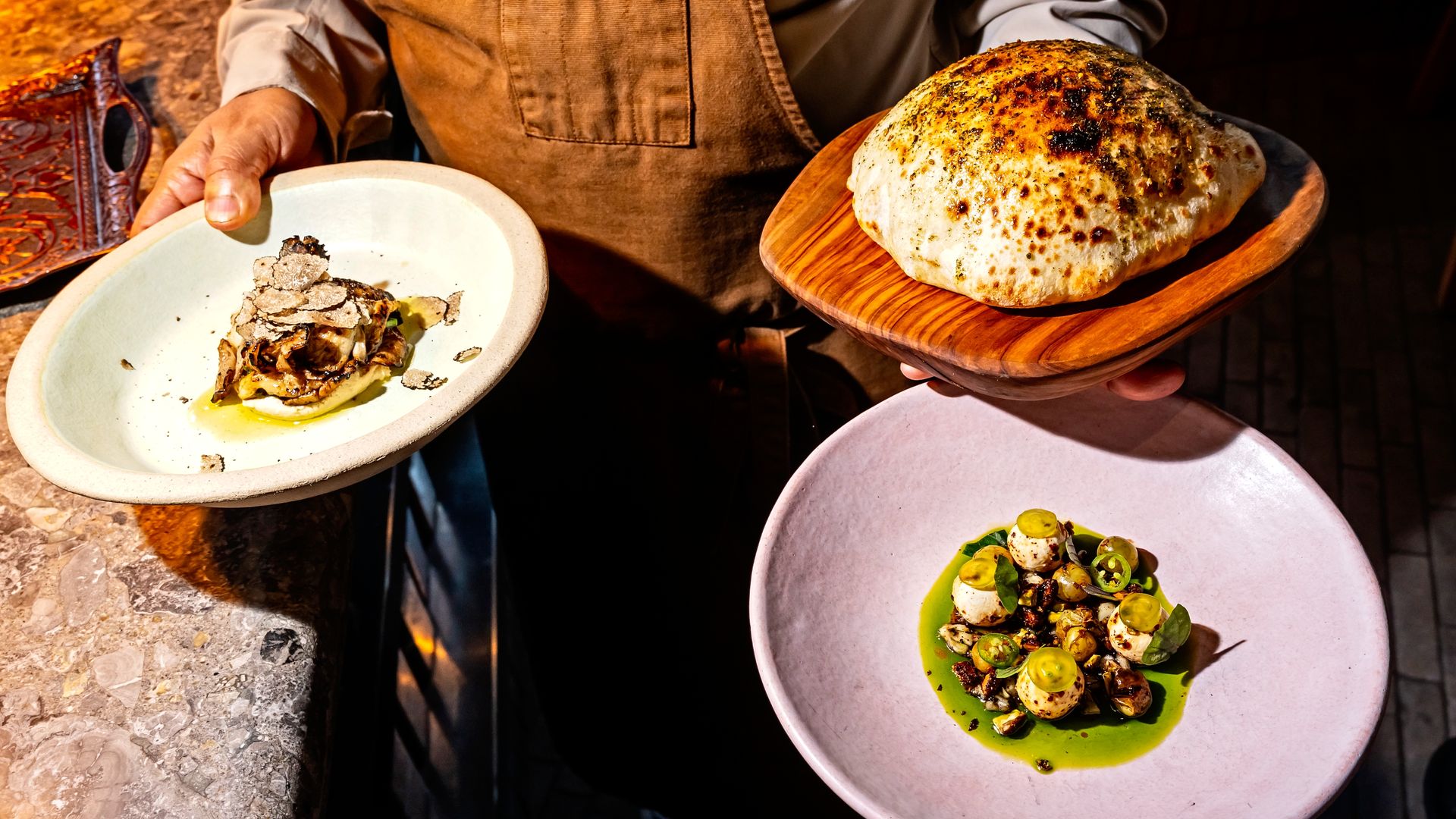
Zoom in: Albi, chef Michael Rafidi’s celebrated Levantine restaurant in Navy Yard, and Oyster Oyster, chef Rob Rubba’s plant-centric Shaw tasting room, are opening Aug. 26 reservations.
- Albi will serve its regular à la carte menu; Oyster Oyster will offer its summer tasting menu (typically $75).
Zoom out: The experiment comes as the cost of dining out continues to climb.
- It also falls during Summer Restaurant Week — but Rubba sees the two concepts very differently.
- “Restaurant Week often feels like the same playbook — you get the same discount filets of salmon, the same salad,” Rubba says. “This is heavily encouraged for the restaurants to put their personality into it.”
The intrigue: Giving diners control of the bill doesn't necessarily mean restaurants lose money. Organizers say that since launching the concept in 2020, participating restaurants have often brought in roughly as much as they would on a normal day.
- “Someone might be like, ‘This is for the good of the world. Here's $1,000 for a meal,’” Rubba says. “And someone else is like, ‘Man, I'm barely getting by. Here’s five bucks.’”
Between the lines: That resonates in D.C., where federal layoffs and the government shutdown have hit restaurants hard.
- Rubba says he may even see some familiar faces on Aug. 26. “We saw a lot of folks who were working in the sector of things our restaurant believes in — sustainability, the environment — not being able to work,” he says.
- “We want to inspire people. So creating an opportunity for anyone to come and enjoy it for a day is really cool, and something we want to do again.”