The World Cup skipped D.C. — but delivered a lifeline anyway

Add Axios as your preferred source to
see more of our stories on Google.
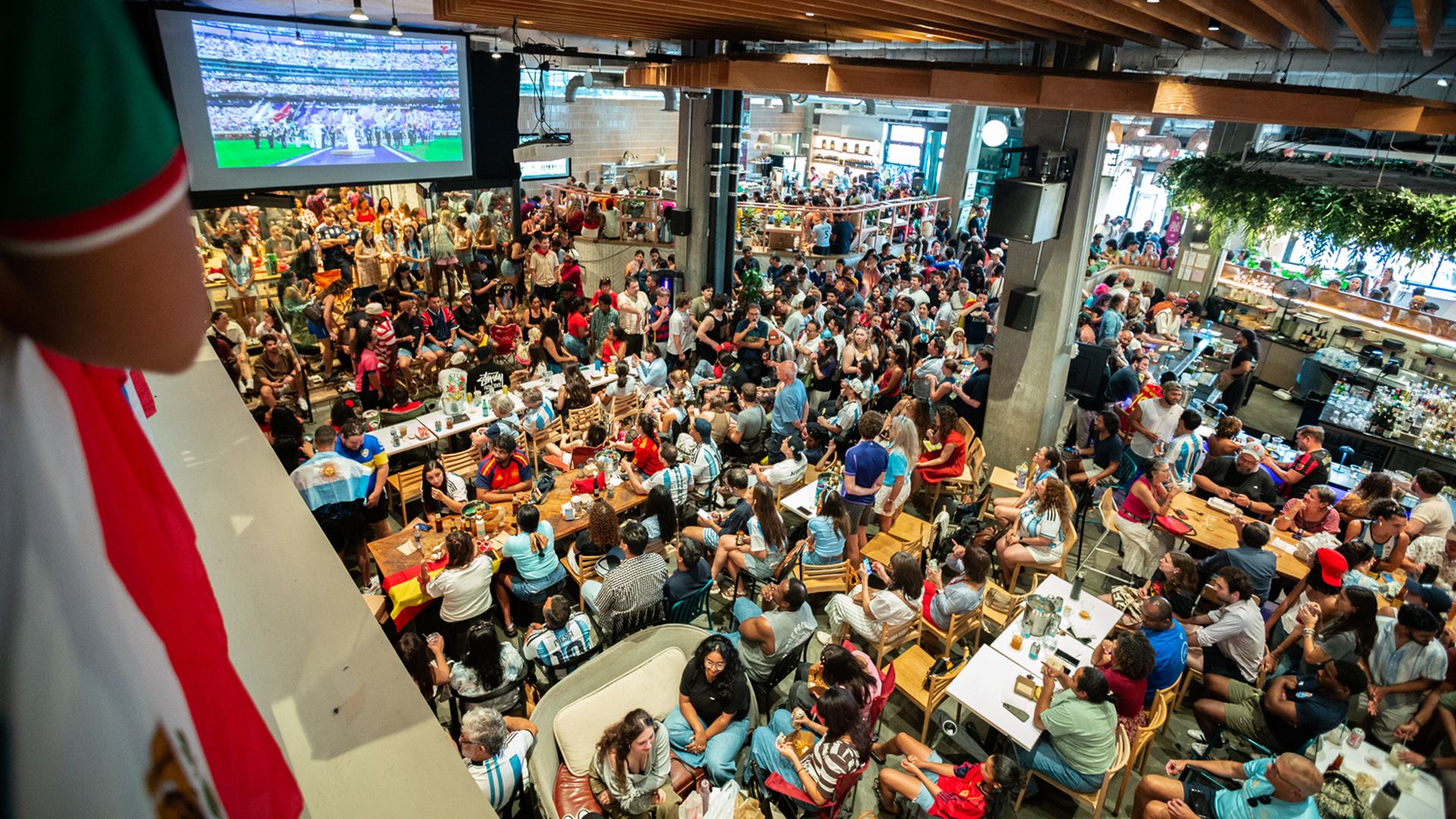
An estimated 3,000 person crowd packed in and around La Cosecha, a Latin marketplace, for the World Cup finale. Photo: Courtesy VNTG Productions
Spain may have won the World Cup, but D.C. bars are lifting their own trophy after a month of blockbuster soccer business.
Why it matters: Following a bruising winter of snowstorms, government upheaval and softer nightlife spending, the tournament gave D.C. bars and restaurants something they rarely see in the summer: packed houses.
- "The World Cup probably threw a lifeline to a lot of businesses in D.C.," Tin Shop co-founder Peter Bayne tells Axios.
Stunning stats: For many, the tournament was a bigger business driver than July 4th — drawing not only soccer fans but customers from D.C.'s enormous diplomatic, ex-pat and immigrant communities.
- Bayne (Franklin Hall, Penn Social) says June revenue roughly doubled across eight Tin Shop venues compared to the same time last year.
- Whitlow's saw business jump 300% on championship Sunday compared to their usual numbers. Tournament sales climbed 16% year over year on U Street and 12% at the Wharf.
- At Dupont's Admiral, beer sales tripled from the same stretch last year.
What they're saying: "The winner of the World Cup was definitely the D.C. restaurant industry," Admiral owner Fritz Brogan tells Axios.
Zoom in: June and July are typically slow months for D.C. bars and restaurants, but some were so packed they were turning away business.
- Franklin Hall routinely hit capacity, forcing staff to turn fans away. Bayne wheeled TVs onto neighboring Lucy's patio and lined sidewalks with chairs so more people could watch outside.
- La Cosecha became a hub for Latin American fans, hosting a block party for the Spain-Argentina final that drew an estimated 3,000 people.
- Early data from developer Edens shows La Cosecha saw 54% higher sales and 82% more foot traffic during the tournament than on comparable non-game days.
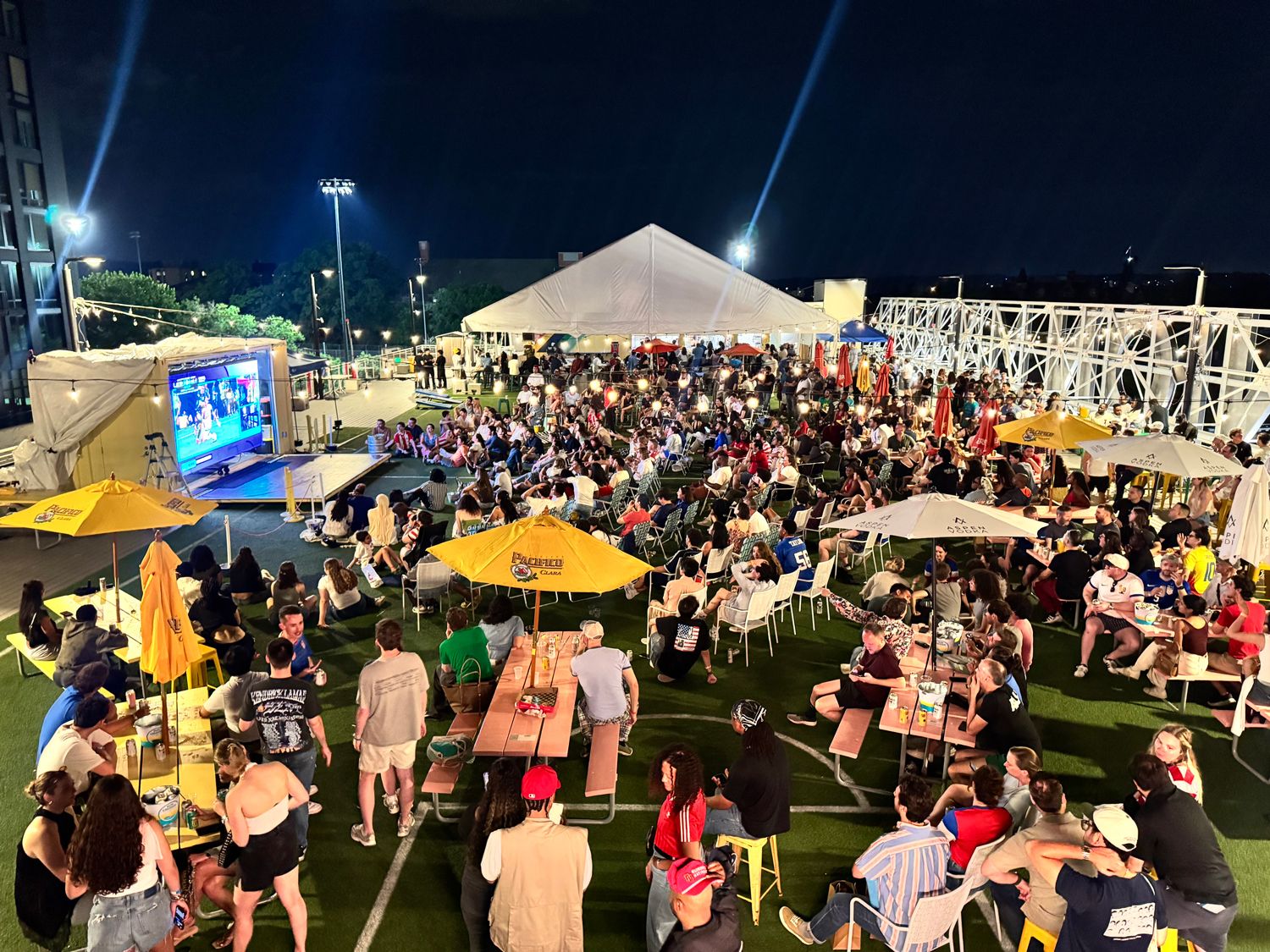
Meanwhile, Hi-Lawn, the rooftop bar atop Union Market, screened nearly all 104 matches and hosted up to 900 fans for USA and Mexico games, recording its three busiest days ever since opening in 2020.
- "We expected an uptick," Hi-Lawn owner Greg Algie says. "We did not expect such large crowds."
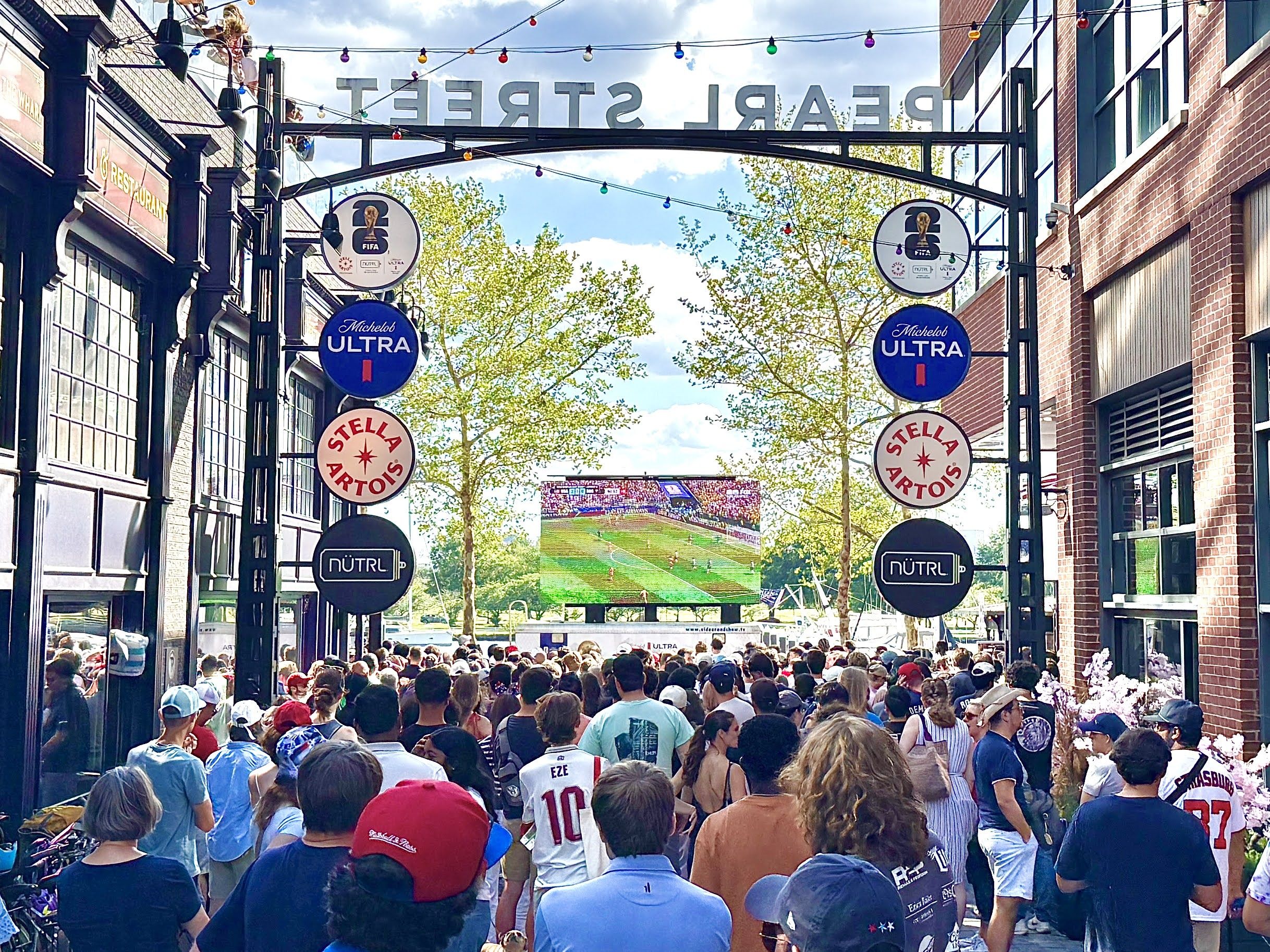
The intrigue: The tournament created new soccer hubs.
- At Shaw's TallBoy, Bayne says a Kalshi promotion offering free tabs if Team USA won brought an entirely new crowd into a bar not traditionally known for sports.
- The added business paid for upgraded TVs that will remain long after the tournament.
Plus: The benefits extended well beyond bar owners.
- Bayne says bartenders who might normally see summer shifts cut were earning close to $100 an hour in tips during marquee matches.
The big picture: The World Cup helped boost beer and alcohol sales nationwide amid a decline in alcohol consumption.
- Beer sales across the U.S. shot up 5.5%, according to the D.C.-based Beer Institute.
- Demand was so intense the Admiral rented a refrigerated truck just to store extra kegs of Michelob Ultra, FIFA's "official" beer.
- Brogan says the bar burned through 25 to 30 kegs a week, compared with its usual five to eight.
What's next: More D.C. bars are betting on soccer to drive sales.
- Whitlow's plans to launch Premier League watch parties soon based on their World Cup success. "Unless you have a special package at home, you can't get the game," says general manager Mike Egan, who adds soccer's predictable two-hour matches can drive a more dependable crowd than lengthy football or baseball games.
- "People make sure to get there to catch the action."
The bottom line: The World Cup is over, but bar owners hope the momentum isn't. With the Nationals surging, IndyCar on deck and football season around the corner, they're hoping the city has finally turned the corner.
- "Maybe D.C. is back," Brogan says.