Exclusive: Smithsonian women's museum puts American heroines on the National Mall

Add Axios as your preferred source to
see more of our stories on Google.
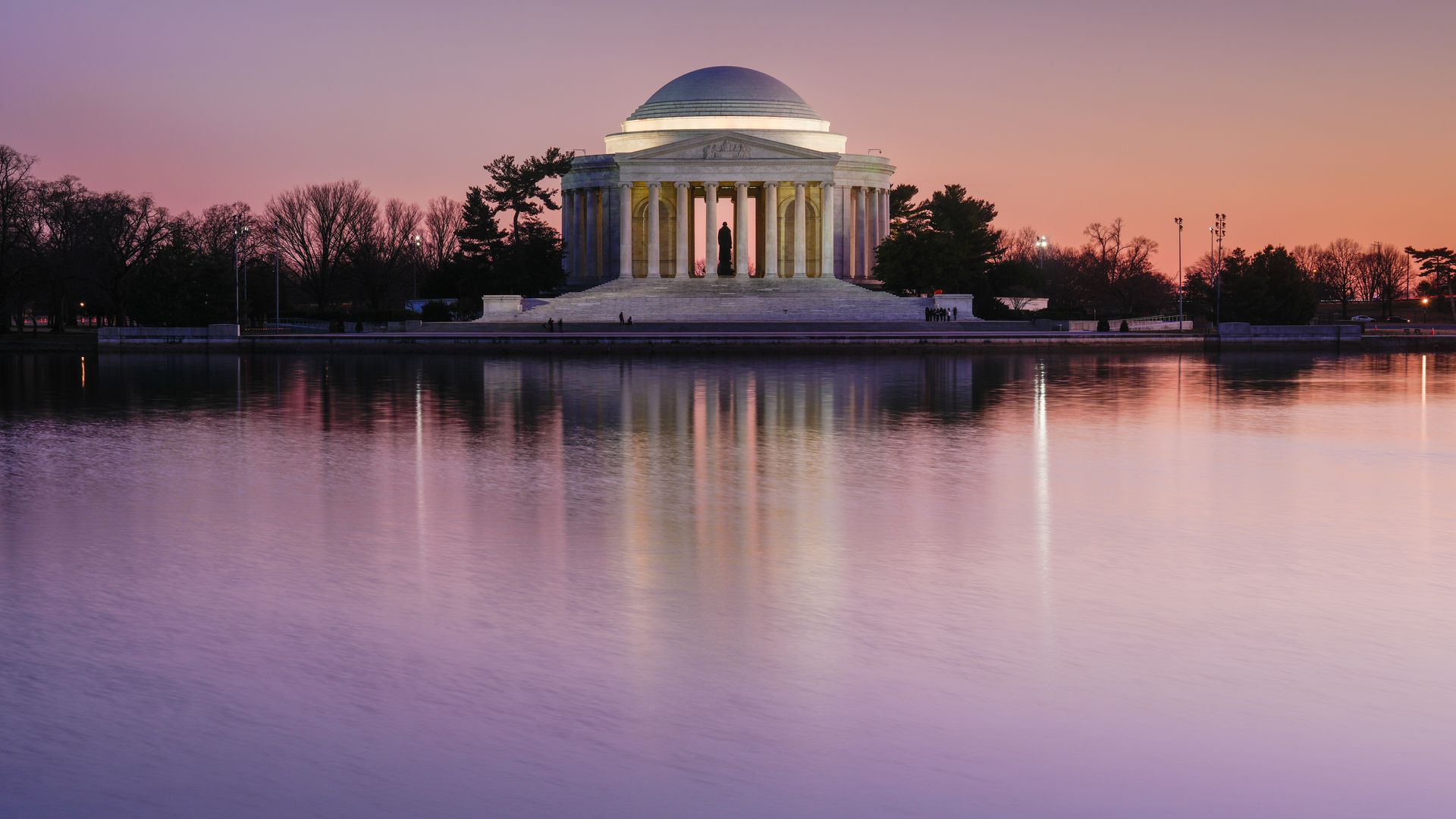
The Jefferson Memorial is one of five monuments where the Smithsonian American Women's History Museum is launching its new exhibit: "Unhidden Heroines." Photo: J. David Ake/Getty Images
Where are the women? For decades, that's been one of the National Mall's most glaring omissions.
- Starting Thursday, a new Smithsonian augmented reality experience will place five female trailblazers alongside some of the nation's most iconic monuments through December — no construction required.
Why it matters: The Smithsonian American Women's History Museum is still fighting for a permanent home on America's Front Yard. In the meantime, they're harnessing digital creativity to celebrate women's contributions.
Driving the news: "Unhidden Heroines," timed to America's 250th anniversary, highlights women who shaped America, but whose stories are absent from the country's most recognizable landmarks.
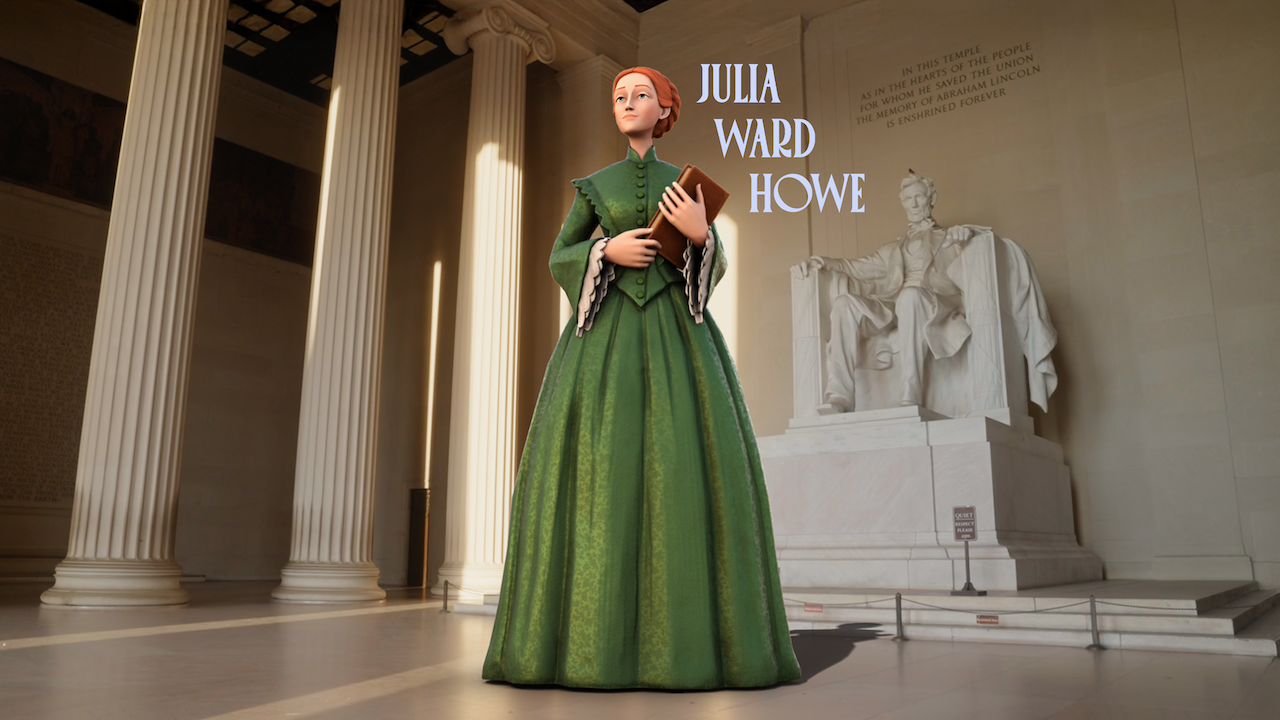
You can see:
- Julia Ward Howe, author of "The Battle Hymn of the Republic" (Lincoln Memorial).
- Polly Cooper, the Oneida woman who helped sustain Washington's Continental Army (Washington Monument).
- Mary Katharine Goddard, the Maryland printer who published the first signed copy of the Declaration of Independence (Jefferson Memorial).
- Elizebeth Smith Friedman, the cryptanalyst who helped crack Nazi codes (FDR Memorial).
- Dorothy Height, the D.C.-connected activist known as the "Godmother of the Civil Rights Movement" (MLK Memorial).
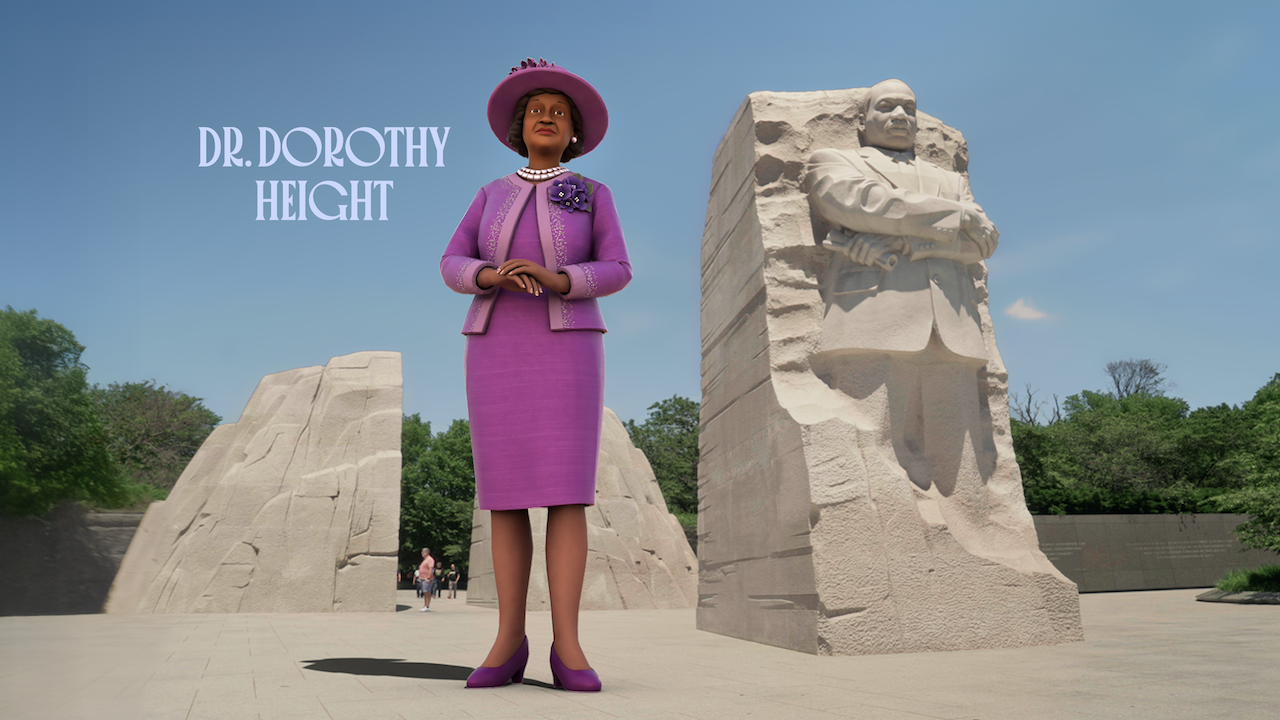
How it works: Visitors pull up the experience on a smartphone or tablet and poof! A Disney-esque 3D heroine appears beside the monument to tell her story.
- Interactive elements let users operate Goddard's printing press, watch musical notes swirl around Howe or stoke Cooper's campfire. Hidden Easter eggs add a Pokémon Go-style layer of exploration.
- All five stops span about two miles, but the entire experience is also available online — along with a deeper dive into each woman's story.
The big picture: The exhibition arrives at a pivotal moment for the women's museum itself.
- Advocates spent nearly two decades pushing for a Smithsonian women's history museum before Congress authorized it in 2020.
- But the effort to secure a permanent site on the National Mall hit a setback last month after Congressional legislation stalled amid broader disputes over museum content, historical interpretation and transgender inclusion.
Context: Women remain scarce in the Mall's commemorative landscape.
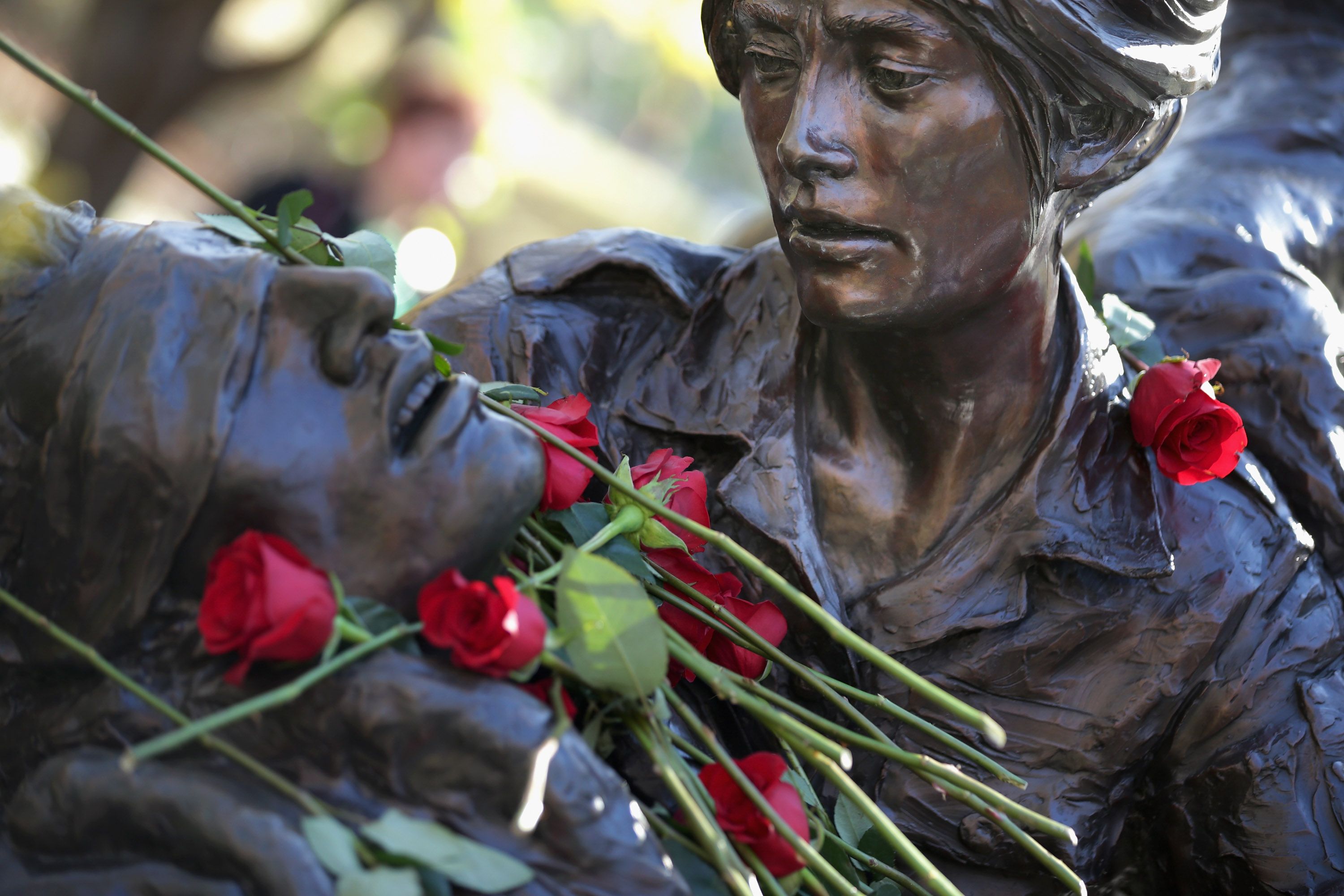
- The Vietnam Women's Memorial, dedicated in 1993, is one of the few major exceptions. Eleanor Roosevelt appears in the FDR Memorial.
- A long-planned suffragist memorial would become the first standalone monument dedicated to the women's movement.
Meanwhile, women's museum interim director Melanie Adams estimates women account for only about 10% of the stories taught in many history textbooks.
- "The Mall reflects what's been happening overall in society," she tells Axios.
The other side: Not everyone thinks the museum belongs on the Mall.
- In a recent Washington Post op-ed, conservative architecture activist Justin Shubow argued the women's museum and the National Museum of the American Latino should instead be built on the old Energy Department headquarters near the Smithsonian Castle.
- His argument: The Mall is already a "substantially completed work of civic art," per Congress, while the nearby site could accommodate both museums and create a new cultural corridor.
Adams disagrees.
- "There's a reason why monuments to Washington, Jefferson, Lincoln and MLK are all on the National Mall," she said. "A women's museum deserves that same place."
The intrigue: Adams sees "Unhidden Heroines" as more than a stopgap until a building arrives.
- The exhibit offers a glimpse of how the museum hopes to engage audiences 10 years down the line, in a future where technology — and Smithsonian institutions themselves — look different.
- "We don't want to be your grandmother's museum," Adams tells Axios.
What she's watching: Whether visitors leave wanting more.
- "I hope it encourages people to look for unhidden heroines in other places," Adams says. "Now that they know stories of women are out there, I hope they'll search them out."
Editor's note: This story has been corrected to say Melanie Adams is the interim director (not director).