A massive "human composting" facility just opened outside D.C.

Add Axios as your preferred source to
see more of our stories on Google.
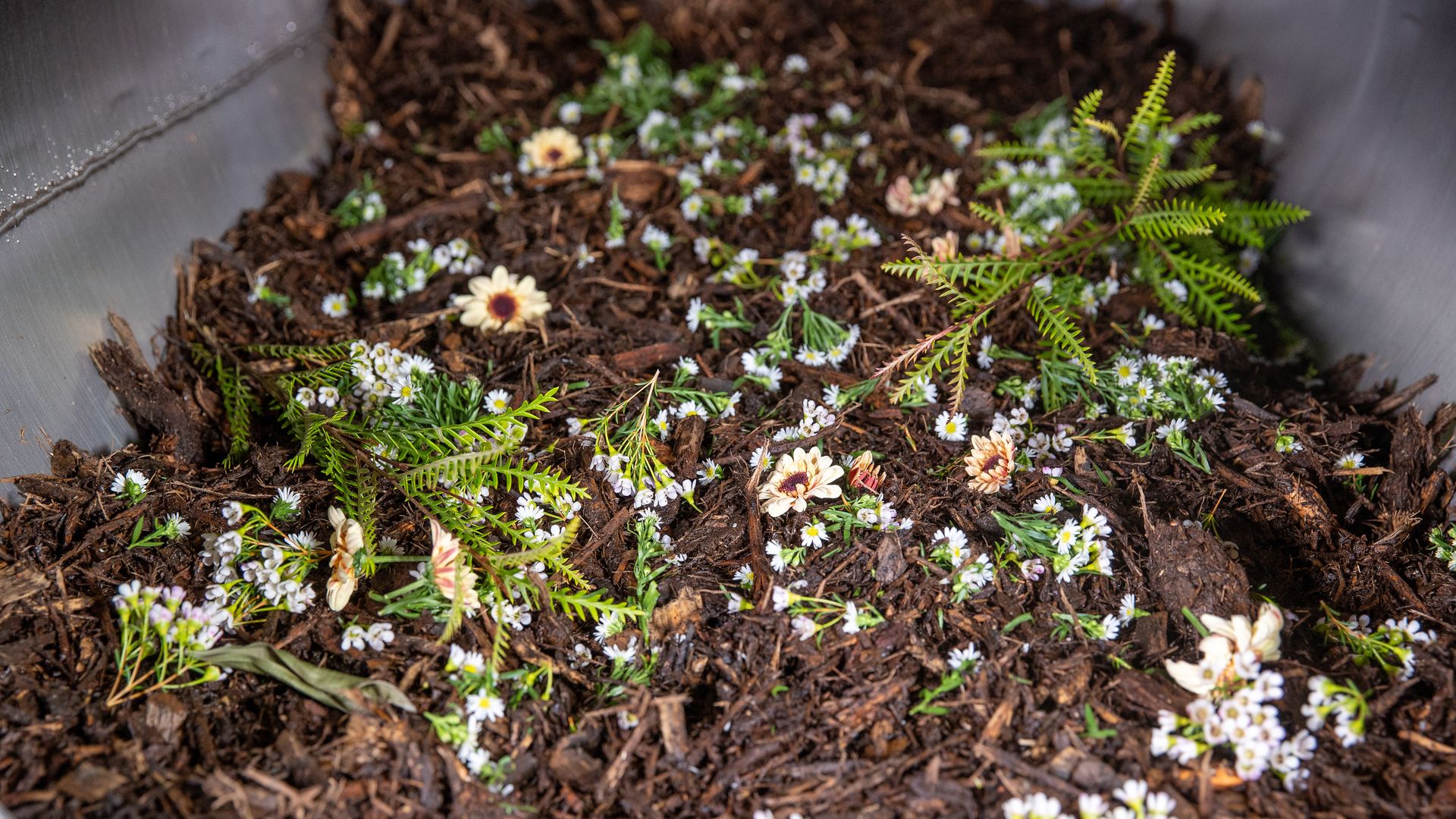
Earth Funeral brings one of the largest "human composting" facilities to Maryland. Photo: Mat Hayward/Getty Images for Earth Funeral
The green burial boom is here — a huge "human composting" site just opened outside D.C., bringing a fast-growing, eco-friendly death care option close to home.
Why it matters: Maryland legalized human composting two years ago, paving the way for Earth Funeral to open one of the world's largest facilities in Howard County — giving East Coast families access to a process that often required transporting loved ones across the country.
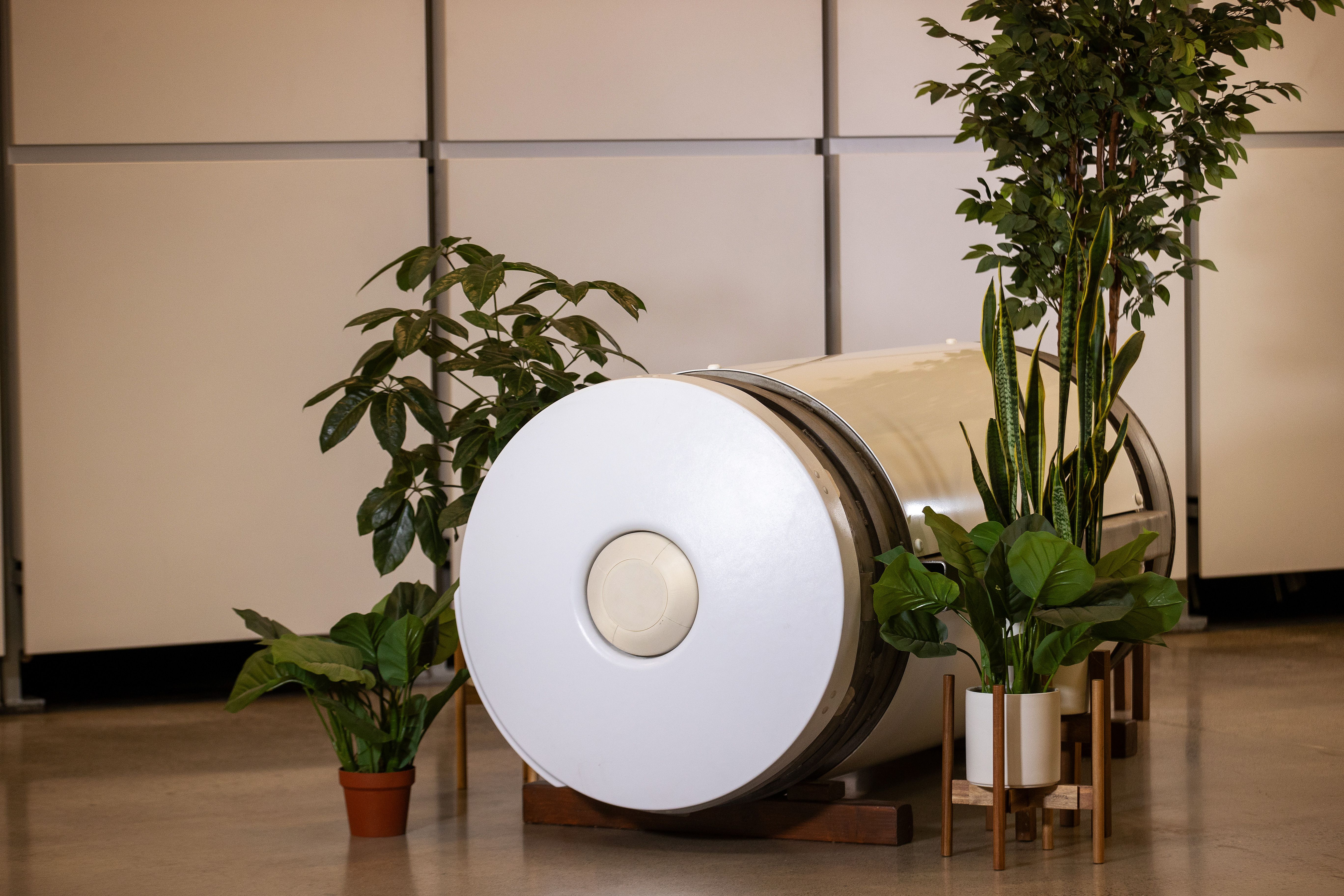
The big picture: Human composting — formally known as "natural organic reduction" — transforms corpses into nutrient-rich soil using natural materials, airflow and controlled decomposition.
- Born in Washington state about a decade ago, it's gaining traction as an alternative to burial and cremation.
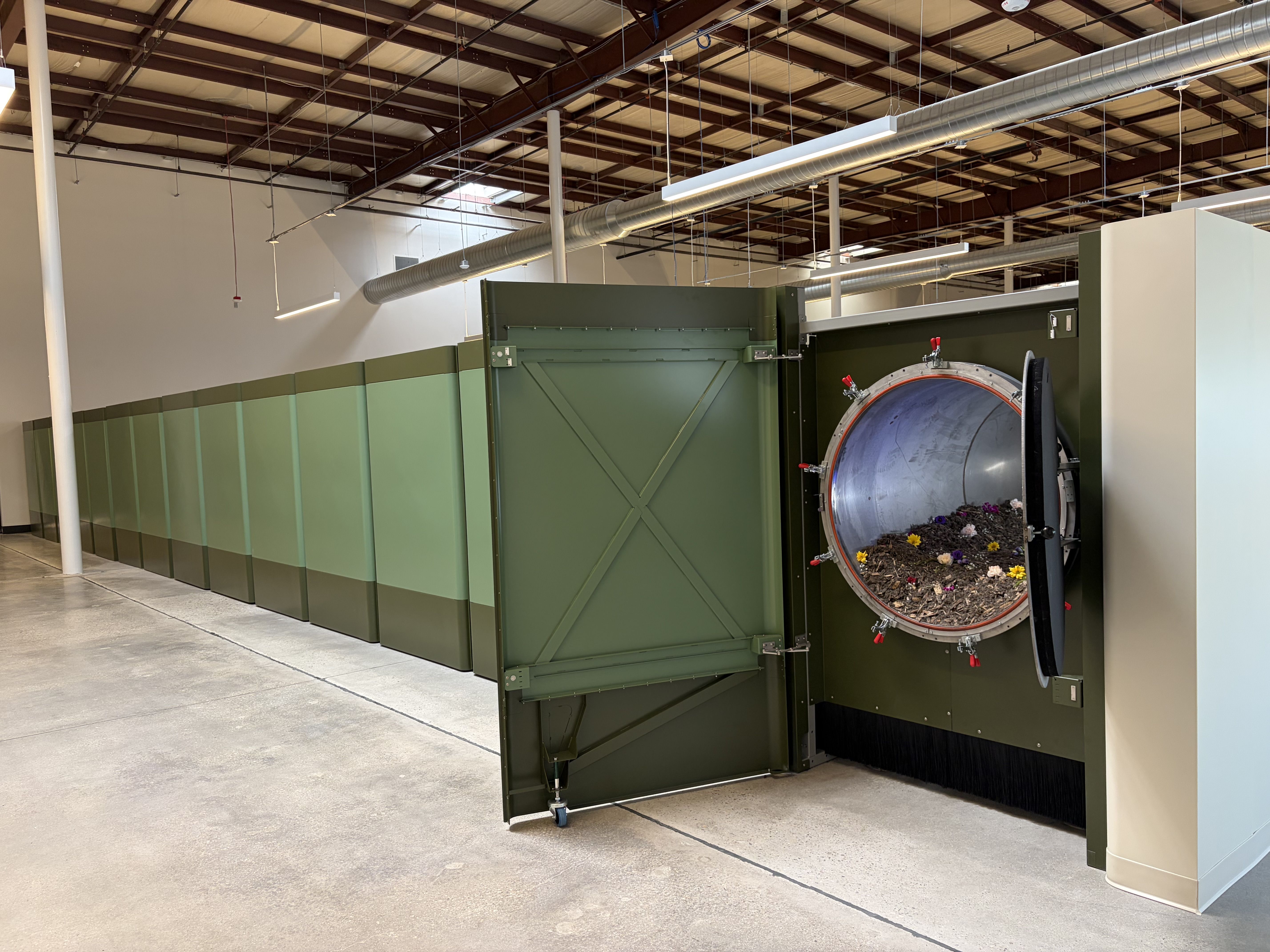
Zoom in: The new Elkridge facility spans 36,000 square feet with 56 composting vessels.
- CEO Tom Harries tells Axios they want to double capacity and plan to serve more than 2,000 families annually.
- Earth Funeral has operated on the West Coast for years, but Harries says East Coast demand has surged for its service, which takes about 45 days.
What they're saying: "A lot of people just don't resonate with the existing options," Harries tells Axios.
- Traditional burial — costly and land-intensive — accounted for roughly 80% of deaths in the 1990s but could fall closer to 20% within the next decade, he says.
- Cremation has filled much of that gap, but many families are looking for something that feels more personal, ecological or spiritually meaningful.
Driving the trend: Environmental concerns, lower costs and changing attitudes around death.
- Earth Funeral says its all-inclusive services average just under $6,000 — cheaper than burial, comparable to cremation.
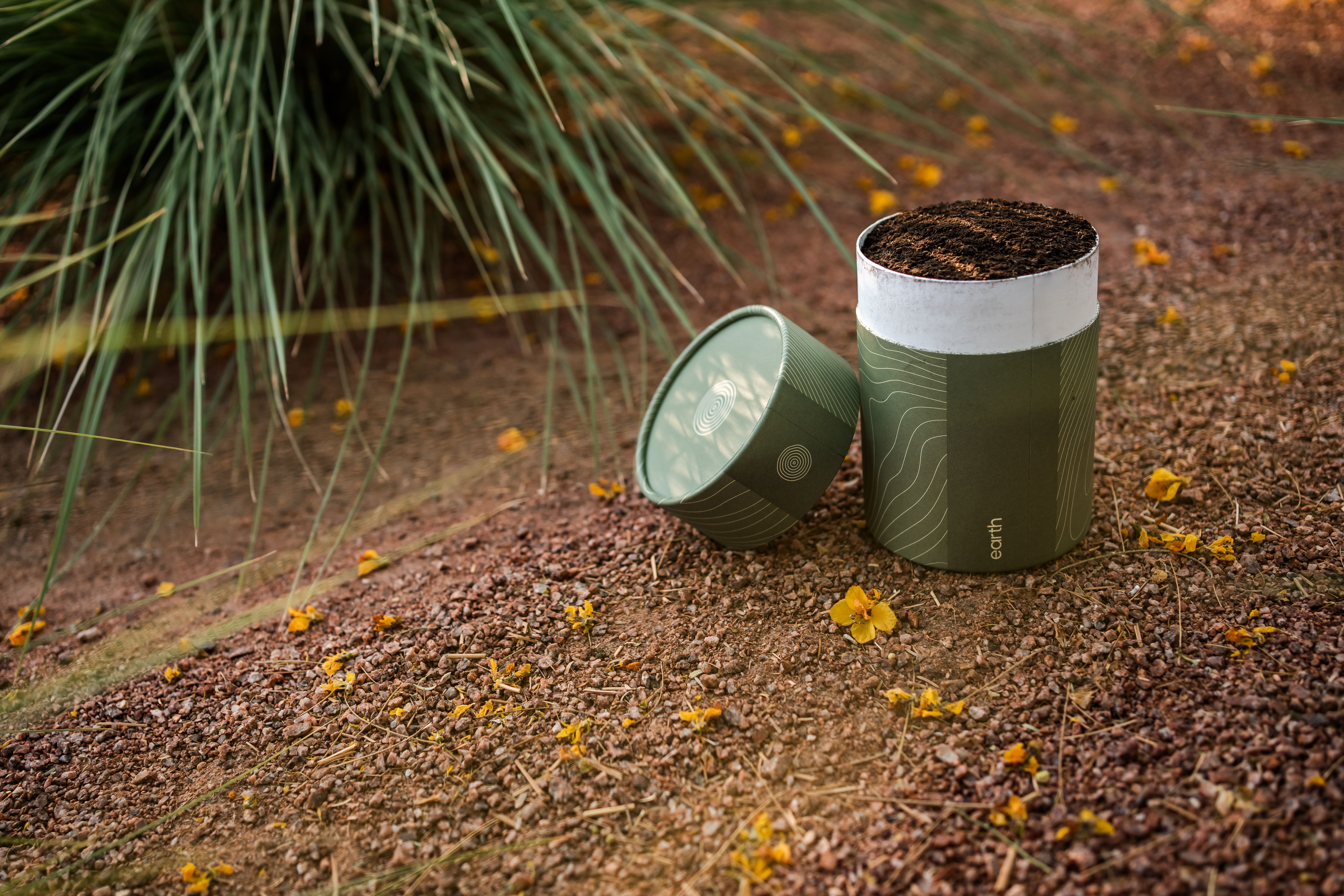
- Families can keep the resulting soil (roughly 300 pounds), donate it to conservation projects or use it to plant memorial trees and gardens.
The intrigue: Retired Air Force Col. Dave Buermeyer tells Axios he came across Earth Funeral while estate planning and will lobby Arlington National Cemetery to allow composted remains.
- "Environmentally, it's head and shoulders over any other method that I've ever heard of," Buermeyer says. Plus, his family likes the idea of returning to nature.
- Some cemeteries allow composted remains, "but Arlington is a different beast," he says — time-consuming and stringent.
- He envisions Arlington someday creating a "scatter field" for composted remains — an idea he says could help relieve long-term land and maintenance pressures at one of the country's most iconic cemeteries.
Between the lines: Burial traditions are already evolving in land-strapped big cities.
- Natural organic reduction sidesteps some environmental concerns tied to cemeteries and cremation, including embalming chemicals, land use and fossil fuel emissions.
What's next: Fourteen states have legalized human composting so far, according to Harries, with more legislation under consideration this year.
- Bodies can still be easily transported across state lines for the process, and there are currently few restrictions on where the resulting soil can be distributed.
Earth Funeral says it wants to expand nationwide — and eventually internationally. "The U.S. is leading the charge," says Harries, "but this resonates with people all over the world."