Homes Brief
Why D.C. homeowners are designing "analog" rooms

Add Axios as your preferred source to
see more of our stories on Google.
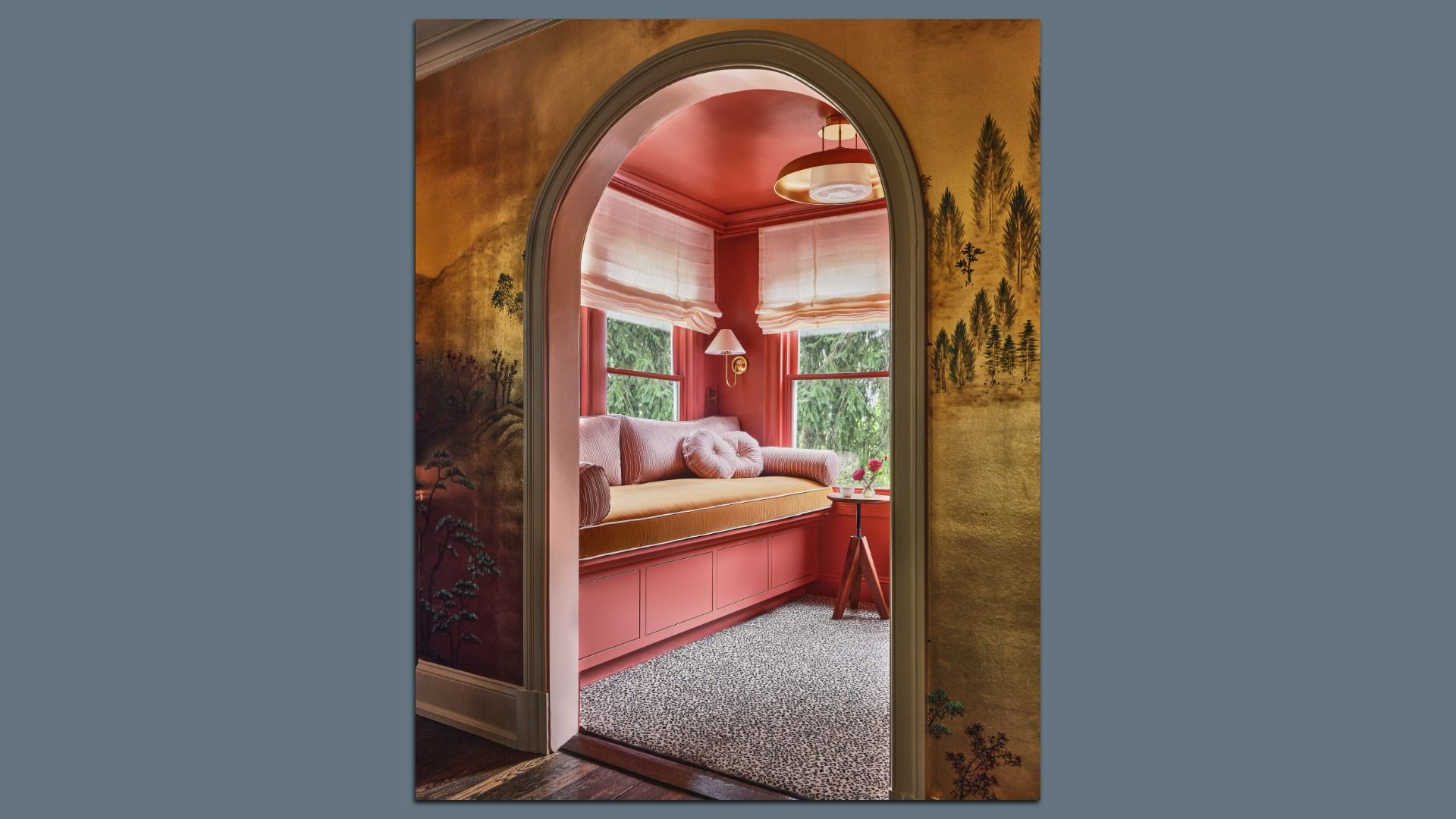
Photo: Michael Clifford, Courtesy of Zoë Feldman
Move over, smart homes: Washingtonians want quiet spaces to escape constant stimulation from screens and notifications, designer Zoë Feldman tells Axios.
The big picture: More homeowners nationwide are creating "dumb homes," says Beth McGroarty, vice president of research at the Global Wellness Institute. It's part of a broader "analog wellness" movement.
By the numbers: Reading nooks are now being mentioned 48% more often in Zillow listings compared to a year ago, reflecting "the growing demand for unplugged relaxation at home," according to Zillow's 2026 Home Trends Report.
- Pinterest searches for "digital detox aesthetic" are up 95% over the past year, per the platform's 2026 Parenting Trend Report.
What they're saying: Clients asking for unplugged spaces crave "a different pace of living," Feldman says, "where they can land at the end of the day and feel held rather than pulled in a dozen directions."
- Feldman, herself, lived in a house with a pink sunroom filled with books, art supplies, toys and other analog items that "bring back a sense of presence."
- She moved out less than a year ago, but she remembers the space as a "soft landing zone … where my children could read and play, and where I spent so much time caring for them as babies."
Zoom in: D.C. homeowners James and Ellen Patterson turned their unfinished basement into an "analog room" for screen-free music, games and gatherings, James told the Wall Street Journal.
- Retro guitars, a turntable and a vinyl record collection fill the dark gray-green painted space designed by BarnesVanze Architects and Colman Riddell.
The bottom line: "Playing a game with family or doing your own little impromptu karaoke is just so much more joyful than getting on your phone and scrolling for 45 minutes," James said.