Nat Geo's highly anticipated museum opens in June

Add Axios as your preferred source to
see more of our stories on Google.
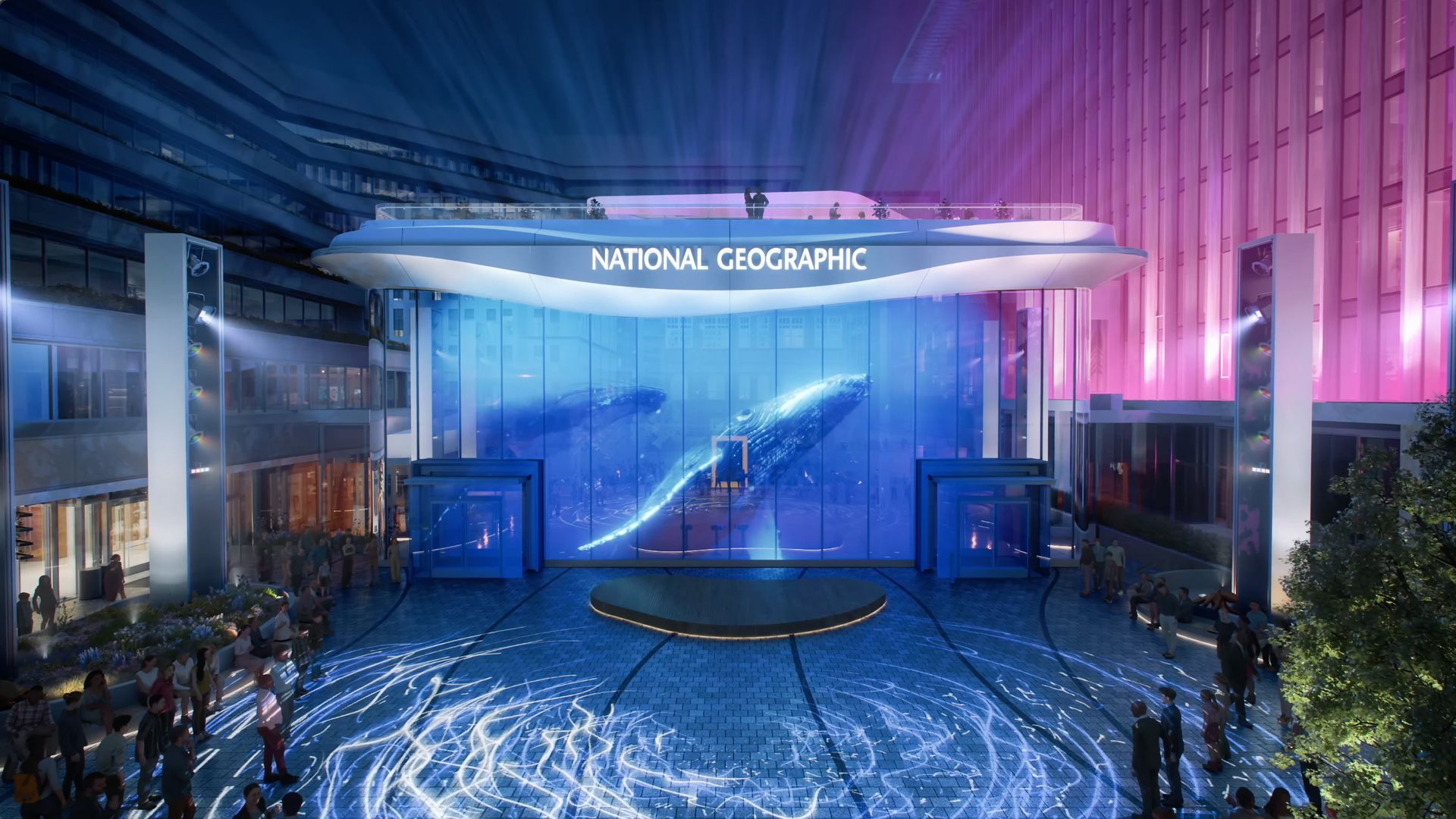
The Museum of Exploration has a huge outdoor courtyard with nighttime visual displays. Rendering: Courtesy National Geographic Society
D.C.'s most-anticipated new museum finally has an opening date: the National Geographic Museum of Exploration debuts June 26.
Why it matters: The $300 million transformation of Nat Geo's 140-year-old campus near downtown has been years in the making — and it's not your typical museum. Think high-tech, hands-on and built for all ages.
The vibe: Part museum, part immersive adventure — and a big swing for a D.C. institution whose campus has been part of city life since the early 20th century.
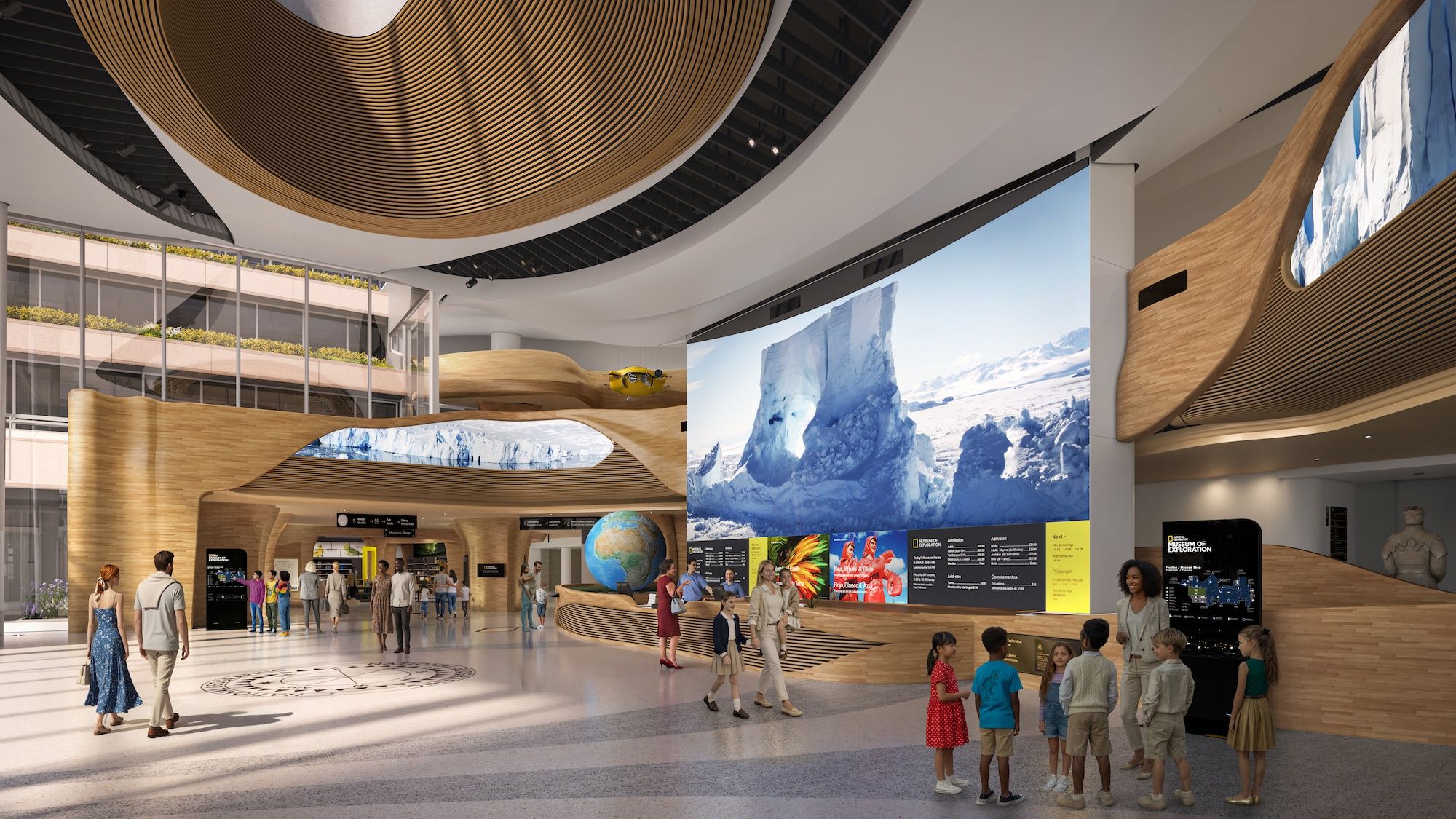
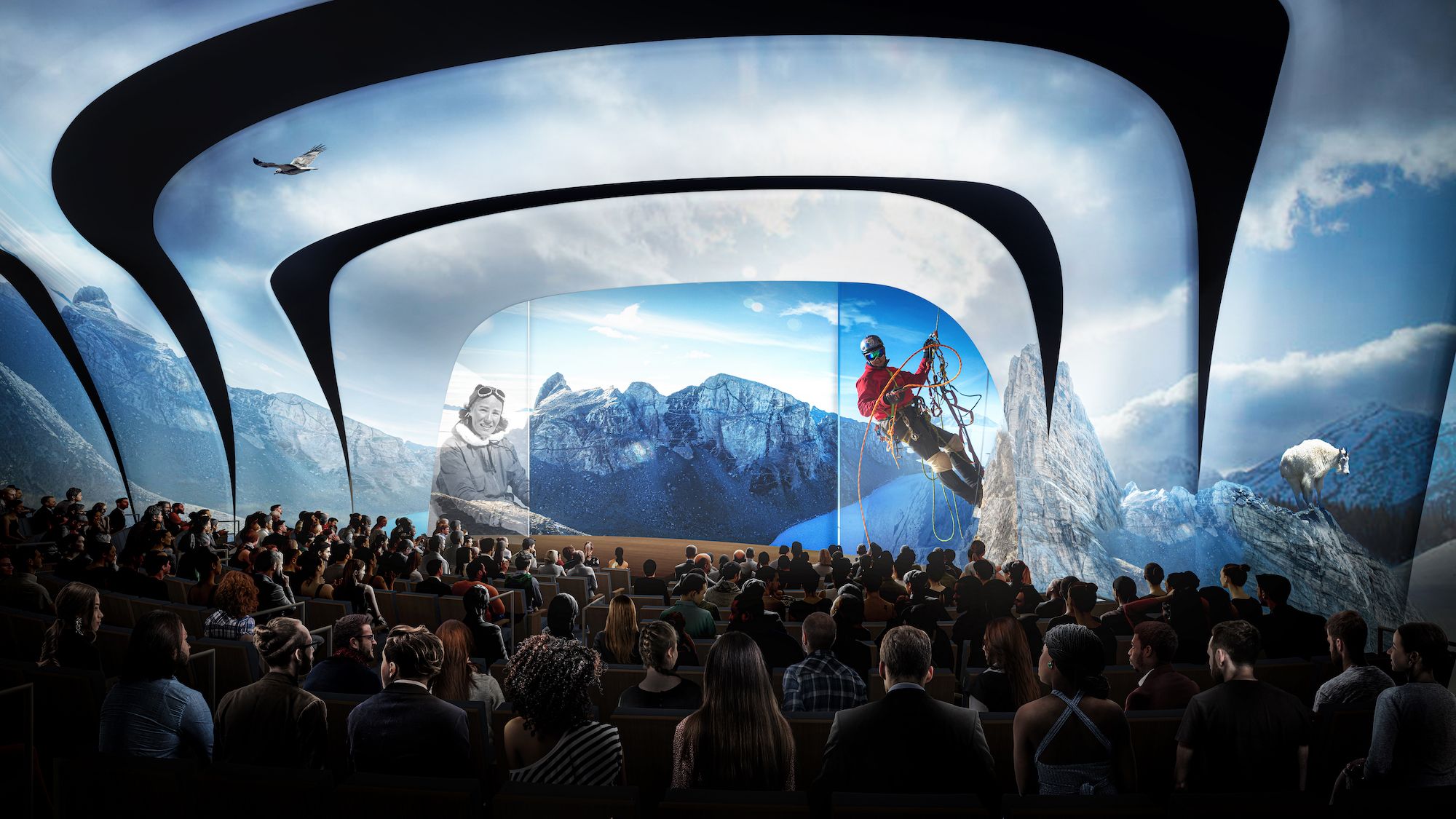
What you'll see: A series of cinematic galleries, interactive exhibits and a new 400-seat theater designed to drop you into the world of exploration.
Highlights include:
🐳 A massive outdoor courtyard: Life-sized wildlife sculptures across six ecosystems, plus nighttime projections like massive whales and floating tortoises that feel like diving underwater.
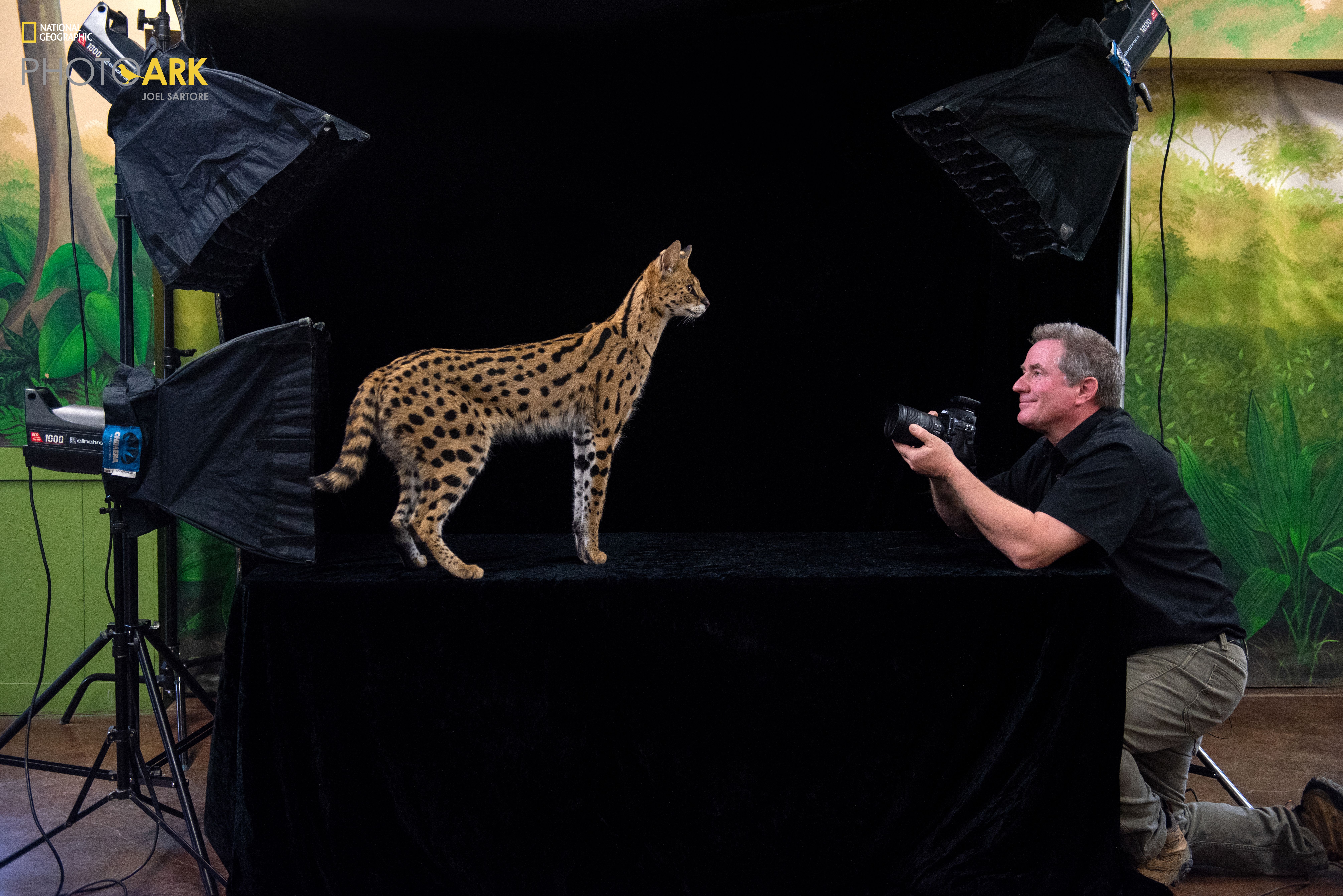
🐒 "Photo Ark: Animals of Earth": A stunning digital exhibit bringing Joel Sartore's portraits of global and endangered species to life.
🌍 Rolex Explorers Landing: Follow the journey from curiosity to real-world discovery, from deep sea to outer space.
📖 The Archives: A deep dive into Nat Geo's storytelling legacy, with iconic images, artifacts and interactive media.
😋 Explorers Eatery: A global food hall with rotating cuisines (from Peruvian to Vietnamese), a cozy bar, and dining space indoors and out.
Between the lines: Accessibility is baked in, with English and Spanish content, Braille, ASL and captioning throughout.
Plan ahead: Presale tickets ($30) are live, with discounts available through Museums for All.
Anna's thought bubble: D.C. is spoiled with free Smithsonians — but after a hard-hat tour, this new venue feels worth the price. Yes, "immersive" is overused, but the museum delivers with cutting-edge tech that meets real artifacts and a century-plus of storytelling.
- Take "Photo Ark," one of the finished exhibits I saw. The immersive images are moving, memorable and built around Sartore's mission to "show a world worth saving." It got me (in a good way) — and I can only imagine it'll stick with a generation of school kids bound to visit.