Jesse Jackson's D.C. legacy


Add Axios as your preferred source to
see more of our stories on Google.
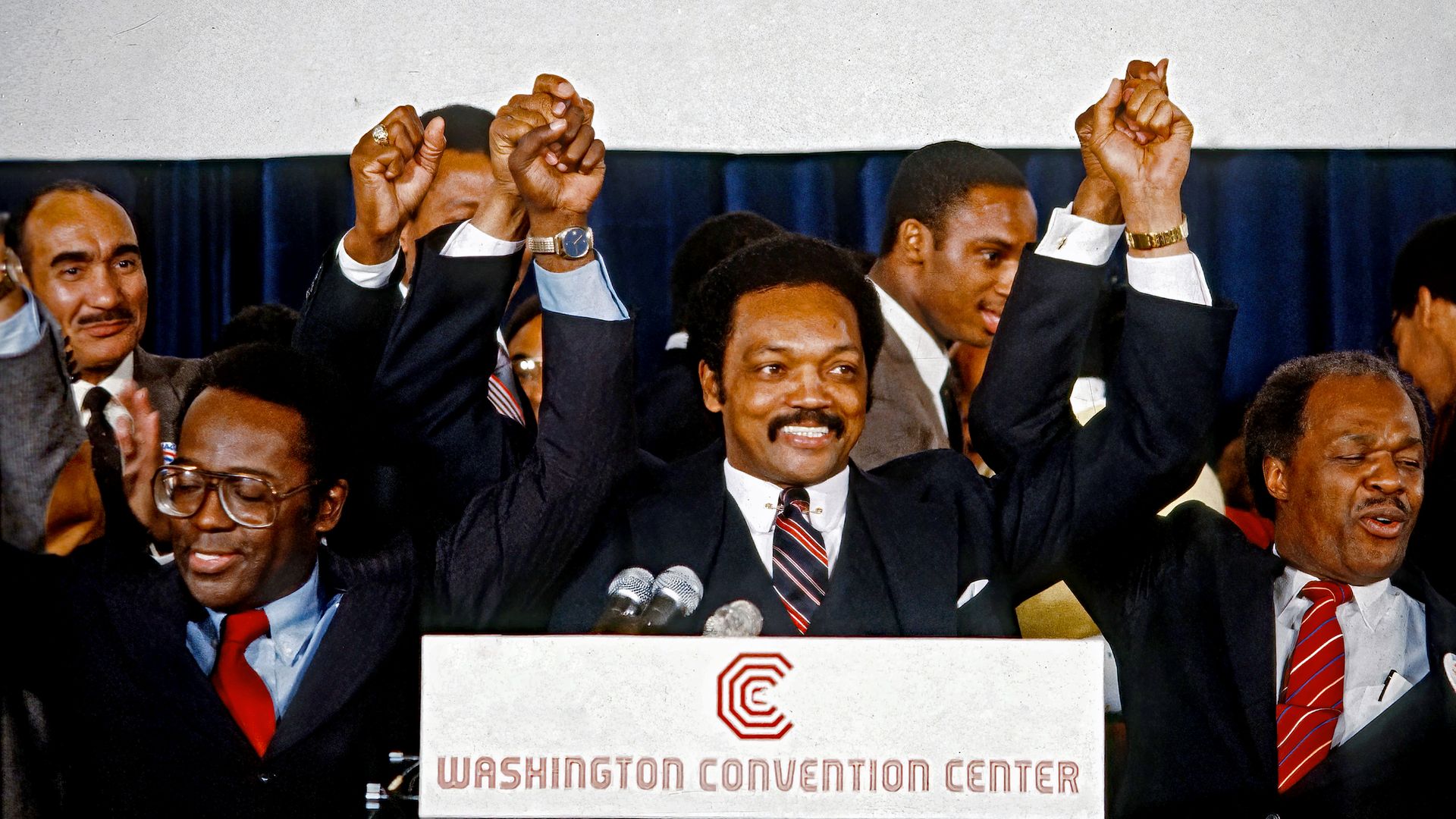
Jesse Jackson with then-Mayor Marion Barry in D.C. in 1986, for the opening of the first Rainbow Coalition national convention. Photo: Mark Reinstein/Corbis via Getty Images
Jesse Jackson once considered running for D.C. mayor, before becoming the city's first shadow senator in the 1990s, lending the statehood cause a national spotlight.
Why it matters: Jackson, who died on Tuesday at 84, leaves a local legacy of activism.
Flashback: In 1989, after two historic runs for president, Jackson moved from Chicago to D.C. He had bought a house in LeDroit Park from Howard University years earlier.
- While jetting nationwide and abroad to pursue his activism, Jackson became more of a hometown presence. He was a regular at Ben's Chili Bowl, where his picture is on the wall.
- In the scramble after then-Mayor Marion Barry's drug arrest, locals wondered if the civil rights icon would run for mayor.
- Jackson declined: "At present, I believe that I may best serve by continuing my work at a national level," he said, per the Washington Post, in early 1990. "I want to serve, but not as mayor."
- He instead ran to serve as unpaid shadow senator, quibbling with the title and insisting he was the "United States Senator from Washington."
What they're saying: "For many in our country, he was the first person they heard make the case for DC statehood," Mayor Muriel Bowser said on Tuesday. "The first person they heard say: It's the right thing to do."
Bill Clinton awarded him the Presidential Medal of Freedom, and over the years Jackson revisited local circles, like when he delivered the eulogy at Barry's funeral in 2014.
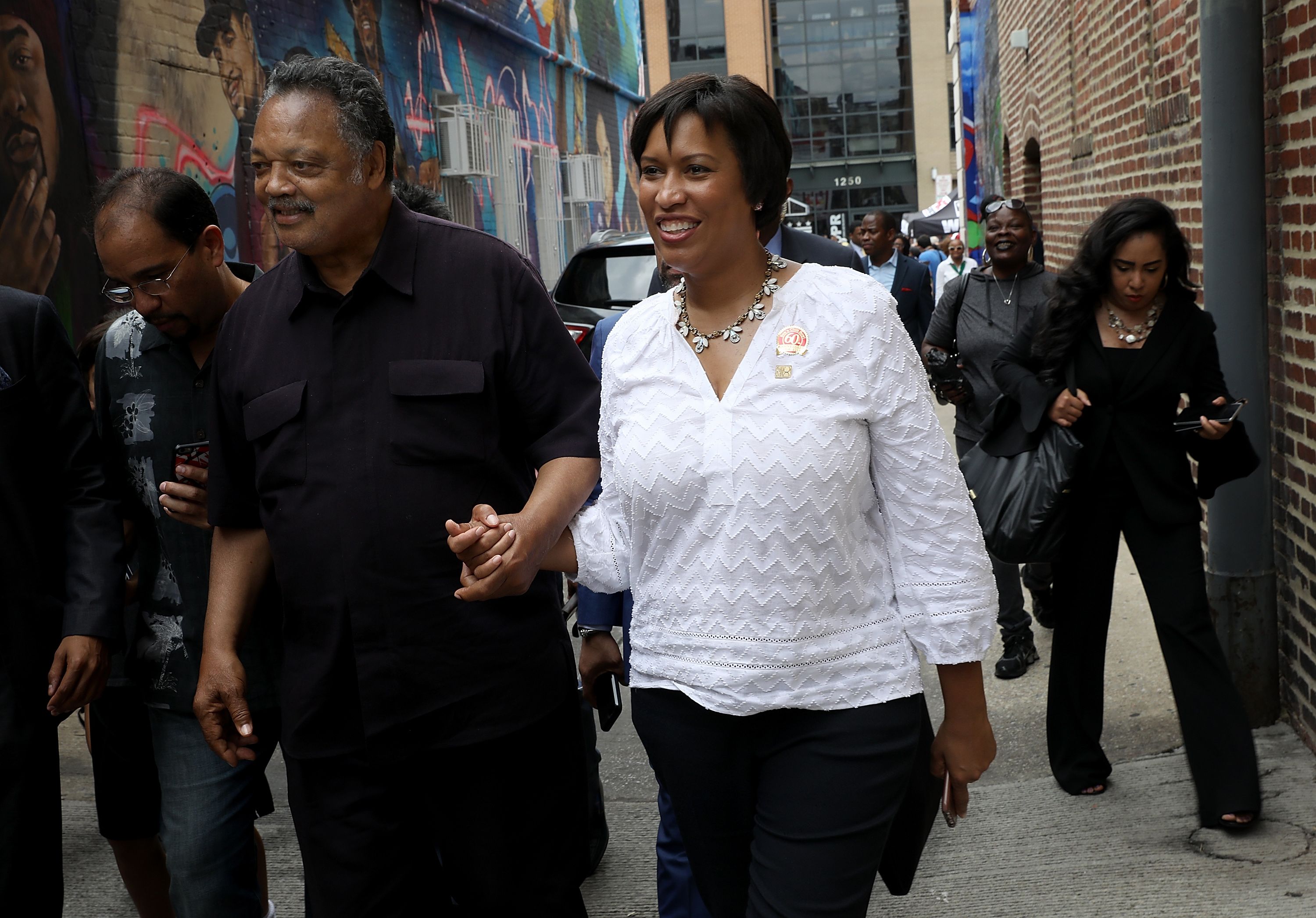
Catch up fast: The Jackson family's statement did not address his cause of death. He had been suffering from several illnesses for years.
- "Our father was a servant leader — not only to our family, but to the oppressed, the voiceless, and the overlooked around the world," the Jackson family said in a statement.
Zoom in: The civil rights pioneer grew up in Greenville, South Carolina, and after college joined King's Southern Christian Leadership Conference.
- Jackson was known for mobilizing young civil rights activists and organizing marches, taking part in famous events himself, including the 1963 March on Washington for Jobs and Freedom and the 1965 Selma to Montgomery March.
- Jackson quickly became part of King's trusted inner circle. He was talking to King from the hotel courtyard just minutes before he was assassinated in Memphis in 1968.
The bottom line: Jackson will go down in history as one of this country's most influential civil rights leaders and is one of the last from the civil rights generation.