Inside Wonder's fast-food-hall expansion that could dominate DMV dining

Add Axios as your preferred source to
see more of our stories on Google.
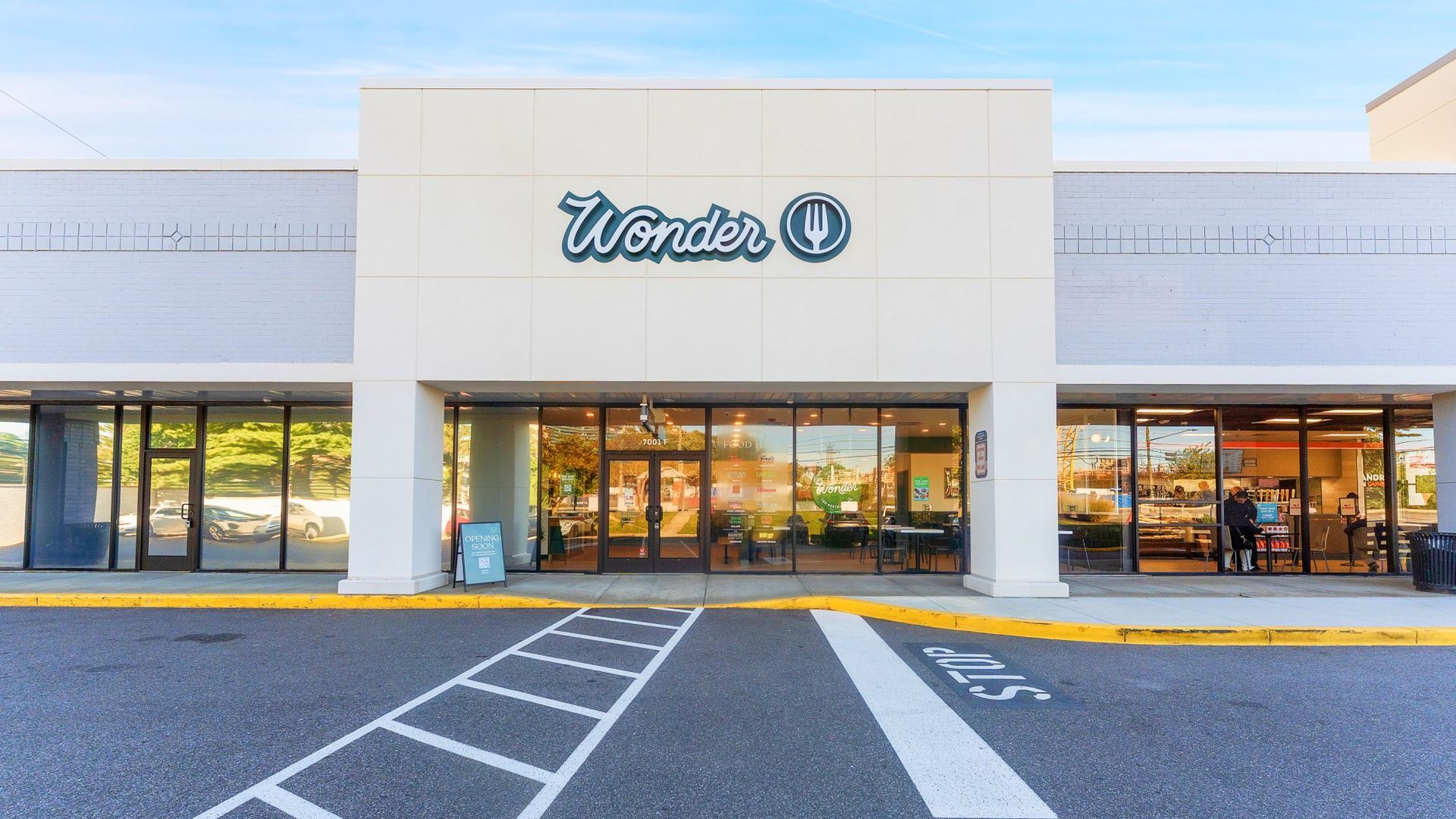
Wonder "a new kind of food hall" is expanding in the DMV (pictured: a new Franconia, Alexandria location). Photo: courtesy Wonder
Move over, Tatte. The DMV's latest brand blitz comes from Wonder, a high-tech food hall chain aspiring to solve dinner — and stirring both curiosity and criticism along the way.
Why it matters: Wonder's e-commerce billionaire founder, Marc Lore (Diapers.com), says he's building "the Amazon of food" — think 90 East Coast locations by year's end and DMV domination.
Catch up quick: The New York-based brand, founded in 2021, packs in 25+ restaurant concepts in each Wonder location from celebrity chefs like José Andrés, regional favorites (Maydan, Di Fara Pizza) and in-house brands through a mix of partnerships, acquisitions and recipe development.
- A central distribution hub in New Jersey, where some items are prepped, makes for speedy delivery to diners — plus pickup and some limited dine-in.
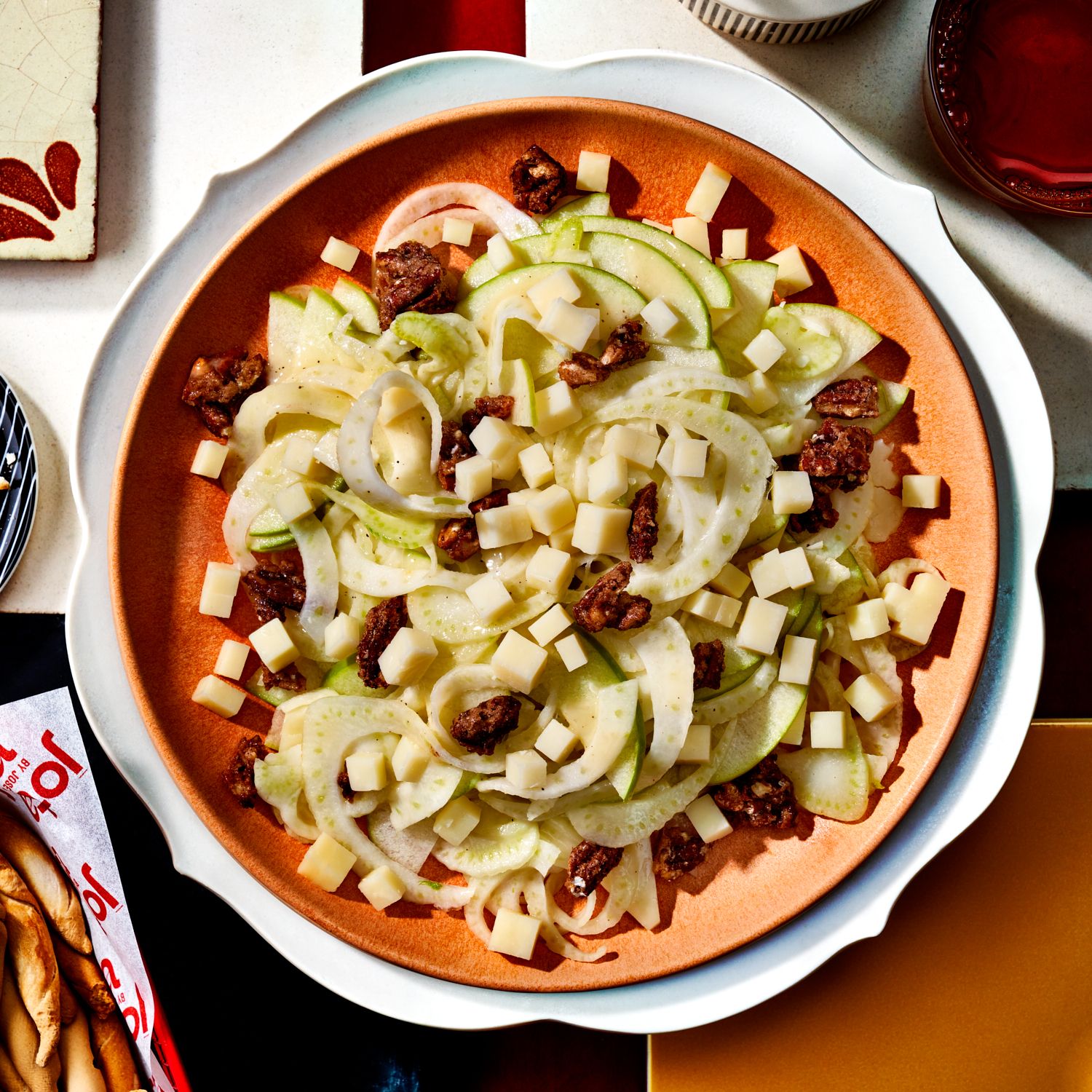
- The big sell: mix-and-match dinners, where groups and families can bundle a $36 Bobby Flay filet, poke, kids' tendies, and more.
Follow the money: Wonder acquired meal kit pioneer Blue Apron, delivery platform GrubHub, and courier service Relay— setting the foundation for an easy-make, ready-eat, delivery dynasty.
- Thanks to a $600 million funding round in May led by Google Ventures, the company's valuation is more than $7 billion, according to Bloomberg — a cash infusion fueling rapid growth in D.C., Philadelphia and beyond.
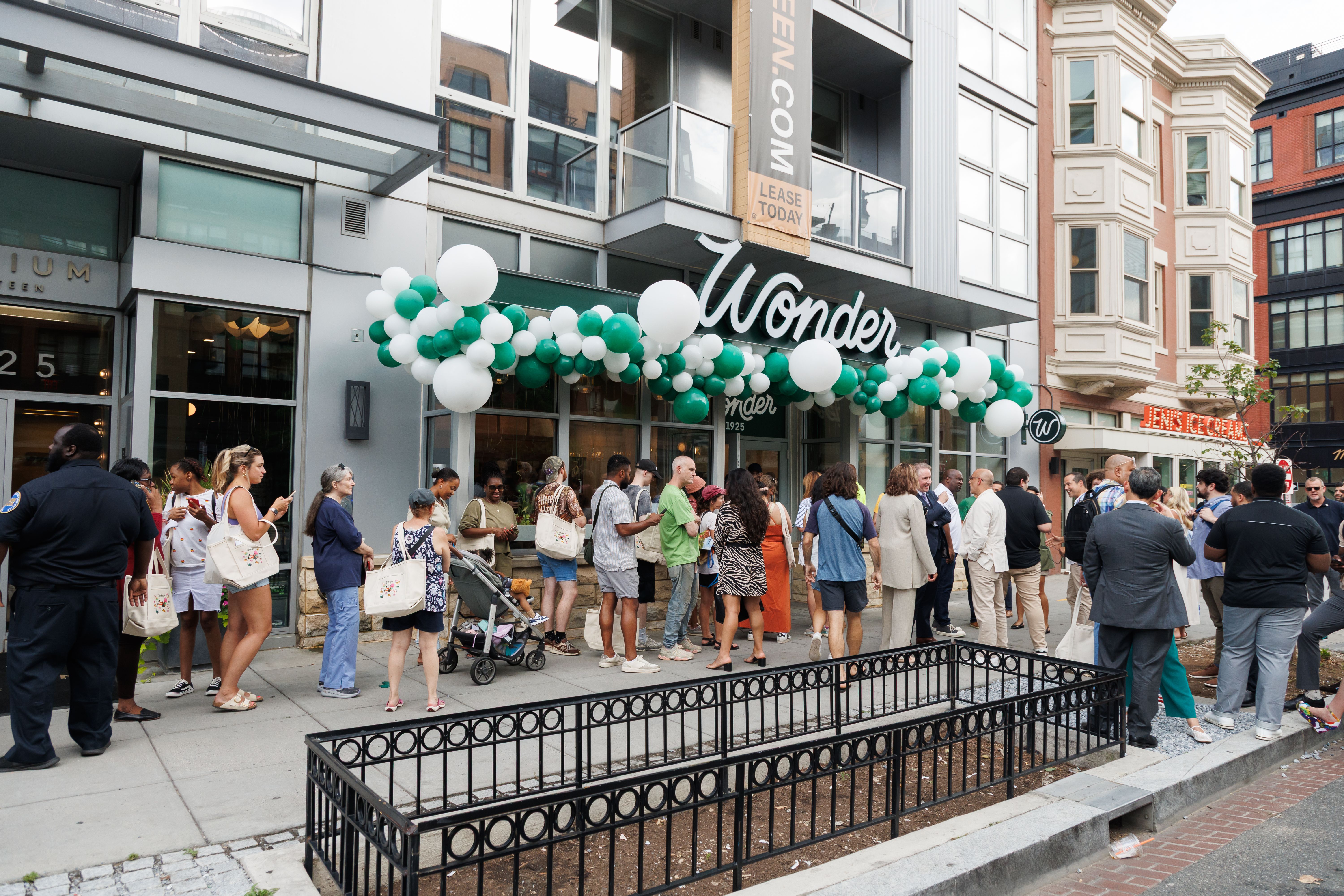
Zoom in: Wonder opened its first D.C. spot on 14th Street in July.
- Since then, it's added outposts in West End, Rosslyn and Alexandria.
Coming soon:
- Reston (Oct. 30)
- College Park, Baltimore (Nov.)
- Cleveland Park, Navy Yard (Dec.)
Meanwhile, their GrubHub buyout powers free local delivery from partner spots like BonChon and Bandit Taco via the Wonder app.
What they're saying: "Our goal is to have maximum coverage, and not have these dead spots that other chains run into," Jason Rusk, who leads Wonder's restaurant operations, tells Axios.
- The company follows a Starbucks-style strategy — multiple locations in close proximity, which helps dominate the market and create brand awareness.
- Rusk says locations are strategically placed with a 10-mile delivery radius (ideal time: within 22 minutes).
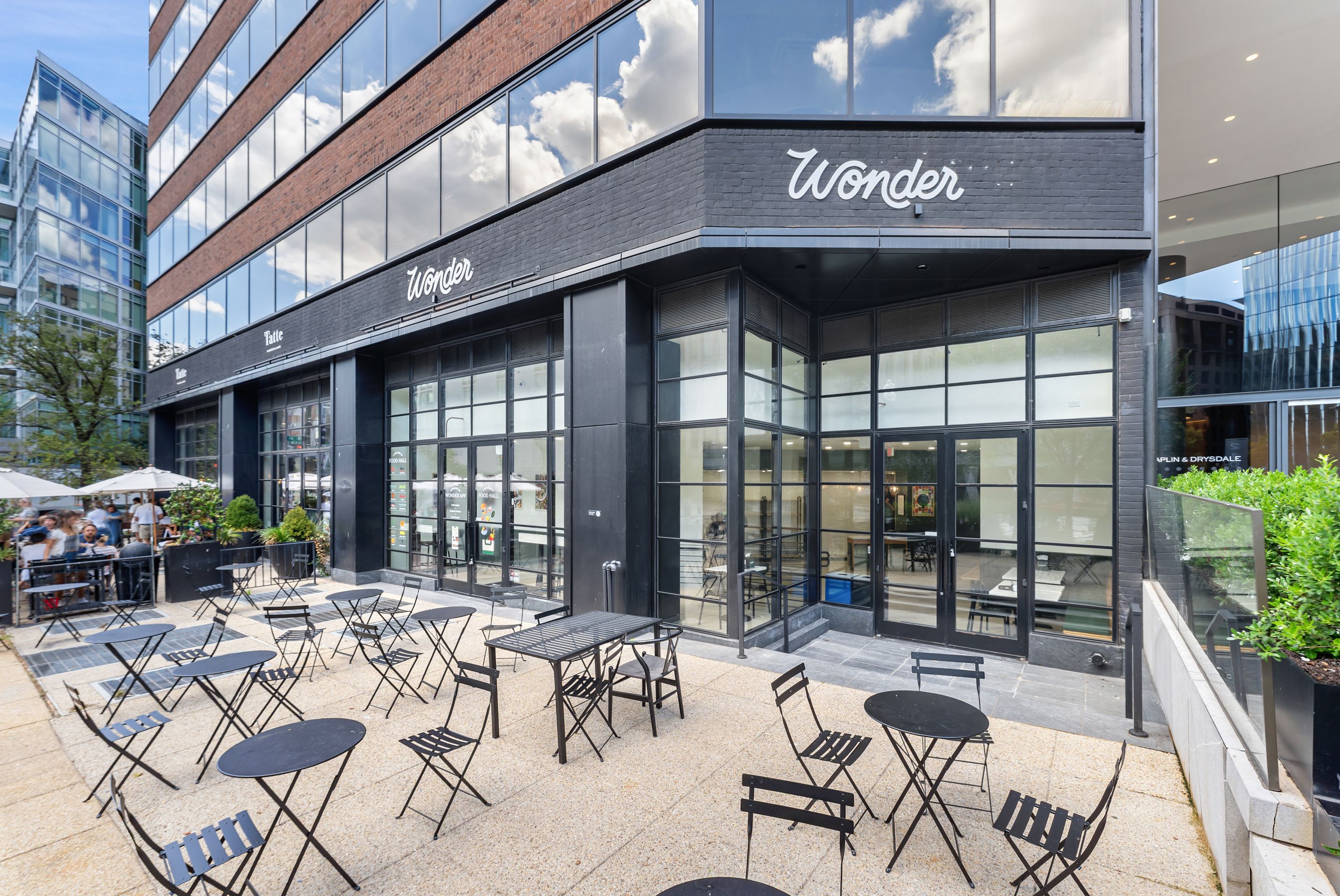
How it works: Wonder's model is built for scale. It's all-electric kitchens slide into small spaces — e.g. Logan Circle's ex-Lululemon — with minimal build-outs.
- Digital instructions and minimalist equipment like electric ovens, water baths and fryers mean "lightly trained labor" that can churn out Marcus Samuelsson-branded meals.
Friction point: That "ghost kitchen" model has drawn skepticism from some diners and influencers who've suggested that the food must be frozen, nuked, or made elsewhere — which Rusk tells Axios is "absolutely untrue."
- He says Wonder is considering opening up some of its kitchens, restaurant-style, so customers can "see the technology we're using to cook."
Another friction point: Venture capital-backed competition, especially near an existing food hall — as is the case in Rosslyn, where Wonder debuted within 0.2 miles of locally owned Upside on Moore.
- Upside co-founder Nick Freshman is a skeptic of the hall-less food hall model.
- "I'm not going to say it's not going to work, but I do think that pushing capital behind a brand can't solve everything. And while Washington welcomes out-of-towners, Washingtonians really appreciate their homegrown brands."
As for Wonder, they're going full speed ahead — in pursuit of over 20 DMV locations. Rusk suggested they're looking at Dulles, Chantilly and further.