How Minneapolis' Cultural Districts tell their stories through food
A message from: Meet Minneapolis
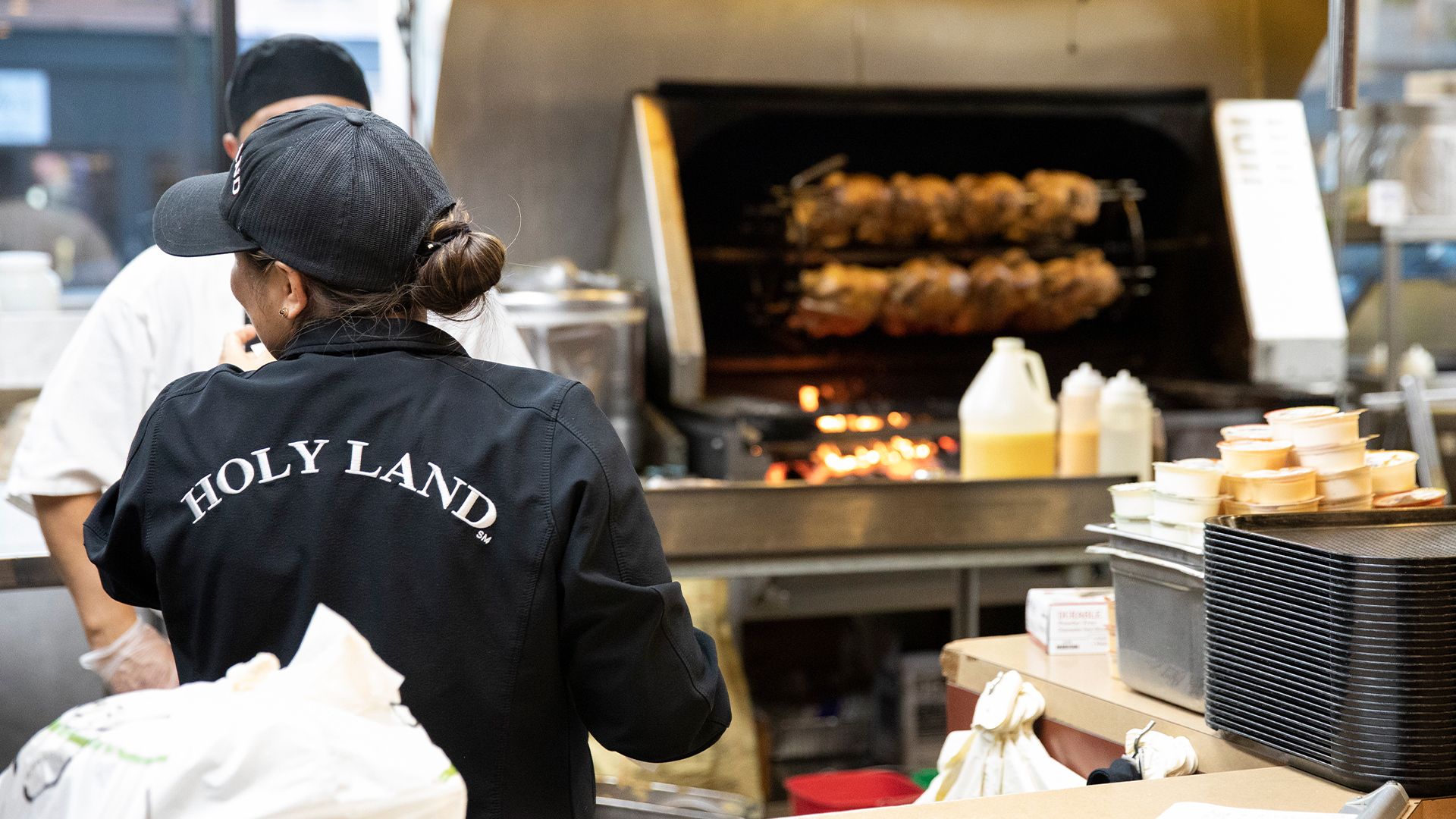
Photo credit: Asha Belk.
From golden raisin lattes to shawarma, the many restaurants of Minneapolis' seven Cultural Districts serve up more than meals — they're an invitation to connect with the history, culture and community that have shaped the city across generations.
The background: Each Cultural District reflects a distinct identity shaped by generations of Indigenous, immigrant and BIPOC communities.
- Some districts began as industrial or transit corridors; others were built through necessity as communities of color were denied access to housing and commercial opportunities elsewhere.
Over time, Minneapolis' neighborhoods became home to a layered mix of cultures, from Dakota and other Indigenous nations to Scandinavian, Eastern European and Middle Eastern immigrants in the 19th and 20th centuries.
- In more recent decades, Latinx, Somali and Hmong communities have added new voices, flavors and traditions to the city's cultural fabric
The impact: That cultural vibrancy comes to life in the restaurants, cafes and markets that anchor each district.
- Here are just a few spots where you can eat well and learn more about the communities that make each district unique.
🫓 Maria's Café (Franklin Avenue East)
Located inside the Ancient Traders Market, Maria's is beloved for its Colombian-style sweet corn pancakes and breakfast burritos.
About Franklin Avenue East: This district is home to a thriving Indigenous community. It's a hub for Native-led organizations, artists and food entrepreneurs working to preserve — and evolve — cultural presence.
- Plus, plus, plus: Check out All My Relations Arts or take the "Unholy Tour," a guided group tour of the origins of the American Indian Movement and the Indigenous history of the area.
☕️ Bichota Coffee (38th Street District)
Just a short walk from George Floyd Square, this Black- and woman-owned café is known for ethically sourced beans and Capriotadas, or sweet, spicy golden raisin lattes.
- Community events and craft nights make it a gathering space as much as a coffee stop.
About 38th Street: The café sits in a district shaped by Black entrepreneurship and resilience — and continues to anchor conversations around justice and healing.
- Here's what else: Swing by Listen2Us Studio, a living photographic archive of the 2020 protests, or catch a show at Pillsbury House & Theatre.
🥙 Holy Land (Central Avenue District)
Originally a deli, Holy Land has now grown into a full-service restaurant and market, known for its shawarma, hummus and fresh pita made in-house.
About Central Avenue: Shaped by a working-class population of Lebanese, German, Polish and Eastern European communities brought to the city in the 1930s to work in Northeast's railways, the district has long been a hub for immigrant entrepreneurship and heritage.
- Worth a mention: Make time to explore the Northrup King and Casket Arts buildings nearby, home to dozens of artist studios.
🍦 La Michoacana Purepecha (East Lake Street)
A colorful ice cream shop serving mangonadas, paletas and bubblegum-pink piñon (pine nut) ice cream.
About East Lake Street: Surrounded by mercados and murals, this district is a cultural and commercial center for Minneapolis' Latinx and Somali communities.
- Get involved: Visit the Somali Museum of Minnesota or take a self-guided tour of over 40 murals along East Lake.
The takeaway: Across Minneapolis' Cultural Districts, restaurants are more than just places to eat — they're places to linger, to learn and to connect more deeply with the stories rooted in each neighborhood.
- Each district holds a distinct identity, shaped by the people who've built and rebuilt these communities across generations.
Explore other standout restaurants across the Cultural Districts.