Minnesota's mahjong moment: These businesses want to cash in

Add Axios as your preferred source to
see more of our stories on Google.
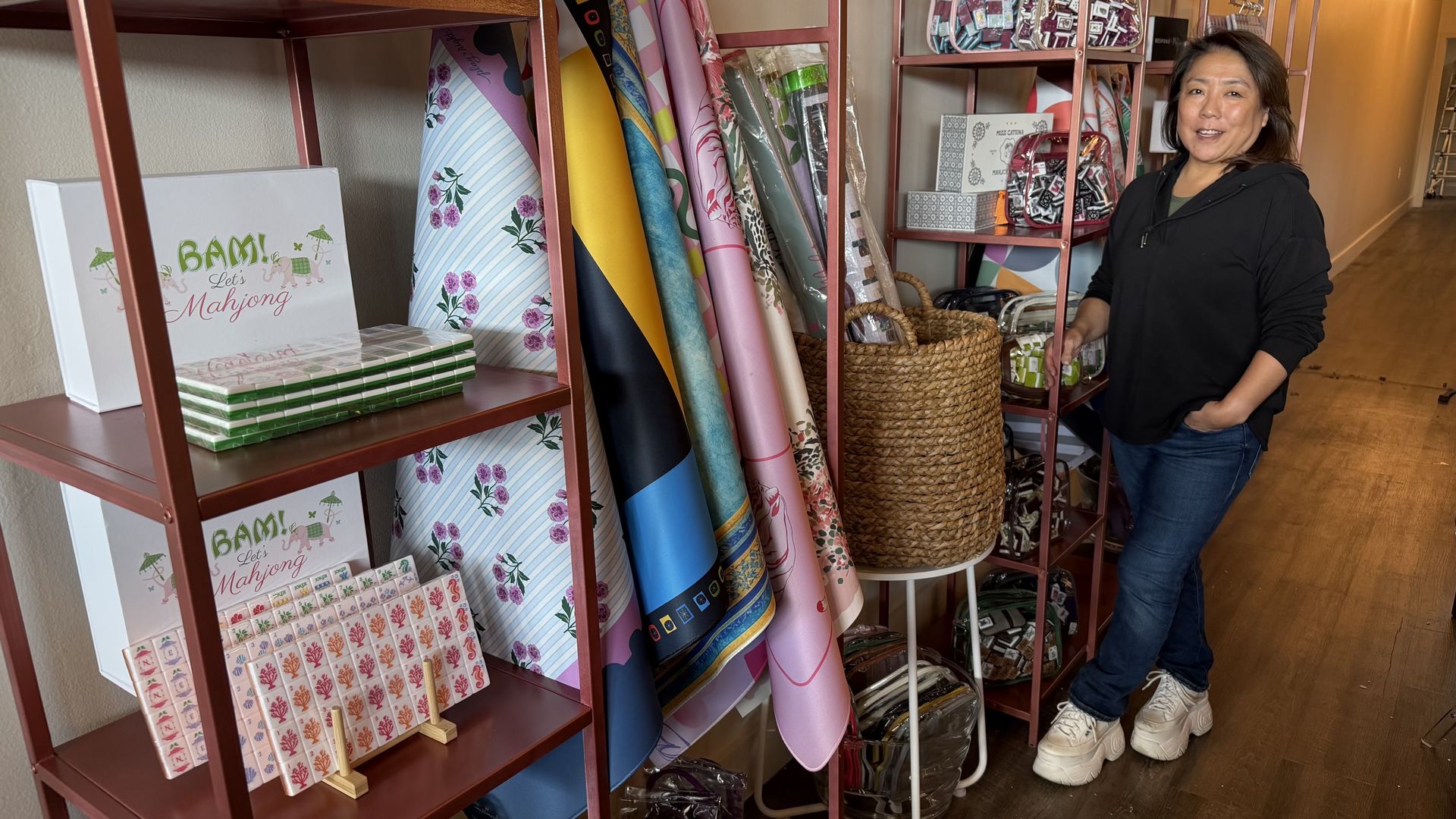
Kate Watson soft-opened AMA Mahj, a mahjong social club and store in Edina, last week. Photo: Kyle Stokes/Axios
Kate Watson learned how to play mahjong less than a year ago. On Friday, she's opening her own mahjong store and social club in Edina.
Why it matters: Mahjong is the hottest game in Minnesota right now, and a new wave of entrepreneurs is jumping in to fan the flames.
- Many of them, like Watson, are newcomers to the venerable tile strategy game. After the former IT executive was laid off in January, "I decided to jump in with both feet," she tells Axios.
What they're saying: "It's like the new pickleball," jokes Annie McGinn, a Hopkins teacher who launched a mahjong tile rental business in August — six months after learning the game herself.
Flashback: Mahjong originated in China in the 1800s, but later branched into dozens of regional variants, including a North American version developed by Jewish communities in the 1920s.
- Growing up in Duluth, Tarri Levine only played with her other Jewish friends at home or in the synagogue.
- "Never in our wildest dreams" could they have imagined one day drawing tiles at a brewery or restaurant. "To see this happening now is amazing," the longtime teacher tells Axios.
Driving the trend: Mahjong's viral moment is part analog and part digital.
- The game typically requires four people, so it satisfies a "craving for community and connection," says Tara Duginske, who co-founded Saint City Mahjong Club in July 2025.
- But the game's also "so Instagrammable" because of its elegant, themed and collectible tiles, and the pleasant click-clack sounds they make on the table, McGinn tells Axios.


Zoom in: Mahjong has considerable barriers to entry. Each new business aims to vault players over them.
- Lessons are basically required. Minneapolis Mah Jongg Club — famed teacher Abbe Blacker's pioneering venture that opened a storefront in April — is among the many businesses selling them.
- The fanciest tiles cost hundreds of dollars, which makes buying a set feel like a serious commitment. McGinn's Mahj Happy offers rentals, allowing players to "try before they buy." (She also offers lessons.)
- McGinn's neighbor once joked that choosing tiles "is harder than choosing a life partner: You feel like you have all these options and then you're stuck!"
The latest: The newest venture, Watson's AMA Mahj, also offers rentals and retail tile sales, but "the biggest thing is that I want to have a lot of events," she tells Axios.
- The new space features rentable suites with automated tile-shuffling tables.
- She also envisions offering food trucks, movie nights and sports watch parties in addition to open, drop-in play.
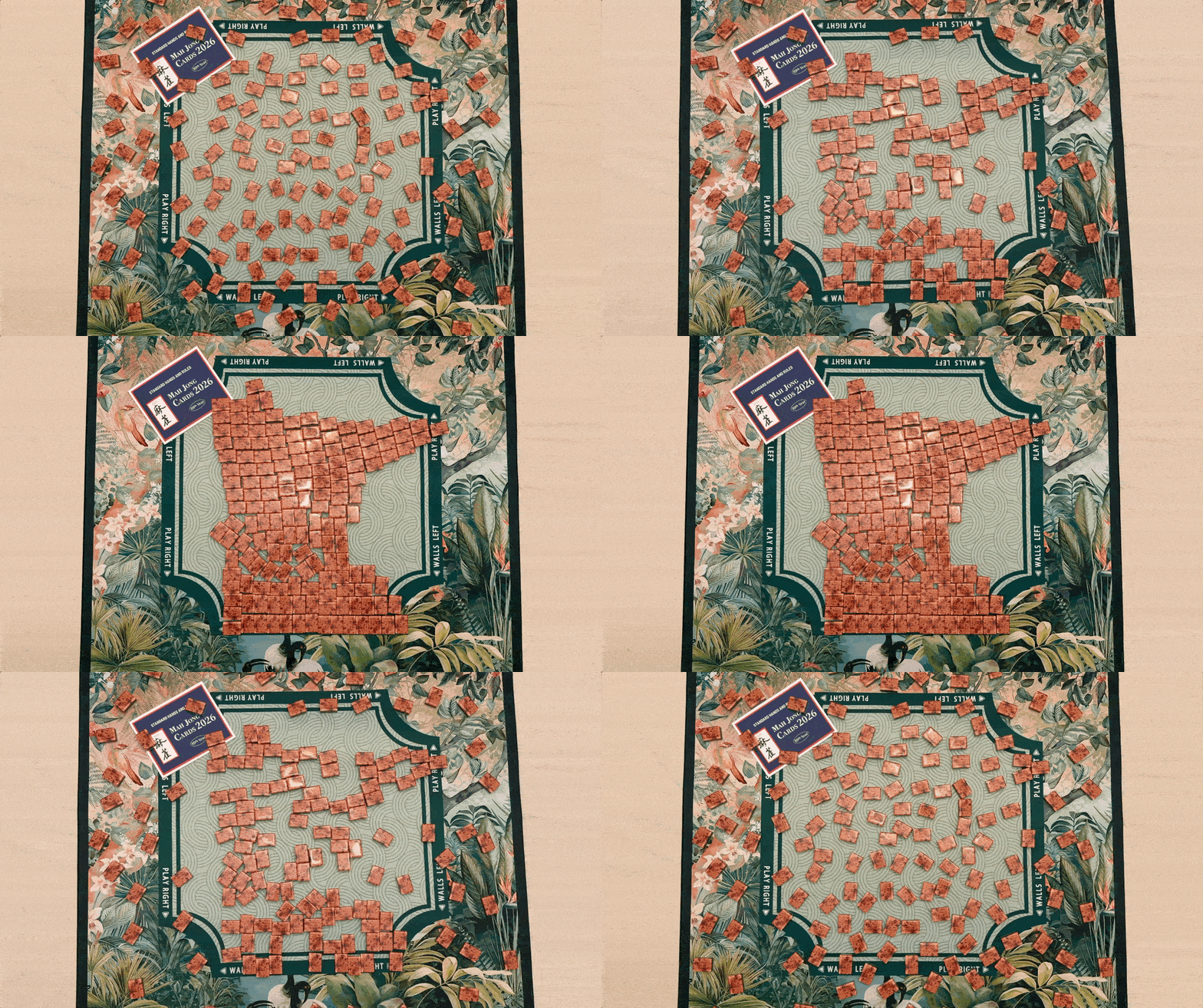
Friction points: Though Levine is thrilled about the surge in mahjong's popularity, the owner of the TC Metro & Suburban Mah Jongg Club is overwhelmed by the amount of money changing hands.
- "I'm not slamming anybody, you do your business thing," she says — but notes it's possible to find places in the metro that offer free lessons and drop-in games. (Levine's club charges for lessons, but play is free.)
What we're watching: What happens to businesses currently profiting from this wave of new interest.
- "Who's going to stay afloat" after new players have all paid for their lessons, says Saint City co-founder Claire Joseph, "is going to come back down to who has built a community worth showing up for."