MPS could face school closures under new options

Add Axios as your preferred source to
see more of our stories on Google.
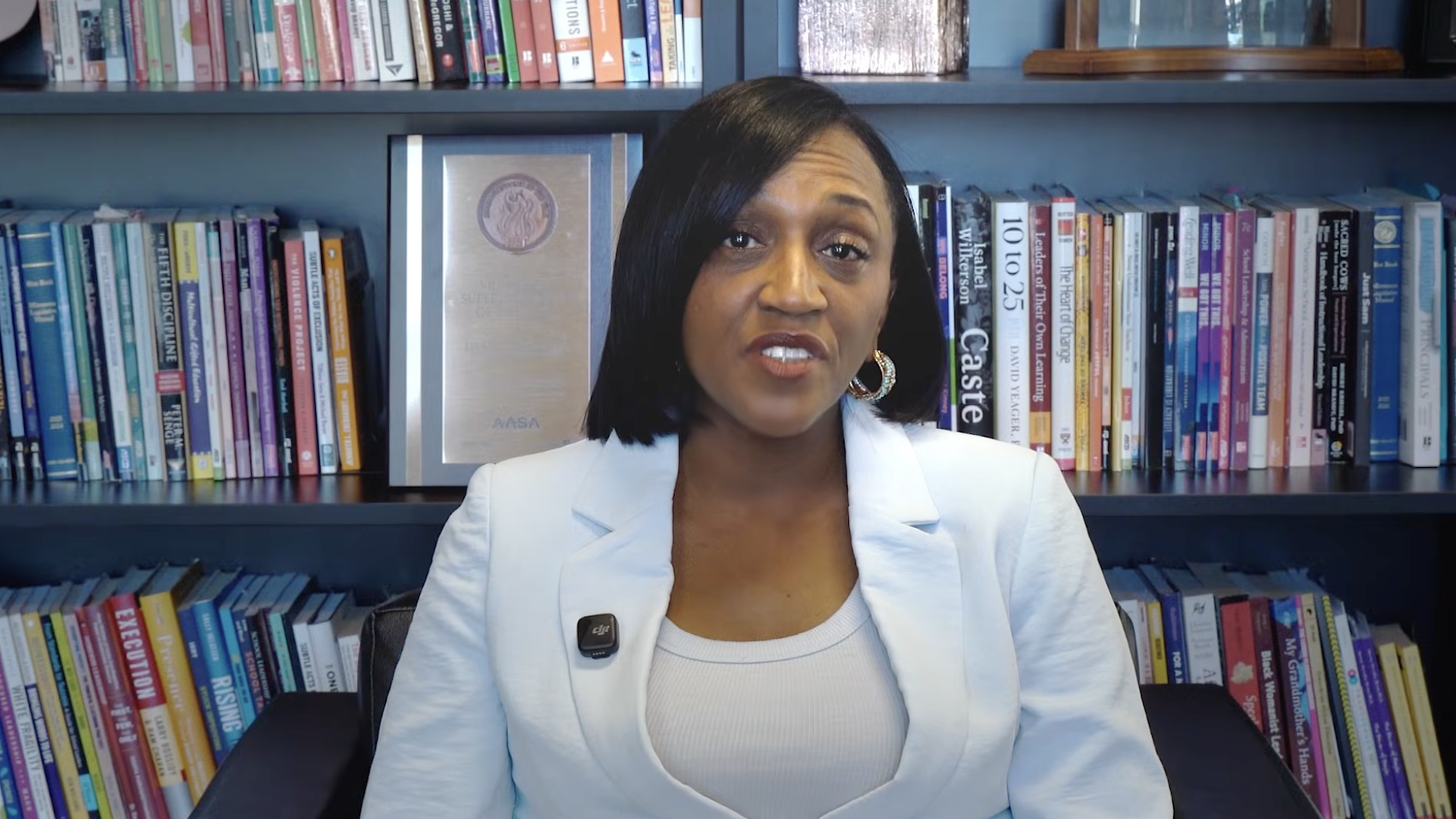
Superintendent Lisa Sayles-Adams. Image courtesy of Minneapolis Public Schools
Minneapolis Public Schools leaders will present three options Tuesday night for dealing with ongoing financial problems, and officials have signaled that school closures will be on the table.
Why it matters: Parent anxiety has been building for years as declining enrollment has prompted talk of closures to stave off cuts to other programs and services.
- Superintendent Lisa Sayles-Adams noted in a video message to parents that some of the options will be "universally celebrated, and others … may cause trepidation."
State of play: Details on the three plans won't be posted until the 5pm meeting, but they will include specific schools and programs, according to MPS.
- Whatever changes are coming will be implemented for the 2027-28 school year, Sayles-Adams said in her video.
The big picture: MPS enrollment has declined from nearly 36,000 a decade ago to 28,827 last school year, a trend officials have blamed on changing demographics in the city as well as increased school choices. Enrollment also dropped following a redrawing of school boundaries and shuffling of magnet schools in 2020.
- That has led to more than half of the district's 56 schools operating below 70% capacity, according to the Star Tribune.
Between the lines: Enrollment declines mean less state money, but the district's budget woes have also been worsened by accounting errors that have cost MPS millions, according to the Minnesota Reformer.
- This year it had to erase a $40 million deficit.
The other side: Any plan that calls for shuttering schools is bound to face stiff opposition. Parent groups have already organized and the teachers union opposes closures.
- Three candidates for school board in November — Christin Crabtree, Shannon Gibney and Becca Dryden — released a statement saying that schools should not be closed before MPS provides clear plans for retaining students and how closures will realize cost savings.