The history of Minneapolis' fiercely independent Park Board

Add Axios as your preferred source to
see more of our stories on Google.
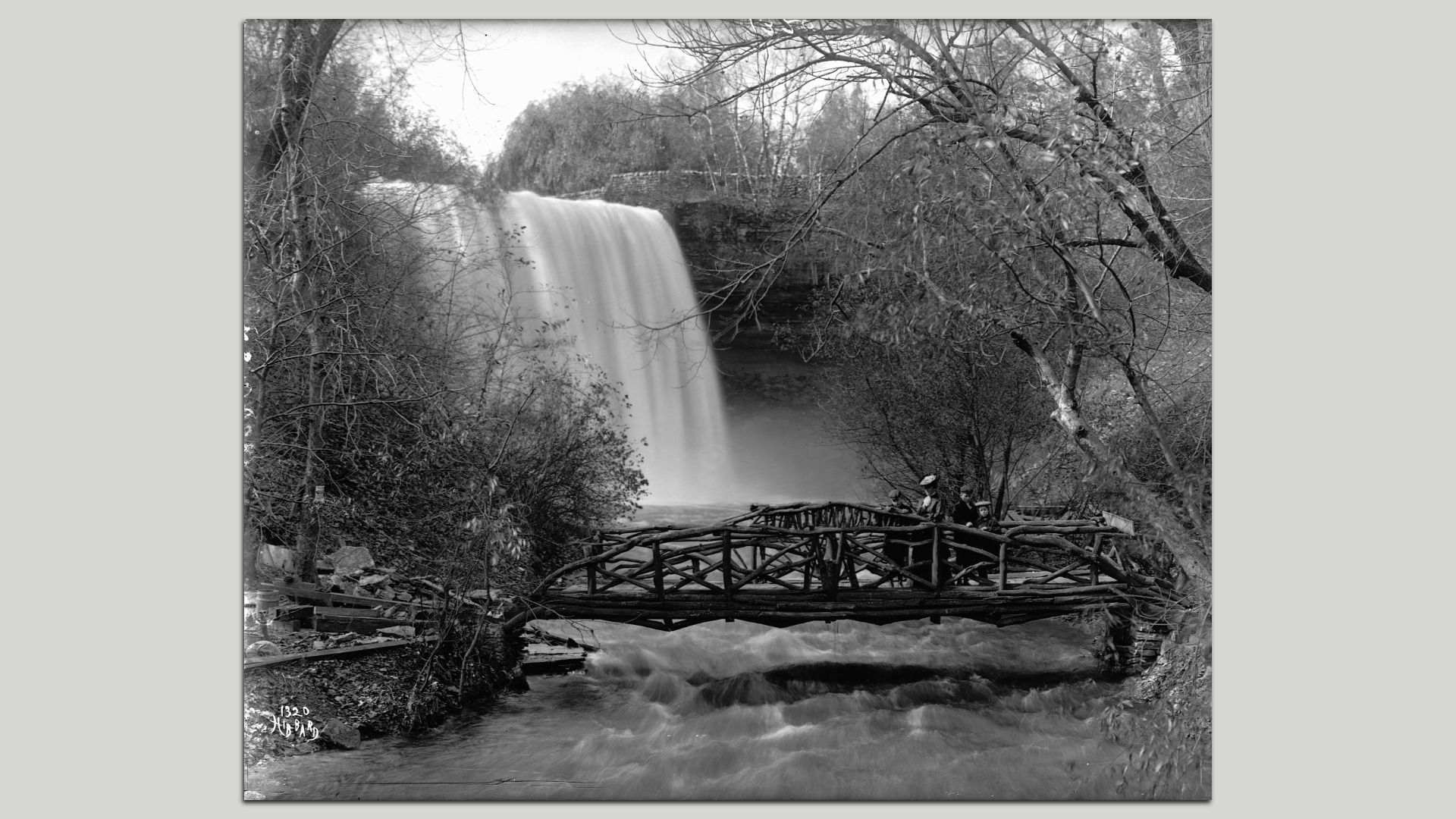
The Park Board was key to developing a park around Minnehaha Falls starting in the late 1890s. Photo: Minnesota Historical Society/Getty Images
Since its inception 143 years ago, Minneapolis' uniquely powerful Park Board has frequently served as a counterweight to the city's most influential politicians.
Why it matters: The founding story of the Park Board is crucial to understanding why Mayor Jacob Frey and the current board are locked in a budget stalemate now.
- It also helps explain why Frey may not be able to block an already large city tax levy increase from becoming even larger this fall.
Flashback: In the 1880s, parks weren't a priority for Minneapolis City Council members.
- They were running a booming mill city that needed "effective sewerage, a city hospital, a house of correction," and better streets, bridges and water infrastructure, they wrote in February 1883.
Charles Loring disagreed. The wealthy flour miller convinced powerful state legislators to create a park board empowered to raise taxes and buy land for a "grand system of parks" around "the cordon of beautiful lakes encircling our city," as he said.
- The council scoffed that the city had better things to do than "spending money around Lake Calhoun."
Between the lines: The proposal wasn't all civic do-gooderism: The Park Board's land purchases would make many wealthy developers even richer, as the Star Tribune recounted in 2022.
- But the public was so desperate for greenspace that many residents had resorted to picnicking in Lakewood Cemetery. Minneapolis voters approved the Park Board's creation in April 1883.
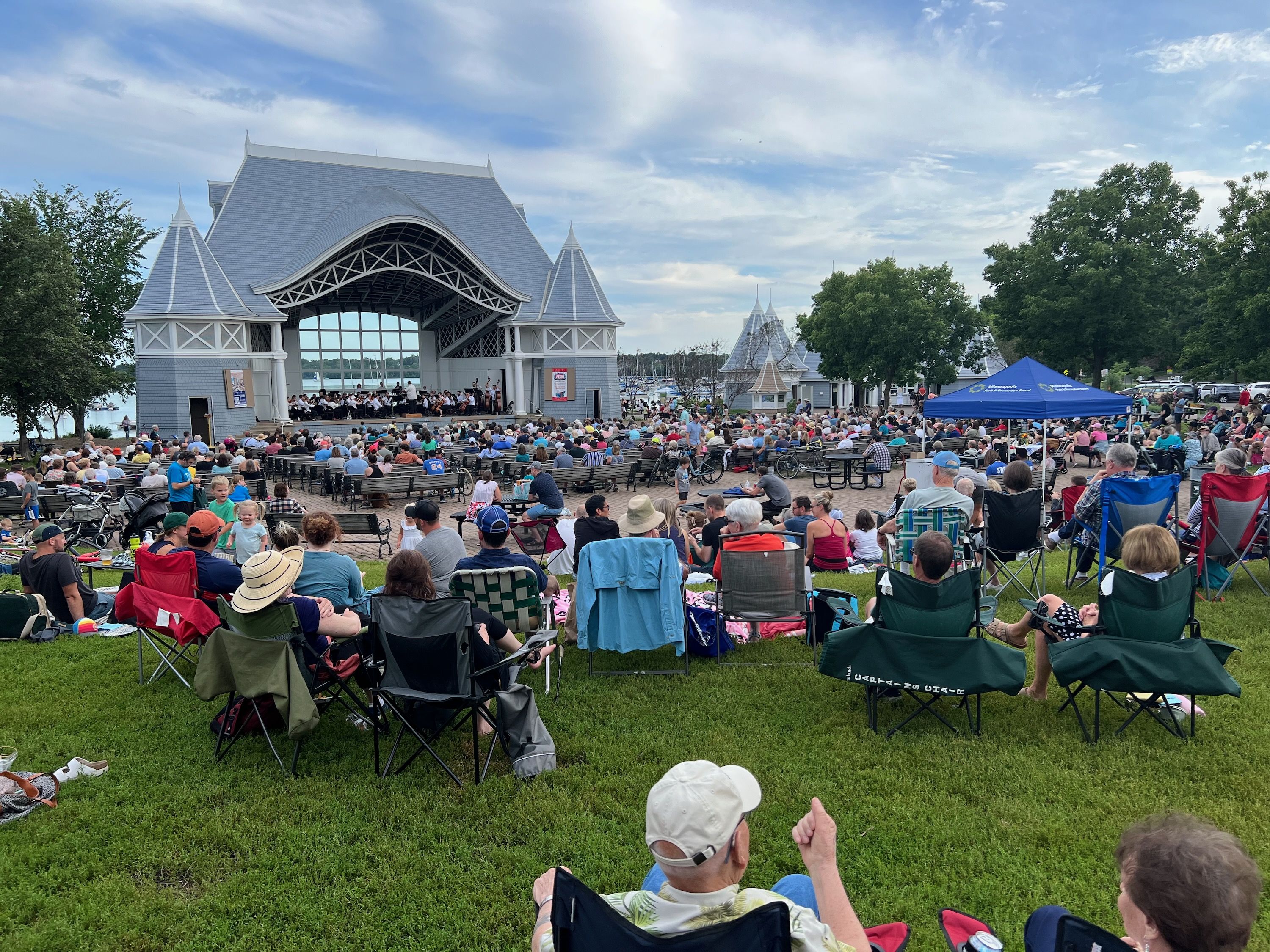
The big picture: Today the Chain of Lakes is ringed by public parkways, not wealthy homeowners' private yards. A trail system threads through the city. Lake Hiawatha is a lake, not a muddy swamp. Nearly every Minneapolitan lives within a 10-minute walk of a park.
- All of these facts stem directly from the Park Board's early influence and independence, current board president Tom Olsen tells Axios.
The Park Board's founders believed the city's powers that be would look at greenspaces and "want to pick them apart, develop them or find some ways to profit," Olsen says.
- Frey tells Axios this is one reason he supports Park Board independence: Without it, city leaders might've been tempted to sell prime parkland for a quick buck.
The other side: The Park Board's existence as an enclave of power within City Hall has been a regular source of tension.
- Critics chafe at the redundancies it creates between the Park Board and City Hall. Both, for example, maintain their own human resources and IT departments.
- Critics also say residents' taxes are subject to the whims of too many city entities: Both the City Council and Park Board report to the Board of Estimate and Taxation (BET), which sets the maximum levy increase.
Friction point: These tensions most recently came to a head in 2009, when voters weighed a ballot measure to abolish the BET and "untangle the lines of accountability at City Hall," as a Strib editorial put it.
- The measure was roundly defeated — but the Park Board saw it as an existential threat. Without the BET, park leaders would've had little leverage to collect the parks levy, longtime Park Board attorney Brian Rice tells Axios.
- "It's the old adage: If you're not at the table, you're on the menu," Rice says. "The Park Board would always be on the menu."
Reality check: The current turf battle between the Park Board and the mayor is nowhere near as toxic as in 2009 — another moment in history when budgets were tight.
State of play: Frey has urged the Park Board to explore further cuts to spare taxpayers from what could be an 11.9% levy hike if the park leaders' proposal goes through. (He proposed an 11.3% increase.)
- But Park Board leaders say the parks' share of city revenues has eroded over time. Acquiescing to cuts, in their eyes, would let City Hall chip away at their independence.
What's next: The BET — which has arbitrated disputes between these entities before — will hold a public hearing today, as it prepares to set the city's levies later this month.