The treaty that stripped Minnesota from the Dakota

Add Axios as your preferred source to
see more of our stories on Google.
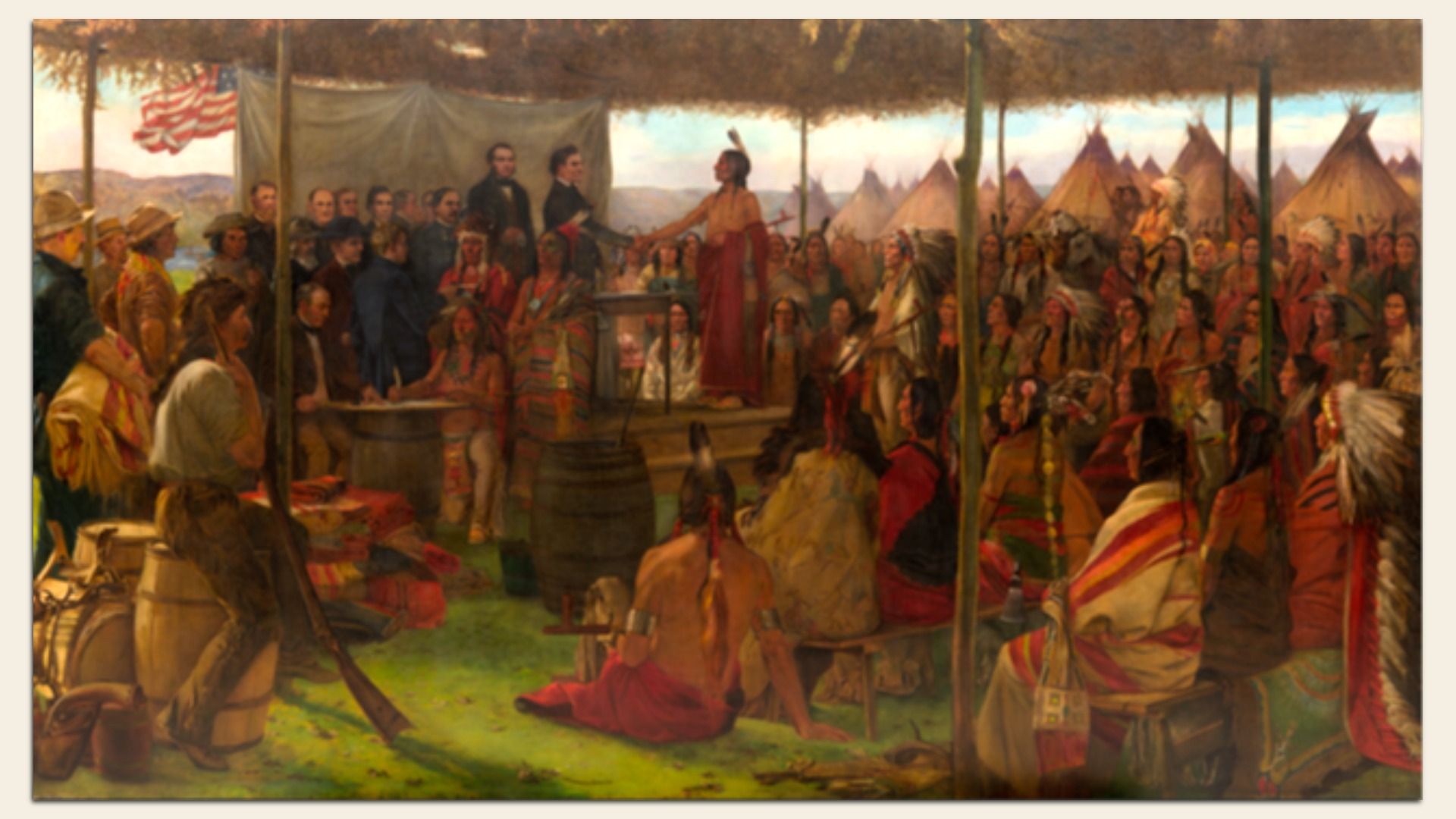
This painting of the Treaty of Traverse des Sioux's signing was displayed in the Governor's Reception Room at the state Capitol until a decade ago. Image: Courtesy of the Minnesota Historical Society
On this date 175 years ago, two Dakota tribes signed the Treaty of Traverse des Sioux, settling their debts by handing over much of the land that would become Minnesota.
Why it matters: The 1851 treaty is the great double-cross that set Minnesota on its course to statehood.
- It opened ancestral Native lands to a flood of white settlers via a deal that its white authors likely knew was crooked — and definitely knew would be ruinous to the Dakota.
"The Sioux treaty will hang like a curse over our heads the balance of our lives," fur trader Hercules Dousman wrote shortly afterward.
The big picture: The treaty signaled the end of two centuries of partnership between the Dakota, Anishinaabe and new European arrivals in the Upper Mississippi region.
- Since the mid-1650s, they had not only traded, but intermarried, blending their families, customs and cultures.
- This "hybrid culture" lasted longer in Minnesota than anywhere else on the American frontier, says historian Mary Lethert Wingerd, author of "North Country: The Making of Minnesota."
Yes, but: By 1837, "the fur trade was in serious decline" after years of overhunting, says Minnesota Historical Society historian Deacon DeBoer.
- Dakota debts from the trade were also mounting, just as President Thomas Jefferson had hoped: He once wrote that extending credit to Native peoples would one day force them to sell their lands.
- The U.S. had failed to deliver on promises before — but increasing hunger and hardship, and the looming threat of U.S. military force, left Dakota leaders with little choice but to negotiate.
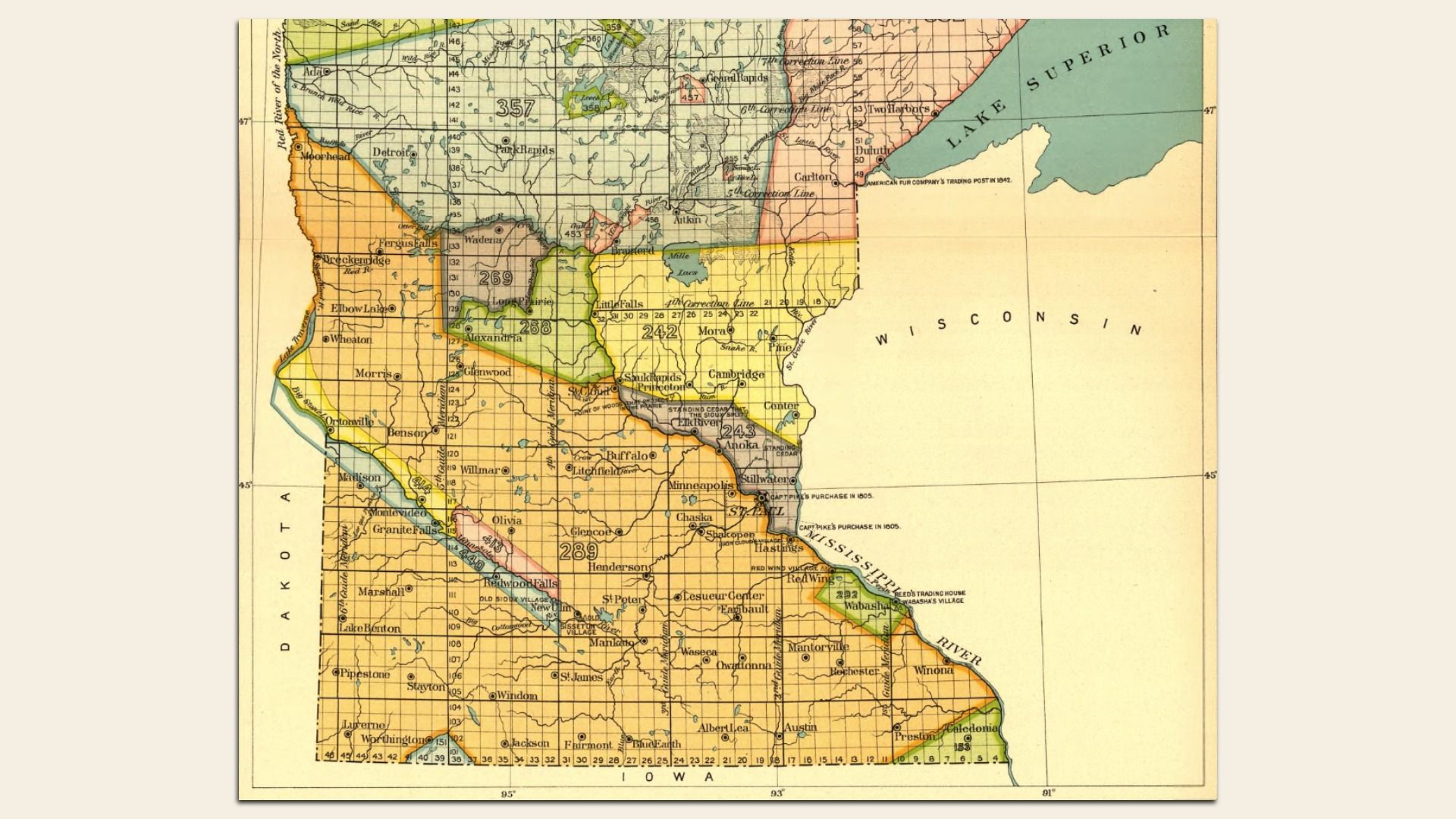
How it happened: On July 23, 1851, near present-day St. Peter, chiefs of the Sisseton and Wahpeton bands signed away 24 million acres for $1.6 million.
- It was a terrible price, even back then — and the Dakota would never collect more than a fraction of it.
After signing the Treaty of Traverse des Sioux, fur traders led the chiefs to an upturned barrel with a second document to sign.
- Many thought it was a second copy of the treaty. Actually, the Dakota were agreeing to send most of the government's $305,000 treaty down payment directly to their creditors: the fur traders.
Even some traders were appalled by the trick.
- "Had they been dealing with white people," the traders would never have held them "communally responsible for every debt" as they did the Dakota, Wingerd tells Axios.
Plus: The Mdewakanton and Wahpekute signed the similar Treaty of Mendota two weeks later, handing over the remainder of what would become southern Minnesota — everything south of modern-day Interstate 94.
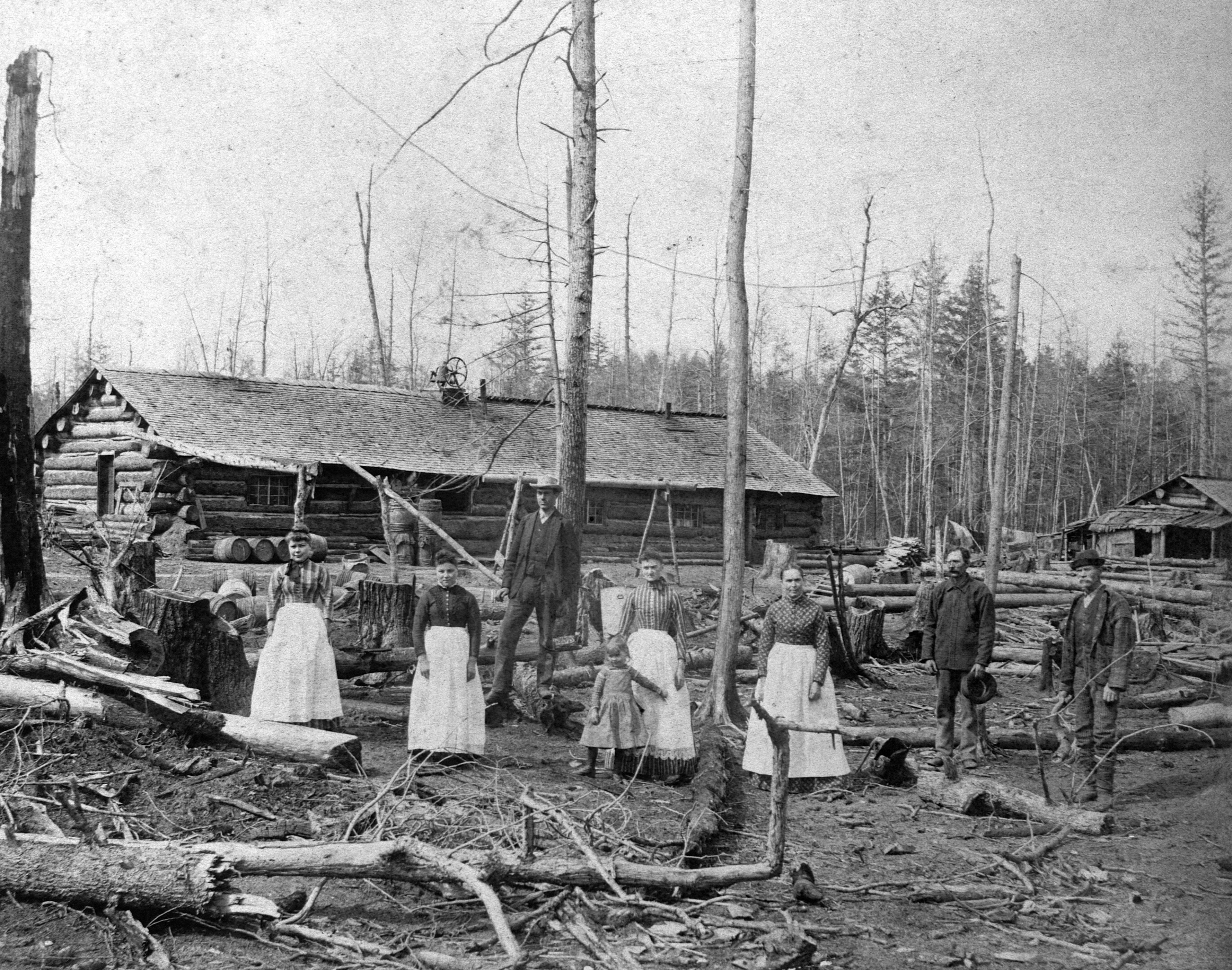
The treaty's legacy
Within a decade, Minnesota's population had flipped — from 85% Indian in 1850, to 90% white by 1860 — as more than 160,000 settlers scrambled for prime farmland.
What they're saying: Unlike Minnesota's early Euro-American settlers, these newcomers "didn't see [Indians] as people," Wingerd says. "They see them as caricatures — or obstructions."
- This animus, and unfulfilled pledges from the treaty, led directly to the U.S.-Dakota War in 1862.
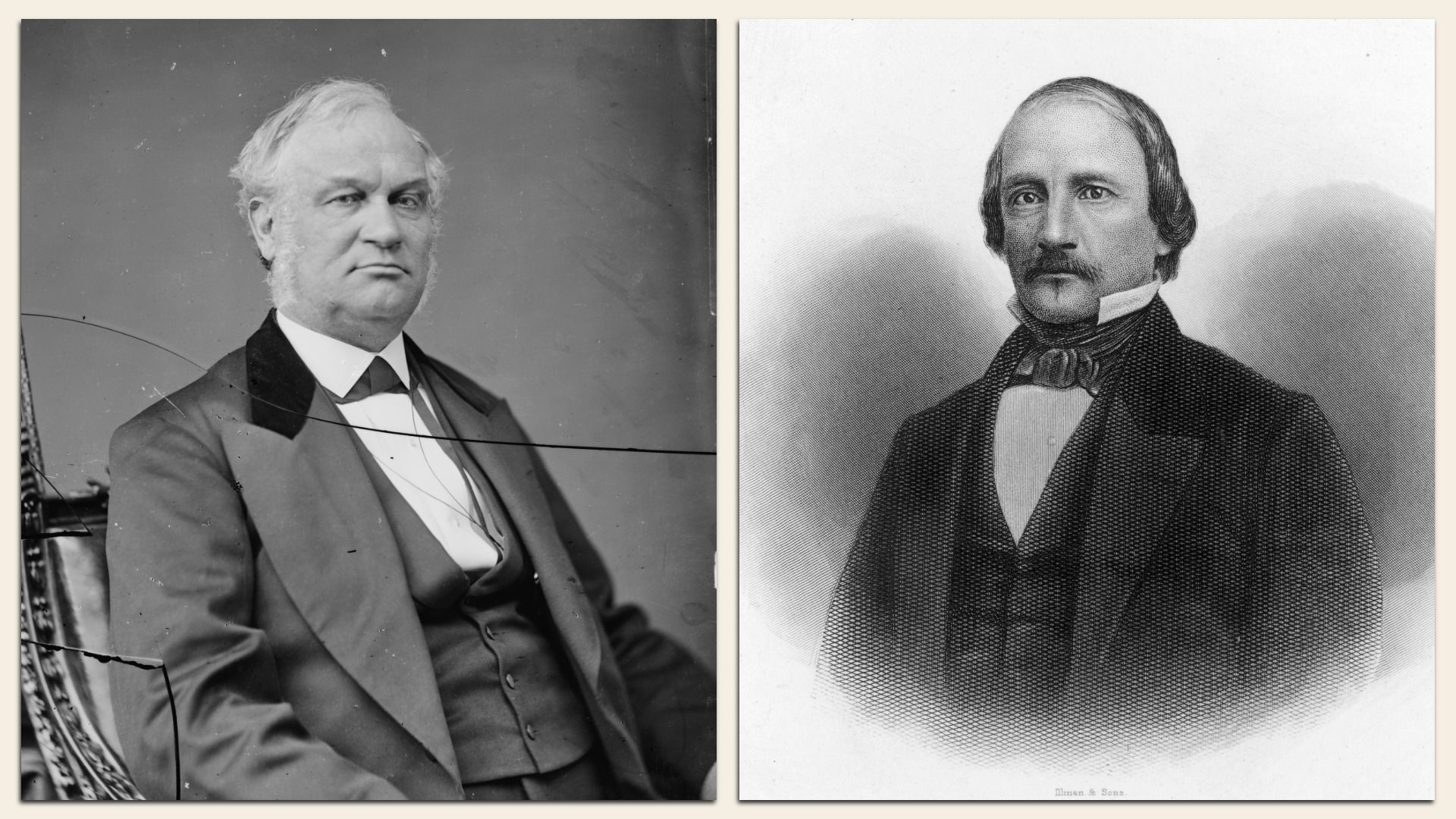
Still, today, the treaty's architects are household names.
- Alexander Ramsey was tried (and acquitted) in Congress on fraud charges for his role in the negotiations.
- Fur trader Henry Sibley leveraged years of genuine goodwill to convince the Dakota to sign what he must have known was a disastrous deal, Wingerd says. Minnesotans elected Sibley as the state's first governor.
Zoom in: It's hard for DeBoer, who's Mdewakanton, to ignore the trappings of the colonialism that shaped modern-day Minnesota.
- Take, for example, St. Anthony Falls, a long-sacred site to the Dakota: "That doesn't look like a waterfall anymore," he says.
The bottom line: "It's shifted the landscape we walk in as Dakota people," says DeBoer. "That's part of the intergenerational trauma."