A decade without a major shopping center is squeezing Twin Cities retailers

Add Axios as your preferred source to
see more of our stories on Google.
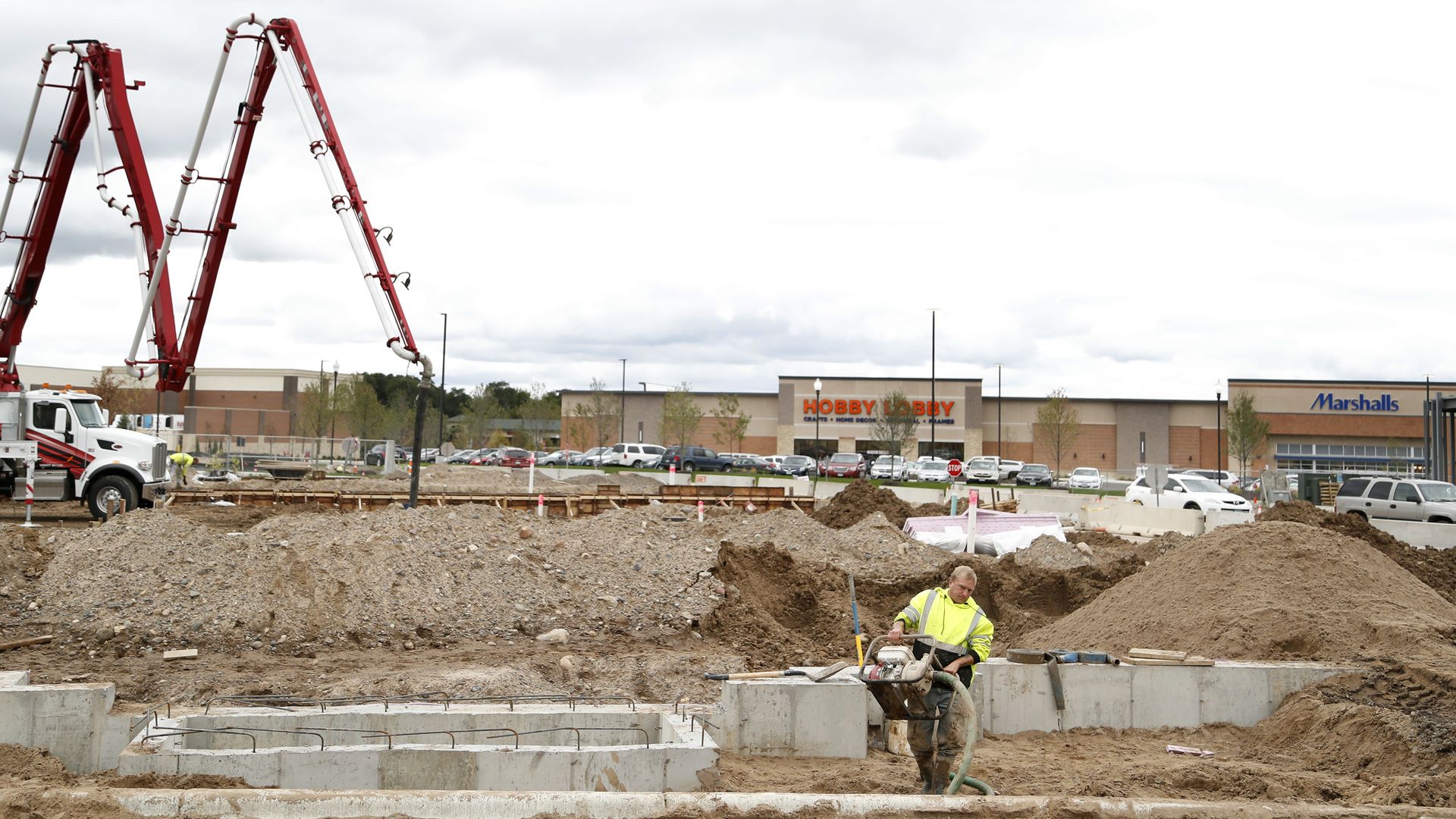
Central Park Commons was built 10 years ago in Eagan. Photo: Jerry Holt/Star Tribune via Getty Images
It's been nearly 10 years since a large-scale shopping center opened in the Twin Cities, and despite a growing appetite for more space, there are no imminent plans for another.
Why it matters: Retailers and restaurants looking to open shop are feeling the pinch. A recent JLL report says Twin Cities retail rents last quarter grew by 6.7% year-over-year, the largest hike in the nation.
What they're saying: "It's gotten more and more difficult for retailers to execute on their growth plans with a lack of space," said Johnny Reimann, a broker for Mid-America Real Estate who helps retailers and restaurants find space.
- He notes that the Twin Cities ranks near the bottom in terms of new retail construction in the U.S.
Flashback: Two big shopping centers opened in 2016 and 2017: Eagan's Central Park Commons and Woodbury's City Place.
- Since then, developers have built smaller strip malls and redeveloped other shopping centers, but nothing as large scale as the 434,000-square-foot Central Park Commons.
Between the lines: It's an uneven landscape. Hundreds of thousands of square feet are vacant in downtowns, and landlords are basically giving away skyway storefronts. Indoor regional malls have also struggled.
- But it's much harder to find space in the suburbs. The type of shopping center in high demand is called a "power center" — usually a few hundred thousand square feet of open-air storefronts surrounded by surface parking.
- It's typical to see them anchored by a large grocer or general merchandiser, such as Target.
Friction point: The problem, said JLL real estate broker Ted Gonsior, is that land and construction costs have gotten so expensive that developers need to charge high rents to make the finances work. But those rents are too high for what many midsize retailers are able to pay.
Zoom in: Reimann agrees the economics are out of whack, but should the market balance out again, he points to Rosemount, the northwest part of Maple Grove, northeast Blaine and Lakeville as the areas most ripe for a big development.
- "If you live on the outer edge of the growth in Rosemount ... you would have to drive 20 minutes, give or take, to get to sizable pockets of retail."
The bottom line: Reimann said cities could reduce regulations and property taxes to make it easier for developers to build.
- "If we want to see continual growth and new stores, then we have to make our market a place where it's affordable for people to do deals," Reimann says.