How data centers could help revive downtowns

Add Axios as your preferred source to
see more of our stories on Google.
Illustration: Lindsey Bailey/Axios
Data centers have become a point of tension in Twin Cities suburbs, but for downtown developers, they could be a goldmine.
Why it matters: The collapse of office tower values has pushed property taxes higher for residents. Data centers could help boost those values again, spur more residential and commercial development and even help heat other buildings.
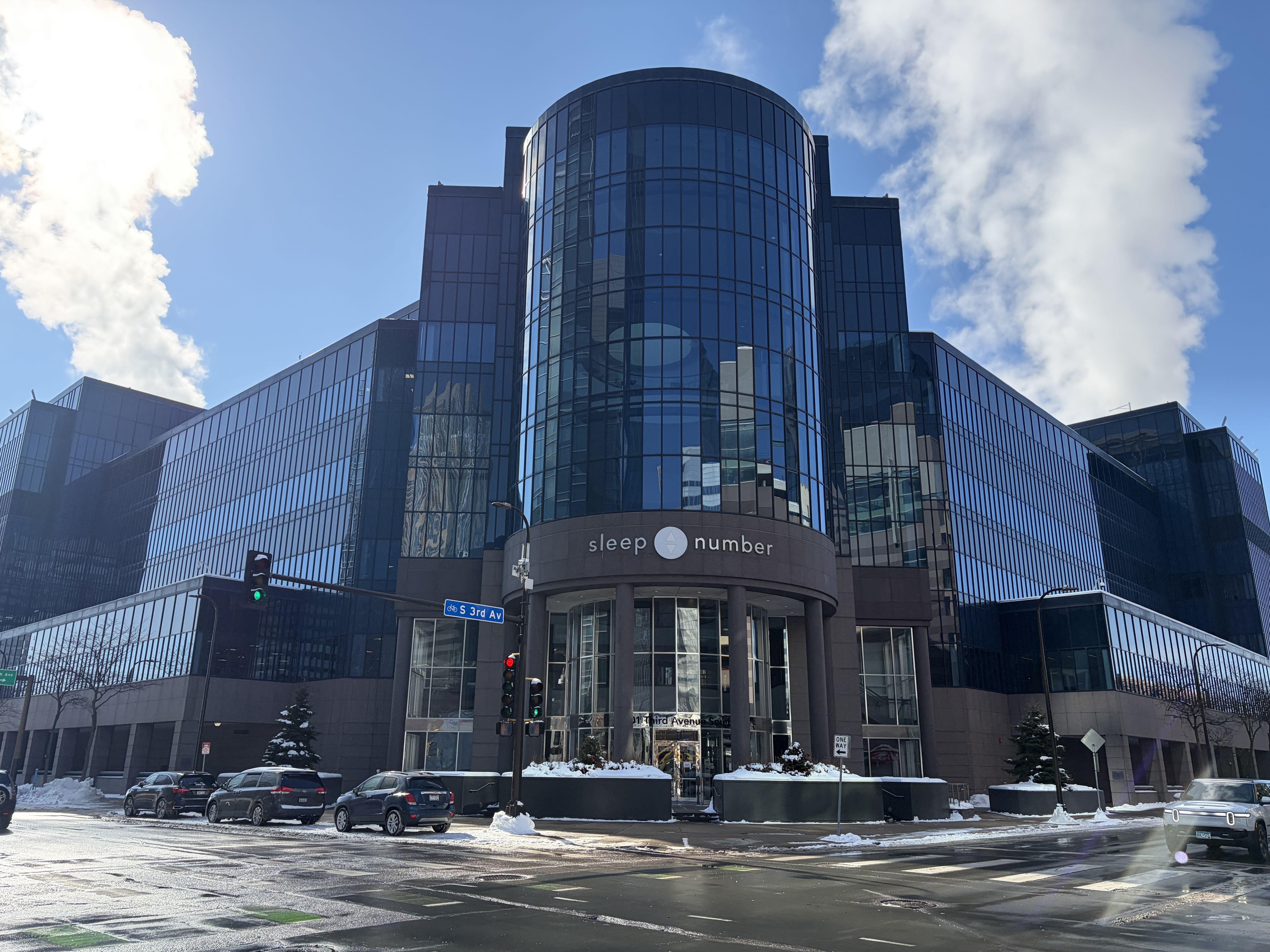
Case in point: The Sleep Number headquarters in downtown Minneapolis sold in January for $235 million. It's the highest price paid for an office building in the city since 2019, according to state data analyzed by Axios.
- That price is nearly three times the 2024 sale price of the iconic Wells Fargo Center skyscraper, which is twice the square footage of Sleep Number's HQ.
Zoom in: That's because the previous Sleep Number HQ owner increased the building's data center capacity from 2 megawatts to 21 megawatts — all in the basement.
The latest: Local development consultant Don Kohlenberger is helping Sherman Associates replicate that model elsewhere. They've gained city approvals to expand the data center in the former Wells Fargo operations center on Washington Avenue from 6 megawatts to 26.
- "It's gotten everybody's attention," Kohlenberger told Axios of the Sleep Number project. "It's a proof of concept."
- The Wells Fargo building is now on the market, and its sale price could provide more proof.
- "Some folks want to see if lightning strikes twice," he said.
Zoom out: Data center development has surged across the country with the rise of artificial intelligence, which requires large amounts of data capacity.
Friction point: Concerns about noise, energy use and water consumption have led to fights in Twin Cities suburbs and beyond, with the Farmington mayor resigning after a particularly contentious debate last month.
Yes, but: Downtown data centers are much smaller than centers being pitched or built in the suburbs, which typically have capacity for hundreds of megawatts.
- Downtown Minneapolis Neighborhood Association supported the Wells Fargo data center proposal.
How it works: Legacy Investing, which operates the Sleep Number building data center, told the Minneapolis/St. Paul Business Journal that downtowns are ideal for data centers because they have robust fiber-optic networks that can move data quickly.
- Plus, they rent for prices you find in high-end office space in Midtown Manhattan, the firm said.
- The data centers could also help heat other downtown buildings. The city's district energy provider, Cordia, told Axios it's in talks with multiple parties about routing recovered thermal energy back into its network.
Reality check: While this could help rebuild downtown's tax base, it doesn't bring many people back downtown.
- But Kohlenberger has been advocating for a wedding cake model. Data centers in basements or on ground floors would provide lenders with confidence and developers with enough cash flow to be patient in filling vacant office space or converting upper floors to residential.
- "It takes the panic out of it."
What we're watching
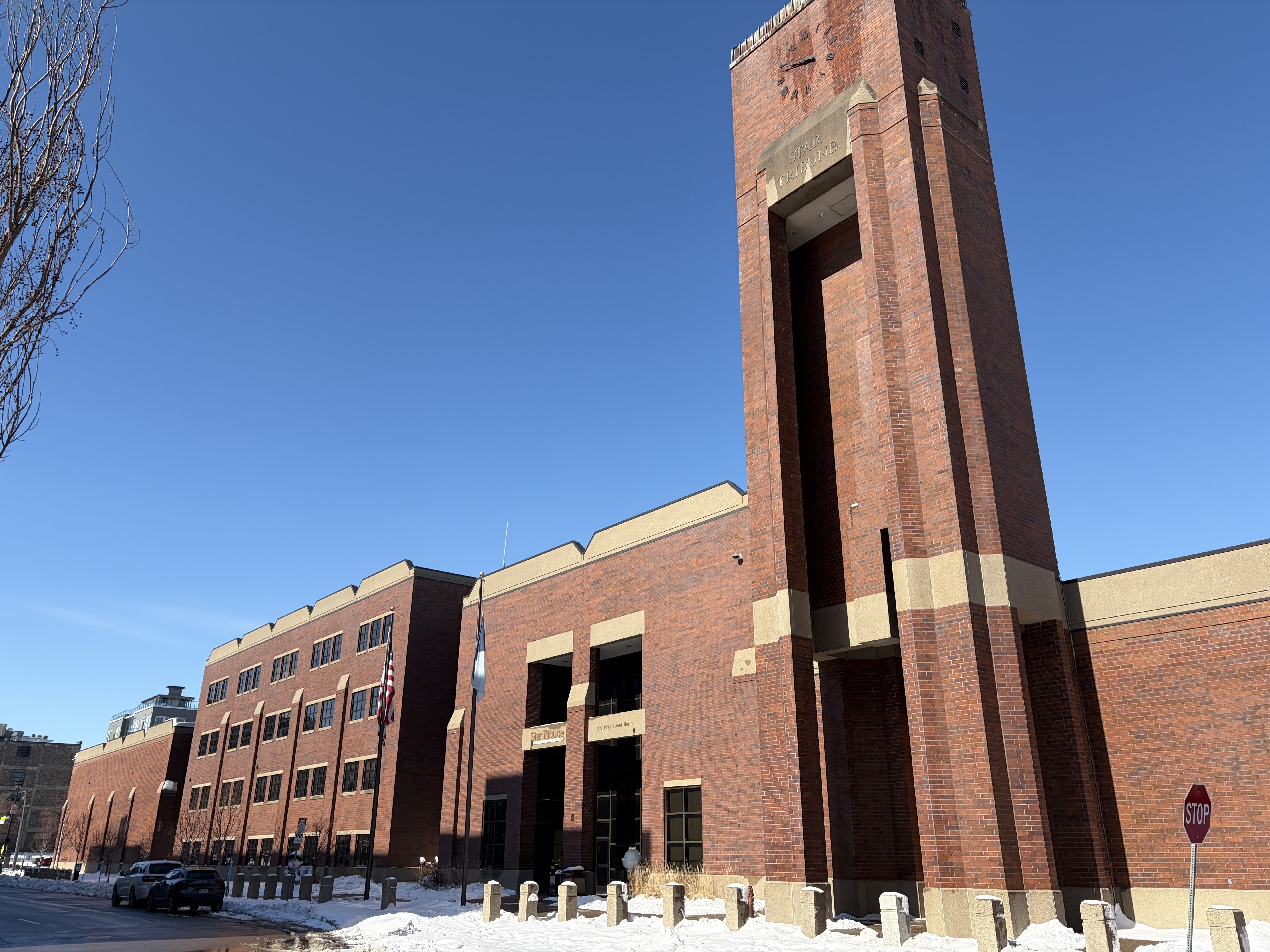
The next potential data center conversion is the former Star Tribune printing plant on the edge of the North Loop.
- The news organization is selling the building following a move to print in Iowa in December.
Colliers Minneapolis real estate broker John McCarthy told Axios that the plant already has significant electrical infrastructure and tall ceilings — ideal for data centers.
- The rest of the building could be repurposed for other commercial uses.
Zoom out: That's what's happening in Kansas City, where the similarly sized Kansas City Star printing plant was modified into a data center and coworking space.
- The cost of that 100 megawatt project: $1 billion.
Yes, but: Don't expect data centers to completely transform downtowns. Many buildings don't have the infrastructure, and higher floors in buildings can't typically support the heavy equipment.
- "It's all about power," McCarthy said. "Can you get power into the building? Unless there is an existing data center that you could expand, or you have a larger footprint, I think it's very challenging to just take a building and convert it to a data center."
What they're saying: Xcel says it supports downtown data centers because of the construction jobs they create and the increased tax base.
- "As potential customers consider locations, we work closely with them to help evaluate their costs to interconnect to our system," said Xcel spokesperson Josiah Mayo. "Before approving interconnection requests, we review all projects to ensure safe and reliable operation on our system and that our current customers are not adversely impacted by the project."