4 challenges for Tim Walz's reelection campaign

Add Axios as your preferred source to
see more of our stories on Google.
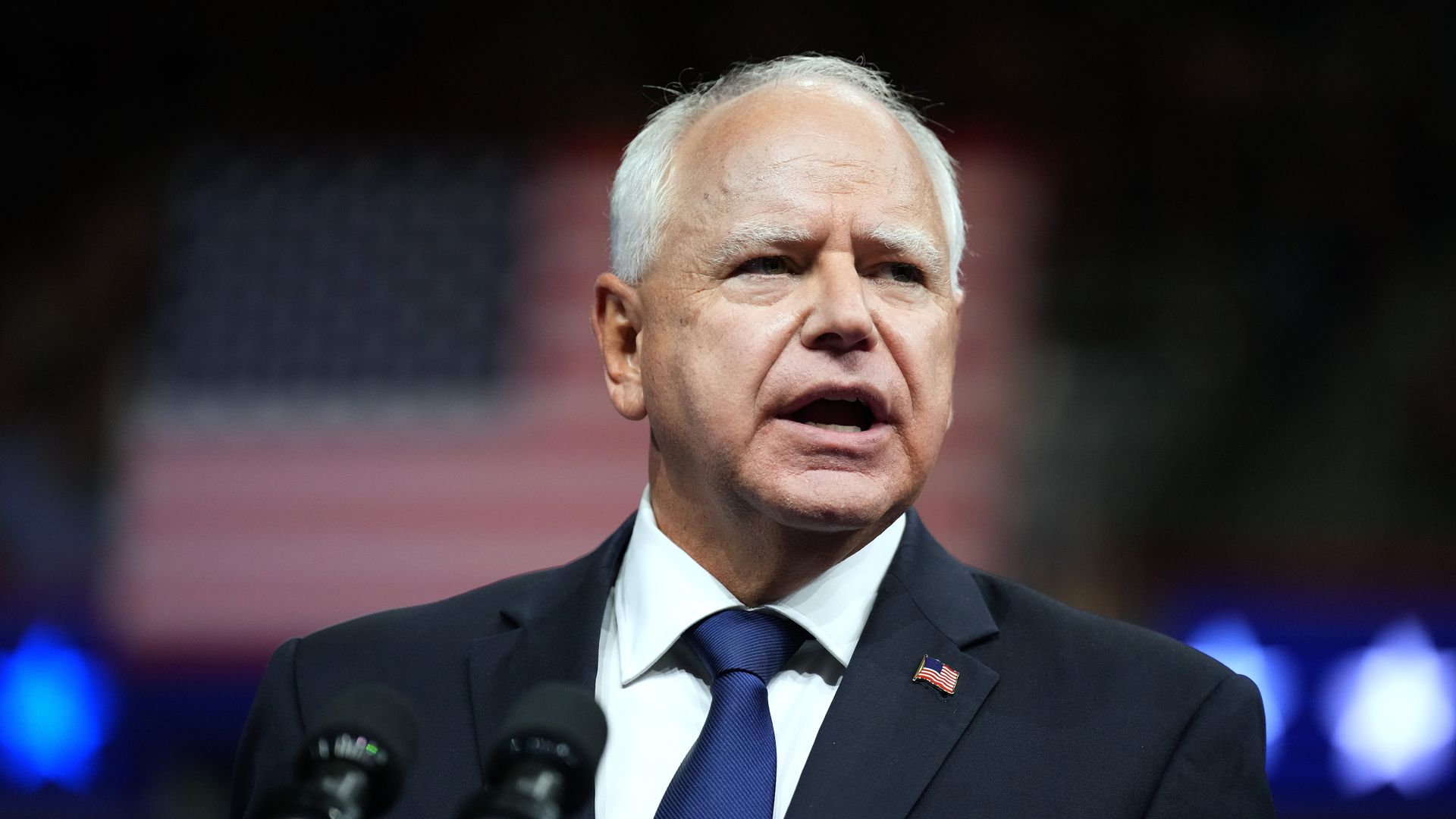
Walz has said that he would rule out a 2028 White House run if elected governor again. Photo: Andrew Harnik/Getty Images
It's official: Gov. Tim Walz is running for a third term next year.
Why it matters: The DFL incumbent and former vice presidential candidate is attempting to do something no other governor has done in state history: win a third consecutive four-year term as the state's chief executive.
State of play: Democrats have won every statewide office in Minnesota for nearly 20 years, and Walz has been elected twice by comfortable margins.
- Political forecaster the Cook Political Report has rated the race "likely Democrat."
Yes, but: Running for a third term isn't easy: Voter fatigue and a lengthier record for opponents to attack tend to make another four years a tough sell.
- And in Walz's case recent public polling and other developments suggest the incumbent may be more vulnerable this time around.
Zoom in: Here are some key factors that could shape the race:
1. National vibes: Midterm elections typically favor the party that doesn't control the White House.
- A good year for Democrats nationally would benefit Walz in a state that President Trump lost by 4 percentage points in 2024.
2. The GOP field: To fuel a competitive race, Republicans will need to endorse — and nominate — a candidate who can raise serious cash and appeal to suburban swing voters.
- Announced candidates so far include Walz's 2022 rivals Scott Jensen and Kendall Qualls and state House Fraud Prevention and Oversight Committee Chair Kristin Robbins.
3. Money matters: Elections are expensive, and Walz enters the race with a clear campaign cash edge: He reported $1 million in the bank at the start of the year and has been raising money ever since.
- He raised over $1 million in first 24 hours since announcing his campaign.
4. Fraud and fiscal problems: While Walz's campaign launch touts policies he enacted, such as expanded child tax credits and paid family leave, Walz will also face questions about his spending decisions in light of projections showing a potential deficit and his administration's handling of fraud targeting state programs.
- January's upcoming launch of a statewide paid family and medical leave program could also be decisive in how voters view his job performance.
Zoom out: Walz's unsuccessful vice presidential campaign both boosted his profile and brought heightened scrutiny on his words and actions. It's unclear how that will influence voters back home next year.
What he's saying: In a two-minute announcement video, the governor touted some of his signature policy accomplishments, including a child tax credit, saying "we've made historic progress in our state, but we're not done yet."
- He also pledged to stand up to the Trump administration and pursue gun laws in the wake of recent violence.
The other side: Republican critics pointed to fraud, the projected deficit and other shortcomings in statements arguing that the governor is a "proven failure" and should not be trusted with another four years.
Between the lines: Even with the vulnerabilities, many top Democrats, DFL donors and labor allies felt Walz was their best bet for holding the office thanks to his high name ID, policy agenda and fundraising advantage.
Plus: While another run by Walz creates a bottleneck for other ambitious Democrats, it allows the DFL to avoid a potentially messy and expensive primary fight between more moderate and progressive wings of the party.
What we're watching: Whether more candidates, including House Speaker Lisa Demuth, enter the race on the GOP side.
- An early endorsement in the Republican race by President Trump could also largely clear the GOP primary field, allowing Republicans to focus on the general election instead of an endorsement fight.