Feeding Our Future head convicted in COVID aid fraud case

Add Axios as your preferred source to
see more of our stories on Google.
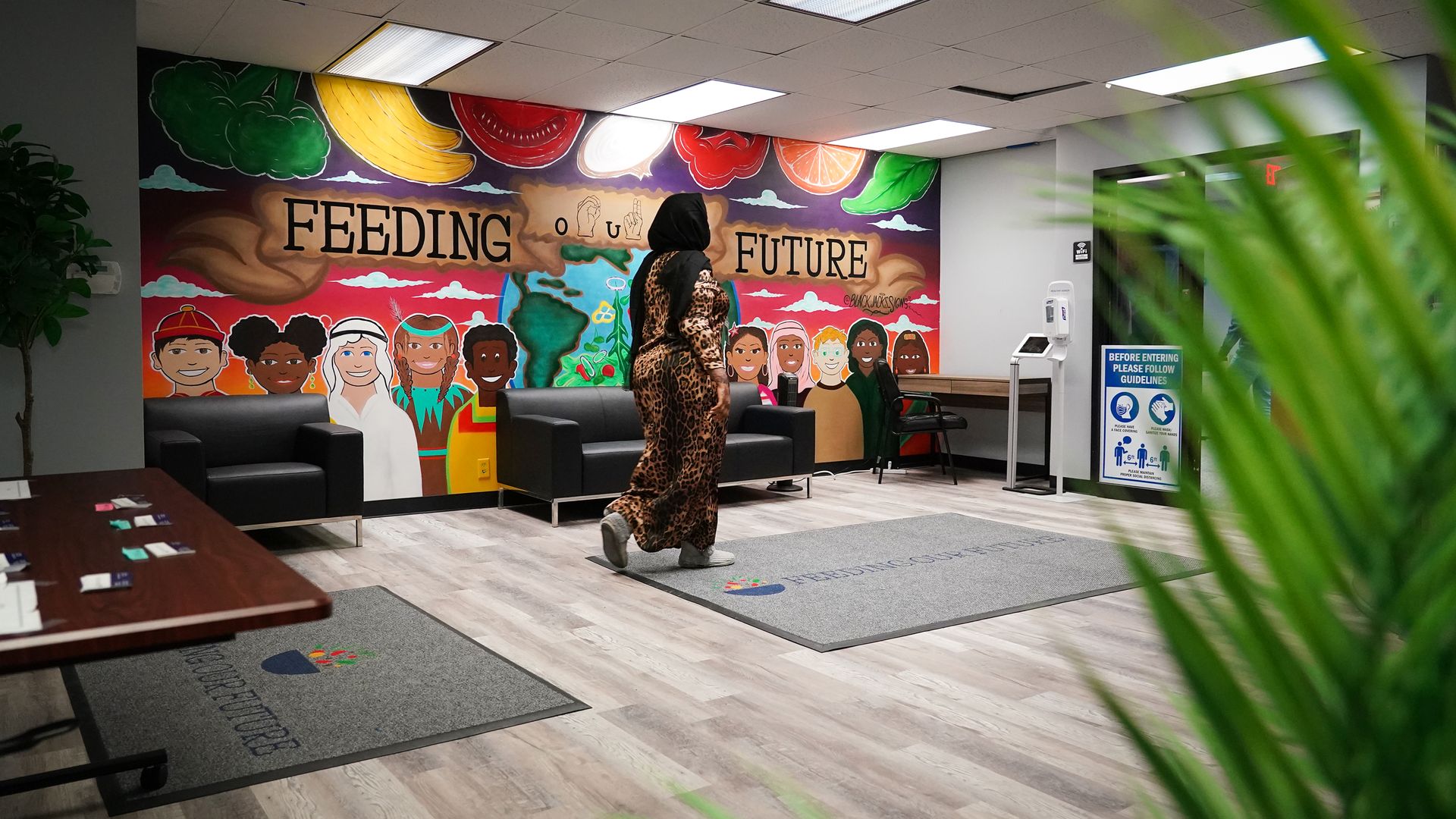
The offices of the nonprofit Feeding Our Future one week after an FBI raid in 2022. Photo: Shari L. Gross/Star Tribune via Getty Images
A federal jury in Minneapolis on Wednesday convicted the leader of the defunct nonprofit Feeding Our Future and an associate on federal charges for their roles in what prosecutors have called the nation's largest-ever case of pandemic aid fraud.
Why it matters: Investigators said Aimee Bock, who was the organization's executive director, and co-defendant Salim Said were central players in a fraud scheme that involved $250 million in federal COVID aid.
- The case has raised questions about how Minnesota officials kept tabs on pandemic relief dollars, and whether they can prevent future waste and abuse.
What they're saying: The case "has become the shame of Minnesota," Assistant U.S. Attorney Joe Thompson told reporters after the verdict. "Hopefully, today's verdict will help turn the page on this awful chapter in our state's history."
Driving the news: Jurors deliberated for less than a day before finding Bock guilty of wire fraud, bribery and conspiracy.
- The jury also convicted Said, a former owner of Minneapolis' Safari Restaurant, on similar charges, including money laundering.
Catch up quick: The case centered on a long-running federal program for feeding needy children.
- In 2020, officials loosened the program's rules as pandemic lockdowns took effect — which prosecutors assert left the door open for abuse.
- The 2022 federal indictment alleged that Feeding Our Future became the hub of a scheme in which defendants bilked millions from the federal program by claiming reimbursements for thousands more children a day than they served.
- Prosecutors said Bock oversaw the scheme, and that Said's former restaurant, and later a "shell company" he co-created, siphoned funds from the meals program with Feeding Our Future's help.
Friction point: The Minnesota Department of Education oversaw these payments — but a state audit concluded the department's oversight of the meal program was "inadequate."
- Gov. Tim Walz pushed back after the audit's release, arguing that state officials were the ones who tipped off law enforcement to suspected abuse.
- On Wednesday, Walz told reporters the case "sparked a needed conversation, bipartisanly, about how we try to prevent these things."
The other side: Bock's defense attorney, Kenneth Udoibok, argued in court that the government was scapegoating Bock over its oversight failures, saying others carried out the scheme, Sahan Journal reported.
- Bock testified she canceled dozens of contracts with vendors over suspicious invoices, and blamed the subordinates who were responsible for reviewing invoices that meal providers submitted, according to the Star Tribune.
- Said also took the stand in his defense, telling jurors that the profits his operations earned through his Feeding Our Future partnerships were legitimate, Fox 9 reported.
The intrigue: "We'll appeal," Udoibok told KARE 11, noting his surprise at the quick verdict.
- "I will go to my grave knowing — because I've reviewed the evidence — that this is an innocent woman," he added.
Zoom out: Of the 70 defendants prosecutors have charged in the case, 37 have pleaded guilty, and a jury convicted five and acquitted two last year, the U.S. Attorney's Office told Axios.
What we're watching: Charges are pending against 26 defendants, and additional trials are scheduled to begin later this spring.