The cost of fun: Minnesota cities propose sales tax hikes to cover new parks and rec centers

Add Axios as your preferred source to
see more of our stories on Google.
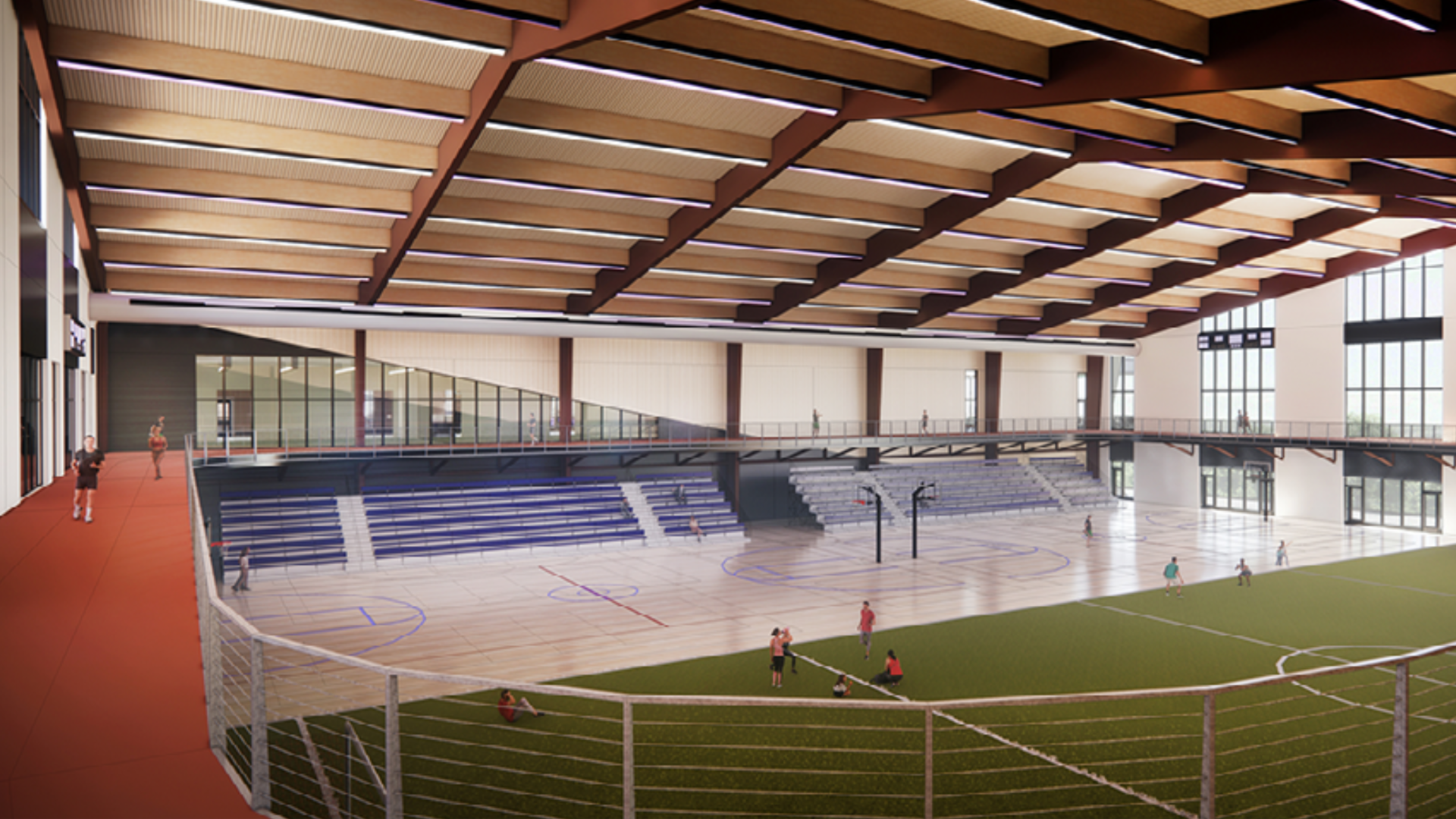
Chanhassen's planned Bluffs Community Center could include basketball courts, indoor fields and a walking track. Rendering courtesy of the City of Chanhassen
A half-dozen Twin Cities suburbs are asking voters to approve sales tax hikes this November to pay for new and improved community centers and parks.
Why it matters: Local leaders say their communities want more and better spaces to play, sweat and gather.
- But budget constraints and concerns about property tax levels have prompted them to seek alternative revenue sources.
State of play: Projects on local ballots range from a new state-of-the-art sports facility in Chanhassen with ice sheets, a field house and an indoor playground, to improvements to Stillwater's riverfront park.
- Others, like Brooklyn Center, have proposed upgrades to existing facilities.
Case in point: Richfield is pitching voters on a plan to renovate its 63-year-old community center to include a gym, an indoor walking track and underground parking.
- Mayor Mary Supple told Axios that residents expressed a desire for more indoor space where young people can "just be kids and have fun" during the winter months.
Yes, but: A need to replace aging roads and water mains meant the city "didn't have enough capital" to improve those recreational assets on its own, Supple said.
How it works: State law allows cities and counties to ask voters to raise local sales taxes to pay for infrastructure upgrades.
- The increases, which typically add a half-cent to a cent for every dollar spent, layer on top of the state rate of 6.875% and any other existing local sales taxes.
- While the tax proposals can raise tens of millions of dollars over a decade or longer, cities still often have to look to other sources, such as the state bonding bill or donations, to help cover the full bill.
The catch: The projects must have a regional benefit, because people from neighboring areas are also likely to pay the sales tax when they buy goods and services within city limits.
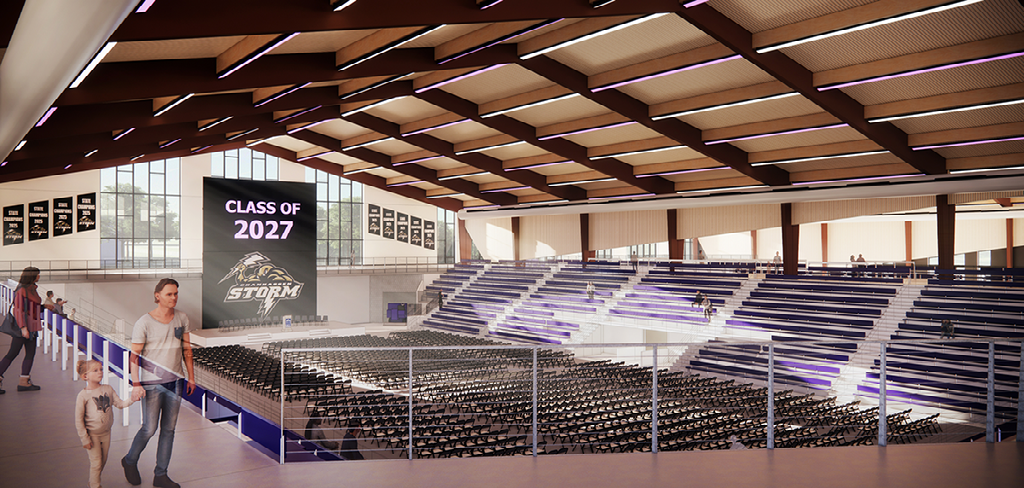
For example, Chanhassen officials backing a sales tax hike to fund the 300,000-square-foot Bluffs Community Center say one-third of the city's parks and recreation participants are from the surrounding community.
- The space could also host events like graduation for the local high school, where two-thirds of students are from neighboring towns, Mayor Elise Ryan told Axios.
- An analysis commissioned by the city estimates that about 45% of the sales taxes paid over the next 20 years would come from non-residents.
The other side: City leaders told Axios that some voters have questioned why more increases are needed when state lawmakers just approved a metro-wide sales tax hike last year. That increase was earmarked for transit and housing.
- Some critics also argue that sales taxes put too big a burden on lower-income people, even though essentials like food and clothing are exempt.
What we're watching: The Legislature, which has the power to decide which questions cities can put forward, has placed a moratorium on approving requests for future ballot measures through 2025.
- Lawmakers are expected to revisit the debate over the use of the ballot questions — and what projects meet the "regional impact" bar — as soon as next year.