Stress less to sleep better: A Minnesota expert shares top tips for getting enough rest

Add Axios as your preferred source to
see more of our stories on Google.
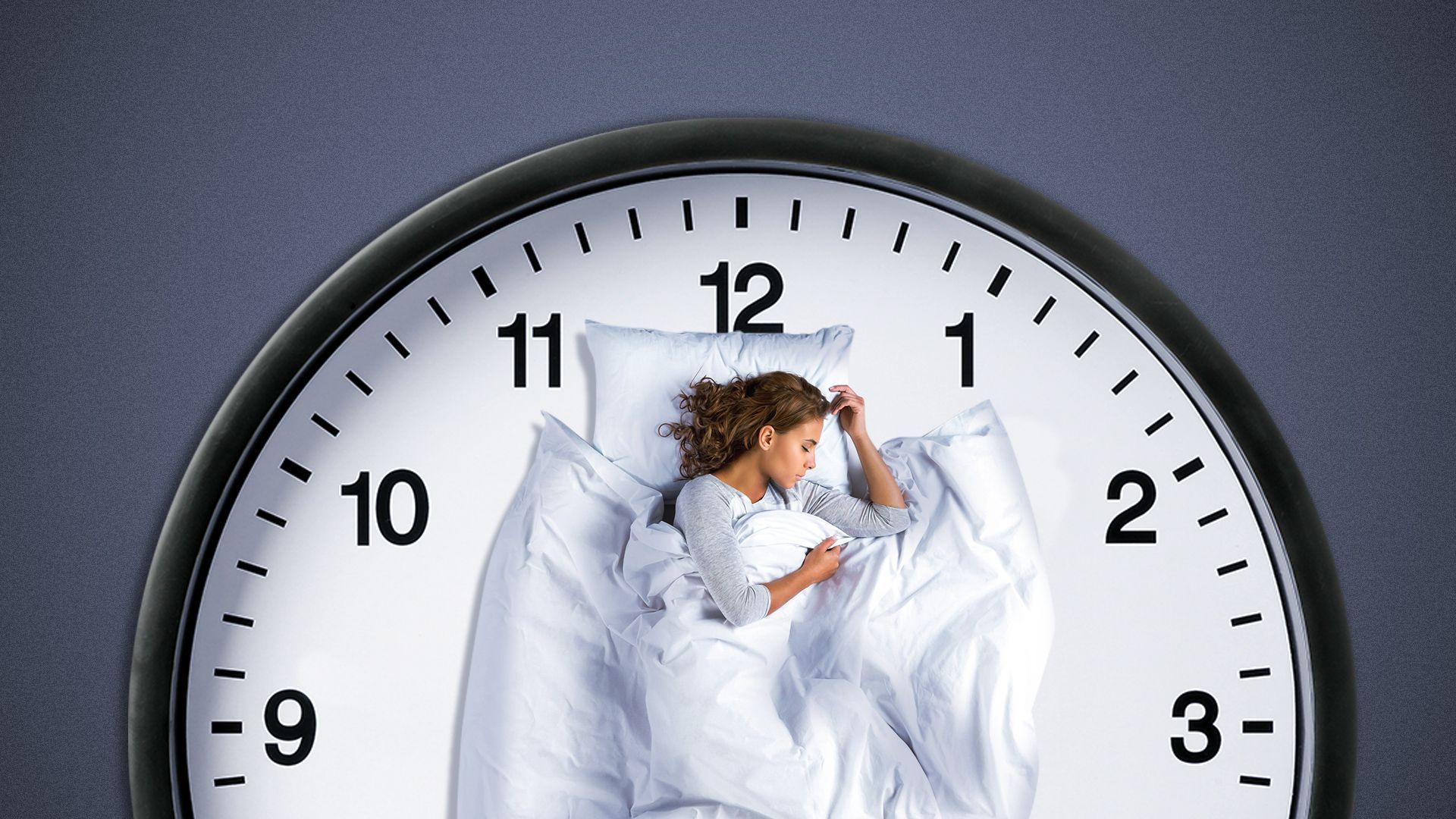
Illustration: Aïda Amer/Axios
Struggling to get your needed seven hours? One local sleep expert says you shouldn't toss and turn over it.
Why it matters: Everybody is different. And some of us may function just fine with slightly less — or more — than the recommended sleep allotment.
What they're saying: "Sometimes we can get very stuck on that number and we can produce a lot of anxiety around not getting enough sleep," Dr. Akinbolaji Akingbola, a sleep medicine specialist the University of Minnesota, told Axios.
- That stress, he said, can make it even harder for someone to get a good night's rest.
His top advice: Listen to your body.
- Maintaining a consistent schedule, falling asleep without issue and waking up rested are more important metrics than hitting "a prescribed number" of hours in bed.
Zoom in: Axios asked the doctor to weigh in on other common sleep tips:
🛏️ Creating a sleep sanctuary: Akingbola agrees it's best to avoid working, watching TV or even pre-bedtime, wind-down rituals in the place you lay your head.
- "We oftentimes unfortunately train ourselves to where we get into bed and then our brain is automatically turns on," he said. "Really try to save that bed for when we're sleeping."
👓 Blue-blocker glasses: "In theory, they're a good idea," he said of glasses that purport to filter out light from electronics. "But I think a lot of that will vary from person to person about how effective they might be."
- Yes, but: Akingbola does recommend avoiding screens as much as possible in the evening.
⏰ Hitting snooze on Sunday: "Catching up on the weekend is actually a little bit more harmful than we realize, just because we're breaking the habit, the routine our body is looking for."
🥱 Power-nap perils: A midday snooze can help boost energy and should absolutely be an option for, say, a drowsy driver. But it's important to remember that naps can interfere with our ability to fall asleep at night, causing a cycle of sleepiness to repeat.
- He recommends "[keeping] it to 30 minutes and really doing that in the first half of the day. If possible."