Create a happier home with a Twin Cities designer's tips

Add Axios as your preferred source to
see more of our stories on Google.
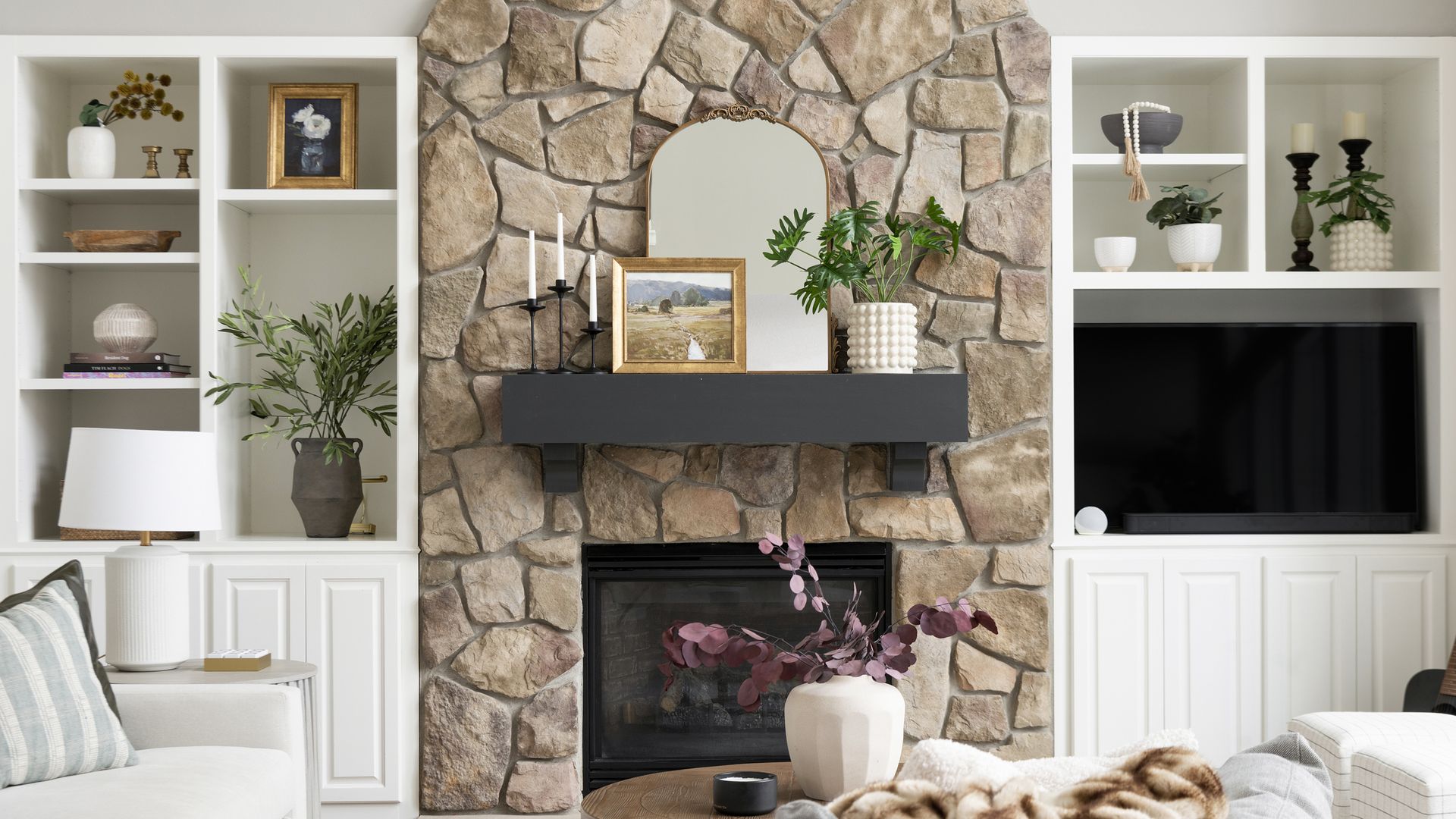
Photo: Spacecrafting, courtesy of Melanie Zaelich
From the color of your walls to the smells in your kitchen, your home deeply impacts your mood.
The big picture: When you pull up to a restaurant, you know immediately if the vibe is good or not. Your home is no different, says Minneapolis-based Happy Place Interiors owner Melanie Zaelich.
Why it matters: Aesthetic experiences — which include the art, architecture and design of our homes — affect physical health, mental health and relationships — and amplify our human potential, says Susan Magsamen, founder and executive director of the International Arts + Mind Lab at the Johns Hopkins University School of Medicine.
- Something as simple as changing music or the color of a light bulb can soothe stress, and even anxiety and depression, according to Magsamen.
What’s happening: Magsamen and her team study neuroaesthetics, which is how art and aesthetic experiences can be measurably understood.
- "Typically, arts and aesthetics are seen as luxuries and nice to have, but the research is showing us it’s imperative," Magsamen says.
Here are Zaelich's no- or low-cost tips for making your space more supportive of your best life.
1. Take inventory. Sit in your living room, look around and notice what brings you joy. Keep what you love, donate the rest.
- Clearing out the clutter and emphasizing what you love makes a big difference, without having to buy anything new.
2. Pay attention to your sight lines in each room. In her own home, Zaelich says the toy room is visible from the kitchen. "Every time I looked at it, I was reminded of another thing I have to do, and my stress went up," she says.
- So she moved things around. Now, a sofa and artwork line the wall visible from the kitchen. The toys are tucked away in a different part of the room, out of sight and out of mind.
- "Correcting stressors will bring you much happiness," she says.
3. Bring in some real (or fake) greenery. Plants can contribute to a calming aesthetic and have been linked to improved health.
- If you’re just getting started, try a low-maintenance snake plant. Don’t have a green thumb? Artificial plants do the trick.
4. Use color. Most clients prefer neutrals with pops of color, Zaelich says. Pick whatever color makes you happiest and find a small, medium and large way to use it.
- If you like emerald green for instance, you could get an emerald green couch, a landscape painting with shades of green and maybe a candle in a green glass container.
5. Ditch the overhead lighting. Lighting dramatically, and subconsciously, impacts how you feel, Zaelich says.
- Overhead lighting can be harsh. Lamps and sconces create a more attractive and calming atmosphere.