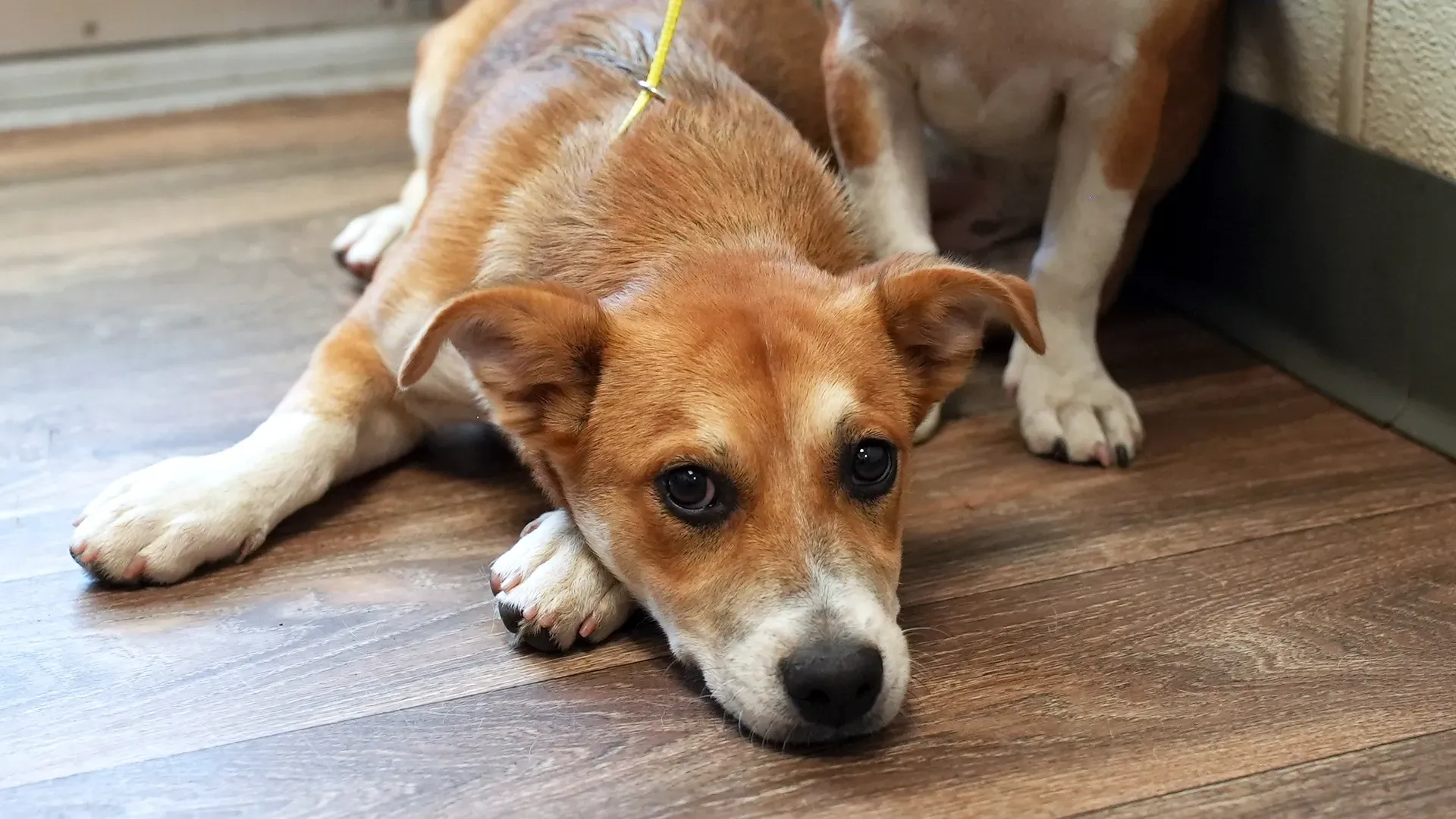
San Diego Humane Society dog crowding hits record high

Add Axios as your preferred source to
see more of our stories on Google.
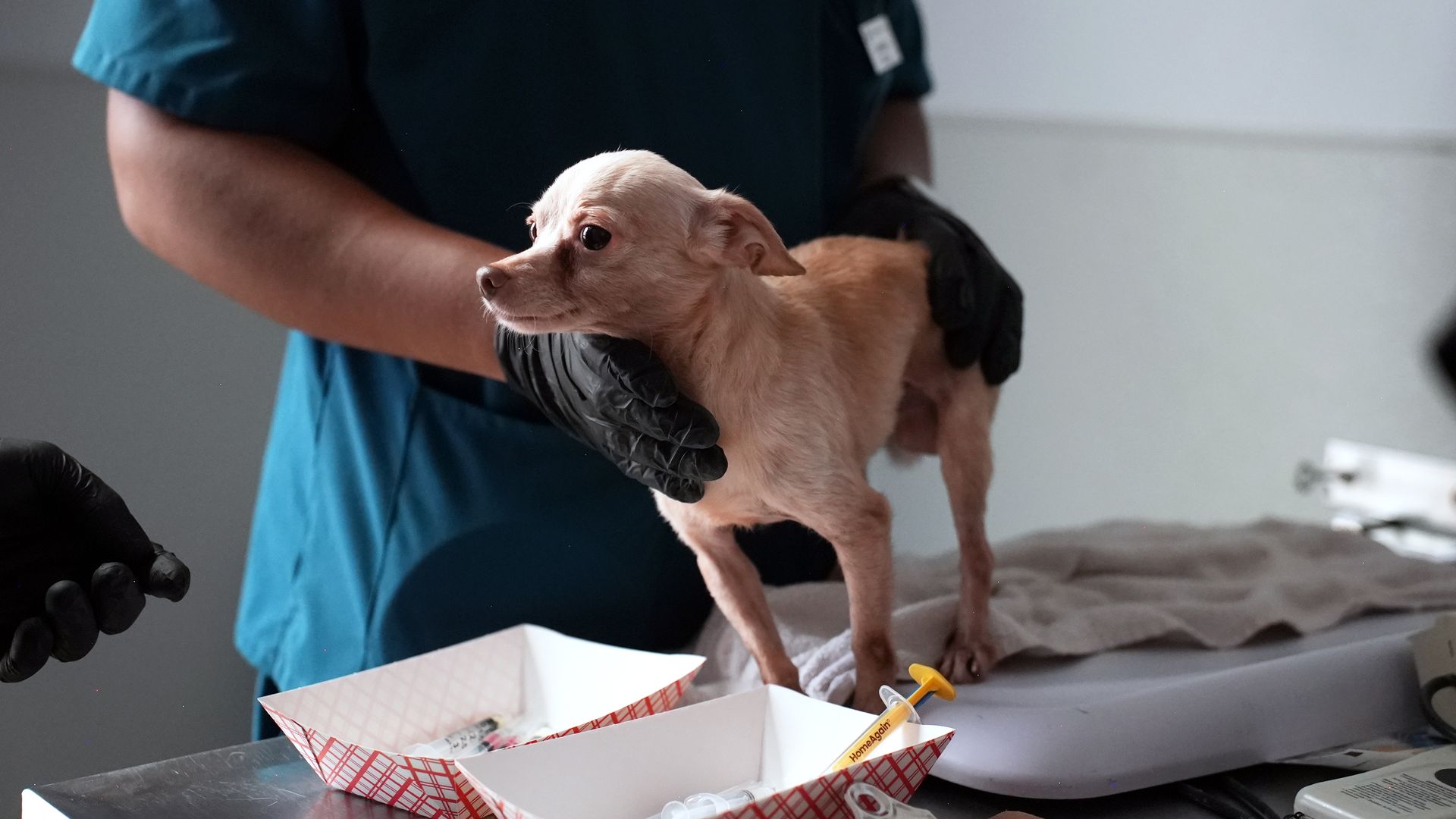
One of 23 Chihuahuas turned in at the animal shelter. Photo: Courtesy of San Diego Humane Society
Animal shelters in San Diego are overflowing with dogs.
The big picture: A combination of unspayed and unneutered dogs bought during COVID, rising veterinary costs and a challenging economy means more dogs are going in at the San Diego Humane Society than are coming out via adoption.
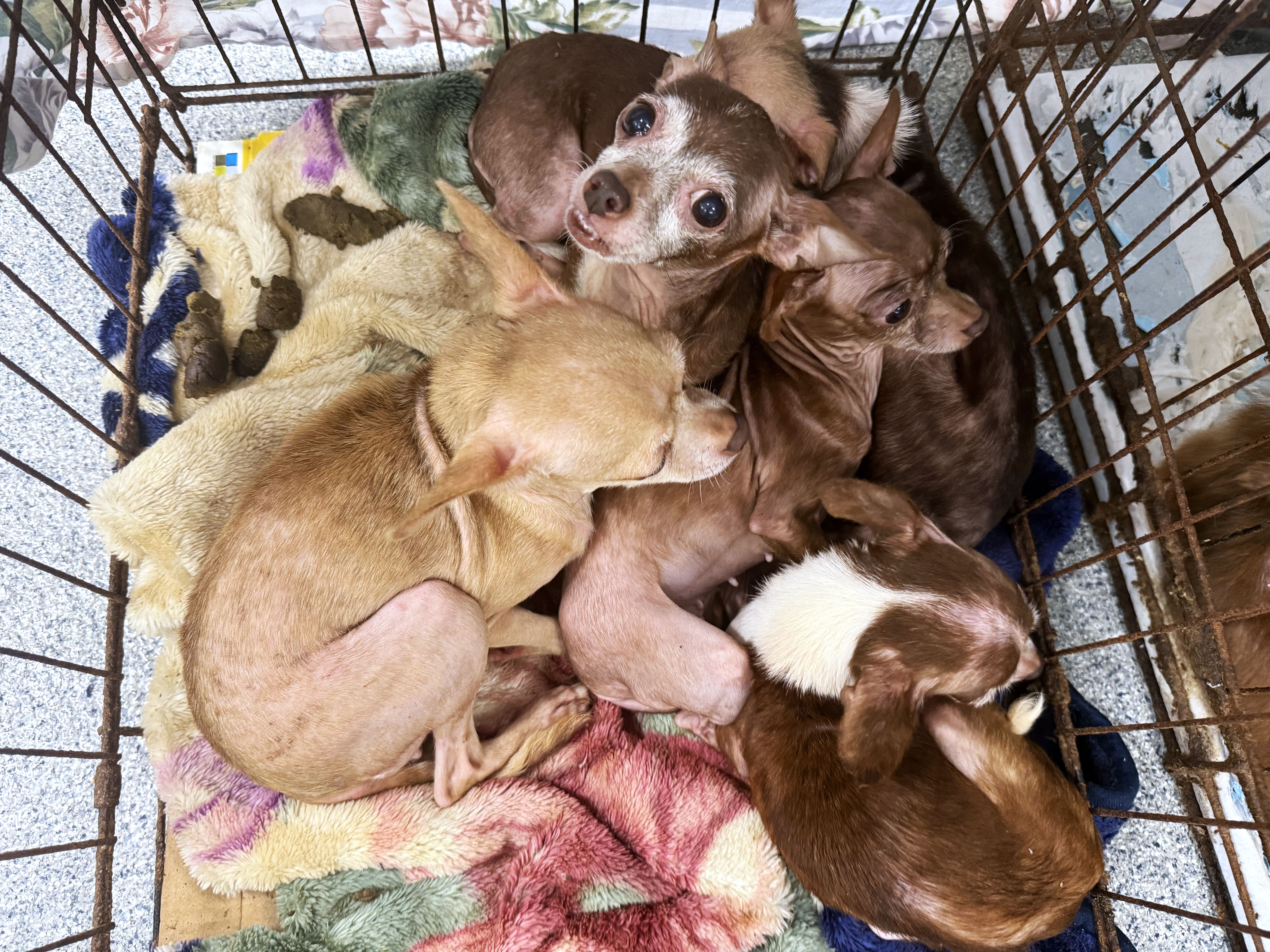
Driving the news: The shelter recently took in large groups of dogs from people who were evicted (23 Chihuahuas, 25 Yorkies and 25 huskies are a few recent examples).
- But the crowding existed long before that, Humane Society spokesperson Nina Thompson told Axios.
By the numbers: The shelter set a record for the number of adult dogs in its care in August — 766, up from 690 last August.
- It's currently at 162% capacity for dogs.
San Diego's high cost of living is a big reason why, Thompson said. People are moving away and can't take their dogs with them.
- People also are moving to apartment complexes that have prohibitions on large dogs, especially pit bulls and German shepherds.
- The Humane Society is pushing the city to pass a rule that would ban extra fees for pets, but that hasn't happened yet.
Follow the money: Rising veterinary costs also lead more people to not spay or neuter their dogs, which creates more dogs that are turned over to the shelters, Thompson said.
- If you buy a dog from a breeder or store, it's typically not spayed or neutered.
- Overall vet care costs have also doubled since before COVID, leading some people to turn pets in when they can't afford care, Thompson said.
- When microchipped stray dogs are picked up, shelter staff will reach out to the owner and sometimes won't get a response.
Threat level: It's against the law to have more than six dogs older than four months in a house unless you're a licensed kennel, so Thompson said she hopes people will reach out for help before they're evicted with a herd of dogs.
- The Humane Society can help with spaying and neutering for around $225 and would prefer to bring in dogs in a staggered form instead of getting 20 all at once.
- "Let us know the minute you hit a pain point," she said.
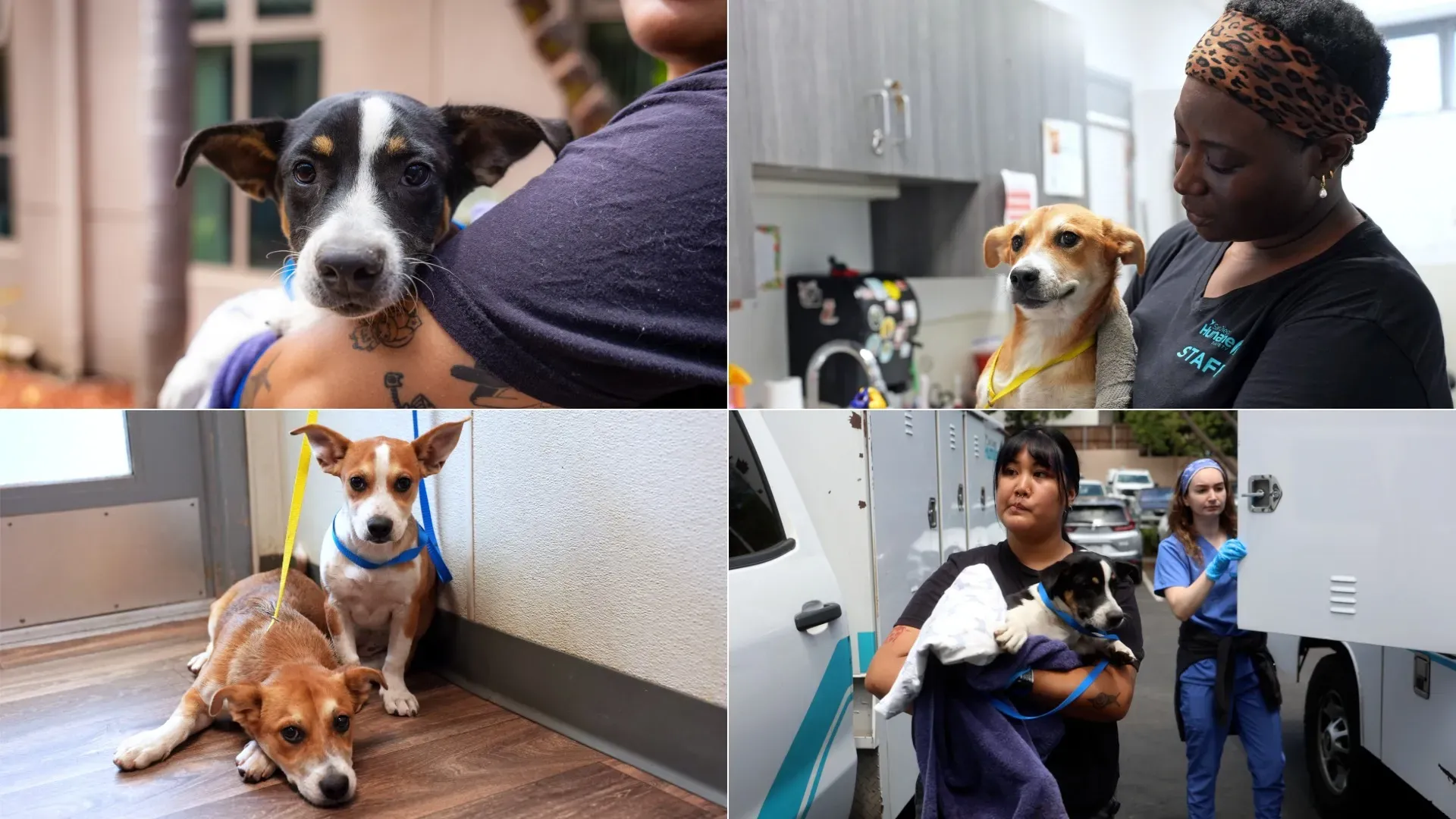
The bottom line: While adoption numbers are also up, they aren't keeping up with the dogs coming in at the Humane Society.
- To help, the nonprofit is lowering adoption fees to $50 for dogs and cats through the end of September.
If you can't adopt a dog, there are other ways to help.
🏠 Foster a pet: Even a few days or a week or two outside the shelter can help a stressed animal decompress, while giving staff a better sense of how the pet behaves in a home, Thompson said. The shelter pays for everything: food, supplies and medical care.
📣 Spread the word: Encourage friends, neighbors or family members who are considering a pet to adopt or rescue. Shelters and rescues have everything from puppies and kittens to popular breeds, she said.
🐕 Volunteer at the shelter: After training, volunteers can walk dogs, socialize cats and kittens, clean kennels and bowls, fold laundry and help with other shelter tasks.
👥 Organize a group service day: Corporate or community groups can sign up for one-day volunteer events.
🦮 Take a dog out for the day: The Dog Day Out program lets people give a shelter dog a break from its kennel for the day without going through the full volunteer training process.