Flock cameras divide candidates in District 44 race

Add Axios as your preferred source to
see more of our stories on Google.
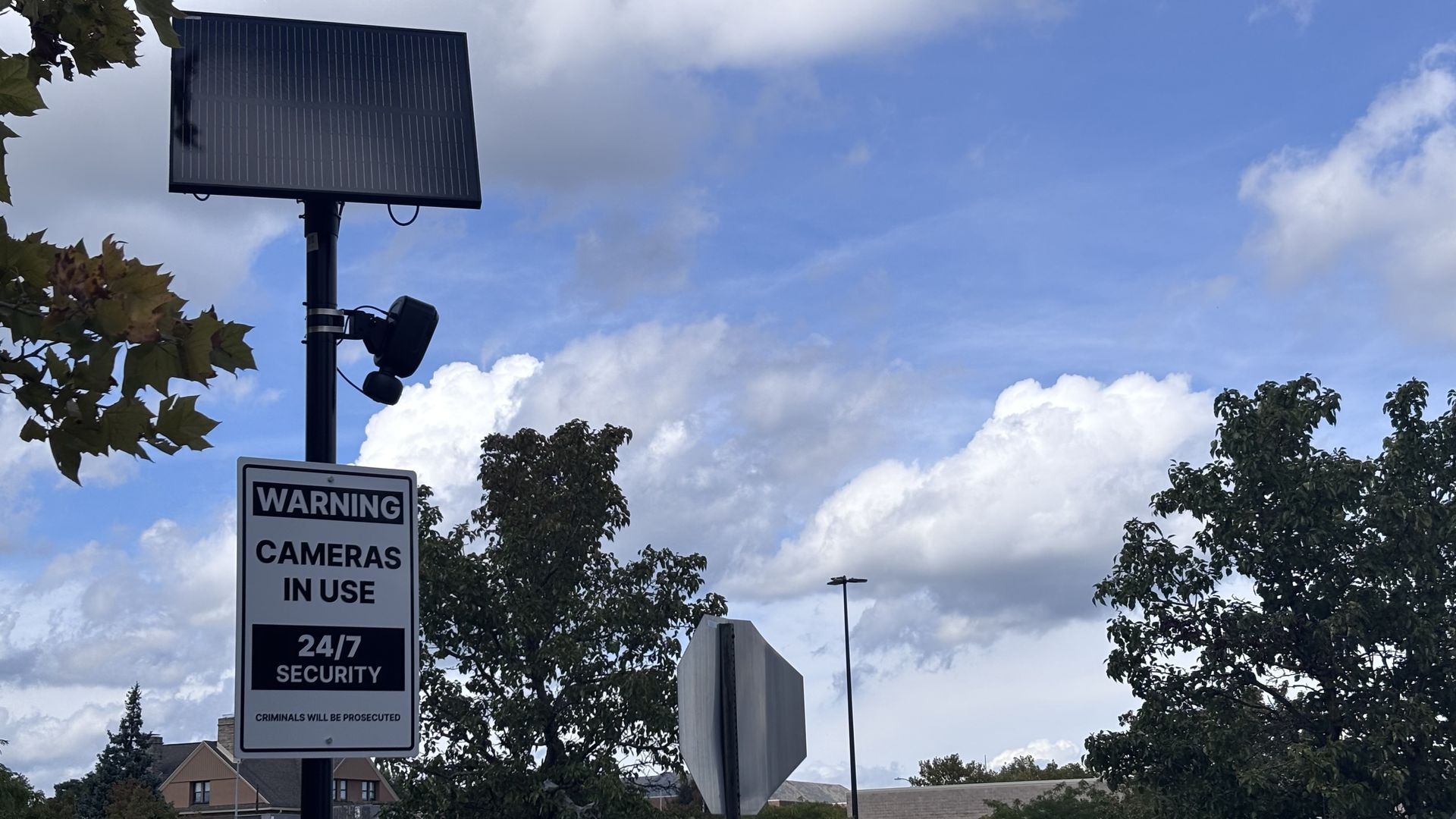
An automated license plate reader camera outside of Home Depot in East Liberty. Photo: Ryan Deto/Axios
Automated license plate readers like Flock have quickly become political fodder for a swing House district in Allegheny County.
Why it matters: Democrats hold a tiny one-seat majority in the state House, and the balance could come down to how candidates in District 44 can connect most with voters on trending issues like Flock cameras.
Context: Democrat Hadley Haas, of Glen Osborne, is challenging Republican state Rep. Valerie Gaydos, of Sewickley, in state House District 44. It covers western Allegheny County suburbs that straddle the Ohio River, like Coraopolis, Moon, and Sewickley.
- Gaydos defeated Haas by 7 percentage points in 2024, and President Trump won the district by about 4 points.
- It's one of Dems' top targets to flip this cycle.

What they're saying: Haas told Axios that Flock and other automated license plate readers (ALPRs) that operate similarly should be banned. She doesn't think all ALPRs should be banned but is concerned with the number of cameras locally and brands that share data without transparency.
- "Most voters are uneasy about them and don't want them. They don't like that they have been popping up with little transparency and handing over data to Big Tech with very little oversight."
Gaydos said decisions on banning ALPRs should largely be left up to municipalities and not taken up too hastily by the state. She is open to regulation, but notes that some communities have embraced the technology while others are against it.
- "I am not opposed to a ban or anything else, but we have the responsibility to hear from the public."
Between the lines: Flock cameras have drawn criticism from groups like the civil liberties groups like the ACLU after stories of police officers using the tech to allegedly stalk and harass people.
- Supporters, particularly in law enforcement, have said the technology has helped solve crimes with greater efficiency than before.
State of play: 52% of Americans have an unfavorable view of Flock, compared to 23% who see the cameras favorably, according to a recent Data for Progress poll.
Friction point: Haas says Gaydos has a history of siding with Big Tech, citing her vote against House Bill 1834, which sought to ban electric companies from passing on costs of infrastructure updates and energy demands from data centers.
- "We have seen my opponent has voted with Big Tech, and I don't think she will have our interests this time around."
- Gaydos says she voted for several data center regulation bills, including measures to install an 180-day pause on development, repeal their tax breaks and limit their noise.
- She said Haas is trying to jump on every issue. "I am taking this seriously. We need to make sure we are doing what the public wants, and not just be reactionary to social media."
What's next: Election Day is Nov. 3.