Miami activist uses social media to demand better sidewalks

Add Axios as your preferred source to
see more of our stories on Google.
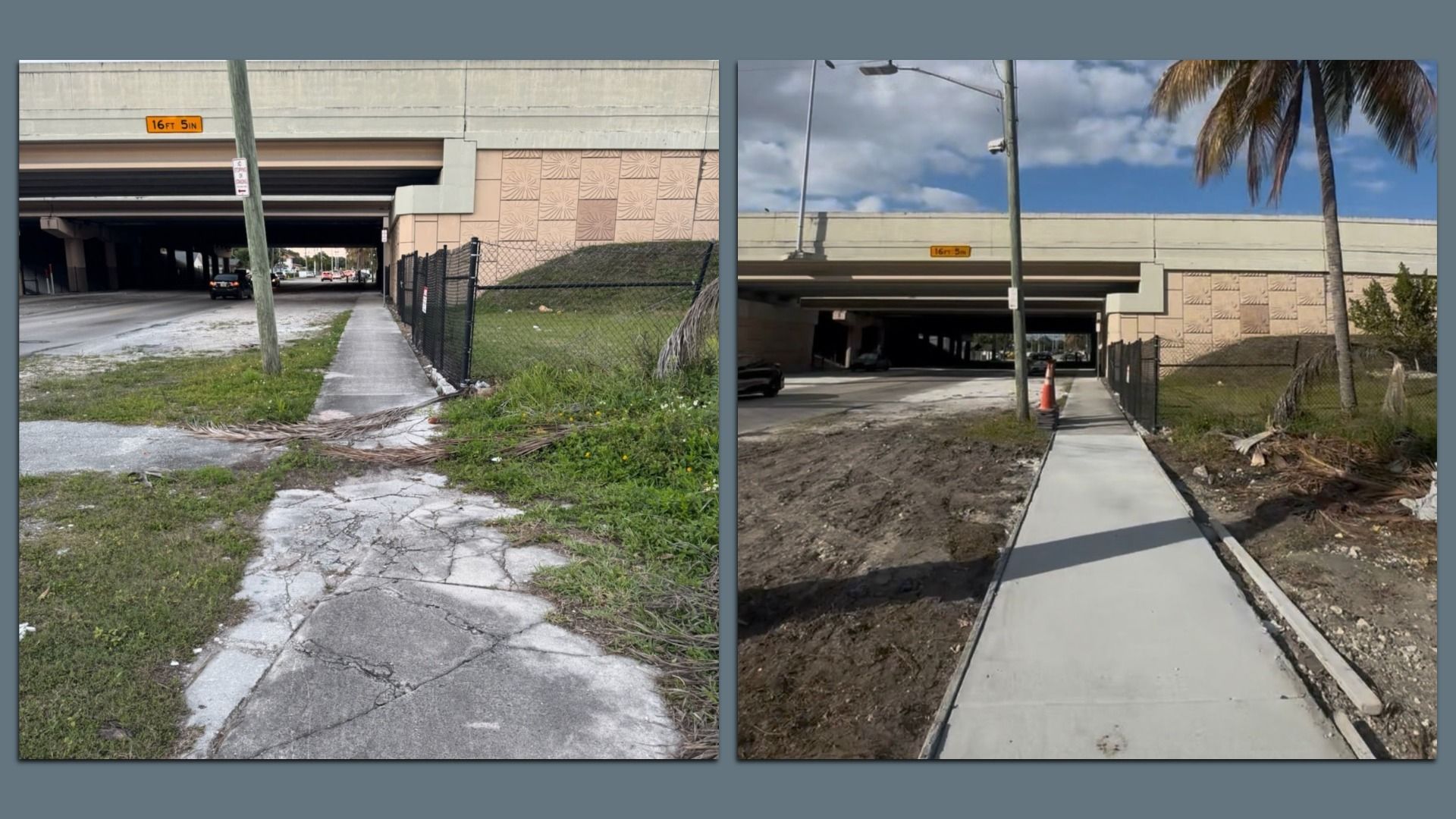
The sidewalk on Northwest 29th Avenue, shown before and after its repair. Photos: Courtesy of Patricia Garcia
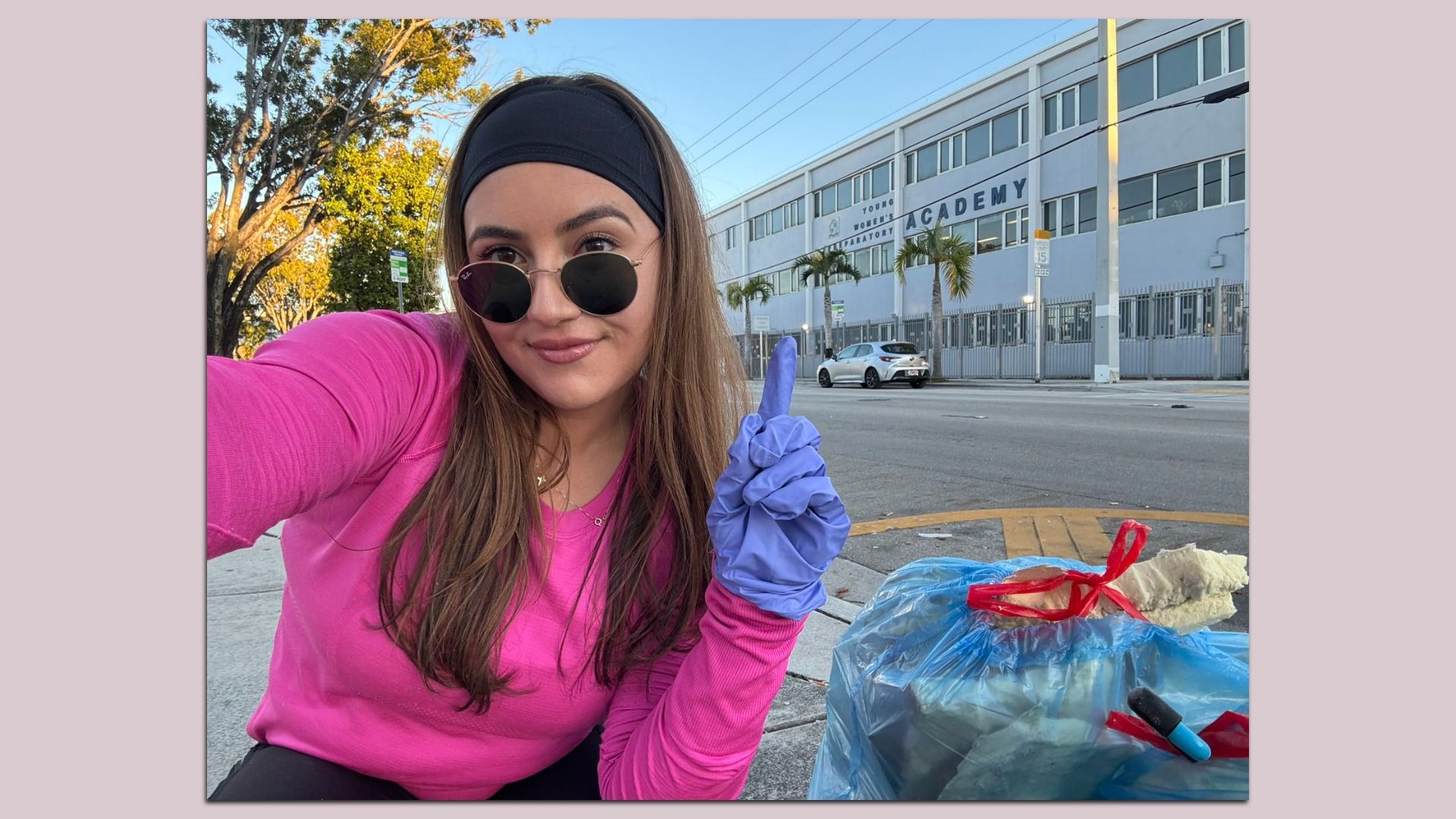
Miami civic advocate Patricia Garcia has turned neighborhood trash-picking walks into a broader push for accessible sidewalks and responsive government.
Why it matters: Her work shows how one resident armed with persistence and social media skills can help bring change.
Catch up quick: The 27-year-old Little Havana resident — who works as a product manager and teaches at Miami Dade College — began her litter-picking walks in 2024 after returning from a Fulbright scholarship to the United Kingdom.
- "I was seeing my own neighborhood with fresh eyes, and the contrast was stark," she said.
- On her Instagram and TikTok, she documents everything from illegal dumping to nonexistent sidewalks that force pedestrians to walk on the street — and then reaches out to Public Works and city leaders to seek a fix.
Axios spoke with Garcia about her mission.
This conversation has been edited for clarity.
What are the main focuses of your civic advocacy?
- "My background is in engineering, and the one lesson I carry everywhere is that when you design for the most vulnerable population, you design for everyone."
- "That principle is the heart of my work, which is really about equitable infrastructure in communities that deserve the same investment as everywhere else."
- "Often that's sidewalks, crossings, drainage and access, but it can be anything that shapes how safe, healthy and dignified it is to live in a place."
What have been your biggest accomplishments?
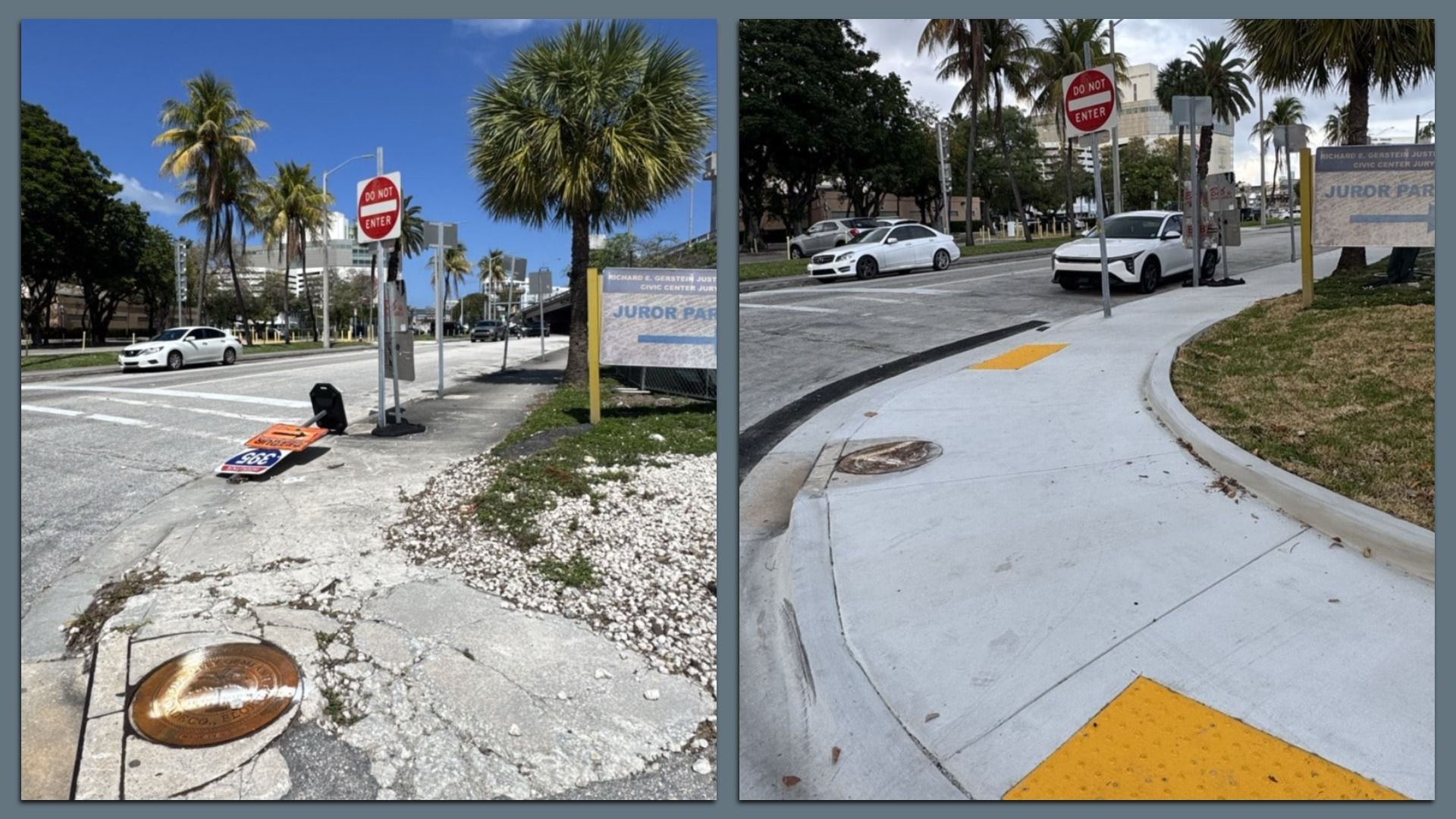
- "The one I point to most is that sustained documented advocacy has helped fund sidewalk projects and create accessible pathways across my Little Havana neighborhood and the Medical District."
- "I try to be a voice for the places I spend time in, too, like the University of Miami medical campus and the River Landing plaza."
- "It's a rewarding, and sometimes sad, feeling to pull up a Google Maps image from five, 10 or 20 years ago and know I'm playing a small role in making my city's infrastructure more equitable, because for so long it just wasn't."
- "But the most heartwarming part is when people reach out to tell me what it has meant to them."
What have been your biggest challenges?
- "The biggest challenge is the mindset I run into constantly — the 'it's always been this way' and 'that's just the way Miami is' resignation that so many people carry. That acceptance is harder to move than any single pothole or missing sidewalk.
- "I hold no office, so everything relies on documentation and persistence rather than authority, but my real hope is that people start to realize they have a voice too."