Biscayne Bay's health shows little improvement, report says

Add Axios as your preferred source to
see more of our stories on Google.
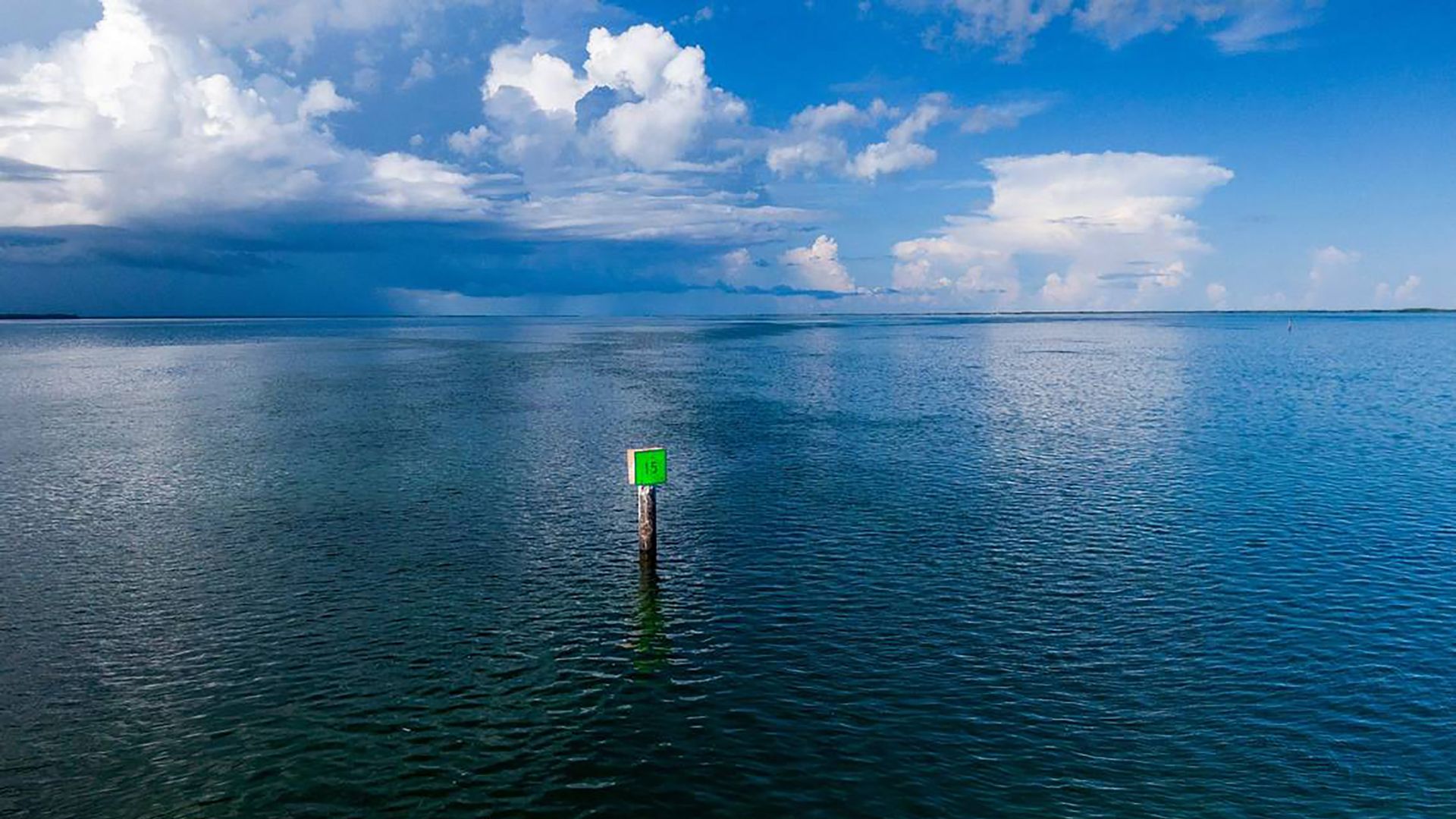
Biscayne Bay waterway's health hasn't improved much since last week. Photo: Pedro Portal/Miami Herald/Tribune News Service via Getty Images
The health of Biscayne Bay, the shallow estuary that runs along South Florida's east coast, remains grim, according to the 2026 Biscayne Bay Report Card, released Tuesday.
Why it matters: The bay's health is vital for Miami-Dade County, both economically and environmentally, as it's home to a host of species and contributes about $64 billion to the county's economy.
The big picture: The report, conducted annually since 2018 by Miami-Dade County's Department of Environmental Resources Management, analyzes water quality and habitat in an easy-to-understand format.
- It's used to identify action items to protect the bay and also serves as a data source to see which initiatives and investments have worked — and which haven't.
State of play: While some coastal areas have improved from previous years, all regions remain in poor or fair health, meaning they have some or considerable water quality and ecological degradation, per the report.
- Many areas, particularly in the northern regions of the bay, show "high levels of nutrient and bacteria pollution that exceed established criteria," the report said.
Yes, but: Some areas, including the Oleta Canal, have improved from poor to fair, with water clarity improving or remaining mostly stable.
- Moreover, seagrass recovery in some areas around northern Biscayne Bay is underway — "a big deal," Omar Abdelrahman, MDC's senior section manager, water resources, told Axios.
- Seagrass not only feeds manatees but reduces the force of waves, especially during storms, and the resulting erosion, he explained.
Between the lines: The top reasons for increased levels of nutrients and bacteria in the bay are rainwater — which often contains fertilizer, trash and animal feces — sediment runoff, and pollution.
- Aging infrastructure and leaky septic tanks are also to blame, researchers said.
What they're saying: "The community really needs to continue to step up," DERM director and chief resilience officer Loren Parra told Axios.
- "These waterways are under unprecedented pressures and require sustained and constant focus," she said.
- Residents need to remember to scoop their animal's poop, avoid throwing oil down the drain, and avoid using lawn fertilizer during the rainy seasons.
Friction point: Still, a bigger challenge is coordinating improvement efforts across municipalities and state and federal governments.
- "All of our cities and municipalities need to be making infrastructure improvements and storm water system [upgrades], but we know that's expensive," Parra said.
- The City of Miami recently delayed a vote on Mayor Eileen Higgins' $450 million bond to improve county building infrastructure.
What's next: On Wednesday, local municipalities, businesses, nonprofits and academic institutions will gather at the biannual Biscayne Bay Health Summit to address what is and isn't working.