Zumba started in Miami 25 years ago. How it became a global dance workout movement

Add Axios as your preferred source to
see more of our stories on Google.
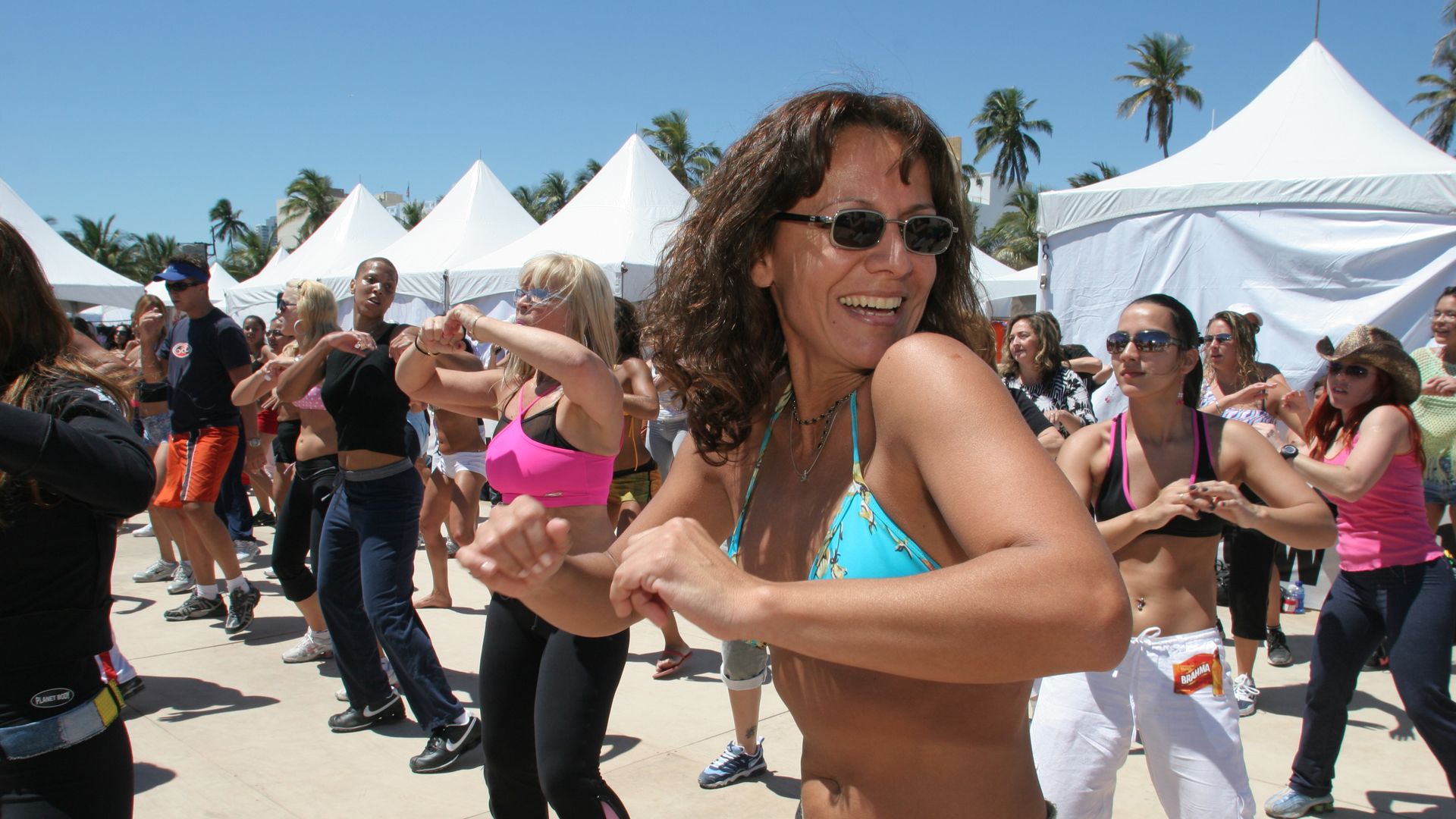
A Zumba class at a festival in Miami Beach in 2005. Photo: Jeffrey Greenberg/Universal Images Group via Getty Images
Before Zumba became a global dance fitness sensation, it was gaining steam in 2001 as a "rhumba-cise" class in Aventura that the women in Alberto Perlman's family could not stop talking about.
- Perlman — who eventually became Zumba's CEO — knew that instructor Alberto "Beto" Perez's Latin-inspired aerobics class could go global.
- "When I met him, there were lines out the door, it was almost like he was giving away iPhones or something. It was insanity," Perlman tells Axios.
Why it matters: From an Olympia Gym in Aventura to over 180 countries around the world, Zumba's 25-year rise is a Miami success story, and it continues from the company's Hallandale Beach headquarters.
How it happened: Perez, the creator of Zumba, was teaching an aerobics class in Colombia when he forgot his music at home. So, he swapped in a dance-mix CD and began improvising steps for his students to follow.
- Rhumba-cise was born. After moving to Miami and launching his classes in Aventura, Perez partnered with Perlman and fellow co-founder Alberto Aghion to begin selling VHS workout tapes on TV.
- High demand for in-person classes led the founders to recruit instructors, who pay a monthly fee to receive marketing material, music and choreography.
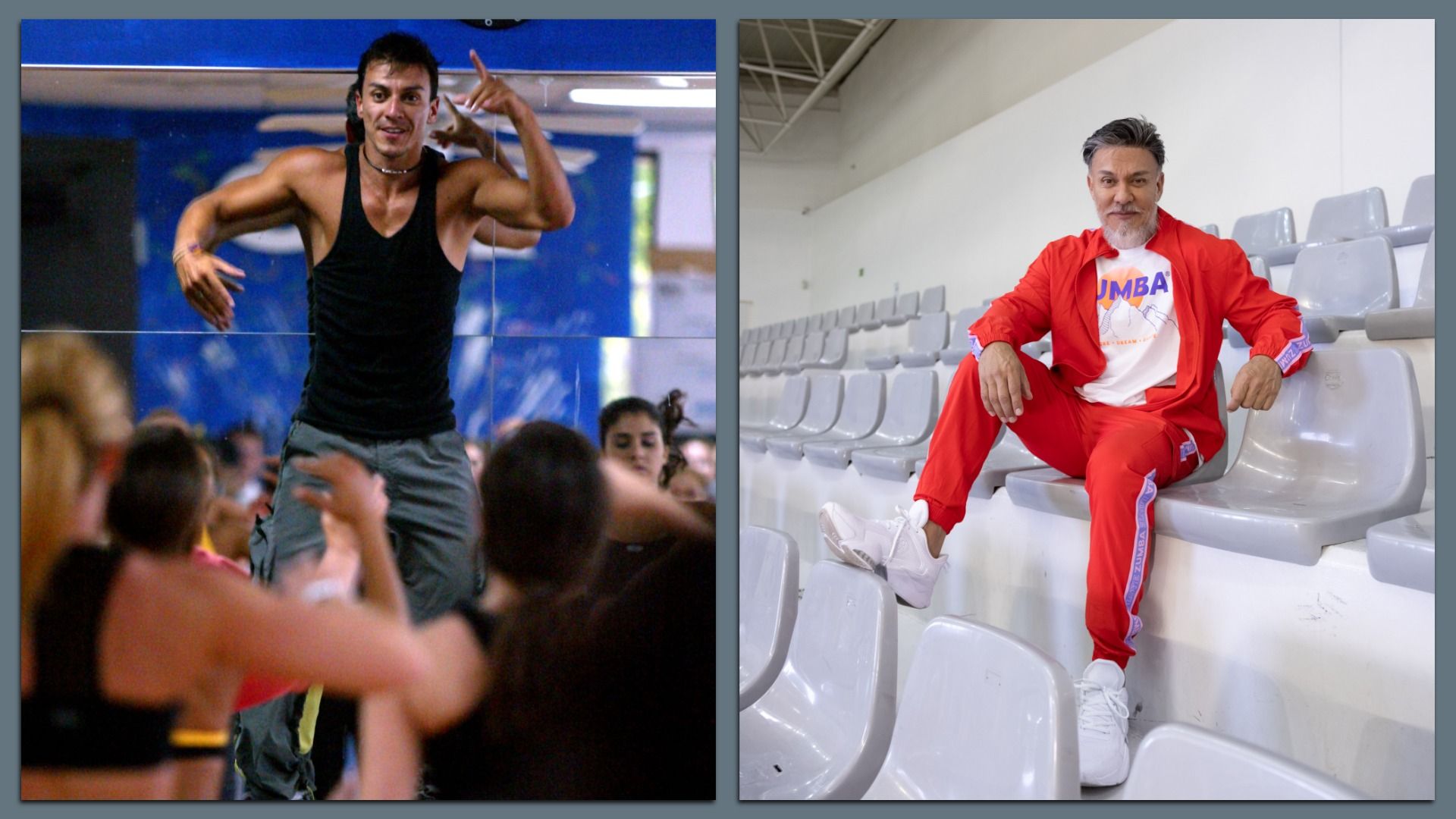
Perlman said Zumba emerged at a time when Latin music and fitness were both surging in popularity in the U.S. It was also around the time of the September 11 terrorist attacks.
- "Zumba was a place for people to come together and enjoy themselves."
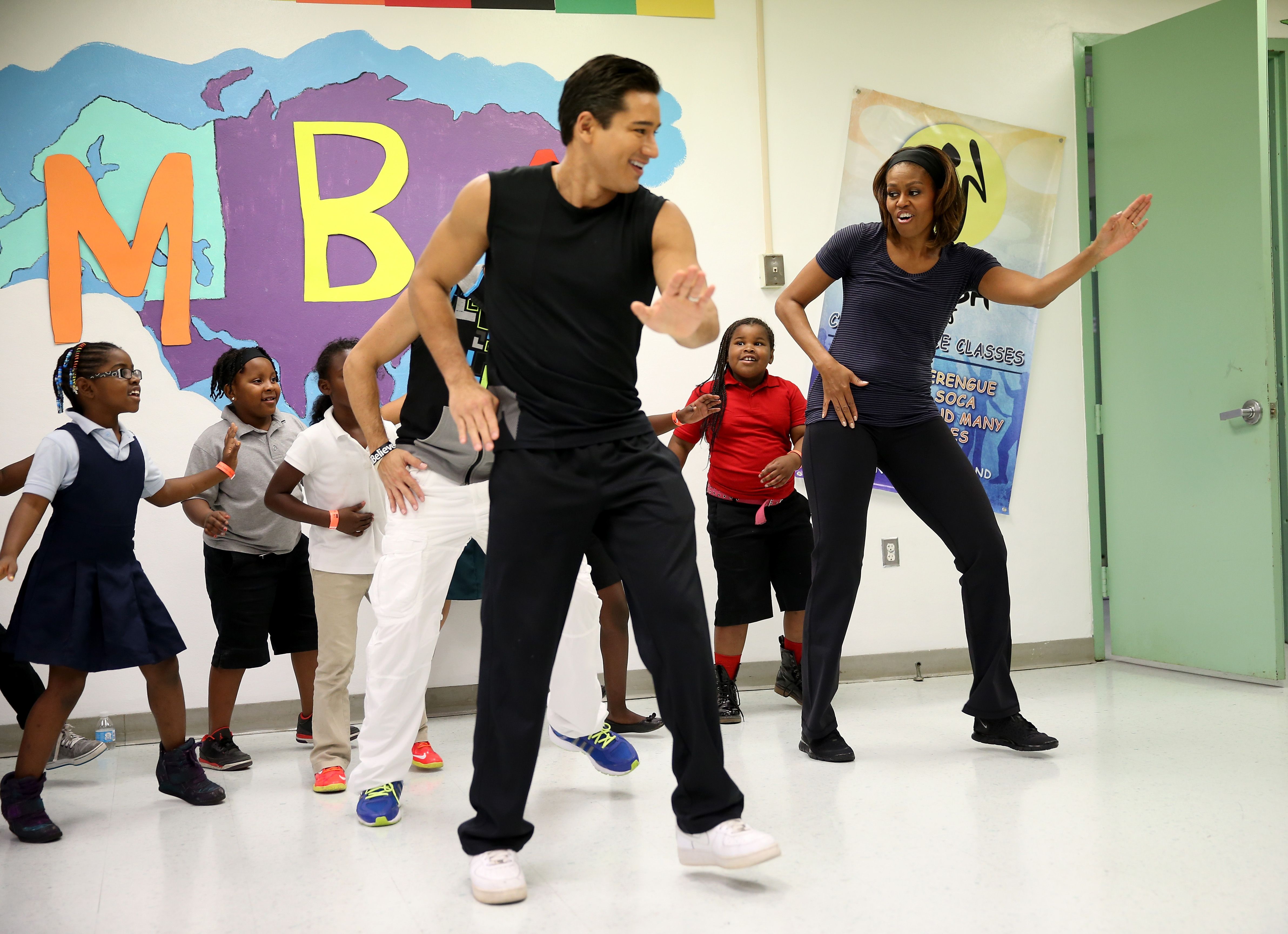
Stunning stat: Perlman says Zumba instructors have taught over 465 million classes over the past 25 years.
- What separates Zumba from other aerobic fitness classes is that you don't have to be a good dancer to do it, Perlman said.
- "It is not about performing; this is about making the people in the class feel successful."
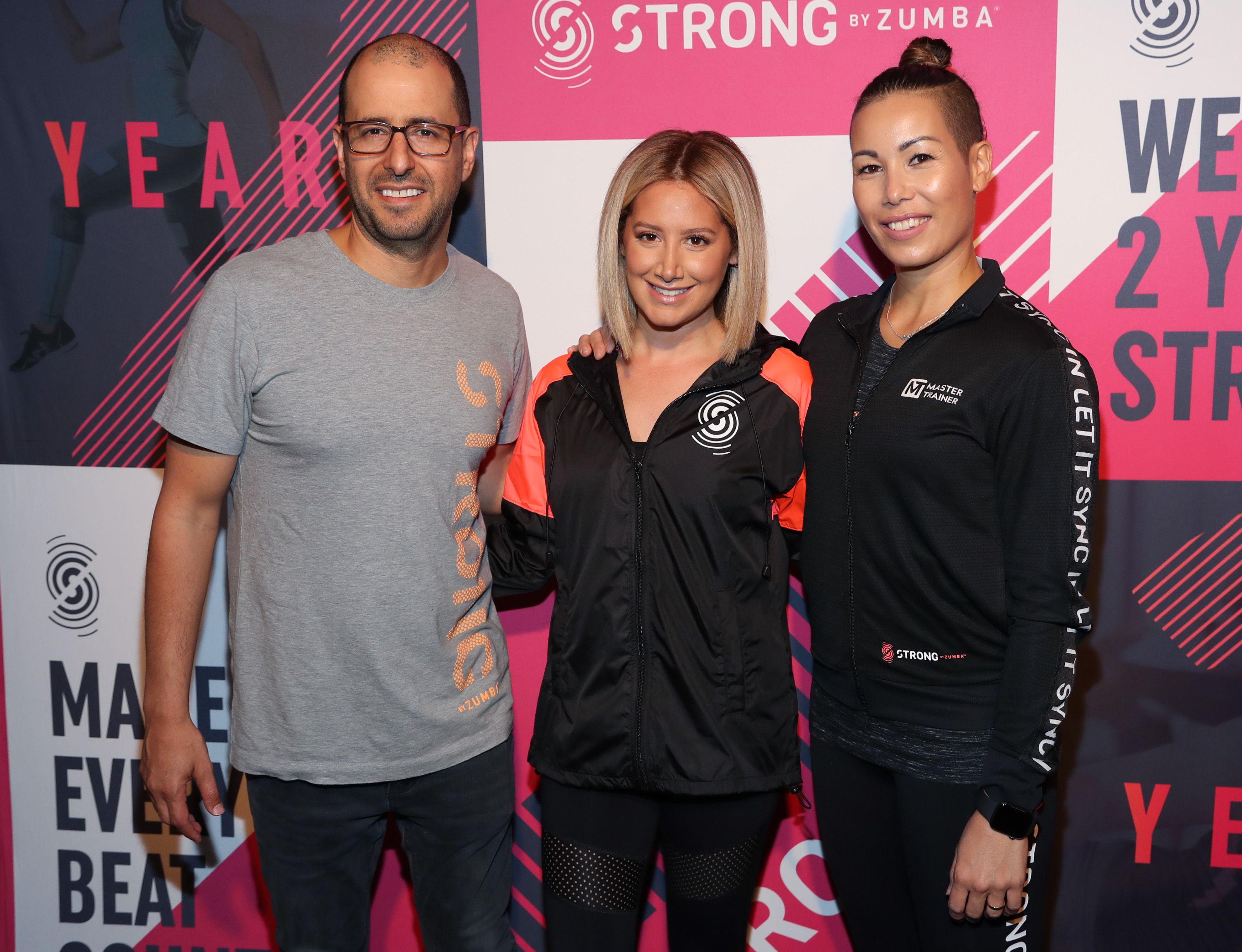
The bottom line: Miami's strong Latin American community helped make Zumba a success, Perlman has said.
- "Miami is part of our DNA."