Miami ICE leads U.S. in arrests, driven by local cops' cooperation


Add Axios as your preferred source to
see more of our stories on Google.
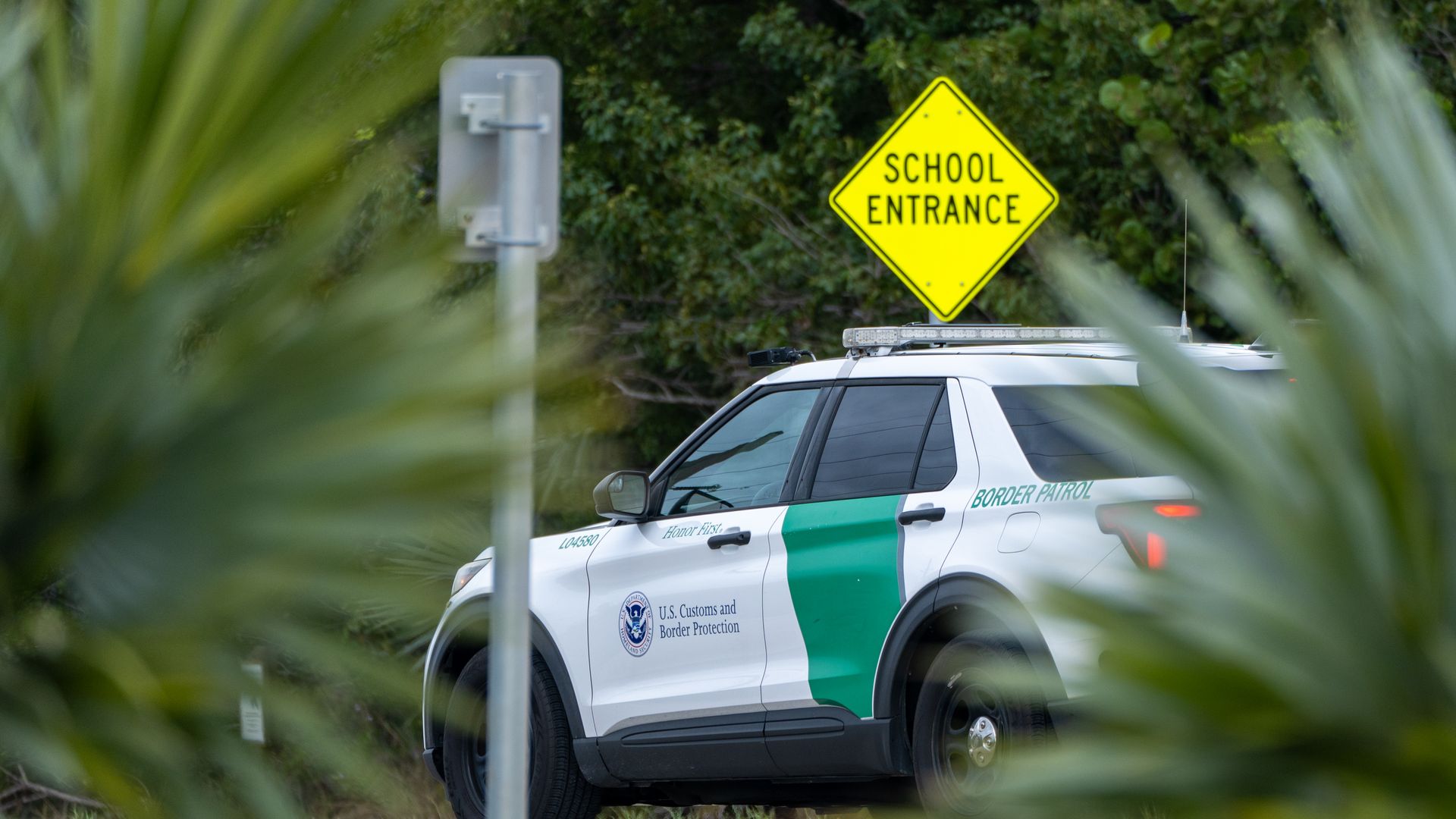
A U.S. Customs and Border Protection vehicle patrols the Overseas Highway on Big Pine Key near the entrance of a school. Photo: Jen Golbeck/SOPA Images/LightRocket via Getty Images
Immigration arrests in Florida have skyrocketed under President Trump, an increase local advocates attribute to how the state's police departments have partnered with Immigration and Customs Enforcement.
Why it matters: While South Florida hasn't seen the high-profile raids or large protests that drew widespread attention to other communities, data shows the region is a national hot spot for immigration enforcement.
- "Their tactics may seem quieter than they seemed in Minneapolis, but they're just as devastating on the families' lives that they're ruining," Miami Mayor Eileen Higgins recently told the Miami Herald.
State of play: Since Trump took office in 2025, ICE's Miami field office has conducted more than 41,300 arrests — more than any other field office in the country, according to the New York Times.
- Miami's field office includes all of Florida, Puerto Rico and the Virgin Islands.
- Between mid-December and early March — when the administration launched high-profile enforcement actions in Minneapolis — ICE's St. Paul field office arrested about 5,000 people.
- Miami's office reported nearly 10,000 arrests during the same period, the Times reported.
What they're saying: "They don't need to have big raids or big events to detain people," Adelys Ferro, executive director of the Venezuelan-American Caucus, told Axios.
- "The coordination with local police makes it easy [for ICE]," she said.
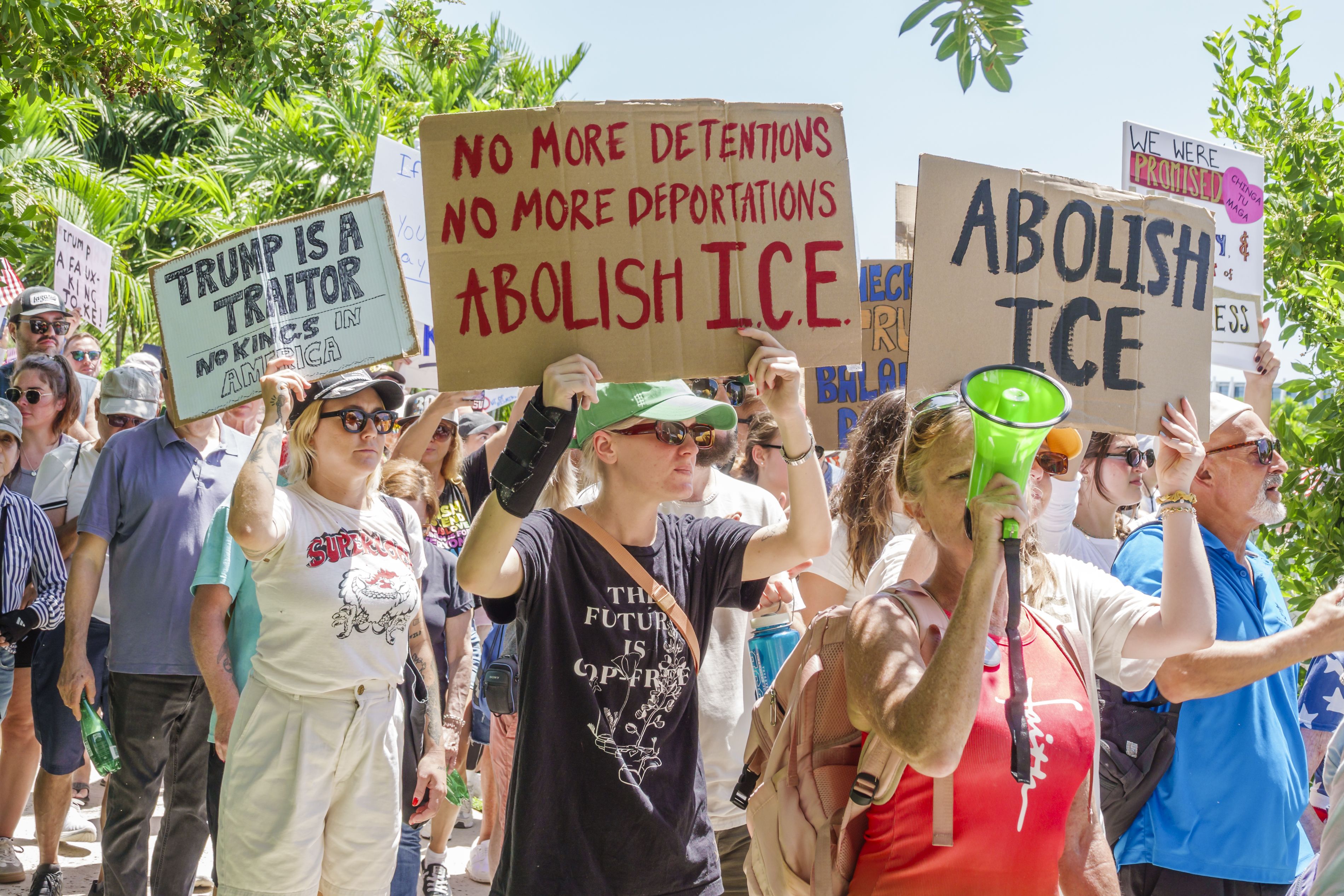
Zoom in: Across Florida, police departments, local jails and state agencies like the Florida Highway Patrol have signed 287(g) agreements that empower officers to enforce immigration laws or hold suspects for ICE.
- Florida leads the nation with 325 agreements, a 577% increase since 2025, according to ICE.
- The cities of Miami, Doral, Hialeah, Coral Gables and Homestead all have ICE agreements.
The big picture: Hector Diaz, a Miami immigration attorney, tells Axios he's defended more deportation cases since Trump took office than he did under the Biden administration.
- He says a 2025 Supreme Court decision allowing immigration officers to consider factors like race and language as grounds for immigration stops has blurred the lines of enforcement.
- "Now, if [a police officer] thinks that you're here undocumented, he can bypass all those constitutional safeguards that American citizens have," he said.
Case in point: Diaz and Ferro say police have been profiling work trucks and calling ICE during traffic stops for minor infractions, like an expired registration or driving without a license.
- Many of Diaz's clients have been detained during traffic stops, even when they're not driving, he said.
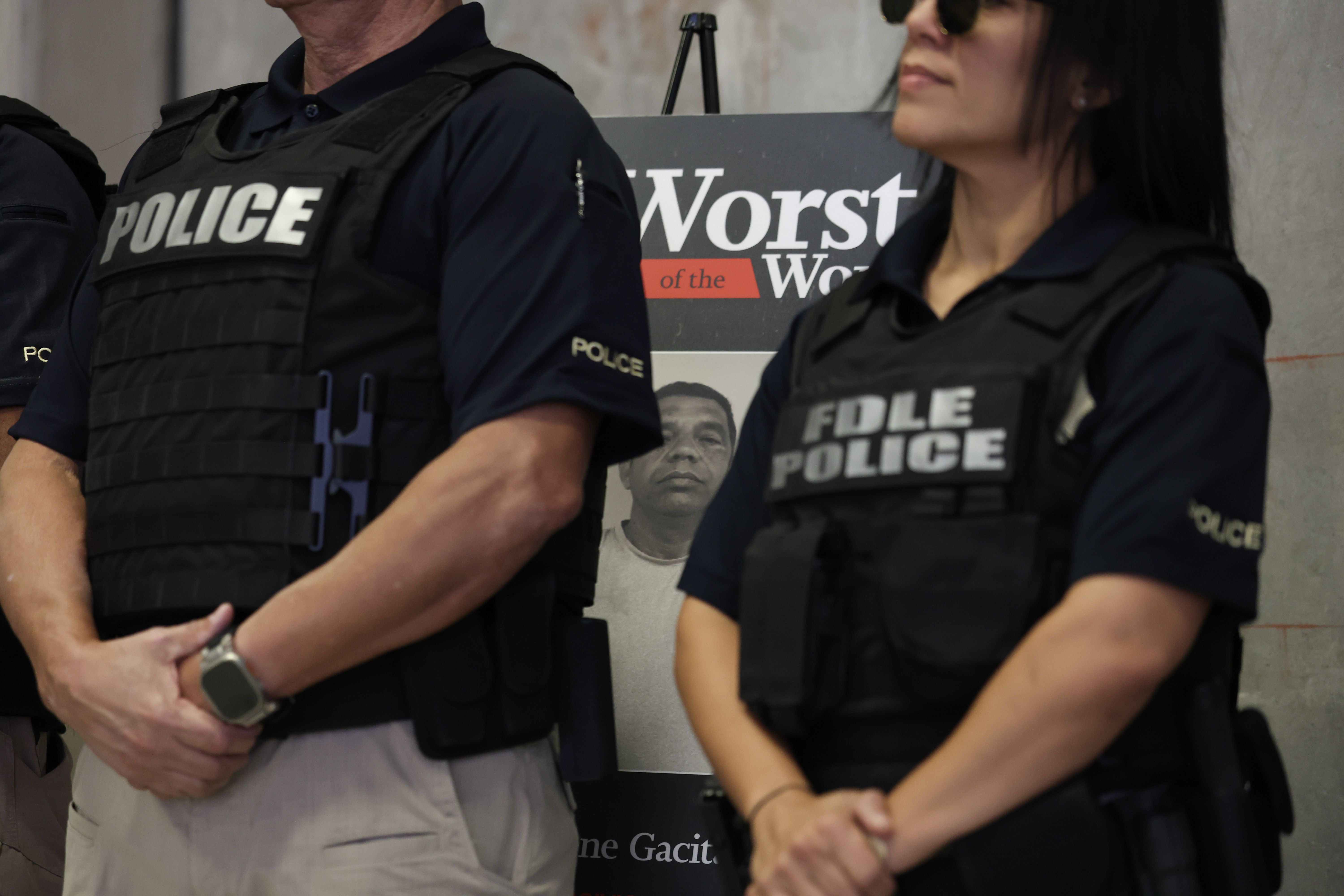
The other side: An ICE spokesman tells Axios that the agency's efforts focus on "targeting individuals with criminal convictions or pending criminal charges in the United States."
- Between January 2025 and March 24, 2026, ICE and Homeland Security Investigations have made nearly 43,000 administrative and criminal arrests in Florida alone, the spokesman said.
- "ICE Miami's success is closely linked to strong partnerships with state and local law enforcement agencies," the spokesman said.
Zoom out: Diaz says he's had clients detained who have active asylum claims or Temporary Protected Status, driver's licenses, work permits and future court dates scheduled.
- These clients, Diaz says, were regularly reporting to ICE's South Florida headquarters in Miramar and cooperating with the agency.
- Once his clients are in detention, Diaz says, many are being denied bond or being transferred to different cities, leading many to self-deport.
The bottom line: Diaz says he tells his clients to have their documents in order, so they can at least present a case if they are stopped, but sometimes that isn't good enough.
- "The anxiety that they're feeling now is the anxiety that they felt before leaving their countries."