Third Horizon Film Festival pushes boundaries with Caribbean stories

Add Axios as your preferred source to
see more of our stories on Google.
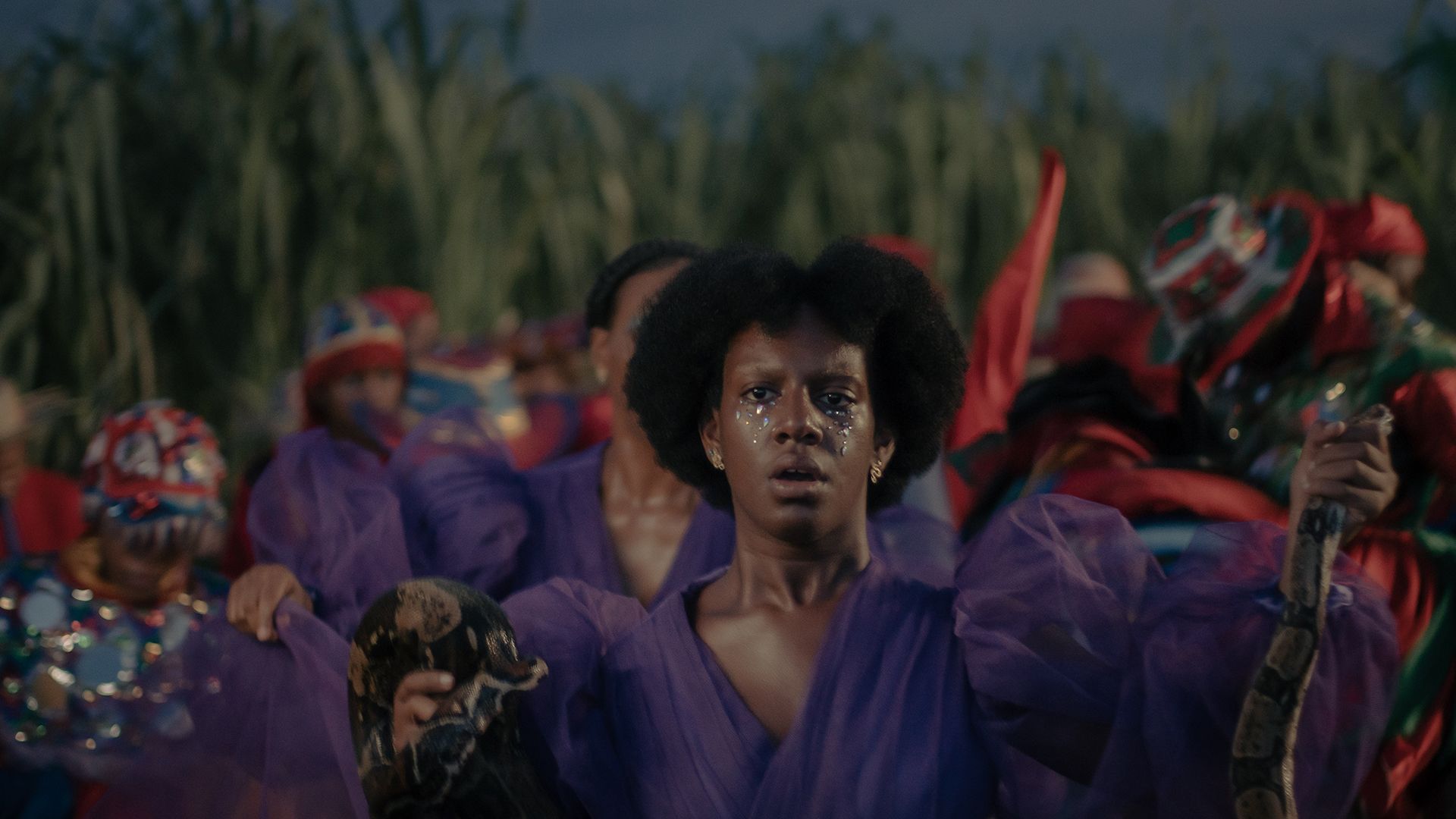
A still image from the film "Sugar Island." Photo: Courtesy of Third Horizon Film Festival
For Jonathan Ali, the Third Horizon Film Festival is a platform — one that elevates "cutting-edge Caribbean cinema" and showcases the region, its politics and its diaspora.
Why it matters: Since its inaugural year in 2016, Ali, the event's director of programming, said the festival has built a reputation for featuring works that push boundaries and wouldn't otherwise be shown in Miami.
Driving the news: The festival's eighth edition begins Thursday night and runs through the weekend, with multiple daily screenings at the Koubek Center.
- The event's opening film, screening Thursday night at the Pérez Art Museum Miami and followed by an opening party, is "Koutkekout (At All Kosts)," a documentary from Haiti by director Joseph Hill.
State of cinema: This year's festival is built around a retrospective of restored films, Ali explained, comprising four films that center themes of labor and workers' rights.
- "You Don't Get Freedom, You Take Freedom: Caribbean Activist Cinema 1978–1985," includes four films: three documentaries, featuring stories from Haiti, Jamaica and Suriname, and a fiction feature.
What they're saying: "What they all have in common, in particular the three documentaries, is that they focus on the struggle of workers' rights, labor organizing and people's struggles against often-oppressive capitalistic systems of labor and work," Ali said.
- The fourth film, "West Indies: The Fugitive Slaves of Liberty (1979)," is part musical, part theatre, and examines nearly 400 years of colonialism in the Caribbean.
- That film will close out the festival with a Sunday night screening.
In curating this year's lineup, the festival aimed to use cinema as a "socially and politically disruptive tool," though the event itself is not tied to any particular political moment, Ali said.
- "For us, as Caribbean and diaspora artists and curators, we have always believed in and championed the political possibility of art," whether that's sparking conversation or the imagination, he said.
- The region's "history of colonialism, exploitation and a longstanding process of resistance and resilience" is "reflected in the films we show and the art we platform," he added.
What we're watching: This year's lineup also includes new and recent films, mostly documentaries, from different countries, free-to-attend panels with filmmakers and events around the city.
- Plus, this year's festival includes "something we've never really done before," said Ali: A multimedia live performance with "A Freedom Struggle: Looking for Lucrecia Pérez."
- The live performance, by Dominican artist and filmmaker Génesis Valenzuela, examines the "challenge of investigating the colonial wound" and how it presents currently in the body. (Valenzuela will participate in a Q&A after the performance.)
The intrigue: The festival's organizers deliberately keep it short and intimate. Despite it lasting just a few days, there is no counterprogramming, meaning no films overlap in screen time.
- "We want people to be experiencing things together in solidarity and community," Ali said.
If you go: Tickets for Thursday night's opening night screening and party, $14+.
- Tickets for all other screenings are $8 for seniors and kids, $15 for general admission.
- Screen times vary. Film schedule here.