Miami-Dade schools brace for possible funding cuts, shortfalls

Add Axios as your preferred source to
see more of our stories on Google.
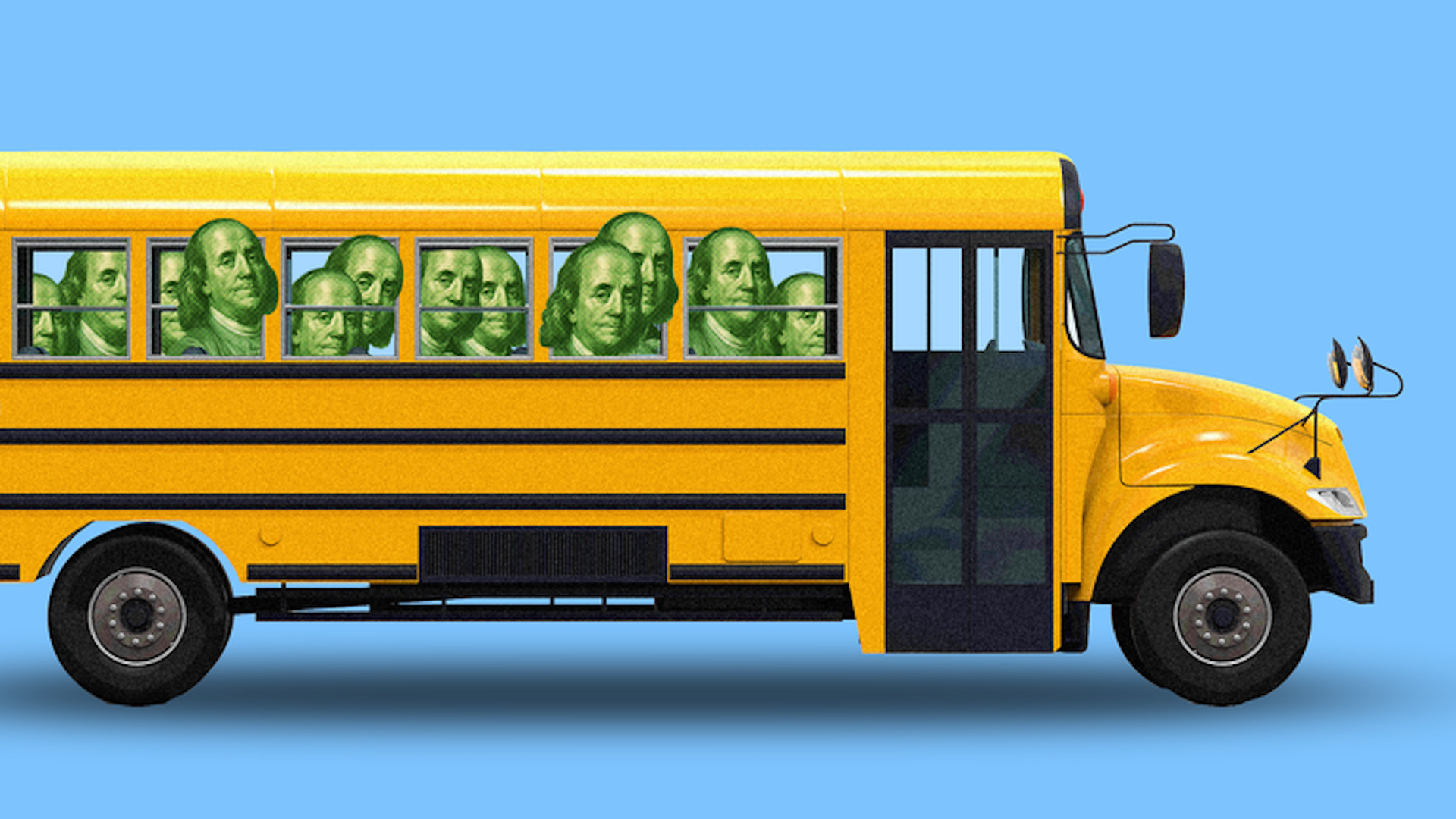
Illustration: Rebecca Zisser / Axios
As Miami-Dade County Public Schools officials begin the budget process for the 2025-26 school year, they could see a shortfall of about $50 million.
The big picture: Across the state, public school districts are positioned to lose money because of declining enrollment — the result of the state's growing voucher program.
- In Miami-Dade, enrollment is projected to decrease by more than 5,500 students next year.
- Statewide, scholarships are projected to grow by 25%, or 90,000 students.
Why it matters: The district already has a hiring freeze for non-teacher or school-related positions. But if projected budget gaps hold, district officials warn there could be "drastic changes," such as job cuts.
Driving the news: Last week, lawmakers in the Florida House and the Senate approved proposed budgets, with cuts to education funding statewide.
- The chambers' proposals differ on how much funding should be allocated to things like teacher pay, but the overall allocation in both falls short of what district officials say they need to at least maintain the status quo.
Miami-Dade officials said they're "hopeful" the final budget, on which the chambers will need to reach consensus before the end of the session, will result in a more positive outlook for the district.
- Last year, the district was in a relatively similar situation at this stage — "though not as bad," Miami-Dade Schools Chief Financial Officer Ron Steiger told Axios — and the chambers increased funding before finalizing the budget.
State of play: The budget proposal in the House increases per student spending statewide by 0.7%, while the Senate's does so by 1.5% — both significantly lower than 2.4% increase the district needs to "keep our heads above water," per Steiger.
- Inflation, he said, is projected to be 2.3% for the next 12 months.
Zoom in: Unlike prior years, the Senate and the House aren't making an investment in mental health services.
- Those allocations, Steiger recently told school board members, are what the district uses to increase its investment in those services. Without them, "it'll be very difficult for us to continue that pattern," he recently told school board members.
Meanwhile, allocations for special needs programs are also projected to go down, though Steiger emphasized that lower funding for these services wasn't state lawmakers' intent.
Between the lines: Funding for special needs students is set by the federal Department of Education, based on reports provided by each district.
- Because more students are obtaining the state's scholarship vouchers, the reports show the district is spending less money overall on special education, resulting in decreased federal allocation requirements.
Zoom out: Other programs, like IB and AP classes, could also see funding cuts, but the impact of those decreases would be seen more in the potential growth of those programs, not endanger the programs themselves.
- "There's no threat to [these programs] going away," he told Axios. But it's possible schools will reduce the number of class periods available for each, or, more likely, class sizes will get larger.