Miami coffee shops may raise prices due to Trump tariffs

Add Axios as your preferred source to
see more of our stories on Google.
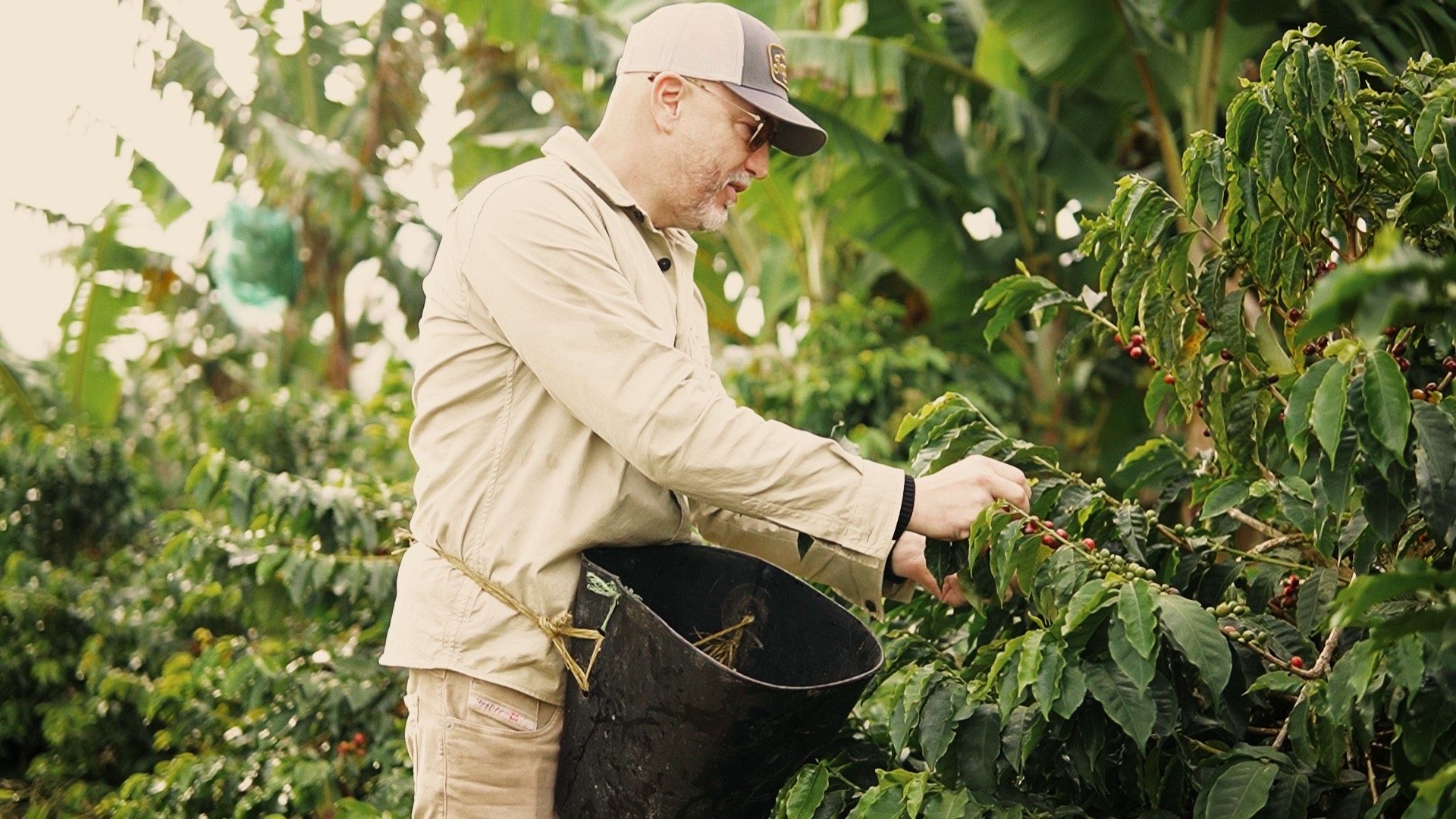
Matt McKenna, owner of Imperial Moto. Photo: Courtesy of McKenna
Your next cup of coffee might cost a latte, as Miami coffee roasters brace for increased importing costs from U.S. tariffs.
Why it matters: Coffee prices hit a 50-year high last year and the U.S. market is especially vulnerable to tariffs because it relies on foreign countries for 99% of its coffee supply, per the National Coffee Association.
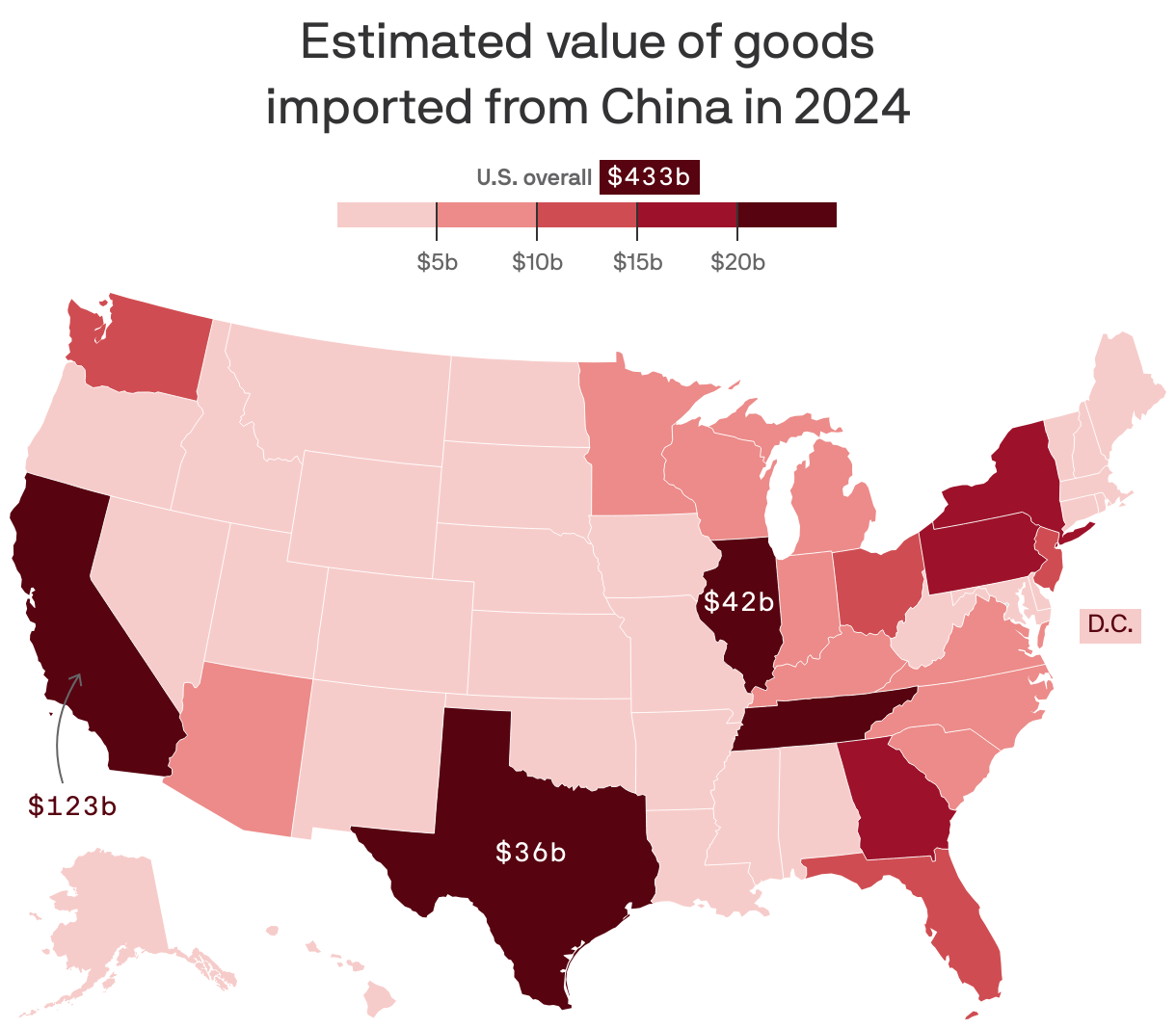
The latest: President Trump issued a 90-day pause Wednesday on some tariffs, but a universal 10% tariff remains in effect for all foreign goods, while at least a 145% upcharge is now in effect for Chinese imports.
Axios spoke with the owners of Panther Coffee, Imperial Moto, Vice City Bean and Escondido Speciality Coffee Roasters to ask how they're responding.
What they're saying: Panther Coffee co-founder Joel Pollock tells Axios he may need to raise prices but it's still "a little early to tell."
- "At the end of the line, it's a possibility. We all wait until the last possible minute to raise prices."
- Panther Coffee, a roaster and wholesale distributor that also operates six Miami cafés, sources its raw beans from countries like Nicaragua, Colombia and Brazil, which all now carry a 10% tariff.
- In his 30 years in the coffee business, Pollock says he's never seen so much uncertainty in the market, as tariffs compound already-surging coffee prices.
Case in point: Nicaragua originally had an 18% tariff until Trump paused most reciprocal tariffs, leaving the 10% baseline tariff in its place.
- "The market already was pretty wild but with an artificial input like this, it's kind of science fiction," Pollock said.
Vice City Bean owner Roland Baker, who runs three coffee shops around Miami with a fourth on the way, says tariffs will eventually hit consumers.
- "These costs will be passed along in price increases to everyone and that will be passed along to the end consumer at some point," he wrote in an email.
- He says he will review his costs and pricing and make necessary adjustments to "remain operational."
- Baker — who sources beans from countries like Ethiopia, Colombia and Nicaragua — says he hopes Trump exempts coffee from tariffs because domestic production can't meet U.S. demand (The National Coffee Association is lobbying for just that).
Between the lines: Tariffs won't just hit coffee roasters in their beans.
- The costs of disposable paper and plastic products — think paper cups and product packaging — will increase too. So will merchandise made with foreign materials.
Matt McKenna, owner of Imperial Moto, says that on top of operating three coffee shops in South Florida, his company distributes coffee to about 50 supermarkets and 100 restaurants — including Joe's Stone Crab and Pura Vida.
- Most coffee packaging, he says, comes from China, whose 145% tariffs would essentially double his packaging costs.
- Going forward, he says he will be looking to source paper and plastic products from the U.S.
- In the short term, McKenna says Imperial Moto will absorb any cost increases to avoid raising prices.
- "We're taking it a day at a time literally. We're not gonna make any changes, we're gonna absorb whatever comes our way for at least the next six months."
Milan Sljivich, owner of Escondido Speciality Coffee Roasters, says he wonders whether higher costs will lead to lower quality coffee or a slight decline in the specialty coffee sector.
- Sljivich, a wholesale distributor, says he has already seen importers raising their prices and he may follow suit.
- "The impact is now."