Stonewall National Museum says anti-LGBTQ policies have led to financial trouble

Add Axios as your preferred source to
see more of our stories on Google.
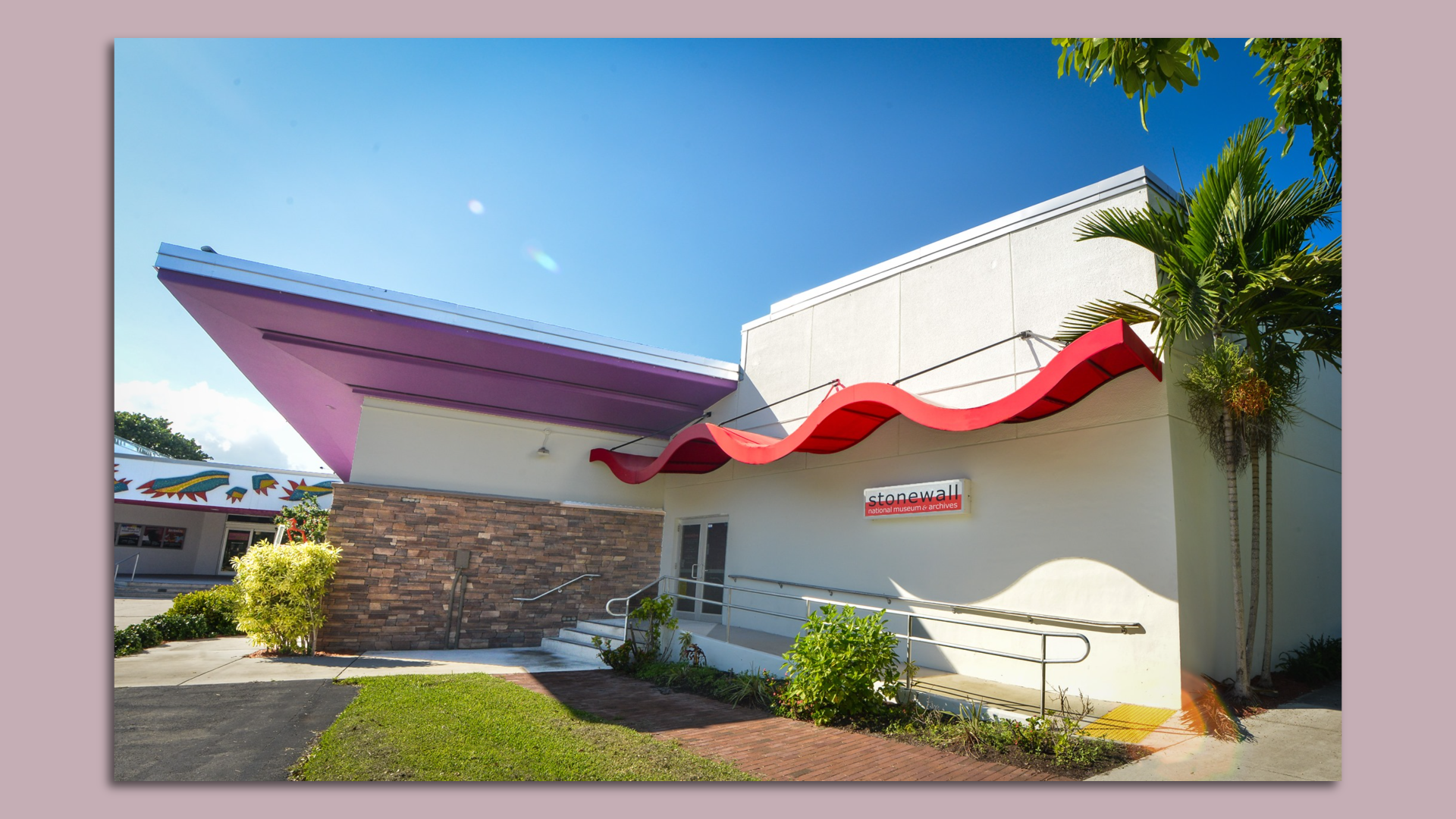
The Stonewall National Museum, Archives & Library. Photo: Courtesy of the museum
South Florida's leading LGBTQ museum and archive says it's been effectively cut off from state, federal and corporate funding due to anti-LGBTQ policies from Tallahassee and the White House.
Why it matters: The Stonewall National Museum, Archives & Library, which has been operating for more than 50 years, estimates that more than half of its $1 million operating budget is now at risk.
What they're saying: Robert Kesten, CEO of the Fort Lauderdale-based museum, tells Axios that government policies targeting the LGBTQ community and diversity, equity and inclusion (DEI) programs have spooked corporate donors.
- "This is stretching into places that we really have not seen before," Kesten said. "Our future is threatened now."
Catch up quick: Gov. Ron DeSantis struck the first blow last year when he vetoed grant funding for Florida arts and cultural organizations, including about $100,000 for the museum, Kesten says.
- President Trump's executive orders combatting DEI — including banning "equity-related" federal grants and investigating private companies' DEI policies — have put federal and corporate funding at risk, Kesten says. (A judge temporarily blocked Trump's DEI orders last week.)
Case in point: Two weeks ago, Kesten says, the museum received a $50,000 federal grant from the National Endowment for the Arts for educational programs and exhibits — but he doubts the museum will receive another grant given the NEA's new priority of celebrating the 250th anniversary of American independence.
- The museum's annual gala fundraiser, which is Saturday, has only one corporate sponsor, compared with six to 10 in previous years, according to the Miami Herald. About a fourth of the seats remain unsold.
- The museum has four open positions it can't currently fill.
- Some prospective board members now hesitate to join the nonprofit because they need approval from their employers, he added.
What's next: Kesten says the museum will continue its mission of protecting, defending and sharing the resources in its archive and library because there's "never been a more important time to know your history."
- He encourages members of the community to donate to the museum if they can.
- "We will be stronger and better than we were before. One way or another, we will be here."