“Miami Vice” celebrates 40 years. How the TV show shaped Miami’s brand

Add Axios as your preferred source to
see more of our stories on Google.
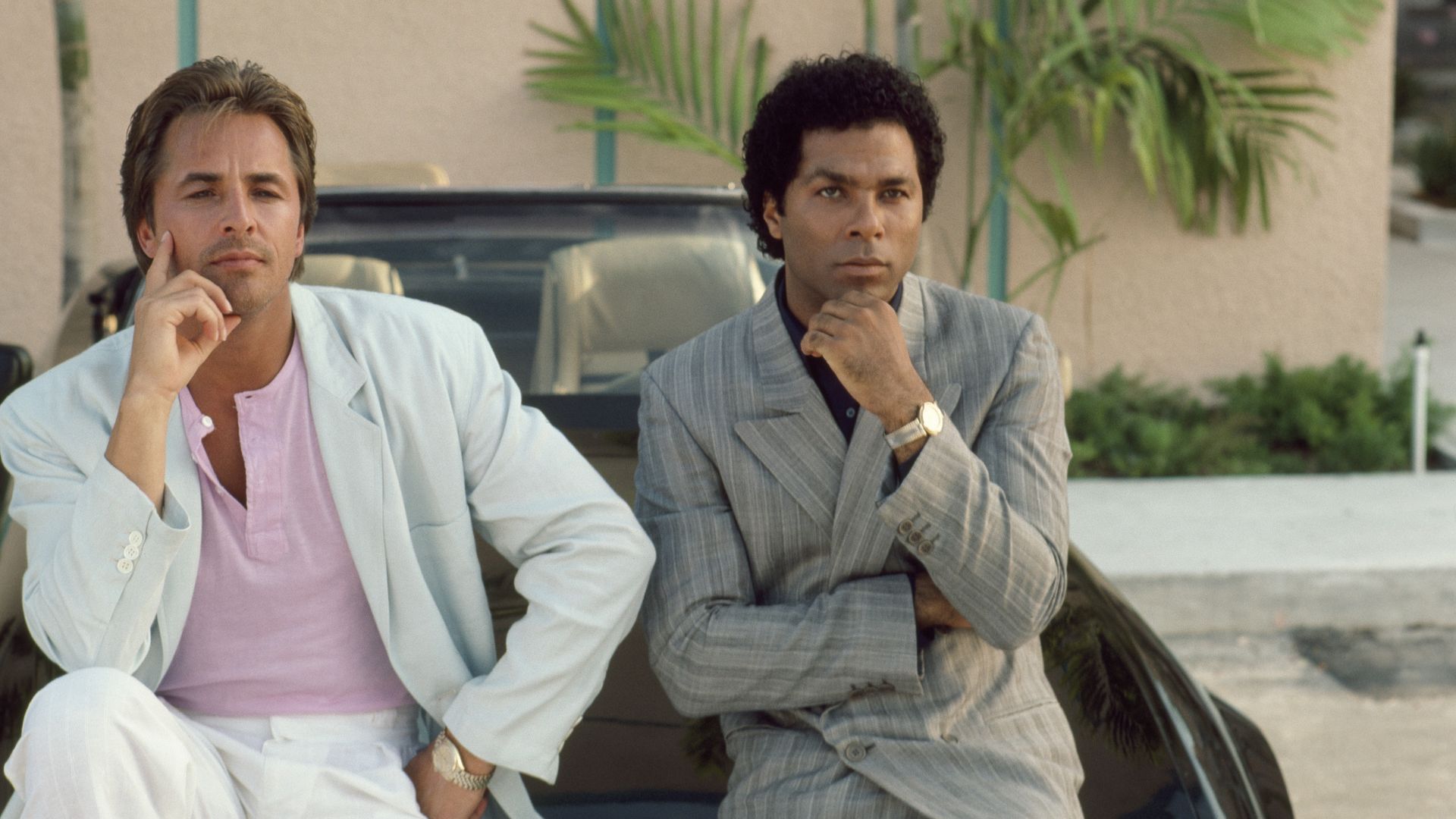
Don Johnson as Det. James "Sonny" Crockett (left) and Philip Michael Thomas as Det. Ricardo "Rico" Tubbs. Photo: Frank Carroll/NBCU Photo Bank/NBCUniversal via Getty Images
The pink Messi jerseys. The bikini-clad tourists on Ocean Drive. The global fame of our Art Deco hotels.
- The Miami brand wouldn't be the same without "Miami Vice," the TV phenomenon that cemented our reputation as a sexy, slightly sketchy tropical destination.
Why it matters: The flashy police drama — which celebrates its 40th anniversary Monday — uplifted the Magic City in the midst of turmoil and brought investment and tourism to South Beach.
Flashback: The show — filmed like a music video with glamor shots and a big-budget soundtrack — created a sensationalized version of Miami where detectives in pastel European suits and sockless loafers chased bad guys in sports cars and speedboats.
- Don Johnson and Philip Michael Thomas were the leading men, but the city itself was a main character, too.
Zoom in: "Vice" was a huge hit for national audiences during its five seasons on air, and international viewers loved the reruns, but it was a source of pride for downtrodden Miamians.
- In the early 1980s, Miami's murder rate was the highest in the country. The city was recovering from the police killing of Arthur McDuffie, which touched off devastating race riots.
- The Art Deco Cultural District in South Beach was known as "God's waiting room" back then — a 180 from the young party crowds that fill Ocean Drive hotels these days.
What they did: The showrunners staged fake clubs, bars and restaurants inside Art Deco hotels.
- They cast young, attractive extras to replace the retirees for beach and poolside shots.
- Using a strict pastel-only color palette, they painted over drab South Beach hotels, à la preservationist Leonard Horowitz, who began repainting Art Deco hotels in the '70s.
By the end of the '80s, many say, the real Miami was beginning to look like its TV self.
- Pastel clothing became the "Miami look" and more buildings adopted the show's tropical colors.
- The show's portrayal of South Beach's historic hotels helped drive investment and gentrification, and in 1986, preservationists helped pass an ordinance making it harder to demolish them.
What they're saying: Miami historian Paul George tells Axios that he was initially hesitant that "Vice" would reinforce negative storylines about Miami, but it actually made locals proud of their city.
- "It took a show like that to sort of unearth a lot of that and really appreciate the uniqueness and the unusual glamor of this place."
- He recalled meeting a lawyer from Sri Lanka in 1989 and asking him how he'd heard of Miami: "Two words: 'Miami Vice,'" the attorney told him.
George says the "Miami Vice" effect can still be felt today.
- "The rich and the famous and the beautiful still come to Miami Beach."
Celebrate the 40th anniversary of "Miami Vice" this weekend with actor meet-and-greets, guided filming tours and a museum exhibit.